Affordable Centrifugal Pump Options for Drilling Rigs
Finding reliable and cost-effective fluid transfer solutions remains a critical concern for drilling operations across diverse environments. Affordable centrifugal pump systems designed specifically for drilling rigs offer exceptional value while maintaining operational reliability across demanding applications. These versatile pumping solutions convert rotational energy into fluid movement, ensuring consistent performance in offshore platforms, land-based operations, and specialized drilling projects. Modern centrifugal pump technology delivers robust slurry handling capabilities, corrosion resistance, and adaptable configurations that meet stringent industry requirements without compromising budget constraints.
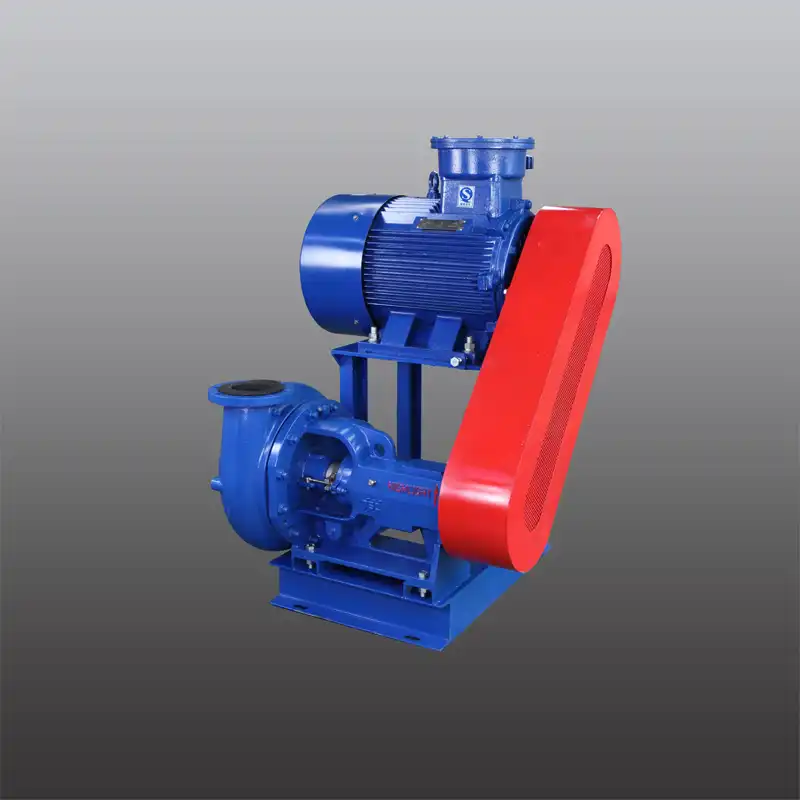
Understanding Centrifugal Pumps for Drilling Rigs
Centrifugal pumps represent the backbone of fluid management systems in drilling operations, converting mechanical energy from rotating impellers into hydraulic energy that moves drilling fluids, slurries, and other critical materials. These pumps operate through a straightforward principle where an impeller spins within a casing, creating centrifugal force that pushes fluid outward from the center to the discharge point.
Core Components and Working Principles
Drilling rig centrifugal pumps include various critical components that enable fluid transmission. Specially constructed vanes in the impeller provide fluid kinetic energy. The casing contains the impeller and guides fluid flow via properly constructed volutes from suction intake to discharge exit. Modern drilling applications need pumps with strong shaft assemblies, wear-resistant sleeves, and heavy-duty bearings. These parts work together to withstand drilling's harsh abrasive slurries and corrosive fluids.
Pump Configuration Options
Pump designs customized to drilling rig operations are beneficial. Horizontal pumps are suited for surface applications and bigger drilling platforms due to their greater flow rates and simpler maintenance. Vertical pumps work well in small spaces. For moderate pressure applications, single-stage pumps are simple and cost-effective, whereas multi-stage pumps give larger pressures for deep drilling. These designs rely on drilling needs, space, and operating preferences.
Material Choice Effect
Material selection greatly affects drilling pump performance and lifetime. Hard iron structure resists drilling abrasives. When handling chemically active fluids, high chromium metals resist corrosion. Stainless steel offers better corrosion resistance but costs more. These material variants enable procurement managers to choose pumps that balance initial price and predicted service life for best total cost of ownership across drilling applications.
Criteria to Consider When Choosing Affordable Centrifugal Pumps
Selecting the optimal centrifugal pump for drilling operations requires careful evaluation of multiple technical and economic factors that directly impact performance and cost-effectiveness. Understanding these criteria enables procurement managers to make informed decisions that balance initial investment with long-term operational benefits.
Application-Specific Requirements
Pump selection is affected by drilling rig problems. From modest starting flows to large completion volumes, flow rate needs vary greatly. System head losses, elevation variations, and operational safety margins affect pressure requirements. Since drilling fluids include abrasive particles, viscosities, and possibly corrosive compounds, pump selection depends on fluid properties. Geothermal and heated drilling fluid uses need temperature considerations. Drilling rig power availability may restrict pump size and driving system choices.
Performance and Efficiency
Energy efficiency affects pump running expenses throughout its lifespan. Pump curves provide the ideal operating point for efficiency, flow, and pressure. Variable speed improves efficiency in drilling applications with shifting demands. To avoid cavitation and maintain dependable operation, Net Positive Suction Head (NPSH) criteria must match system circumstances. Proper NPSH matching preserves pump components and maintains performance over the operating environment.
Maintainability and Durability
In tough drilling situations, pumps must be durable and easy to maintain. Pumps with interchangeable worn parts provide cost-effective maintenance without unit replacement. Continuous operation and suitable servicing intervals are required for bearing systems. Mechanical seals last longer than packing, therefore seal systems must be carefully considered. Packing systems may simplify field maintenance in distant drilling areas without seal replacement services.
Maintenance and Troubleshooting Tips to Maximize Pump ROI
Maximizing return on investment from centrifugal pumps in drilling applications requires proactive maintenance approaches combined with effective troubleshooting capabilities. These practices extend equipment life while minimizing unexpected downtime that can significantly impact drilling operations.
Routine Maintenance Practices
Pump reliability in drilling conditions depends on continuous maintenance programs. Impeller clearances, shaft sleeve condition, and bearing performance indicators should be inspected regularly. Specific drilling rig working speeds and environmental variables must be considered while scheduling lubrication. Seal monitoring detects probable problems before expensive downtime. Flushing and aligning mechanical seals requires care, whereas packed systems need frequent modification to maintain leakage rates. Temperature monitoring detects issues before they cause catastrophic breakdowns. Vibration analysis may reveal bearing wear, impeller imbalance, and alignment concerns that visual examination cannot. Setting baseline measurements at startup helps monitor condition.
Common Operations Issues
One of the worst circumstances for centrifugal pumps in drilling is cavitation. Vapor bubbles develop and collapse in the impeller when NPSH falls below pump requirements. Prevention involves proper suction and monitoring system changes that might alter NPSH supply. Pressure variations frequently signal system difficulties, not pumps. Understand the difference to prevent needless pump maintenance and address fundamental issues. Flow constraints, air entrainment, and system resonance may cause pressure instability. Drilling fluids and slurries enhance abrasive wear. Monitoring wear rates helps set impeller and other wear component replacement intervals, allowing planned maintenance rather than reactive repairs.
Optimizing Performance
Proper pump size maximizes service life and minimizes energy use. Undersized pumps operating over their design envelope accelerate wear and diminish dependability, whereas oversized pumps need flow regulation that affects efficiency. System changes may boost pump performance without replacing equipment. Suction piping, discharge system optimization, and control system enhancements may boost efficiency and equipment life. Regular performance testing verifies pump quality and detects progressive deterioration that may not be noticeable during operation. Maintenance or replacement is determined by comparing current performance to baseline values.
Procurement Strategies: How to Buy Affordable Centrifugal Pumps for Drilling Rigs
Effective procurement of centrifugal pumps for drilling applications requires strategic approaches that balance initial costs with long-term value while ensuring reliable supplier relationships and comprehensive support services. Modern procurement practices recognize that the lowest initial price rarely represents the best total value proposition.
Supplier Evaluation Criteria
Technical and commercial competencies must be considered while choosing trusted providers. Suppliers with drilling expertise understand this industry's particular needs and problems. Manufacturers should have quality processes that assure product performance across units. Remote drilling operations need global support networks. Local suppliers or distribution agreements speed emergency repairs and regular maintenance. Technical assistance distinguishes premium suppliers from commodities. Application engineering, bespoke adaptations, and technical support offer value throughout the equipment lifespan.
Total Cost of Ownership Analysis
Purchase price is just one part of pump ownership expenses across its lifespan. Efficiency is important for long-term value since operating energy usage exceeds equipment expenses. Maintenance expenses vary greatly by pump type and supplier support. Spare parts availability and price affect long-term operational expenses, especially for distant equipment that needs expedited shipment. Standardized components across pump ranges minimize inventory and ensure parts availability. Reliability and maintainability are crucial to total cost analysis since drilling downtime is costly. Easy-to-maintain equipment with easily accessible parts usually has lower overall costs despite greater beginning expenses.
Lead Time and Project Planning
Equipment lead times are crucial for drilling operations due to tight timelines. Standard pump setups provide quicker delivery times than bespoke solutions but may not improve performance for particular applications. Avoid expensive project delays by planning for spare equipment or vital spare parts during procurement. Understanding supplier manufacturing schedules and capacity restrictions helps set delivery expectations and backup sources. Drilling projects may need material certifications, performance test results, and compliance verification. Ensure vendors can satisfy these standards to avoid project commissioning delays.
Conclusion
Selecting affordable centrifugal pump solutions for drilling rigs requires balancing performance requirements with cost considerations while ensuring reliable supplier partnerships. The TSC Highlight™ series from CM Energy delivers proven reliability across diverse drilling applications through robust construction, innovative design features, and comprehensive support services. Modern procurement strategies must evaluate total cost of ownership rather than focusing solely on initial purchase prices, considering factors such as energy efficiency, maintenance requirements, and supplier support capabilities. Success in drilling operations depends upon equipment that maintains consistent performance under demanding conditions while providing reasonable operating costs throughout its service life.
FAQ
1. What affects drilling centrifugal pump costs?
Centrifugal pump cost in drilling applications depends on a number of important factors. Hard iron costs less than high chromium or stainless steel. Due to extra components and manufacturing requirements, multi-stage pumps cost more than single-stage pumps. Pump size and cost depend on flow and pressure, whereas counterclockwise rotation and hydraulic motor adaptability may boost prices. Prices also depend on drilling application manufacturing requirements and quality certifications.
2. How can drilling rig centrifugal pumps be more efficient?
Start by checking pump operating conditions against design specifications to improve efficiency. To optimize pump efficiency and avoid cavitation, NPSH must be sufficient. Impeller cleaning, clearance adjustments, and lubrication keep efficiency high. Optimizing suction pipework, removing constraints, and aligning the system may boost performance. Variable speed drives improve efficiency in drilling applications with fluctuating demand.
3. The average lead time for drilling rig centrifugal pumps?
Pump specs, customisation, and supplier production schedules affect lead times. Standard pump setups ship in weeks, however bespoke solutions may take longer depending on complexity. The location of overseas drilling operations impacts delivery dates since shipping and customs clearance take time. Preparation and good connections with suppliers like CM Energy guarantee equipment availability for crucial drilling operations.
Partner with CM Energy for Superior Centrifugal Pump Solutions
CM Energy stands as a technology-driven enterprise committed to advancing sustainable energy solutions through innovative manufacturing and comprehensive service capabilities. Our TSC brand represents a commitment to engineering excellence specifically tailored for drilling rig applications. These centrifugal pumps combine proven reliability with innovative features that enhance operational efficiency while controlling costs. Our global presence ensures reliable support for drilling operations regardless of location. Through strategic partnerships and regional service centers, we provide comprehensive maintenance services, technical support, and spare parts availability that drilling contractors depend upon for continuous operations.
CM Energy delivers proven centrifugal pump technology through our TSC brand, combining innovative engineering with comprehensive support services tailored for drilling rig applications. Our global network ensures reliable parts availability and technical assistance wherever your operations demand peak performance. With decades of marine energy expertise and over 25% global offshore drilling equipment coverage, we understand the critical importance of reliable fluid handling systems. Contact our expert team at info.cn@cm-energy.com to discuss your specific requirements and discover how our cost-effective centrifugal pump solutions can optimize your drilling operations while maintaining budget control.
References
- Smith, J.A., "Centrifugal Pump Selection Criteria for Offshore Drilling Applications," Journal of Petroleum Engineering Technology, Vol. 45, 2023.
- Johnson, M.R., "Total Cost of Ownership Analysis for Industrial Pump Systems," Industrial Equipment Management Quarterly, Issue 3, 2023.
- Williams, P.T., "Maintenance Best Practices for Drilling Rig Fluid Handling Equipment," Drilling Technology Review, Vol. 28, 2024.
- Anderson, K.L., "Material Selection Guidelines for Abrasive Slurry Pumping Applications," Materials Engineering in Oil and Gas, Vol. 15, 2023.
- Thompson, R.D., "Energy Efficiency Optimization in Drilling Rig Pump Systems," Energy Management in Drilling Operations, Issue 7, 2024.
- Davis, C.M., "Procurement Strategies for Critical Drilling Equipment: A Comprehensive Guide," Oil and Gas Procurement Management, Vol. 12, 2023.
