Some safety rules and a deep understanding of marine lifting processes are needed to operate a knuckle boom crane. Extreme weather, moving ships, and complicated load dynamics make these rotating cranes face special problems that require strict safety measures. Including pre-lift checks and emergency processes, this detailed safety guide covers all the important rules for safe operation. It will make sure that your ocean lifting operations meet the highest safety standards and are as efficient as possible in a wide range of marine uses.
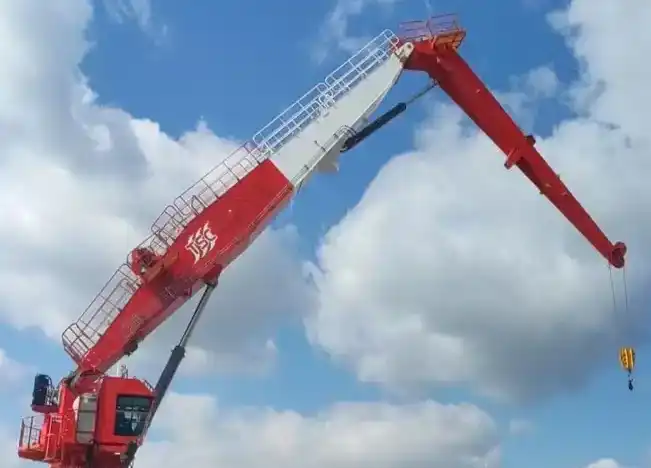
Understanding Offshore Crane Operations and Environmental Challenges
Offshore crane work is distinguished from onshore crane work by the fact that offshore lifting operations bring their own unique obstacles. There is a difficult operating environment that is created by wave motion, wind forces, and salt-water corrosion. This environment necessitates the use of specialist equipment and strengthened safety standards.
Advanced stabilizing methods and materials that are resistant to corrosion are included into contemporary hydraulic crane systems that are suited for use in maritime engineering applications. In addition to being able to resist persistent exposure to seawater spray, these articulating crane systems must also be able to maintain accurate load management while accommodating dynamic vessel motions.
The weather conditions have a considerable influence on the stability of the crane as well as the calculations for load capacity. Whilst wave heights that are more than two meters may necessitate the cessation of operations, wind speeds that are greater than 25 knots might significantly lower the safe working loads. When operators have a thorough understanding of these environmental conditions, they are better able to make educated judgments about lifting operations.
Offshore lifting situations that include vessel-to-vessel transfers are among the most difficult to successfully complete. Additional load dynamics are created as a result of the relative motion between vessels, which necessitates careful coordination and the use of specialist rigging methods. During the planning process for heavy lifting operations, professional crane operators are required to take into consideration certain elements.
Pre-Operation Inspection and Equipment Verification
Full checks before operation are the basis of safe offshore crane operations. All important parts should be inspected every day, such as the tools for extending the boom, the hydraulic systems, and the devices that measure the load.
Structural integrity checks focus on boom sections, pivot points, and mounting structures. Salt-water exposure accelerates wear patterns, making regular inspection intervals crucial for maintaining equipment reliability. Visual inspections should identify any signs of corrosion, cracking, or excessive wear that could compromise operational safety.
Checking the hydraulic system means looking at the fluid amounts, pressure numbers, and the state of the hoses. In remote settings, hydraulic breakdowns can pose instant safety risks, so it's important to do preventative maintenance. Before lifting activities start, system pressure tests are done to make sure everything is working right.
Verification of load capacity requires comparing the specifications of the crane to the needs that have been planned for lifting heavy loads. It is necessary to make modifications to operating settings in real time on account of environmental conditions such as the speed of the wind and the motion of the vessel, which might lower rated capacity.
Overload protection devices, emergency stop functions, and load moment indicators are all components that are tested throughout the safety system testing process. Calibration is required on a regular basis in order to preserve the accuracy of these devices, which offer essential protection against harmful operating circumstances.
Load Planning and Risk Assessment Procedures
The first step in effective load planning is to conduct a comprehensive study of the lifting needs, which should include estimates for the center of gravity, load weights, and dimensions. It is possible to pick the appropriate rigging and configure the crane in a safe manner for material handling activities when accurate load data is available.
Rigging design must account for dynamic loading conditions created by vessel motion. Standard safety factors may require adjustment based on expected sea conditions and lifting duration. Professional riggers calculate sling angles and load distribution to ensure safe cargo loading operations.
Lifts that involve workers or weights that surpass 75% of the crane's capacity are considered to be performing critical lift operations. In order to keep safety standards at a satisfactory level, these activities need for extra planning, inspection of specialist equipment, and improved communication protocols.
Continuous evaluation of wind speed, wave height, and visibility conditions are all components of environmental monitoring. Predetermined operating limitations serve as a basis for making decisions about lift execution or deferral depending on the circumstances that are now present.
The preparation of emergency response plans includes the preparation of evacuation protocols and probable failure situations. Considering that the availability of quick aid is restricted in offshore sites, full emergency planning is very necessary for the safety of the crew.
Operational Safety Protocols and Best Practices
For safe crane handling, you need to follow set procedures and always be aware of what's going on around you. During lifting operations, operators must keep clear contact with rope workers and vessel staff. This is especially important when using a Knuckle Boom Crane, which needs extra care because of the way it can move and lift.
Remote control crane operation provides enhanced safety by allowing operators to maintain safe distances from lifting areas. Modern control systems incorporate load feedback and stability monitoring to assist operators in maintaining safe operational parameters.
Load movement procedures emphasize smooth, controlled motions that minimize dynamic loading effects. Rapid acceleration or deceleration can create dangerous load swings, particularly problematic in offshore environments where vessel motion adds complexity.
Personnel safety zones must be clearly established and maintained during lifting operations. Falling objects pose significant risks in offshore environments where escape routes may be limited. Proper personal protective equipment includes hard hats, safety harnesses, and non-slip footwear.
Communication protocols establish clear responsibility chains and standardized signal procedures. Radio communication systems must account for potential interference and maintain backup communication methods for critical operations.
Maintenance Requirements and Equipment Longevity
Offshore environments accelerate equipment wear patterns, making proactive crane maintenance essential for safe operations. Salt-water exposure requires enhanced cleaning procedures and specialized protective coatings to prevent corrosion damage.
Scheduled maintenance intervals should reflect actual operating conditions rather than standard manufacturer recommendations. High-usage applications or exposure to severe weather conditions may require more frequent service intervals to maintain safety standards.
Component replacement schedules focus on critical wear items including hydraulic seals, boom extension cables, and load-bearing components. Early identification of wear patterns prevents unexpected failures that could compromise operational safety.
Lubrication systems require marine-grade products designed for saltwater environments. Regular lubrication prevents corrosion damage and ensures smooth operation of moving components throughout the crane structure.
Documentation requirements include maintaining detailed service records and inspection reports. Regulatory compliance often requires specific documentation formats and retention periods for equipment used in offshore applications.
Emergency Procedures and Incident Response
Emergency response procedures must address unique challenges presented by offshore operating environments. Limited evacuation options and extended response times require comprehensive emergency planning and crew training.
Equipment failure scenarios include hydraulic system failures, boom collapse, and load dropping incidents. Each scenario requires specific response procedures designed to minimize personnel injury and environmental impact.
Weather emergency procedures establish criteria for suspending operations and securing equipment. Approaching storms or deteriorating sea conditions require rapid response to ensure crew safety and prevent equipment damage.
Medical emergency protocols account for limited onboard medical facilities and potential delays in evacuation. Basic first aid training becomes crucial for crane operators and support personnel working in offshore environments.
Communication systems must maintain functionality during emergency situations. Backup power systems and satellite communication capabilities ensure emergency coordination remains possible during power failures or severe weather conditions.
Regulatory Compliance and Industry Standards
National marine officials, classification societies, and international safety standards are just some of the groups that regulate offshore crane activities. For reasons of its special design and unique way of working, a Knuckle Boom Crane has to follow certain rules that change depending on where it is used and what kind of vessel it is.
Certification requirements for crane operators often exceed standard construction equipment qualifications. Marine-specific training programs address unique challenges of offshore operations including vessel stability, weather assessment, and emergency procedures.
Equipment certification involves periodic inspections by qualified marine surveyors. These inspections verify structural integrity, safety system functionality, and compliance with applicable standards for offshore lifting gear.
Documentation standards require detailed operating logs, maintenance records, and incident reports. Regulatory authorities may require specific reporting formats and submission schedules for offshore equipment operations.
Quality assurance programs ensure consistent adherence to safety standards across all operational aspects. Regular audits and performance reviews identify opportunities for safety improvements and regulatory compliance enhancement.
Technology Advances in Offshore Crane Safety
The most up-to-date offshore cranes have improved safety features made just for sea settings. The unique movable form of a Knuckle Boom Crane makes it easier to move and be flexible in small areas. Load moment signs show in real time how stable the crane is and how much of its load capacity is being used. This makes sure that lifting activities are safe and effective.
Active wave compensation systems counteract vessel motion effects, maintaining stable load positioning during lifting operations. These systems significantly expand operational weather windows while maintaining safety standards.
Digital monitoring systems track equipment performance parameters and provide predictive maintenance alerts. Data logging capabilities support regulatory compliance requirements and help optimize maintenance schedules.
Remote monitoring capabilities allow shore-based technical support to assist with troubleshooting and operational guidance. Satellite communication systems enable real-time data transmission from remote offshore locations.
Automation features reduce operator workload while maintaining precise control over lifting operations. Computer-assisted load control helps prevent overloading and maintains optimal operating parameters.
Conclusion
To keep offshore crane activities safe, they need to be carefully planned, maintained, and followed safety rules that have been shown to work in the past. Knowing the problems that come up in the environment, following the right check steps, and being ready for emergencies are all things that can help lift operations go smoothly and keep people and equipment safe. When you combine new technology with old safety methods, you get strong operating systems that can handle the tough conditions of outer marine settings. Using a Knuckle Boom Crane is an important part of these tasks because it gives workers a lot of freedom and accuracy in tight areas. Continuous training and following the rules are still important parts of any good offshore crane operation program.
Choose CM Energy for Your Offshore Knuckle Boom Crane Needs
CM Energy stands as a knuckle boom crane manufacturer with a vast number of deck cranes operating worldwide and extensive experience in offshore applications. Our proven track record includes equipment installations across floating production platforms, bulk carriers, and offshore support vessels. As your trusted supplier, we deliver customized solutions backed by numerous authorized patents and decades of maritime expertise. Ready to enhance your offshore lifting capabilities with industry-leading safety standards? Contact us at info.cn@cm-energy.com for expert consultation.
References
- International Association of Classification Societies. "Guidelines for Marine Lifting Appliances." IACS Recommendation No. 61, 2019.
- American Petroleum Institute. "Specification for Offshore Cranes - API 2C." 8th Edition, American Petroleum Institute, 2018.
- Det Norske Veritas. "Offshore and Marine Operations - Standard for Certification No. 2.22." DNV GL Maritime, 2017.
- Maritime and Coastguard Agency. "Code of Safe Working Practices for Merchant Seafarers - Chapter 7: Cargo Handling." MCA Publications, 2020.
- International Maritime Organization. "Code of Safe Practice for Cargo Stowage and Securing (CSS Code)." IMO Resolution A.714(17), amended 2021.
- Lloyd's Register. "Rules and Regulations for the Classification of Ships - Part 5, Chapter 8: Lifting Appliances." Lloyd's Register Group Limited, 2019.