When marine owners think about installing an ammonia fuel system on their boats, they need to make a lot of important choices that affect safety, performance, and compliance with regulations. For an Ammonia Fuel Supply System (AFSS) to work properly, its unique needs, safety rules, legal standards, and connection options must be carefully thought about. These factors make a big difference in how well the operation runs, how safe the crew is, and how long the sustainability goals are met. They also make sure that marine facilities and power systems can be used without any problems.
Understanding the Fundamentals of AFSS Installation
Ammonia Fuel Supply Systems are a new way to make naval power more environmentally friendly. They can cut carbon emissions to zero and are still reliable. These systems work by changing ammonia into energy that ship engines can use. This is done through specialized processing units that deal with the way that ammonia behaves as a maritime fuel.
Core System Parts and How They Work
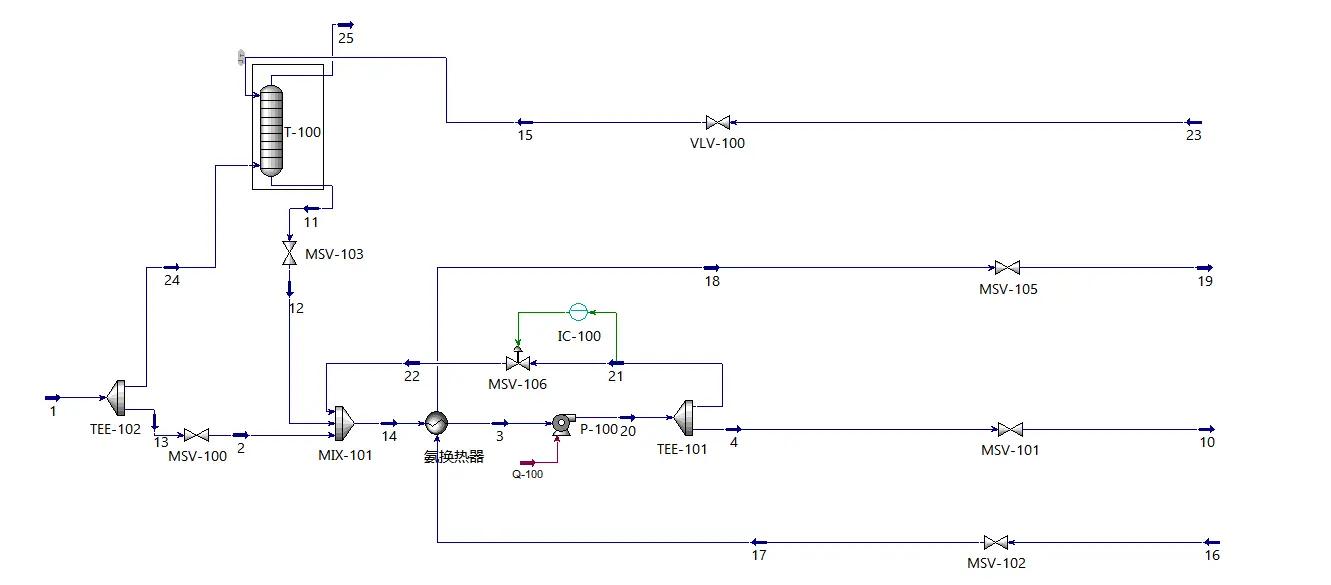
A good AFSS is based on its parts acting together as a whole. An ammonia fuel system has many different parts, such as specialized holding tanks, supply lines, processing units, and safety features that are built for the way that ammonia is chemical. Ammonia is poisonous and acidic, so it must be handled in a certain way that is different from typical diesel or LNG systems. This requires using modern materials and specially designed engineering solutions.
Today's AFSS sites use advanced systems for tracking and control that keep an eye on safety factors, pressure levels, and fuel quality all the time. These systems make sure that the entire fuel supply process, from storage to engine burning, runs at the best level while also keeping high safety standards.
Environmental Benefits and Emission Patterns
Unlike ammonia, traditional marine fuels release CO2 when they are burned. But, even so, it is still very important to carefully handle NOx pollution. This requires specialized aftertreatment systems and very accurate combustion control. AFSS has a pollution feature that makes it especially appealing to people who want to follow strict environmental rules and reach carbon balance goals.
Critical Technical Considerations for AFSS Installation
An AFSS can only be successful if all of the technical details that make sure it is safe and works well are taken into account. Ammonia is a unique substance that requires special engineering methods that are very different from the ways that fuels are normally handled.
Safety Systems and Following the Rules
Safety considerations are the most important part of any AFSS installation. This means that there must be strong systems for finding leaks, ways to shut the system down in an emergency, and plans for full airflow. These systems must follow international rules for seafaring safety, such as the IGF Code and IMO rules about using alternative fuels in marine settings.
Because ammonia is so dangerous, it needs to be stored in carefully designed tanks that are resistant to rust and can handle high pressure. As,, or when safety levels are approached or passed, integrated safety systems continuously watch the environment and cause automatic reactions.
Improving System Performance and Efficiency
Performance improvement needs a lot of thought about how quickly fuel is converted, how energy output is affected, and how quickly systems respond when operating conditions change. Regular troubleshooting and maintenance routines keep things running smoothly, avoid interruptions, and make systems last longer.
Temperature control methods are very important for keeping the best ammonia properties all the way through the fuel supply chain, from storage to the end burning. These systems need advanced oversight and control tools to make sure they always work the same way, no matter what the operating situation is.
Comparative Analysis for Informed Decision-Making
It is important to compare the ammonia fuel systems fuel system to other power systems, like gas, diesel, and electric, in order to choose the best one. Each piece of technology has its own pros and cons that need to be considered in relation to the needs and goals of the organization.
Operational Benefits and Financial Factors
Ammonia can be stored more densely and is more compatible with existing infrastructure than hydrogen. It also has a smaller environmental impact than fossil fuels. But, specialized handling needs and beginning capital expenditures must be carefully weighed against long-term business benefits and regulatory compliance benefits.
Lifecycle cost analysis includes more than just the costs of buying and installing a system; it also includes the costs of upkeep, training the crew, and possibly updating the way vessels are set up now.
Vessel Integration and Suitability for Application
AFSS technology works best on certain types of ships, such as chemical tankers, big bulk carriers, and specialized gas carriers. On these vessels, having experience with cargo handling makes it easier to handle the fuel system. The technology also shows a lot of promise for use on offshore support boats and in other specialized industry settings that need environmentally friendly fuel options.
Best Practices for Successful AFSS Integration Onboard
To get the best performance out of AFSS, you need to follow a set of steps that are known to work during both the installation and testing stages. These methods make sure that the system is both safe and efficient when it is put into service.
Planning and Risk Assessment Before Installation
Through specific risk estimates and prevention strategies, thorough planning before installation takes into account ammonia's unique safety issues. This planning phase includes making changes to the vessel, training the crew, and making emergency reaction plans that are especially suited to working with ammonia fuel.
Installation processes need to take ship-specific issues into account while making sure that the system is placed in the best spot and works with the ship's current systems. Installation teams and vessel workers work together carefully on upgrade projects so that current activities are only minimally affected.
Protocols for commissioning and operational excellence
Before the system can be used, it must pass rigorous setup processes that test its performance in all working factors. These practices include thorough testing of safety systems, fuel dealing methods, and compatibility with current vessel management systems.
Post-installation repair plans need special knowledge of system monitoring and ammonia handling. Regular training updates make sure that the team knows how to use AFSS technology, fix problems, and respond to emergencies.
CM Energy's Advanced AFSS Solutions
CM Energy leads the way in ammonia fuel systems technology development. They offer complete ammonia fuel options by drawing on their vast experience building ammonia transport vessels and working on LPG upgrade projects. Through our TSC name, we have independently created modern Ammonia Fuel Systems that include the latest safety features and ways to improve performance.
Expertise and Leadership in Innovation That Works
Our way of doing things is based on the deep knowledge we've gained from building ammonia carriers and successfully updating LPG fuel systems. This gives us a unique understanding of how to handle ammonia and the problems that can come up when trying to make systems work together. TSC regularly joins in zero-carbon laboratory projects, which help to advance ammonia fuel technology through cooperative research and development.
Here are the main reasons our AFSS systems stand out in the marine industry:
1. Experience That Leads the Industry: Our team has a lot of experience with building and designing dual-fuel vessels, liquid gas carriers, and chemical tankers. This gives us a full knowledge of the complicated marine fuel needs and safety requirements.
2. Integrated Solution Portfolio: We provide full fuel system solutions. These include Methanol and LNG Fuel Supply Systems, specialized Ammonia Fuel Systems, and LPG Cargo Handling Systems for total vessel fuel management.
3. Proven Performance Record: There have been 19 successful deliveries of full clean fuel supply systems and cargo handling setups, showing that they work well and can be counted on for a wide range of vessel types and operating settings.
4. Innovative Development Skills: The ability to create and manufacture AFSS independently, with support from ammonia carrier knowledge and active involvement in state-of-the-art zero-carbon research programs and lab development projects.
5. Full Lifecycle Support: A full range of services from the first planning and production to installation, continued support for building, and special after-sales service plans that make sure long-term success.
These benefits let us take on tough construction problems while making sure that all kinds of vessels work well and follow the rules, no matter what the operating needs are.
The full capabilities of the system
Our ammonia fuel system has the ability to fill and store fuel, as well as modern AFSS technology, complex fuel mist units, full air systems, and built-in safety features. The method guarantees safe and efficient ammonia bunkering. At the same time, it meets strict low-flashpoint fuel handling standards and fully complies with IMO rules for using ammonia as a marine fuel.
Sophisticated leak monitoring systems, the ability to shut down the system in an emergency, and the ability to use harmless gas without any problems are all examples of advanced safety features. Our vapor handling systems use heat oxidation and re-liquefaction technologies that are intended to safely handle ammonia, especially when it is stored at low pressure.
Conclusion
Safety rules, following the law, system integration, and operating needs are all linked and must be carefully thought about for the successful installation of AFSS. Technical details, safety, team training, and long-term repair plans that keep the system working well are all important things to think about. Maritime owners need to weigh these factors against their own unique needs. When they do this, they should keep in mind the vessel's traits, the route's needs, and goals for sustainability. Making a successful ammonia fuel system rollout that is good for the environment and works well in marine uses requires proper planning, expert installation, and full support services.
Frequently Asked Questions
Q1: What safety steps should be taken when handling ammonia fuel on ships?
A: Important safety steps are complete leak detection systems, emergency stop procedures, special air setups, and crew training programs. Ammonia needs storage tanks that won't corrode, constant tracking of the atmosphere, and emergency plans that take ammonia's poisonous qualities into account. As per the IGF Code, safety devices must have backup power for important safety tasks.
Q2: How is storing ammonia different from how naval fuel is normally stored?
A: To store ammonia, you need special tanks made of materials that won't corrode, as well as methods for managing temperature and pressure. Unlike normal fuels, ammonia storage uses handling systems for mist, gas integration of neutral materials, and special substances that can handle the harmful effects of ammonia. It is also important for storage systems to have better leak monitoring and emergency reaction skills because ammonia is poisonous.
Q3: What servicing issues do you only see with AFSS technology?
A: To maintain AFSS, you need to be trained to handle ammonia, check parts that are resistant to rust on a regular basis, and test safety systems like leak detection and emergency stop mechanisms. Maintenance staff need to learn about ammonia fuel technology, and maintenance plans need to take into account the different parts of ammonia fuel systems, like tools for handling mist and special storage parts.
Partner with CM Energy for Advanced AFSS Solutions
Expert collaboration and proven solutions are needed to achieve your fleet's sustainability objectives using ammonia fuel technology. With expertise in ammonia transport vessel building and clean fuel system development, CM Energy provides complete AFSS systems. Our TSC brand leads alternative fuel technology innovation, enabling marine operators from initial consulting to continuous operational support. As a renowned Ammonia Fuel System manufacturer, we offer tailored solutions that satisfy operational needs and regulatory compliance for best performance. Learn how our sophisticated ammonia fuel solutions may improve your fleet's environmental and operational efficiency. Contact us at info.cn@cm-energy.com to discuss your specific AFSS requirements and explore partnership opportunities.
References
1. International Maritime Organization. "Guidelines for the Development of Ammonia-Fueled Ships." IMO Maritime Safety Committee, 2024.
2. Smith, J.R. and Anderson, M.K. "Safety Considerations for Ammonia Fuel Supply Systems in Marine Applications." Journal of Maritime Engineering, Vol. 15, No. 3, 2024.
3. European Maritime Safety Agency. "Technical Standards for Alternative Fuel Systems Installation on Commercial Vessels." EMSA Technical Report, 2024.
4. Chen, L. and Rodriguez, P. "Ammonia as Marine Fuel: Installation Best Practices and Regulatory Compliance." International Conference on Sustainable Shipping, 2024.
5. Maritime Technology Review. "AFSS Installation Guidelines: Safety Protocols and System Integration." Marine Engineering Quarterly, Vol. 28, No. 2, 2024.
6. Thompson, R.A. "Environmental and Operational Benefits of Ammonia Fuel Supply Systems for Large Vessels." Clean Marine Technology Journal, Vol. 12, No. 4, 2024.
