It takes careful planning and a deep knowledge of technical specs, compliance requirements, and seller review methods in order to get a high-quality Cargo Handling System from China. This guide tells people who work in the marine business what they need to know to successfully buy cargo systems from other countries. It covers everything from finding a seller to installing the systems after they've been delivered. If you run VLGCs, chemical ships, or FPSO units, you need to know how to buy things. This will help you find options that are safe, cost-effective, and meet strict marine industry standards.
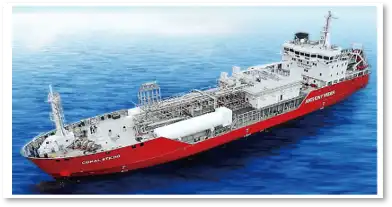
Why Source Cargo Handling Systems from China?
Manufacturing Excellence and Scale
China's maritime equipment manufacturing sector has evolved dramatically over the past two decades. The country now produces approximately 40% of the world's commercial vessels and marine equipment components. This massive scale creates significant advantages for cargo handling system procurement, including competitive pricing, extensive supplier networks, and rapid production capabilities.
Advanced Technological Infrastructure
Chinese manufacturers have invested heavily in research and development, with companies like CM Energy leading innovation in marine energy solutions and cargo systems. The integration of automation technologies, IoT sensors, and advanced materials has positioned Chinese suppliers as technology leaders rather than just cost-competitive alternatives.
Comprehensive Product Range
From fully pressurized LPG systems to sophisticated ammonia handling equipment, Chinese manufacturers offer complete solutions for diverse vessel types. This breadth enables one-stop procurement for complex projects requiring multiple system integrations.
Understanding Technical Specifications and Industry Standards
Critical Performance Parameters
Cargo handling systems must meet precise operational requirements depending on the cargo type and vessel configuration. For LPG carriers, pressure ratings typically span a broad range, while temperature control capabilities vary from ambient to extremely low temperatures for LNG applications. Flow rates, material compatibility, and automation levels represent additional critical specifications.
Material Standards and Certifications
Marine-grade materials require specific certifications including ABS, DNV GL, Lloyd's Register, and other classification society approvals. Stainless steel grades such as 316L and duplex steels like 2205 are commonly specified for corrosive cargo applications. Understanding these material requirements prevents costly specification errors during procurement.
Safety and Control Integration
Modern cargo systems have gas detecting networks, automatic tracking systems, and emergency stop (ESD) features. These safety features need to meet international marine rules like SOLAS, MARPOL, and the needs of the port state.
Navigating International Trade Regulations and Compliance
Import/Export Documentation Requirements
To successfully buy a cargo system, you need to pay close attention to the trade paperwork. Invoices for business must correctly list technical details and amounts. Packing lists include the weights and sizes of each item so that they can be shipped safely. As well as being proof of ownership, bills of lading are also contracts for shipping. In some trade deals, certificates of origin may be needed to get lower tariffs.
Understanding International Commercial Terms
Trade terms have a big effect on the total cost of buying something and how risk is distributed. FOB (Free on Board) means that the Chinese seller sends the goods to the port of exit, and the buyer pays for foreign shipping and security. Cost, Insurance, and Freight (CIF) terms include delivery to the port of location with shipping and insurance taken care of by the provider. When you buy something under EXW (Ex Works) terms, you are fully responsible for getting it to the buyer's location.
Customs and Regulatory Compliance
Importing marine equipment often needs special permissions and certifications. Shipments must have certificates from classification societies, type approval papers, and compatibility statements. In some places, goods must be inspected or tested by a third party before they can be shipped.
Supplier Evaluation and Selection Process
Technical Capability Assessment
Evaluating potential suppliers requires comprehensive technical due diligence. Manufacturing facility audits reveal production capabilities, quality control processes, and testing equipment availability. Patent portfolios and R&D investments indicate innovation capacity and technological leadership.
Quality Management Systems
ISO 9001 certification represents baseline quality management expectations. Marine-specific standards such as MED (Marine Equipment Directive) compliance demonstrate understanding of maritime requirements. Supplier quality metrics including defect rates, on-time delivery performance, and customer satisfaction scores provide quantitative evaluation criteria.
Financial Stability and Business Continuity
Long-term supplier relationships require financial stability assessment. Credit ratings, annual financial statements, and business continuity plans help evaluate supplier reliability. Diversified customer bases and multiple facility locations reduce supply chain risks.
Cost Structure Analysis and Price Transparency
Understanding Total Cost Components
Cargo system pricing includes multiple cost elements beyond basic manufacturing. Engineering and design services, testing and certification, packaging and shipping, installation support, and warranty coverage contribute to total project costs. Requesting detailed cost breakdowns enables accurate budget planning and competitive comparison.
Payment Terms and Risk Management
International procurement requires careful payment term negotiation. Letters of credit provide security for both parties, with payment triggered by document presentation. Telegraphic transfers (T/T) offer speed and cost efficiency but require higher trust levels. Progress payment schedules aligned with manufacturing milestones help manage cash flow and project risks.
Currency and Price Fluctuation Management
Exchange rate volatility can significantly impact project economics. Fixed-price contracts provide budget certainty but may include risk premiums. Currency hedging instruments help manage exchange rate exposure for large projects with extended delivery schedules.
Why CM Energy Stands as Your Ideal Cargo System Partner
Proven Track Record and Global Presence
CM Energy has established itself as a technology-driven leader in marine energy solutions, with a significant share of global offshore drilling equipment coverage and a large number of deck cranes operating worldwide. This extensive operational experience translates directly into cargo handling system expertise and reliability.
Comprehensive Technical Solutions
The company's integrated approach covers methanol fuel supply systems, LNG fuel supply systems, ammonia fuel supply systems, and cargo handling systems. This breadth enables complete vessel system integration and simplified project management.
Innovation and Intellectual Property
With 159 authorized patents including 10 invention patents as of August 2024, CM Energy demonstrates continuous innovation commitment. This intellectual property portfolio ensures access to cutting-edge technology and proprietary solutions unavailable from traditional suppliers.
Strategic Partnership Advantages
CM Energy's collaboration with WTC, a Norwegian design firm, combines Chinese manufacturing efficiency with European engineering excellence. This partnership delivers advanced market solutions while maintaining competitive pricing structures.
Quality Assurance and Testing Protocols
Factory Acceptance Testing
Comprehensive testing protocols verify system performance before shipment. Pressure testing, leak detection, control system verification, and safety function validation ensure equipment meets specifications. Witness testing allows buyer representatives to verify compliance with contractual requirements.
Third-Party Inspection and Certification
Independent inspection services provide additional quality assurance. Classification societies, testing laboratories, and specialized marine surveyors offer objective verification of system performance and compliance.
Performance Guarantees and Warranty Coverage
Robust warranty terms protect against manufacturing defects and performance shortfalls. Comprehensive warranty coverage includes component replacement, labor costs, and system downtime compensation. Performance guarantees ensure systems meet specified operational parameters.
Installation and Commissioning Support
Technical Documentation and Training
Complete technical documentation packages include installation drawings, operating procedures, maintenance schedules, and spare parts recommendations. Operator training programs ensure safe and efficient system operation throughout the vessel lifecycle.
On-Site Installation Support
Experienced installation teams provide on-site support during system integration. This hands-on assistance reduces installation time, minimizes integration risks, and ensures proper system commissioning.
After-Sales Service and Support
Comprehensive after-sales support includes remote monitoring capabilities, predictive maintenance programs, and rapid spare parts availability. Global service networks ensure support availability regardless of vessel operating locations.
Conclusion
Successful cargo handling system procurement from China requires thorough planning, careful supplier evaluation, and comprehensive understanding of international trade requirements. The combination of Chinese manufacturing capabilities, competitive pricing, and advanced technology creates compelling value propositions for maritime industry professionals. By following systematic evaluation processes and partnering with established suppliers like CM Energy, buyers can secure high-quality systems that meet stringent marine industry requirements while achieving favorable project economics.
Frequently Asked Questions
Q1: What lead times should I expect for custom cargo handling systems from China?
A: Typical lead times vary depending on system complexity and customization requirements. Standard LPG systems may require a few months, while fully customized ammonia or methanol systems may take slightly longer. Early engagement with suppliers and clear specification definitions help optimize delivery schedules.
Q2: How do I ensure compliance with international maritime regulations?
A: Work with suppliers who maintain current classification society approvals and understand relevant international standards. Request compliance documentation early in the procurement process and consider third-party verification for critical applications. Reputable suppliers like CM Energy maintain comprehensive certification programs to ensure regulatory compliance.
Q3: What factors most significantly impact cargo system pricing?
A: System complexity, material specifications, automation levels, and certification requirements represent primary cost drivers. Stainless steel grades, control system sophistication, and safety feature integration significantly influence pricing. Volume commitments and long-term relationships can provide pricing advantages.
Partner with CM Energy for Superior Cargo Handling Solutions
CM Energy is the excellent cargo handling system supplier for your upcoming project because of our demonstrated experience in marine cargo systems, cutting-edge technology, and extensive support services. With offices all over the world, a large collection of patents, and smart relationships, we can offer cutting-edge answers for even the toughest marine problems. We have world-class production skills to back up our unique solutions, whether you need LPG systems, ammonia handling tools, or combined fuel supply solutions. Ready to talk about what you need from a shipping system? Please email us at info.cn@cm-energy.com to find out how our knowledge can help you run your vessel more efficiently and make sure your project succeeds.
References
1. International Maritime Organization. "International Gas Carrier Code and Safety Guidelines." Maritime Safety Committee, 2019.
2. Society of International Gas Tanker and Terminal Operators. "Liquefied Gas Handling Principles on Ships and Terminals." Fourth Edition, 2020.
3. American Bureau of Shipping. "Guide for Cargo Handling Systems for Gas Carriers." Rules and Guides, 2021.
4. Det Norske Veritas. "Recommended Practice for Marine Fuel Gas Supply Systems." Classification Notes No. 30.9, 2020.
5. International Association of Ports and Harbors. "Global Port Equipment Market Analysis and Procurement Guidelines." Technical Report, 2022.
6. Marine Equipment Manufacturers Association. "Standards and Certification Requirements for Marine Cargo Systems." Industry Guidelines, 2023.