WAPS for Tankers: Fuel Savings and Operational Benefits
Wind-Assisted Propulsion Systems (WAPS) are a revolutionary way for tanker owners to cut down on fuel use and improve working performance. Using advanced rigid sail technology to harness natural wind energy, WAPS installations on chemical tankers, LR2 tankers, and Newcastlemax bulk ships save a lot of money while meeting stricter Carbon Intensity Indicator (CII) compliance standards. This technology meets the marine industry's urgent need for realistic decarbonisation solutions that give investors a quick return on their money without affecting the safety of cargo operations or ships.
Introduction
As fuel prices fluctuate and environmental regulations tighten, the global shipping sector is under pressure to reduce fuel usage and emissions. Chemical tanker, LR2 tanker, and huge bulk ship operators must accept that old propulsion methods cannot fulfil future practical and legal demands. Wind-Assisted Propulsion Systems (WAPS) are a proven approach to modernise centuries-old sailing principles.
WAPS technology helps tanker fleets save fuel, money, and comply with regulations. WAPS installations integrate flawlessly with existing vessel designs for new builds and retrofits, unlike experimental propulsion solutions that need large infrastructure improvements. Here's how WAPS saves gasoline and improves tanker operations. It provides fleet managers and buyers with vital information about this mature, validated technology.
This session will cover WAPS technical concepts, fuel reduction potential, tanker operating difficulties, and sensible purchase suggestions. We want to help commercial ship owners, ferry owners, and newbuild builders determine whether WAPS is a worthwhile investment in fleet updates and environmental protection.
Understanding Wind-Assisted Propulsion Systems in Tanker Operations
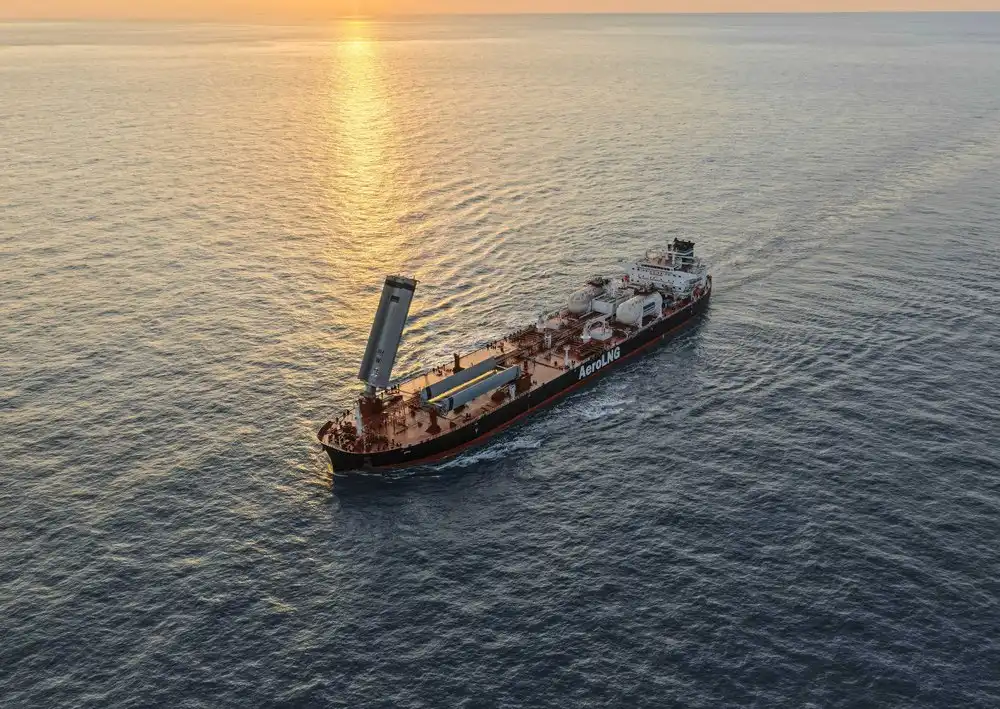
Modern business ships are designed to use Wind-Assisted Propulsion Systems (WAPS), which is a more advanced version of maritime sail technology. Modern WAPS installations are different from traditional cloth sails because they use rigid wing structures that move the ship forward using advanced aerodynamic principles. These systems work as extra forms of motion, which means they don't replace traditional power plants but rather lower the load on the main engine and fuel use.
The Engineering Foundation of Modern WAPS
With its three-element stiff sail design, the WindWings® system is an example of advanced WAPS technology. It was created in collaboration with BAR Technologies in the UK. This unique design has wing sections that can be adjusted separately to get the best camber and angle of attack in real time, depending on the wind. The multi-element design creates more than 2.5 times as much aerodynamic lift as single-wing designs, making the power more efficient even when the wind speed and direction of the ship change.
Ship-grade steel frames and industrial E-glass composite skin panels are used in construction to make structures that can survive harsh marine environments while still being aerodynamically precise. The automated control systems constantly change the camber shape and wing orientation to ensure optimal performance. The crew doesn't need any special training beyond basic operating knowledge, which is similar to how a deck crane works.
WAPS Integration with Tanker Operations
Tanker ships are hard to integrate because of the way they have to handle goods, the way their deck equipment is set up, and the need to ensure operating safety. These problems can be solved by strategically placing WAPS installations between cargo holds. This lets the hatch covers work without any problems and works with the current machinery for moving goods. The unique tilt system lets the wings rotate into laydown positions during cargo operations, port calls, or bad weather, keeping the operational freedom that is needed for commercial tanker service.
The system has different modes that work best in different situations. For example, it generates active power when the wind is blowing nicely, stays in neutral position when moving goods or docking at a port, and locks down in a laid-down position when bad weather hits. This flexibility makes sure that WAPS installations don't get in the way of tanker operations, which is very important for ships that have to stick to set paths and tight schedules.
Fuel Savings Enabled by WAPS for Tankers
For tanker ships, fuel costs are the most variable running expense, so even small cuts in fuel use can have a big effect on the fleet's yearly operations. Wind-Assisted Propulsion Systems (WAPS) technology deals with this economic fact by saving fuel in a way that can be measured and is proven to work. These saves get better every day the system is used. The major benefit is that it lowers the load on the main engine by adding wind-generated thrust to mechanical propulsion. This directly lowers fuel usage in a way that depends on the amount of thrust added.
Quantifying Real-World Fuel Reduction
Performance validation done by DNV and confirmed through actual service shows that WAPS installations can save between 10% and 30% on fuel, based on the route and the wind conditions. For each wing placement, the WindWings® device saves about 1.6 tonnes of fuel per day when conditions are good. For sites with more than one wing on good routes, yearly fuel cost savings can reach hundreds of thousands of dollars, with many operating profiles seeing a return on investment in less than five years.
These savings directly lead to less carbon dioxide being released into the air. Each wing could stop over 5 tonnes of CO2 from being released every day. In addition to lowering costs right away, these cuts also help with CII compliance, which helps ship owners keep good scores under International Maritime Organization rules. As CII standards get stricter, WAPS installations give ships an operating margin that keeps them profitable for longer without having to slow down, which would hurt their ability to compete in the market.
Route Optimization and Performance Monitoring
Modern WAPS sites have advanced weather planning systems made just for ships that use the wind to help them move. These platforms look at weather forecasts, the performance of the vessel, and planned stops to find changes to the route that make the most of wind thrust chances. The web-based interfaces let both operations teams on land and crew members on board work together to plan routes that use the least amount of fuel while still meeting business responsibilities and staying on schedule.
During trips, real-time performance tracking tools keep an eye on changes in fuel use, thrust generation, and wing positioning. This information allows for ongoing operational improvement, helping teams find the best wing configurations for frequently travelled route parts and enhancing institutional understanding about the most effective ways to use WAPS. The automatic reporting functions keep track of fuel savings for regulatory compliance reporting and internal performance evaluation, making the returns on WAPS investments clear.
Operational Benefits Beyond Fuel Savings
Initially, lower fuel costs are what drive Wind-Assisted Propulsion Systems (WAPS) investment choices. However, owners quickly see wider operational benefits that improve vessel performance and crew working conditions. These extra benefits add to the total value, especially for teams that put long-term asset management and standing out from the competition through environmental leadership at the top of their list of priorities.
Enhanced Vessel Stability and Performance
The aerodynamic forces that WAPS installations create help to make the ship more stable in some sea conditions by lowering roll motion, which can be bad for crew comfort and cargo safety. When set up correctly, the rigid wing sections can lessen certain oscillation frequencies, making the platform more stable while travelling. While not as important as the propulsion benefits, this increase in stability is a real practical gain that workers on long trips value.
The automatic control systems constantly find the best wing shape based on the direction of the wind, the state of the sea, and the direction of the ship. This means that the crew doesn't have to do much during normal operations. Manual override features make sure that crew members can still control operations even when things go wrong. This keeps the operational freedom and safety margins that are necessary for business marine service. The easy-to-use interface design cuts down on training needs, so crews can get used to it in days instead of weeks.
Maintenance Considerations and Longevity
WAPS installations are made to last 25 years, which is the average service life of a ship. Major parts are made so they don't need to be replaced in the middle of their useful lives. The strong construction using marine-grade materials and industrial parts makes it reliable in salty settings that are constantly exposed to UV light, changing temperatures, and mechanical stresses. Routine repair needs to be done according to the ship's current maintenance plans, using standard tools and methods that are known to the engineering departments of ships.
Manufacturers of WAPS offer long-term service packages that include predictable upkeep costs and access to expert help. These packages lower the operational uncertainty that comes with new technologies. Moving WAPS installations from one ship to another saves the value of an investment by letting equipment be moved when a fleet is renewed or a ship is sold. Compared to single-vessel-life equipment purchases, this flexibility offers a lot of financial safety, especially for fleet managers who have to change the make-up of their fleets based on market conditions.
Safety Systems and Risk Mitigation
Full safety tracking systems check the health of the wing's structure, the performance of its hydraulic system, and the usefulness of its control parts all the time. Automated alarm methods let team members know when something is wrong and needs their attention. This lets them fix small problems before they become big problems that stop operations. The manual operation connections give crew members backup control paths so they can secure wings in case of an emergency or system failure.
With a long history of operations, WAPS-equipped ships have shown that they can reliably work in a wide range of situations and locations. Ships equipped with WindWings® technology have made calls at more than 20 major ports around the world without any problems. This proves that these systems work well with business shipping operations in the real world. This operational history gives operators trust when they are thinking about investing in WAPS because it shows that the technology achieves the benefits that were promised without introducing unacceptable operational risks.
Selecting the Right WAPS Solution for Your Tanker Fleet
When making choices about what to buy for Wind-Assisted Propulsion Systems (WAPS) setups, it's important to carefully consider technical compatibility, operating needs, and business terms. As WAPS technology gets better, it gives owners more setup choices that let them make it fit the needs of each vessel and its operations. When procurement teams know the key selection factors, they can negotiate better terms and make sure setups give the most value.
Technical Compatibility Assessment
The first and most important step in WAPS buying is a vessel-specific compatibility study. Engineers have to figure out how much weight the wing's base can hold, how much deck room is available between the cargo holds, and how much space is needed for the wing's rotation systems. There are three different types of WindWings®, with aerodynamic spans of 20 meters, 24 meters, and 37.5 meters. These give you options based on the size and purpose of your vessel. Smaller configurations work well for coastal vessels that need less air draft, while larger installations make the most thrust for ocean-going tankers.
To connect to the ship's current systems, you need to check if there is enough electricity for the wing control systems, if the data networks can work together for performance tracking, and if the crane is big enough for the installation process. When WAPS foundations are built into a new building, they can be added during the initial construction, while retrofit installs need more in-depth structural study. Experienced WAPS makers offer full compatibility assessment services, creating thorough engineering studies that show what changes need to be made to the vessel for installation to go smoothly.
Certification and Classification Society Approval
To keep a ship's certification and insurance coverage, WAPS installations need to be approved by well-known classification groups. Type approvals for the WindWings® system come from DNV, Bureau Veritas, Lloyd's Register, and the China Classification Society. This means that designs are sure to meet strict safety and efficiency standards. These licenses make it easier to get approval for individual installations on vessels. This makes it less likely that delays will happen and keeps technical needs from being found too late in the buying process.
Independent performance verification by the Wolfson Unit and Lloyd's Register backs up claims that fuel-saving products work, so owners can make investment choices based on verified performance data instead of just what manufacturers say. This validation by a third party is a very important way to lower risk, especially for owners who are investing in WAPS for the first time and don't have any practical experience to draw from.
Commercial Terms and Lifecycle Support
During the procurement process, talks should cover not only the starting prices of the equipment but also full support throughout its entire life. As part of their full lifetime support, CM Energy and the TSC brand offer construction guidance, crew training, performance tracking systems, and long-term upkeep services. These all-in-one support packages lower operating risk and make sure setups work the way they're supposed to for as long as they're supposed to.
With customisation choices for both newbuild integration and retrofit uses, you can get solutions that are perfect for your needs and your budget. Different tilt mechanism designs, such as above-deck, below-deck, and fixed installs, make it possible to find the best cost-performance balance for each vessel's specific use cases. To figure out a reasonable payback period and overall return on investment, operators should compare the total cost of ownership, which includes installation, upkeep, and operational costs, to the amount of fuel that they expect to save.
Future Outlook: WAPS in Maritime Decarbonization
Numerous technologies will need to be utilised on numerous vessel types and in many operating conditions to assist the maritime sector in minimising its carbon footprint. The dependable, verified Wind-Assisted Propulsion Systems (WAPS) technology decreases pollutants immediately without additional fuel facilities or untested propulsion systems. WAPS is being deployed more and tested more, making it a crucial technology for decreasing marine pollution.
Technology Evolution and Performance Enhancement
Improved aerodynamics, control systems, and materials are being researched to make WAPS installations more efficient and lighter. Control systems should increase performance by automatically selecting the ideal wing configurations based on data from numerous ships and routes using machine learning. These little improvements will progressively save fuel and help WAPS systems pay for themselves.
WAPS technology has great potential for alternative fuels and hybrid power systems. Wind-powered mobility reduces power consumption regardless of fuel. This makes converting to methanol, ammonia, or other low-carbon marine fuels much better for the environment and economics. WAPS is a beneficial aspect of carbon emission reduction programs since they function together, not a fuel switching alternative.
Regulatory Environment and Market Drivers
Stricter environmental restrictions boost WAPS use in the economy. The CII framework restricts inefficient ships' operations and may effect recruiting. Thus, preemptive efficiency investment is sensible. Some locations are considering pricing carbon, which would boost WAPS' economic advantages by translating emissions reductions into money. This might speed up payback and allow systems to generate money on additional routes.
Sustainability is growing in the rental sector. Ship owners with low-emission tonnage have an advantage. Major cargo charterers prioritise environmental standards while determining vessel capacity. This offers WAPS-equipped ships a commercial advantage. This market transformation converts environmental performance into a competitive advantage that may boost recruiting and fleet utilisation.
Strategic Integration into Fleet Modernization
Many forward-thinking ship owners integrate WAPS evaluation in their fleet updates and legal and practical challenges. Strategic operators don't isolate WAPS as a tech investment. Instead, they consider it part of a combination of efficiency technologies, alternative fuels, and digital operational optimisation. With this holistic picture, you can make sensible financial decisions that time the adoption of new technology to maximise long-term advantages and minimise transition risk.
Newbuild factories and design firms are increasingly using integrated WAPS designs. This makes engineering cheaper and installation simpler than retrofits. CM Energy offers ships green solutions that integrate WAPS technology from the start of development. This ensures the structures operate well together and perform properly. Because they eliminate ship manufacturers' and WAPS providers' collaboration issues, these collaborations make buying new tonnage simpler for owners.
Conclusion
Wind-Assisted Propulsion Systems (WAPS) have been shown to save fuel and improve operations, which are especially useful for chemical tankers, LR2 tankers, and bulk ships. The mature technology, which has been tested and approved by well-known classification groups and a lot of operating services, gives operators a low-risk way to cut emissions and save money on fuel costs. With its three-element stiff sail design, automatic control systems, and full lifecycle support, the WindWings® system is a great example of advanced WAPS technology.
When operators are thinking about investing in WAPS, they should make sure the systems will work with each other, look at approved performance data, and compare the total costs over the whole system's life to the amount of fuel it will save. The good return on investment times and many operating benefits besides saving fuel make the business case for WAPS adoption on all suitable vessel types and routes stronger. As rules about the environment get stricter and buyers prefer low-emission tonnage more, ships with WAPS gain economic benefits that go beyond just lower costs.
FAQ
1. How durable are WAPS installations in harsh maritime environments?
Wind-Assisted Propulsion Systems (WAPS) utilize marine-grade construction materials specifically engineered for continuous saltwater exposure, UV radiation, and mechanical stresses. The ship-grade steel and industrial composite components undergo rigorous testing to verify corrosion resistance and structural integrity across temperature extremes and severe weather conditions. The 25-year design lifespan matches typical vessel service lives, with major components engineered to avoid mid-life replacement. Routine maintenance utilizing standard marine procedures ensures continued reliability throughout the operational lifetime.
2. What fuel savings can tanker operators realistically expect after WAPS deployment?
Validated performance data shows that fuel savings can be anywhere from 10% to 30%, based on the route, the wind speed, and how the vessel is used. When weather conditions are good, the WindWings® device saves about 1.6 tonnes of fuel per day per wing. The actual savings depend on the winds that blow along different routes. Usually, trade wind routes and trips that go through higher latitudes get bigger savings. When estimating savings, operators should look at past wind data for their individual routes, keeping in mind that yearly averages smooth out changes caused by the seasons.
3. What installation requirements apply to large tanker vessels, considering WAPS?
For installation, a structural study is needed to make sure that the deck can hold the weight, that there is enough room between the cargo holds, and that the wing movement mechanisms can move freely. Connecting power to control systems and integrating them with vessel data networks are two more technical needs. When compared to newbuild integration, retrofit systems need more thorough changes. WAPS makers with a lot of experience, like CM Energy, offer full compatibility checks and installation support, such as factory acceptance testing, onboard installation supervision, and crew training to make sure the rollout goes smoothly.
Partner with CM Energy for Advanced WAPS Solutions
Through our TSC brand, CM Energy offers the best Wind-Assisted Propulsion Systems (WAPS) in the business. These systems combine proven WindWings® technology with full lifecycle support that is specifically designed for tanker operations. Our relationship with BAR Technologies makes sure that the mechanical efficiency is at its best, and safety and performance certifications from DNV, Bureau Veritas, Lloyd's Register, and CCS give you peace of mind. As a WAPS maker with a lot of experience in marine engineering, we can make solutions that are just right for chemical tankers, LR2 tankers, Newcastlemax bulk carriers, and other types of commercial shipping.
Our integrated method includes checking for compatibility, overseeing the installation, training the crew, and providing ongoing upkeep support that includes IoT tracking. Whether you're in charge of a current fleet that needs retrofitting or a new build project that needs combined WAPS designs, CM Energy has the technical know-how and turnkey solutions that make buying easier and get the most out of your investment. Email our team at info.cn@cm-energy.com to set up a full consultation to look at WAPS options for your fleet and how you run your business.
References
1. International Maritime Organization. (2023). "Carbon Intensity Indicator: Guidelines for Calculation and Compliance." IMO MEPC Regulatory Framework Documentation.
2. Smith, T.W.P., et al. (2021). "Wind-Assisted Ship Propulsion: Performance Validation and Operational Experience." Journal of Marine Engineering and Technology, Vol. 20, Issue 4.
3. DNV Classification Society. (2022). "Alternative Fuels and Wind-Assisted Propulsion: Technology Assessment and Certification Standards." DNV Maritime Technical Report Series.
4. Lloyd's Register Marine. (2023). "Decarbonization Pathways for Tanker Fleets: Technology Options and Implementation Strategies." Lloyd's Register Maritime Decarbonization Hub.
5. Wolfson Unit MTIA. (2022). "Rigid Wing Sail Aerodynamic Performance Validation: Independent Testing Results and Computational Fluid Dynamics Analysis." University of Southampton Research Publication.
6. Bureau Veritas. (2023). "Wind-Assisted Propulsion Systems: Classification Requirements and Approval Procedures for Commercial Vessels." Bureau Veritas Rules and Guidance Notes NR 625.