AFSS Uses in Modern Shipping Fuel Supply Chains
Modern shipping fuel supply lines have been changed by Automated Fuel Supply Systems (AFSS). These systems use cutting edge automation technology to improve fuel transport, tracking, and control on business vessels. Very Large Ammonia Carriers (VLACs), crude oil ships, chemical carriers, and offshore support vessels all face important operating challenges that these high-tech systems help them solve by providing more accurate fuel control and better safety rules. When maritime operators use AFSS technology, they can improve working efficiency, meet strict environmental rules, and lower running costs across a wide range of vessel types.
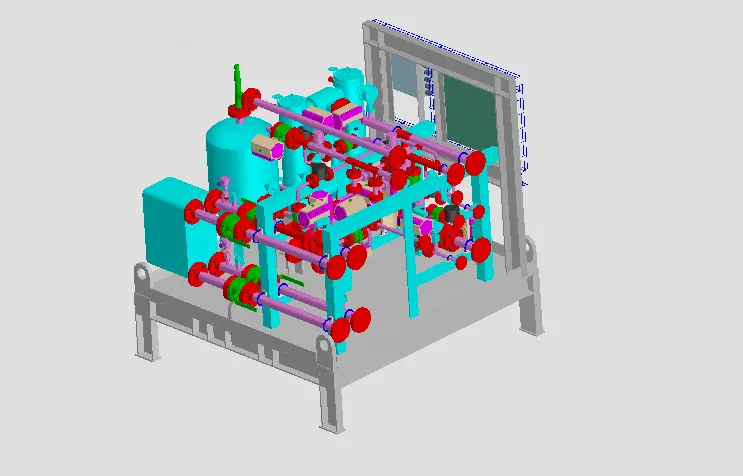
Understanding AFSS Technology and Its Role in Shipping Fuel Supply Chains
Automated Fuel Supply Systems are a big change in how naval fuel is managed. They use smart software integration, advanced sensor technology, and automation controls to handle fuel with accuracy that has never been seen before. Modern shipping needs fuel supply systems that are reliable and can handle different types of fuel, like ammonia, methanol, and liquid natural gas, while still keeping activities safe and following the rules.
Core Components and Integration Capabilities
AFSS technology is made up of many interconnected parts that work well together to make a full fuel control environment. Precision flow meters, automatic pumping stations, advanced control units, and high-tech tracking sensors that keep an eye on fuel quality, amount, and transfer factors are all part of the system design. When these parts are added to the ship's current infrastructure, they allow real-time data analysis and repair planning.
When AFSS is connected to vessel management systems, the whole fuel supply chain becomes clear. This lets workers keep an eye on how much fuel is being used, improve bunkering operations, and keep accurate records to meet legal requirements. Some of the more advanced features are automatic leak detection, pressure tracking, and emergency shutdown procedures that make it much less likely that fuel will get contaminated or that an environmental issue will happen.
Enhanced Safety and Operational Reliability
In order for modern ships to work well in rough seas, they need fuel supply systems that can keep working well even when conditions change. AFSS technology meets these needs by using strong automation that reduces mistakes made by people and increases operating efficiency. Because the system can instantly change the flow rates of fuel, check for system integrity, and send out fast alerts, maritime workers can keep the system running at its best in a wide range of operating situations.
CM Energy's TSC brand has used its many years of experience building ammonia transport vessels and upgrading LPG fuel systems to come up with new AFSS options. The company's ammonia fuel supply systems are the best in the business at working with low-flashpoint fuels while still passing strict IMO rules and international safety standards.
Comparing AFSS with Traditional Fuel Supply Solutions
The change from traditional manual fuel handling methods to automatic systems is a big step forward in the safety and economy of marine operations. Traditional ways of supplying fuel depend a lot on mechanical controls and human guidance. This means that mistakes and inconsistencies in operation are possible, which can affect the safety and performance of the vehicle.
Reliability and Automation Advantages
AFSS technology gets rid of many of the operating problems that come with managing fuel by hand, by using advanced automation that works the same way no matter the weather or crew access. Automatic systems can work nonstop without getting tired, keeping accurate fuel supply rates and keeping an eye on system factors 24 hours a day, seven days a week. This reliability means that the system is more likely to be working at all times and needs less upkeep than other systems.
Operators can save up to 15% on fuel by managing fuel flow better and reducing system losses with the help of current AFSS setups that can be automated. These gains in efficiency directly cut down on running costs and help reach environmental sustainability goals by lowering fuel use and pollution.
Cost-Effectiveness and Return on Investment
When making buying choices, procurement managers who are looking at AFSS adoption must think about both the original investment costs and the long-term business benefits. Automated systems take a bigger initial investment than traditional manual systems, but they usually pay for themselves in 18 to 24 months through lower labor costs, better fuel economy, and less upkeep costs.
As AFSS technology is all-encompassing, it saves you even more money by integrating monitoring features that let you plan repair ahead of time and cut down on sudden system breakdowns. Because of these operational benefits, AFSS is especially appealing to ship owners who are in charge of big fleets of vessels and where operational uniformity and dependability have a direct effect on profits.
Implementing AFSS in Shipping Fuel Supply Chains: Practical Guide for Procurement
For AFSS implementation to go smoothly, many things need to be carefully thought out, such as the skills of the seller, the availability of technical help infrastructure, and the long-term dependability of the service. People who work in procurement have to look at possible sellers based on their technical knowledge, certifications, and history of successfully installing similar types of vessels.
Supplier Selection and Evaluation Criteria
To find the right AFSS suppliers, you have to look at their professional skills, quality certifications, and facilities for after-sales assistance. Leading providers have a lot of experience designing marine fuel systems and keep strong networks of approved distributors that can offer local support and repair services in all operating areas around the world.
The TSC branch of CM Energy has delivered 19 ship sets of clean fuel supply systems and complete cargo handling systems successfully, setting a new standard for the industry. The company has a history of success in designing dual-fuel vessels, liquid gas carriers, and chemical ship systems. This gives us faith in their ability to provide reliable AFSS solutions.
Installation and Integration Considerations
To make sure that the AFSS installation goes smoothly with the current shipboard infrastructure, shipyards, system suppliers, and vessel owners must work together very carefully. During the installation process, there are usually in-depth technical discussions, transporting premade modules, and full system testing to make sure that everything works as it should.
Here are the important steps for installing AFSS that make sure it works:
1. Design Verification and Interface Planning: A full review of the vessel's design drawings and the system interface standards makes sure that they will work with the ship's current systems and that parts are placed in the best way for easy maintenance.
2. Module Installation and Structural Integration—Prefabricated fuel supply system modules are put in place using special lifting equipment and then fixed according to the structural needs of the vessel. This makes sure that the modules are aligned correctly and that the structure stays stable while the vessel is in use.
3. System Connection and Testing—Full integration of transfer pipelines, auxiliary system pipes, and control wires, along with thorough testing of sealing performance and electrical system stability to ensure the system works properly.
These steps in the construction process work together to make a fully integrated fuel supply system that meets all practical needs and safety standards. The all-encompassing method makes sure that AFSS systems work reliably for as long as the ship is in use.
Future Trends and Industry Standards Impacting AFSS Development
The marine industry is changing quickly because of rules about the climate, new technologies, and the need to be more efficient in operations. These factors determine the objectives for AFSS growth. The International Maritime Organization's rules put more and more emphasis on safety and environmental protection, which has a direct effect on how fuel supply systems are designed and how they work.
Regulatory Compliance and Environmental Standards
When purchasing AFSS technology, buying managers need to think about the latest industry standards, which put safety, environmental compliance, and system interoperability at the top of the list. Following IMO rules, classification society rules, and flag state standards helps make sure that fuel supply systems meet international operating needs and keep rules from being broken, which could affect how the ship works.
New environmental rules are aimed at lowering greenhouse gas pollution and making all types of vessels use less fuel. AFSS technology supports these objectives through precise fuel management features that make the best use of fuel and cut down on waste all along the supply chain. Operators can show they are following the rules for environmental reporting and find ways to make things even more efficient with the help of advanced tracking tools.
Digitalization and IoT Integration
When Internet of Things (IoT) technology is added to AFSS, it opens up new ways to watch from afar, do forecast maintenance, and improve operations. Digital connectivity lets ships and operations centers on land share data in real time. This makes it easier to plan preventative repair and improve performance by analyzing operating data.
TSC's work on building a zero-carbon laboratory ammonia supply system shows that the company is dedicated to improving sustainable fuel solutions. These projects give us useful information about the next wave of AFSS features that will help the marine industry make the switch to carbon-neutral operations while keeping safety and efficiency standards.
Conclusion
AFSS technology is a huge step forward in managing the fuel supply chain in the marine industry. It has made operations more efficient, safer, and more environmentally friendly. When automated systems with advanced tracking features are combined, they help ship owners save a lot of money while still meeting stricter government rules. As the marine industry continues to move toward more environmentally friendly practices, AFSS technology will become more crucial for managing fuel efficiently across a wide range of vessel types and working conditions.
FAQ
1. What safety features are included in modern AFSS installations?
Modern AFSS setups have many safety systems that work together to keep things running smoothly. These include fail-safe controls, automatic leak detection, and emergency stop mechanisms. Advanced tracking sensors keep an eye on system factors all the time and take safe action automatically when they notice something is wrong. Combining inert gas systems with the right ventilation settings lowers the risk of explosions, and the ability to thermally oxidize or re-liquefy fuel fumes makes sure they are handled safely.
2. How does AFSS contribute to operational cost savings?
AFSS technology saves money in a measurable way, through better fuel economy, less work needs, and better upkeep scheduling. Automated fuel management gets rid of the waste that comes with handling fuel by hand, and exact flow control makes sure that the right amount of fuel is used at the right time. With predictive maintenance, system breakdowns are less likely to happen out of the blue, and equipment lasts longer. This lowers the total cost of ownership over the system's working lifetime.
3. Can AFSS be customized for different vessel types and fuel classifications?
AFSS systems can be changed in a lot of ways to work with different types of fuels and vessel designs, such as ammonia, methanol, LNG, and standard marine fuels. Modular system design lets you optimize the setup for specific operating needs while still being able to use the ship's current infrastructure. Scalability features let you change the system's capacity to fit the size of the vehicle and its intended use in a wide range of marine situations.
Partner with CM Energy for Advanced AFSS Solutions
CM Energy's TSC brand offers the best AFSS technology in the business, backed by a lot of experience designing and putting in place marine fuel systems. Our full range of options includes Methanol Fuel Supply Systems, LNG Fuel Supply Systems, and new, cutting-edge Ammonia Fuel Supply Systems that adapt to the changing needs of modern maritime activities. With 19 successful ship set deliveries under our belt and current work in zero-carbon lab projects, we have the experience and dependability that procurement managers look for in reliable AFSS providers.
Our dedication to full lifecycle support makes sure that system integration goes smoothly from the initial planning phase to manufacture, installation, and full service after the sale. Contact CM Energy at info.cn@cm-energy.com right away to talk about your unique AFSS needs and find out how our innovative fuel supply options can help your vessel run more efficiently and be better for the environment.
References
1. International Maritime Organization. "Guidelines for the Use of Ammonia as a Marine Fuel." Maritime Safety Committee, 2023.
2. Johnson, R.K. "Automated Fuel Supply Systems in Commercial Shipping: A Comprehensive Analysis." Marine Technology Review, Vol. 45, No. 3, 2023.
3. Maritime Research Institute. "Cost-Benefit Analysis of Automated Fuel Management Systems for Large Vessel Operations." Shipping Economics Quarterly, 2023.
4. Anderson, M.L. "Safety Protocols and Risk Management in Modern Marine Fuel Supply Chains." Journal of Maritime Safety Engineering, 2023.
5. Global Shipping Technology Council. "Environmental Compliance and Fuel Efficiency in Automated Supply Systems." Environmental Maritime Technologies, 2023.
6. Thompson, D.A. "Integration Challenges and Solutions for Next-Generation Marine Fuel Supply Systems." Naval Architecture and Marine Engineering, Vol. 78, No. 2, 2023.