Best Marine Cranes for Offshore Platforms and Vessels 2026
In 2026, procurement workers looking for the best Marine Cranes for offshore platforms and boats should think about cutting edge lifting options that are safe, reliable, and efficient. Today's offshore operations need specialized gear that can handle complicated shipping operations in rough seas. For vessels ranging from FPSO units and bulk ships to platforms for installing offshore wind turbines, Marine Cranes are the peak of offshore lifting technology. They provide precise control and reliable performance. Electrohydraulic power units and wire rope luffing mechanisms work together in these high-tech lifting systems to make them very useful in a wide range of marine situations.
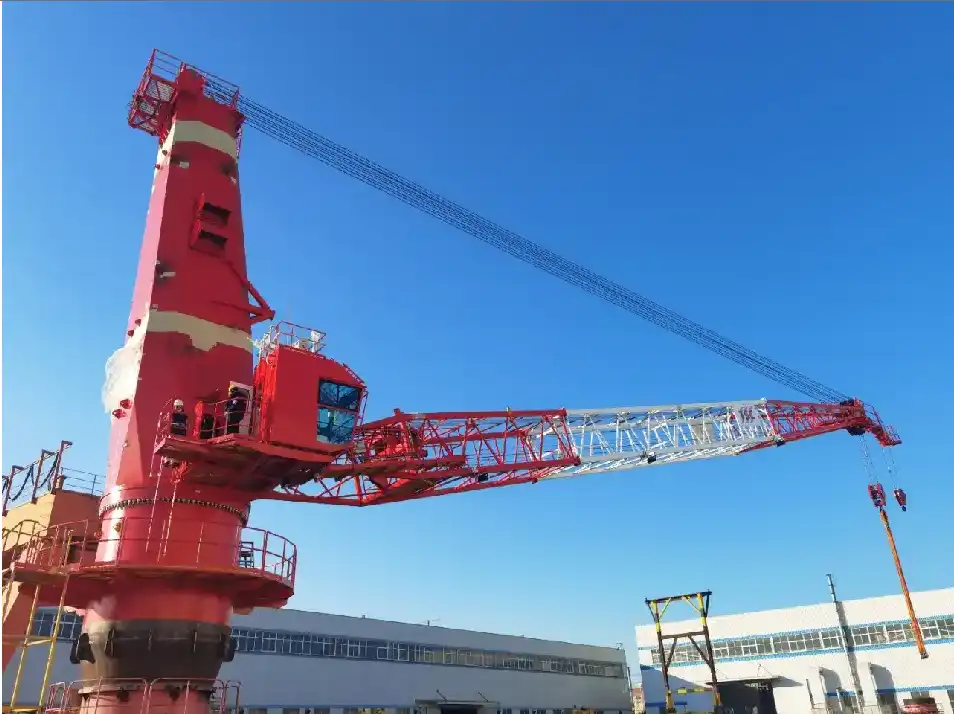
Understanding Marine Cranes for Offshore Platforms and Vessels
Marine Cranes are specialized lifting equipment made to work in the rough conditions that are present on ocean sites and ships. A mix of mechanical and hydraulic technologies makes these complex systems work. They can move heavy loads with precision and power in rough sea settings.
Fundamental Operation and Core Technologies
Electrohydraulic power units in TSC Marine Crane enable operation regardless of sea conditions. Wire rope luffing mechanisms with cutting-edge control technologies maintain precision while moving cargo. Strong structural designs handle constant marine environment stress. Crane pedestals hold control rooms with high-tech tracking systems. Optional wireless remote controls meet safety standards for offshore operations.
Key Types and Applications
Fixed naval lifting systems maximize stability and load capacity, integrating perfectly with ship deck configurations. Their simple mechanical design reduces maintenance and increases uptime. Knuckle boom designs offer flexibility with articulated joints, improving load placement in space-limited areas. TSC Marine Crane slewing technologies provide 360° operating coverage, allowing full deck coverage from a single installation point.
How to Choose the Best Marine Crane for Offshore Use?
To choose the best offshore lifting equipment, you need to carefully look at performance measures, working needs, and environmental factors that have a direct effect on the success of operations.
Critical Performance Assessment
Load capacity review looks at more than just the maximum lifting capacity. It also takes into account the operating radius and the dynamic load factors that are common in marine settings. When making good procurement choices, it's important to think about how moving vessels can affect lifting operations and make sure that the tools chosen can keep operations safe in all kinds of sea conditions.
An operational stability review of Marine Cranes looks at the design of the boom, the counterweight systems, and the base standards that make sure the equipment works reliably throughout its operational envelope. Modern designs use high-tech systems that check for security and give real-time feedback on how things are working.
When evaluating environmental flexibility, things like corrosion resistance, temperature working ranges, and weather safety systems that are needed for long-term offshore activities are looked at. Classification society certificates from DNV, ABS, BV, LR, and CCS set uniform standards for how safe and reliable technology is.
Strategic Technology Comparison
Hydraulic systems have a history of being reliable and strong, making them perfect for heavy-duty marine uses. These systems have exact control features and great power-to-weight ratios that make the best use of deck room. Maintenance procedures for hydraulic systems have been improved over many years of experience working abroad. These procedures include set times for servicing and replacing parts.
Electric drive options use less energy and have less of an effect on the environment while still meeting operating performance standards. With these systems, vessel power control systems work with them without any problems. They may also lower running costs by making better use of energy.
Configuration Considerations
Fixed boom designs offer the highest level of structural stability and make upkeep easier, making them perfect for regular cargo handling tasks. Because they are well-made, they last longer and require less complicated upkeep procedures.
Alternatives to knuckle booms give you more operating freedom by having articulated design features that let you precisely place loads and store them in small spaces. In situations where room is limited or where the system needs to be reconfigured often, these systems work very well.
Top Marine Crane Manufacturers and Products in 2026
In the global marine lifting equipment market, there are both well-known companies that have used their products abroad before and new companies that are using cutting-edge technology to make the business better.
TSC Marine Crane Excellence
TSC creates and makes top-notch marine lifting solutions that use cutting-edge technology and have been proven to work. TSC Marine Cranes are great at moving goods between ships and remote installations thanks to their innovative wire rope luffing systems that are designed to work best with large deck spaces.
The wide range of products offered by TSC includes specialized options that can be used instead of knuckle boom or telescoping cranes while providing better performance. Built-in electrohydraulic power units make operation reliable, and fully functional control rooms placed carefully on crane pedestals make it easy for operators to see and control the system.
The engineers at TSC are qualified experts who have worked on a wide range of overseas projects, from simple ones to more difficult ones. With this kind of knowledge, flexible, low-cost solutions can be made and provided on time to meet the strict needs of a project. Classification society certifications from CCS, DNV, ABS, BV, and LR show that TSC goods are of high quality and can be trusted in all places around the world.
Advanced Features and Customization
Modern marine lifting equipment has advanced overload safety systems, the ability to do more than one job at the same time, and remote repair technologies that keep operations running as smoothly as possible. Modular hydraulic power unit designs make the best use of room while giving you a lot of choices for how to set them up to fit different types of vessels.
Operator rooms that are soundproof and have flexible suspension systems make sure that workers are comfy during long operations. Making regular repair places easy to get to cuts down on service time and costs over the lifecycle of an item.
Optimizing Marine Crane Performance and Safety on Offshore Platforms
To improve operational safety and efficiency, you need to take a thorough approach to performance improvement that takes into account common operational problems and uses tried-and-true best practices.
Common Operational Challenges
Marine settings have faster mechanical wear because of the ongoing exposure to saltwater, changes in temperature, and changing loads. These problems can be solved by proactive maintenance practices that include regular inspection plans and strategies for replacing parts before they break. This makes equipment last longer.
Corrosion, thermal cycling, and dynamic loads are some of the environmental stress factors that need special safety systems and upkeep methods. Modern coating systems protect against the marine climate for a long time, and regular care keeps them working well.
Essential Maintenance Best Practices
Checking the structural integrity, checking the performance of the hydraulic system, and calibrating the control system are all part of routine inspection processes. These organized methods find possible problems before they affect the availability of operations and allow schedule of proactive maintenance.
Lubrication methods made just for marine settings make sure that parts work perfectly and last longer between service visits. Specialized marine oils protect better against saltwater pollution and the wide range of temperatures that are common in offshore work.
Safety Guidelines and Compliance
Risk assessment methods designed for offshore activities take into account the unique dangers of marine environments, such as the effects of moving vessels, the effects of bad weather, and the need for emergency response. Comprehensive safety measures make sure that processes stay within acceptable risk levels even when conditions change.
Marine-specific operational methods and safety measures are emphasized in operator training programs to deal with the unique challenges of offshore lifting operations. Certification programs make sure that workers stay up to date on the latest safety rules and best practices for their jobs.
Emergency reaction plans made just for marine settings cover things like broken equipment, bad weather, and medical issues that might happen while working offshore. Regular drills make sure that the crew is ready to respond and that they can do it well.
2026 Safety Certifications and Standards
Safety certifications today are based on changing industry standards that take into account new technologies and operating experience gained from working abroad around the world. Following the rules set by foreign regulators makes sure that equipment meets high safety standards and keeps working efficiently.
New rules from the classification society take into account what was learned from operations and improvements in technology that make things safer and more reliable. Updating your certifications on a regular basis makes sure that you continue to meet changing business standards.
Trends and Innovations Shaping Marine Cranes for Offshore Platforms in 2026
Offshore lifting is changing all the time thanks to new technologies like improved automation, better control systems, and tracking systems that work together to make operations safer and more efficient.
Traditional System Limitations
Traditional hydraulic systems have problems with how much energy they use and how they affect the environment. This is what drives innovation toward more environmentally friendly ways of doing things. Control systems that are too old don't have the accuracy and tracking features that current offshore activities need.
When operations have to be done by hand, they are more likely to go wrong and are less efficient in harsh marine settings. Long times of downtime caused by traditional maintenance methods affect project schedules and running costs.
Innovative Solutions and Technologies
Automation technologies in Marine Cranes make it possible to handle loads precisely with less help from people. Advanced control systems take into account how the vessel is moving and keep the load in the right place during lifting operations. These methods make operations safer and more productive, even when things are tough.
Advanced tracking and control technologies allow for more operational freedom through remote operation. Safety standards are maintained. As long as operators stay far enough away from dangerous tasks, they can still fully control lifting activities.
IoT integration lets you keep an eye on machine performance in real time and lets you use predictive repair methods that improve operating availability. When systems are connected, they share a lot of practical data that helps people make smart decisions and improve performance.
Smart Technologies Transformation
Intelligent control systems use high-tech sensors and processing power to automatically make moving activities more efficient. These systems can change to new working situations while keeping safety standards and working efficiently.
Using advanced tracking systems and load monitoring technologies to improve accuracy cuts down on working time while increasing safety margins. Real-time feedback lets workers improve performance while still following strict safety rules.
Using automated safety systems and smart operating controls to cut down on human mistake lowers the risks that come with doing complicated offshore work. Advanced monitoring systems let you know about problems before they get too bad, and automatic systems keep operations safe.
Conclusion
Marine Cranes are an essential piece of offshore infrastructure for a variety of tasks, from installing wind turbines to loading bulk ships with goods. When choosing the right lifting tools, it's important to think about how it will be used, the surroundings, and how well it should work in the long run. Modern solutions combine cutting-edge technologies with tried-and-true dependability to provide outstanding operating capabilities. Because TSC is dedicated to quality and new ideas, their marine lifting solutions are the best in the business for tough overseas jobs. They come with full support services and years of proven experience around the world.
FAQ
1. What factors determine marine crane lifting capacity for offshore operations?
How much weight a boom can lift depends on its length, its operating radius, and dynamic amplification factors that are unique to sea settings. The sea state has a big effect on the functional capacity because it affects how the vessels move, which needs to be taken into account when planning operations.
2. How do you ensure compliance with offshore safety standards?
To be compliant, you have to follow the rules set by the classification society, keep your license up to date, and set up full safety management systems. Proper training for operators and upkeep procedures for tools make sure that compliance stays high throughout the life of the operation.
3. Should we lease or purchase marine lifting equipment?
The choice is based on how long the job will take, how often it will be run, and how much capital is available. Ownership is usually better for long-term projects, while sharing may be better for short-term activities. An study of the total cost of ownership should include the costs of licensing, upkeep, and operating support.
Partner with CM Energy for Premium Marine Crane Solutions
Through our TSC brand, CM Energy offers the best offshore lifting options in the business. We do this by mixing decades of technical experience with the newest technology to meet your most stringent operational needs. Our wide range of Marine Cranes is used in more than 350 sites around the world, showing that they are reliable in a wide range of offshore situations. As a reliable Marine Cranes seller, we offer full lifecycle support, from the initial consultation to installation and ongoing upkeep. Our licensed engineers work closely with people who work in procurement to create unique solutions that keep strict safety standards while also improving business efficiency. Visit cm-energy.com or email info.cn@cm-energy.com to talk to one of our experts about how our cutting-edge marine lifting technologies can help your offshore operations and give you long-term competitive benefits.
References
1. International Maritime Organization. "Guidelines for Marine Lifting Appliances Certification and Operation." IMO Maritime Safety Committee, 2024.
2. American Bureau of Shipping. "Offshore Crane Safety Standards and Classification Requirements." ABS Technical Publications, 2025.
3. Det Norske Veritas. "Marine Crane Performance Standards for Offshore Applications." DNV Maritime Technology Review, 2024.
4. Society of Naval Architects and Marine Engineers. "Advances in Offshore Lifting Technology and Safety Systems." SNAME Annual Conference Proceedings, 2025.
5. International Association of Classification Societies. "Unified Requirements for Offshore Crane Certification and Testing." IACS Technical Standards, 2024.
6. Marine Technology Society. "Emerging Technologies in Offshore Crane Design and Operation." MTS Offshore Technology Conference, 2025.