Can WAPS Reduce Fuel Costs by 30% in Commercial Shipping?
Yes, WAPS can cut the cost of fuel for business ships by up to 30% when they are used correctly. It's not just marketing speak; classification groups like DNV have proven this as a fact, and real-life ship operations back it up. WAPS, especially advanced stiff sail technology like WindWings®, uses wind energy to help with normal movement. This cuts down on fuel use and helps meet stricter Carbon Intensity Indicator (CII) rules. The amount of fuel saved depends on the type of ship, the route chosen, and the amount of wind that is available. However, it is clear that owners of chemical tankers, Newcastlemax bulk carriers, LR2 tankers, and other business vessels could save a lot of money and help the environment.
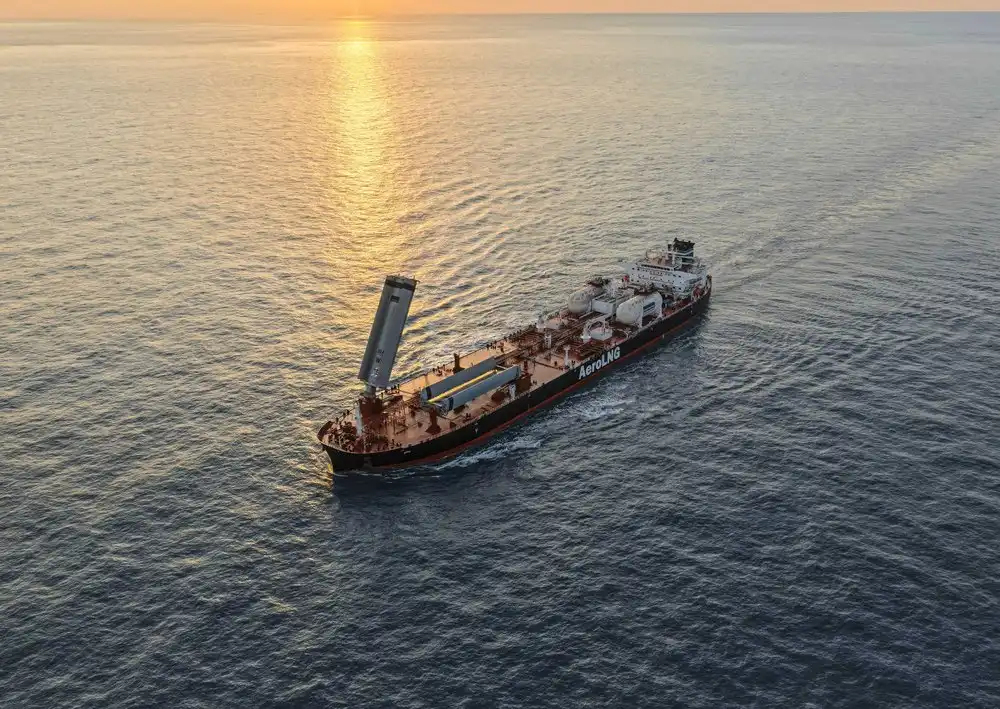
Understanding Wind-Assisted Propulsion Systems in Modern Shipping
What WAPS Technology Really Means for Commercial Vessels
With their cutting-edge technology and nautical roots, Wind-Assisted Propulsion Systems are a step back in time. Modern WAPS are different from traditional sails because they use advanced engineering to efficiently collect wind energy without limiting their operational freedom. These systems work with the current power system without any problems. They add extra speed to the engine, which lowers its load and fuel use. The technology has come a long way since its early initial designs. It is now installed on working ships that travel the world's trade lines.
How WAPS Differs from Conventional Marine Technology
Traditional propulsion depends on fossil fuels or other alternative energy sources for all of its power. This leaves ships open to changes in the fuel market and stricter rules on emissions. WAPS uses a mixed method that uses free wind resources to balance out the use of fuel. The three-element stiff sail design, like WindWings®, is much better at cutting through the air than older cloth sails or even single-wing designs. These systems get the best power output in all kinds of weather and ship directions by changing the sail angle and camber automatically based on real-time wind data.
The Engineering Behind Modern Rigid Sail Systems
WindWings® is the latest example of a breakthrough in wind power technology. This unique system was created with help from BAR Technologies in the UK. It has a three-part stiff wing made of ship-grade steel and industrial E-glass composites. The design lets you fully change the slope and angle of attack, which makes sure that the aerodynamic efficiency is at its best, no matter which way the wind is blowing. The system's efficiency claims are backed up by independent checks by the Wolfson Unit and approval by DNV. Unlike passive sails, WAPS actively optimises itself through automatic control systems that watch environmental conditions and vessel factors. This consistently saves fuel without crew members needing to know a lot about sailing.
The Economics of Fuel Reduction Through Wind Propulsion
Quantifying Real-World Fuel Savings
The 30% fuel savings number isn't just a guess; it's based on actual results on working ships. A single 37.5-meter WindWing® installation can save around 1.6 tonnes of fuel every day per wing, which is equal to a daily drop of over 5 tonnes of CO2. The total savings are huge when more than one wing is added to a bulk ship or tanker. Route choice is very important. Ships that travel on routes with favourable wind patterns, like crossing the Atlantic or Pacific, save the most money, but ships that travel on less windy routes still save a lot of money.
Breaking Down Cost Benefits Beyond Fuel
Most shipping companies spend 50 to 60 percent of their journey costs on fuel, which is their biggest business cost. Even cutting waste by 20 to 25 percent can save a lot of money over the life of a ship. In addition to saving fuel directly, WAPS systems improve CII ratings, which helps owners avoid fines and keep charterers who care about the environment. The system is designed to last 25 years without replacing any important parts. This means that the return on investment (ROI) lasts much longer than the original payback periods. Usually, the ROI is reached within five years, even with conservative operational assumptions.
Route Optimization and Performance Monitoring
The WindWings® system from CM Energy has advanced weather planning features made just for wind-assisted boats. The web-based tool gives both teams on land and crew members on board real-time information about push performance and route suggestions that make the best use of wind power. This automated workflow tool turns trip planning from a task that needs to be done by hand into an exercise in data-driven optimisation, finding routes that are the best mix of distance, weather patterns, and wind available. The system's IoT tracking features allow for continuous performance evaluation, which lets managers confirm fuel savings and change operating practices to get the most out of the system's benefits in a variety of trade patterns and seasonal conditions.
WAPS Integration Across Different Vessel Types
Installation Considerations for Bulk Carriers and Tankers
Because their routes are usually the same and their decks are big, bulk ships are great options for Wind-Assisted Propulsion Systems. WindWings® installations are placed between cargo holds in a way that makes it easy for hatch covers to work and for cargo handling equipment to talk to them. Because the system can turn into a laydown position, it stays safe from deck machines while it's being loaded and unloaded. Ships with these systems have made calls at more than 20 major ports around the world without any problems, showing that they can work with the current port infrastructure and cargo handling processes.
Retrofit Solutions for Existing Fleets
Operators don't have to order brand-new ships to get the benefits of wind power. CM Energy has custom upgrade options that can add WAPS technology to vessels that are already in use. The compatibility analysis method looks at working patterns, structural needs, and stability concerns to find the best wing size and placement. Before systems are delivered and installed on board, they are put through factory acceptance testing to make sure they meet the standards of the classification society. With this upgrade feature, shipping companies can make current assets more competitive for longer, meet decarbonisation goals, and keep their vessels from having to be retired too soon.
Newbuild Integration and Future-Proof Design
Shipyards and design companies are becoming more and more aware that wind-assisted propulsion is necessary to make sure that vessel specs are ready for the future. Including WAPS in the planning stage improves the layout of structures, the way power is distributed, and the structure of the control system. CM Energy helps with all aspects of class approval and works directly with DNV, BV, LR, and CCS to make the certification process easier. Because of these partnerships, yards can give green options that are ready to go and meet the environmental performance standards of charterers. The flexible design lets wings be moved from one ship to another, which gives the fleet freedom as it changes over time.
Technical Features That Deliver Consistent Performance
Automated Control and Safety Systems
The wing control system takes away all the hassle of operations by fully automating them. However, the team can still use the human override feature if they need to. Health tracking and safety alarms keep the operators informed about the state of the system at all times, so they know when maintenance is needed before small problems get worse. This method is similar to how deck cranes work, which is a common way for maritime workers to do things. It cuts down on the need for training and practical hesitation. The electrical power system doesn't use many of the ship's resources, so WAPS can be installed on ships that can't generate a lot of extra power.
Durable Construction for Marine Environments
Marine equipment has to be able to handle being exposed to saltwater, high temperatures, vibrations, and mechanical stress. Marine-grade hydraulics and control parts are used in WindWings® buildings so they can work continuously in harsh situations. The balance between strength, weight, and speed is achieved by using steel structure parts and composite aerodynamic surfaces. When you buy raw materials from sources that are ISO-certified, they go through strict quality control, and a full classification society certification shows that they meet international marine standards. This strong construction means that it will work reliably for decades without needing to change parts often or having sudden breakdowns.
Operational Flexibility Across Weather Conditions
One of the best things about WAPS technology is that it can adapt to changing conditions instead of needing specific weather windows. The system has several operating modes that are best for tracking, docking, and extreme weather. During storms or times of high wind, the wings move to their smallest places. This lowers the wind loads and keeps the ship stable. When the winds pick up again, the automatic alignment brings back the best thrust production without any help from the crew. This adaptability makes sure that WAPS works well in a wide range of operating situations and doesn't cause problems or safety issues that could cancel out the benefits of saving fuel.
Conclusion
In conclusion, Wind-Assisted Propulsion Systems can cut fuel costs by up to 30% in ideal conditions. This makes them an important piece of technology for shipping companies that have to deal with rising fuel costs and stricter environmental rules. CM Energy's WAPS systems combine tried-and-true rigid sail technology with full lifetime support. This lets owners of bulk carriers, tankers, and other industrial vessels save a lot of money while still meeting CII standards. Implementation risk is gone because the technology is mature, as shown by its use in the real world and approval by a classification society. As the need to reduce carbon emissions grows, wind power is seen as more than just an environmental measure. It is also seen as a business necessity that protects margins and makes sure that rules are followed along all global trade routes.
FAQ
1. Can WAPS work effectively on all shipping routes?
When winds are consistently favourable, like on transatlantic and transpacific journeys, wind-assisted transport saves the most fuel. Even on routes with less wind, there are still decreases that are noticeable, usually between 10 and 20 percent. Advanced weather routing systems plan trips to get the most wind advantage, no matter what the base route is like. This makes sure that profits are made even when wind conditions aren't ideal.
2. How does WAPS installation affect vessel operations and port access?
Modern rigid sail systems, like WindWings®, have laydown features that keep the full operating freedom. When the ship is carrying goods, the wings move down, making room for hatch covers and deck gear. WAPS-equipped ships have been able to call at big ports around the world without any problems, showing that they can work with the infrastructure that is already there. The port officials see these systems as extra power that doesn't change how ships dock, navigate, or handle cargo.
3. What maintenance requirements does wind-assisted propulsion technology require?
WAPS repair is a lot like fixing a deck crane, which is something that sailors are used to doing. The automated control systems have health tracking that lets workers know when they need to do maintenance. With CM Energy's long-term repair deals, parts are inspected and serviced on a regular basis, usually once every year or every other year. The strong construction and marine-grade parts reduce the need for unplanned repair, keeping the vessel's high availability throughout its operating schedule.
Why Leading Operators Choose CM Energy's Wind Propulsion Solutions
CM Energy adds decades of experience with maritime tools to the field of Wind-Assisted Propulsion Systems. In the past, we've helped more than 180 self-elevating platforms with their lifting and transportation systems and supplied tools for more than 350 deck cranes around the world. This experience directly leads to WAPS being reliable and running smoothly.
The WindWings® system is cutting-edge technology that was created in collaboration with BAR Technologies. It combines study into aerodynamics with real-world marine engineering. Global approval from DNV, BV, LR, and CCS makes sure that systems meet the highest standards in the business. Real-world proof through working vessel performance shows that promises of fuel savings are not guesses, but actual results.
CM Energy is a wind-assisted power company that cares about its customers' long-term success because it offers full lifecycle support. Our help includes an initial study of compatibility, tests in the plant, installation supervision, crew training, and maintenance packages that are sent out on a regular basis. IoT tracking makes it possible to provide proactive services by finding problems before they affect processes. This all-around method guarantees that customers will save the expected amount of fuel from the very first day and that the system will keep working at its best for the next 25 years.
As the shipping industry moves faster to reduce its carbon footprint, CM Energy offers unique integration choices for both new builds and retrofits. Our engineering team works closely with shipowners, builders, and design firms to come up with solutions that fit the needs of specific routes and operational profiles. CM Energy has wind propulsion technology that can be adjusted to your needs, whether you run chemical tankers that need to move around ports without releasing pollution, Newcastlemax bulk carriers that need to meet CII standards, or coastal boats that need to see a quick return on their investment.
Get in touch with us at info.cn@cm-energy.com to talk about how WAPS technology can improve the fuel efficiency and environmental impact of your fleet. CM Energy and our TSC brand are ready to help you move toward more environmentally friendly and cost-effective shipping operations. We are a well-known WAPS maker with a lot of experience in the marine industry.
References
1. International Maritime Organization, "2023 IMO Strategy on Reduction of GHG Emissions from Ships," IMO Publications, 2023.
2. Chou, T., Kosmas, V., Acciaro, M., and Renken, K., "Wind Propulsion for Commercial Shipping: A Review of the Technologies and Economic Assessment," Journal of Marine Science and Engineering, Vol. 9, No. 10, 2021.
3. DNV Maritime, "Wind-Assisted Propulsion: Class Guidelines and Performance Verification Standards," Det Norske Veritas Group AS, 2022.
4. Lloyd's Register and UMAS, "Closing the Gap: An Overview of the Policy Options to Close the Competitiveness Gap and Enable an Equitable Zero-Emission Fuel Transition in Shipping," Lloyd's Register Marine, 2023.
5. Nelissen, D., Traut, M., and Köhler, J., "Wind-Assisted Ship Propulsion: Matching Technology with Routes and Vessels for Maximum Fuel Savings," CE Delft Maritime Research, 2022.
6. American Bureau of Shipping, "Guide for Wind-Assisted Propulsion Systems Installation and Operation," ABS Technical Publications, 2023.