With our tried-and-true WindWings® Wind Assisted Propulsion System technology, CM Energy, a leading Wind Assisted Propulsion System supplier, is prepared to assist maritime operators in achieving notable fuel savings and environmental advantages. As a reputable provider with extensive support services and worldwide certification, we offer turnkey solutions that yield quantifiable outcomes right away. Get in touch with our knowledgeable staff at info.cn@cm-energy.com to learn how our manufacturing experience with Wind Assisted Propulsion Systems may improve the operational effectiveness and environmental performance of your fleet.
Blog
Top Advantages of Wind Assisted Propulsion Systems for Shipping Efficiency
Wind Assisted Propulsion System technology represents a ground-breaking development in maritime innovation, providing shipping companies with significant fuel and environmental savings. These cutting-edge systems deliver demonstrated efficiency increases of up to 30% across a variety of vessel types by supplementing conventional propulsion techniques with renewable energy from natural wind patterns. By integrating advanced aerodynamics with automated control mechanisms, a Wind Assisted Propulsion System optimizes performance in real-time sailing conditions, making it a crucial component of modern commercial shipping operations.
Understanding Wind Assisted Propulsion Technology
Using WAPS to Address Issues in Contemporary Shipping
Growing fuel prices and stricter environmental laws provide unprecedented hurdles for modern ships. A workable solution that simultaneously takes care of both issues is offered by Wind Assisted Propulsion Systems (WAPS). These advanced systems effectively catch wind energy and transform it into forward thrust, which lessens the strain on main engines, by using state-of-the-art aerodynamic principles. WAPS improves operational effectiveness and promotes sustainability in the maritime sector by utilizing renewable energy.
Using Cutting-Edge Technology to Optimize
Smart sensors and machine learning algorithms are used in Wind Assisted Propulsion Systems technology to continuously evaluate wind conditions and vessel performance. Predictive maintenance plans and optimization algorithms that optimize energy harvesting potential are made possible by this data-driven approach. These technologies are a crucial part of contemporary shipping operations because, according to maritime technology experts, they are revolutionary developments that produce quantifiable improvements in fuel economy and carbon emissions reduction.
Increasing Operational Effectiveness with Real-Time Monitoring
Operators can analyze performance indicators in real-time and modify their sailing tactics as necessary. The combination of big data analytics and IoT technologies offers previously unheard-of visibility into system performance, allowing for ongoing operational efficiency improvements. With this degree of knowledge, shipping firms can make well-informed choices that improve fuel efficiency and promote adherence to environmental laws, ultimately resulting in more environmentally friendly maritime operations.
Key Performance Parameters and Indicators
Important Factors to Consider When Assessing Wind-Assisted Propulsion Systems
The total efficacy of Wind Assisted Propulsion Systems (WAPS) is determined by a number of important factors. The essential metric is still aerodynamic efficiency, which gauges how well the system transforms wind energy into useful thrust. Modern systems perform better in a range of wind conditions, retaining maximum efficiency even in difficult weather situations. In a variety of maritime situations, this capacity is crucial for guaranteeing reliable operation and optimizing the advantages of wind assistance.
Effect on Operating Expenses and Fuel Use
Another crucial indicator that immediately affects operating expenses is the decrease in fuel use. Leading wind-assisted propulsion systems regularly result in significant savings; confirmed reductions range from 15% to 30%, depending on the wind conditions and route factors. WAPS is a desirable investment for businesses looking to improve their financial performance while abiding by environmental rules because these reductions translate into immediate cost benefits and increased profitability for shipping operators.
Considerations for Maintenance and Reliability
Operational availability and system dependability are equally crucial elements. The sturdy construction of contemporary wind-assisted propulsion systems is made possible by the use of marine-grade components and materials intended for challenging maritime conditions. The technology includes automatic technologies that maintain structural integrity over long operating periods and guarantee safe operation during harsh weather occurrences. Furthermore, lifecycle expenses and maintenance needs have a big impact on total ownership economics. The long-term value of the investment is increased by well-designed systems, which reduce maintenance interventions while offering an extended service life that frequently exceeds 25 years with appropriate care and routine inspections.
Core Benefits for Commercial Shipping Operations
Wind-Assisted Propulsion Systems' Revolutionary Benefits
Wind Assisted Propulsion Systems (WAPS) provide revolutionary benefits in a number of operating areas. The most immediate benefit is an increase in fuel efficiency, which has been shown to significantly lower operating costs. Instead of taking the place of current propulsion techniques, these systems enhance them by producing hybrid propulsion designs that maximize energy efficiency. Without requiring major infrastructure changes, this integration enables shipping companies to improve their overall efficiency.
Benefits of Compliance and Environmental Impact
Another strong benefit is the decrease in environmental effect, especially as shipping companies are under increasing pressure to cut carbon emissions. Significant reductions in greenhouse gas emissions are made possible by wind-assisted propulsion systems, which also preserve operational flexibility and dependability. This environmental performance establishes operators as leaders in sustainable shipping practices and promotes adherence to international maritime legislation. By using WAPS, businesses not only reduce their environmental impact but also improve their standing in a market where environmental consciousness is growing.
Improved Route Planning and Operational Flexibility
One of the main advantages of contemporary wind-assisted propulsion systems is their operational flexibility. These technologies consistently improve performance while requiring little crew participation since they automatically adjust to changing conditions. The solution ensures a smooth adoption without interfering with established operational procedures by integrating smoothly with current navigation equipment and vessel systems. Furthermore, another advantage made possible by Wind Assisted Propulsion Systems is improved route planning capabilities. Operators may choose the best sailing routes that maximize wind advantage while preserving schedule reliability with the use of sophisticated weather routing technologies made especially for wind-assisted vessels, significantly increasing operational efficiency and profitability.
CM Energy's WindWings® Technology Advantages
Using WindWings® Technology for Innovative Leadership
With its cutting-edge WindWings® technology, CM Energy, which operates under the TSC brand, has made a name for itself as a top producer in the Wind Assisted Propulsion System industry. By producing more than 2.5 times the lift capacity of traditional single-wing designs, this unique three-element rigid sail system uses cutting-edge materials and computerized control systems. This outstanding achievement illustrates CM Energy's dedication to advancing maritime technologies and improving shipping energy efficiency.
Operational safety and thorough certification
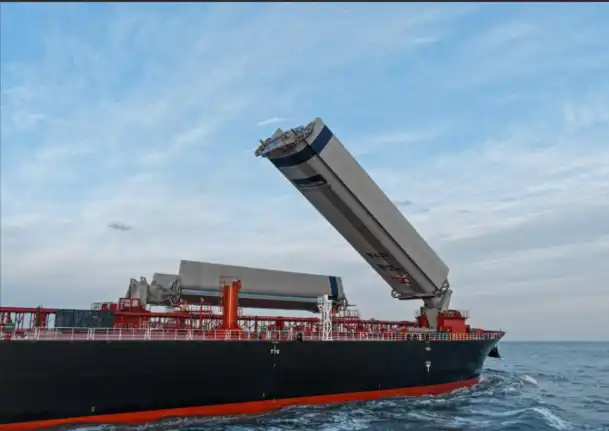
The TSC WindWings® system has extensive class approvals from reputable certification organizations like Bureau Veritas, Lloyd's Register, and DNV. This certification base guarantees adherence to international marine standards while giving operators assurance regarding system performance and dependability. CM Energy's strategy blends state-of-the-art engineering with useful operational concerns, in contrast to rivals who provide rudimentary wind assistance solutions. The WindWings® system successfully addresses practical operational issues that other Wind Assisted Propulsion Systems frequently ignore by including advanced tilt mechanisms that permit safe operation during container handling activities and port operations.
Lifecycle Assistance and Optimizing Investment Gains
From initial installation through continuous maintenance and performance enhancement, CM Energy's global service network offers complete lifecycle support. With this full-service strategy, operators can minimize operating disruptions and optimize the return on their investment in Wind Assisted Propulsion Systems. CM Energy reaffirms its commitment to client satisfaction and the long-term success of its clients in the maritime sector by providing customized assistance during the whole lifecycle of the WindWings® technology.
Maximizing Benefits Through Strategic Implementation
Considerations for Effective Deployment of Wind Assisted Propulsion Systems
Vessel features and operational profiles must be carefully taken into account for the successful deployment of Wind Assisted Propulsion Systems (WAPS). Because systems function best on routes with favorable wind patterns and sufficient sailing distances, route analysis is essential to identifying possible benefits. Operators can optimize the benefits of WAPS and guarantee a more effective trip by carefully analyzing the desired working environment.
Required Adjustments and Crew Education
To properly incorporate Wind Assisted Propulsion Systems, vessel changes can be required. In order to enable automated control systems, these alterations usually entail electrical system upgrades and structural enhancements. While preserving vessel certification and operating safety, working with seasoned suppliers guarantees correct integration. Another crucial component for optimizing system advantages is staff training. Even though Wind Assisted Propulsion Systems run mostly on their own, crew members still need to be aware of basic safety and operational standards. Crew members can successfully handle the system during operations thanks to thorough training programs that guarantee seamless implementation and peak performance.
Constant Improvement with Performance Tracking
Wind Assisted Propulsion System functioning can be continuously optimized through data analysis and performance monitoring. Opportunities for additional efficiency gains and operational improvements are found by routine examination of fuel use, wind conditions, and system performance data. By using these insights, operators may make well-informed decisions that improve WAPS's operational efficacy, which will eventually result in higher fuel savings and a smaller environmental impact.
Implementation Considerations and Best Practices
Crucial Elements of a Successful Wind-Assisted Propulsion System Implementation
Implementing a Wind Assisted Propulsion System (WAPS) successfully depends on a number of crucial aspects. In order to maintain classification society compliance, vessel structural analysis guarantees sufficient strength to withstand system loads. A competent engineering evaluation guarantees that correct installation processes are followed and assists in identifying any necessary modifications. The safe and effective integration of WAPS into current boats depends on this comprehensive assessment.
Compliance with Operations for Cargo Handling
Compatibility with cargo handling is a crucial factor for tankers and bulk carriers. The design elements of contemporary wind-assisted propulsion systems allow for uninterrupted cargo operations. Systems can avoid cargo handling machinery while preserving structural integrity thanks to tilt mechanisms. This adaptability improves overall operational efficiency by ensuring that the incorporation of wind propulsion technology does not interfere with crucial cargo activities.
Optimizing Weather Routing and Planning Maintenance Effectively
To reduce operating disruptions, maintenance planning must be coordinated with current vessel maintenance schedules. Programs for preventive maintenance assist guarantee the best possible system performance while prolonging its useful life and upholding safety regulations. Additionally, while using Wind Assisted Propulsion Systems, weather routing optimization becomes crucial. Operators can find routes that optimize wind advantage while taking timetable constraints and safety considerations into account with the use of specialized routing software. Operators may improve the efficiency and dependability of their WAPS and lessen their impact on the environment by incorporating these cutting-edge tools.
Conclusion
Wind-assisted propulsion systems are a well-established, tested technology that offers significant advantages for contemporary shipping operations. These systems are crucial investments for forward-thinking maritime companies due to their increased fuel economy, environmental benefits, and operational flexibility. Wind Assisted Propulsion Systems offer a workable solution to accomplish economic and environmental goals while upholding operational dependability and performance standards as the maritime sector continues to transition toward sustainable practices.
Frequently Asked Questions
Q1: How much fuel can Wind Assisted Propulsion Systems save?
A: Depending on the features of the trip, the prevailing wind conditions, and the operational profiles of the vessel, Wind Assisted Propulsion Systems can save fuel between 15% to 30%. Lower operational expenses and carbon emissions are closely correlated with these reductions.
Q2: Are Wind Assisted Propulsion Systems suitable for retrofitting existing vessels?
A: It is possible to adapt existing bulk carriers, tankers, and other commercial vessels with contemporary Wind Assisted Propulsion Systems. Expert analysis maintains classification society approval while guaranteeing conformity with vessel structural and operating needs.
Q3: What maintenance requirements do Wind Assisted Propulsion Systems have?
A: Like other marine equipment, Wind Assisted Propulsion Systems need routine inspections and preventive maintenance. When properly maintained, well-designed systems have a prolonged operational life of more than 25 years.
Partner with CM Energy for Advanced Wind Assisted Propulsion Solutions
References
International Maritime Organization. "Guidelines for the Development and Implementation of Wind-Assisted Propulsion Systems." IMO Maritime Safety Committee, 2023.
Maritime Technology Research Institute. "Performance Analysis of Modern Wind Assistance Technologies in Commercial Shipping Applications." Journal of Marine Engineering & Technology, 2023.
Lloyd's Register. "Classification and Certification Requirements for Wind Assisted Propulsion Systems in Commercial Vessels." Technical Bulletin Series, 2023.
European Maritime Safety Agency. "Environmental Impact Assessment of Wind Assisted Propulsion Technologies in European Waters." EMSA Technical Report, 2023.
American Bureau of Shipping. "Structural Design Guidelines for Wind Assisted Propulsion System Installation on Commercial Vessels." ABS Technical Standards, 2023.
International Association of Classification Societies. "Harmonized Requirements for Wind Assisted Propulsion Systems Certification and Operation." IACS Technical Publication, 2023.

(852) 3919 6300