Where to Find the Best LNG System Deals in China?
China is the world's center for buying LNG Fuel Supply Systems, giving companies access to options that are both cost-effective and technologically advanced. There are many top companies, like CM Energy (TSC), that offer complete FGSS systems at reasonable prices and with a lot of making options. There is a unique range of high-pressure and low-pressure systems on the Chinese market. There are also full integration services and strategic agreements that make sure the quality meets international marine standards.
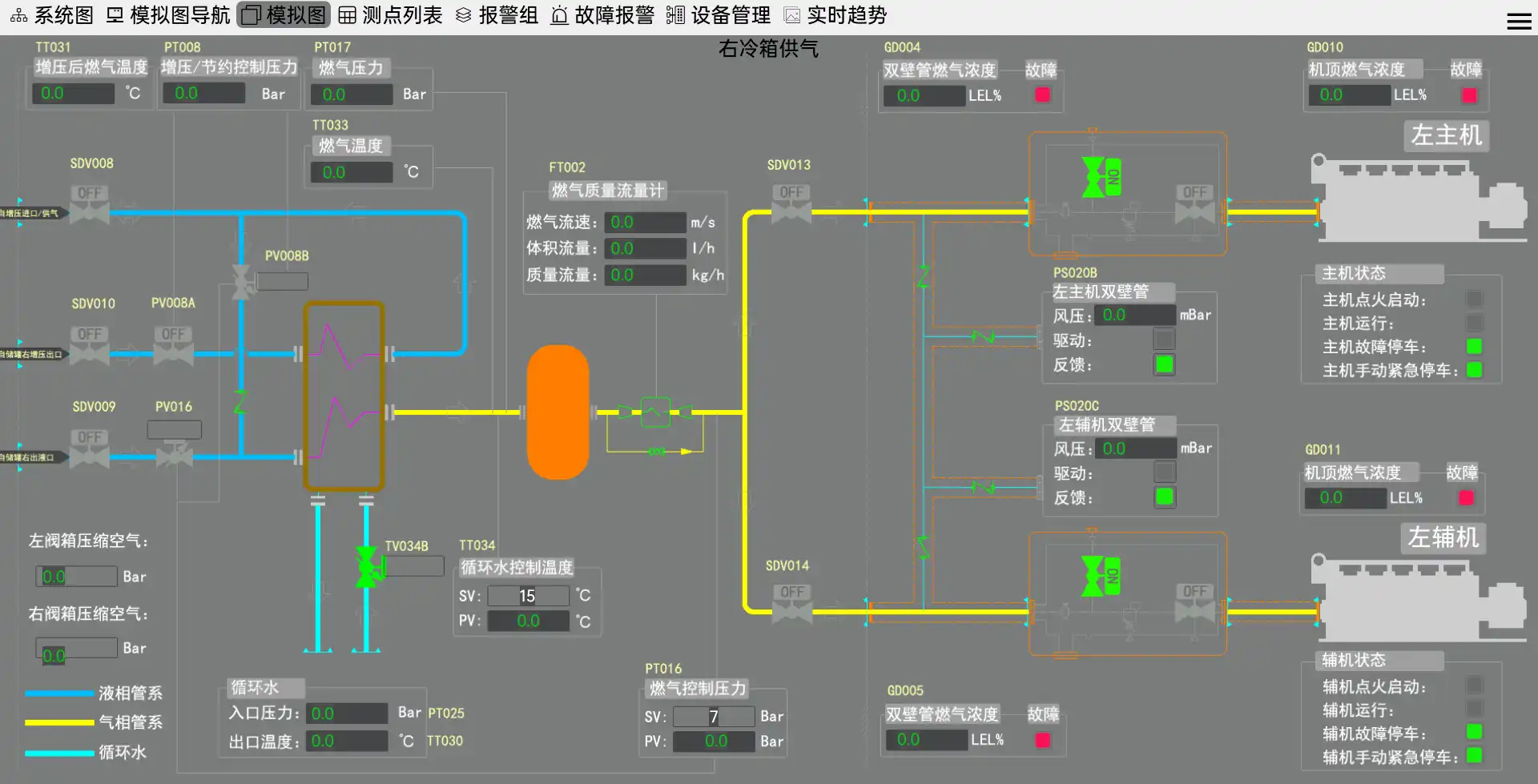
Understanding LNG Fuel Supply Systems in the Global Maritime Market
For ships to be sustainable, it needs methods that give LNG fuel, which are cleaner and more efficient. There are heating, air settings, cold tanks, and safety measures in these devices. Plus, they can work with different kinds of boats and engines that use high or low pressure.
Market Dynamics and Growth Drivers
Because of tougher pollution rules and the need to cut costs, the market for LNG Fuel Supply System is growing around the world. Chinese companies like CM Energy create new products, use economies of scale, and are good at putting together marine solutions that work together to help them grow.
Technology Evolution and Standards
Modern LNG fuel systems use advanced technology, the ability to watch from afar, and stricter safety rules. Adding digital control systems makes it possible to precisely handle fuel, find the best ways to use it, and plan repairs ahead of time. These advances in technology mean lower operating costs and higher efficiency for people who run ships.
Comprehensive Analysis of LNG System Applications Across Vessel Categories
LNG fuel systems are used on a wide range of types of ships, and each type has its own operating needs and system requirements. Knowing about these uses helps buyers figure out the best ways to source products and write technical specs.
Bulk Carriers and Tanker Applications
Large bulk ships with medium to very large loads can save money on fuel costs and make sure they meet emission standards with LNG Fuel Supply System. Most of the time, these ships need strong, large systems that can keep working for long lengths of time. LR1, LR2, VLCC, and ULCC crude oil ships use LNG systems to meet strict environmental rules while still being able to operate in a variety of ways. It takes careful planning and professional installation services to connect fuel gas supply systems to a ship's current infrastructure. Chemical trucks and LPG haulers have different needs because of concerns about cargo suitability and stricter safety rules. Extra safety measures and special materials are built into LNG fuel systems for these uses to make sure they work properly.
Specialized Vessel Categories
Very Large Ammonia Carriers (VLACs) and Very Large Ethane Carriers (VLECs) are new market groups that have special needs for LNG systems. Because these ships have different working patterns and ways of handling goods, they need solutions that are made just for them. Pure Car/Truck Carriers (PCTCs) gain from LNG systems because they lower their costs to run on lines that go through a lot of times. Because these ships have to be small, they need system setups that make the best use of room to carry as much goods as possible while still making sure that the fuel system is easy to reach. Platform Supply boats (PSVs) and Offshore Support Vessels (OSVs), which are offshore support boats, use LNG systems to save money and protect the environment in critical offshore settings. A lot of the time, these uses need custom system setups that can handle changing operating loads and dynamic placement needs.
Emerging Applications and Future Trends
More uses for LNG fuel systems are opening up thanks to Floating Production Storage Offloading (FPSO) units. Integrated energy management systems help these sites get the most out of their fuel use for both production and operating needs. Green hydrogen generation ships with LNG hybrid systems show how the industry is changing to provide more advanced clean energy options. These specialized ships have both LNG fuel systems and the ability to make hydrogen, which makes them ideal for environmentally friendly marine activities.
Global Supply Chain Dynamics and Market Analysis
The global LNG Fuel Supply System supply chain shows that industrial skills are focused, with China becoming the main output hub. This focus shows that the country is good at making things, has low costs, and has a complete supply chain system.
Regional Manufacturing Capabilities
Chinese companies, like CM Energy, give full services and use combined production, supply networks, and quality control systems to stay ahead of the competition. European companies rely on specific technologies and work with Chinese partners to cut costs. When it comes to high-end, specialized uses, Korean and Japanese makers are the best. They focus on precise engineering and robotics.
Market Demand Patterns
LNG fuel system demand is driven by regional shipping activity, environmental regulations, and fuel infrastructure. Asia leads in growth, while Europe focuses on compliance with stringent emission standards, creating opportunities for suppliers offering advanced, certified systems.
Sourcing Channels and Procurement Strategies
Successful LNG fuel system procurement requires understanding diverse sourcing channels and their respective advantages. Each channel offers distinct benefits depending on buyer requirements, technical specifications, and commercial objectives.
Direct Manufacturer Relationships
| Advantages | Considerations |
|---|---|
| Competitive pricing through eliminated intermediaries | Higher minimum order quantities |
| Direct technical support and customization capabilities | Extended communication timelines |
| Comprehensive warranty and service commitments | Cultural and language coordination requirements |
| Access to latest technology developments | Payment term negotiations |
Direct manufacturer relationships provide optimal value for buyers with substantial volume requirements and technical expertise to manage procurement processes. Companies like CM Energy offer comprehensive support that includes design consultation, manufacturing oversight, and installation guidance.
Specialized Marine Equipment Distributors
Marine equipment distributors support buyers with smaller quantities or local needs, offering inventory, technical consultation, and specialized services. Their regional expertise ensures faster response times for technical support and emergency services.
B2B Platform Procurement
B2B platforms offer access to multiple suppliers, enabling competitive bidding and transaction protection. Buyers benefit from platform ratings and transaction histories, though they must verify technical specifications and assess supplier quality.
Trading Company Intermediaries
Trading companies provide procurement services like supplier identification, quality verification, and logistics coordination, offering value to buyers without direct procurement capabilities. Their expertise in international trade and documentation simplifies complex procurement processes and ensures quality control.
Supplier Evaluation and Quality Assurance Strategies
Effective supplier evaluation requires comprehensive assessment of technical capabilities, quality systems, and commercial reliability. Successful procurement outcomes depend on thorough due diligence processes and ongoing supplier relationship management.
Technical Capability Assessment
Supplier technical capabilities include design expertise, manufacturing infrastructure, and quality control systems. Evaluation involves facility audits, project reviews, and certifications. Leading suppliers like CM Energy showcase proven capabilities, reducing technical risks and enhancing project success.
Quality Control and Certification Requirements
Quality control systems are verified through documentation, inspections, and audits, with international certifications like ISO 9001 ensuring quality. Testing includes component and performance validation, while complete documentation supports installation, operations, and maintenance planning.
Commercial Reliability Factors
Commercial reliability assessment covers financial stability, delivery history, and customer references. Payment terms, warranties, and service commitments must align with project needs. Effective communication, including language and coordination, is key for successful international procurement and collaboration.
Practical Procurement Guidelines and Best Practices
Successful LNG fuel system procurement requires systematic approaches that address technical specifications, commercial terms, and project management requirements. These guidelines help buyers navigate complex procurement processes while optimizing outcomes.
Specification Development and Technical Requirements
Technical specification development starts with operational analysis, enabling accurate supplier evaluation and bidding. It includes system integration, performance criteria, and environmental compliance, reducing risks and ensuring successful integration and clear contractual standards.
Commercial Terms and Contract Structures
Minimum order quantities vary from individual systems to larger vessel projects, with volume commitments offering improved pricing and service. Payment terms balance cash flow and protection, while delivery timelines depend on system complexity, generally ranging from several weeks to a few months.
Quality Control and Inspection Protocols
Factory acceptance testing verifies system performance before shipment, including component checks and integration testing. Third-party inspections ensure quality and compliance, while installation supervision and supplier support reduce risks and ensure optimal system performance during commissioning.
Conclusion
China's position as the leading source for LNG Fuel Supply System procurement reflects comprehensive manufacturing capabilities, competitive pricing, and advancing technology offerings. Successful procurement requires systematic supplier evaluation, careful specification development, and comprehensive quality assurance processes. The market offers diverse sourcing channels suited to different buyer requirements, from direct manufacturer relationships to specialized distributor partnerships. As emission regulations tighten globally, LNG Fuel Supply System represent essential technology investments for maritime operators seeking sustainable, cost-effective solutions across vessel categories ranging from bulk carriers to specialized offshore units.
Frequently Asked Questions
1. What factors determine LNG fuel system pricing?
System pricing depends on capacity requirements, pressure specifications, customization levels, and integration complexity. High-pressure systems for MAN-GI engines typically command premium pricing compared to low-pressure Otto-cycle applications. Volume commitments and supplier relationships significantly influence final pricing structures.
2. How do I verify supplier quality and reliability?
Supplier verification requires facility audits, certification reviews, and reference customer interviews. International standards including classification society approvals provide objective quality indicators. Financial stability assessment and delivery performance history offer commercial reliability insights.
3. What are typical delivery timeframes for LNG fuel systems?
Standard system deliveries typically take a few months, while customized solutions may take longer depending on complexity. Lead times vary based on supplier capacity, component availability, and specification requirements. Early supplier engagement ensures optimal delivery scheduling.
Partner with CM Energy for Advanced LNG Fuel Supply System Solutions
CM Energy stands ready to deliver cutting-edge LNG fuel supply system solutions tailored to your maritime operational requirements. Our proven track record includes over a year of successful system operations, comprehensive high-pressure and low-pressure system capabilities, and strategic partnerships ensuring world-class technology delivery. Contact our expert team at info.cn@cm-energy.com to explore customized FGSS solutions for your fleet. As a leading LNG Fuel Supply System supplier, we provide integrated services from initial design through ongoing operational support, ensuring optimal performance across diverse vessel applications.
References
1. International Maritime Organization. "Fourth IMO GHG Study 2020: Reduction of GHG Emissions from Ships." Marine Environmental Protection Committee, 2020.
2. DNV GL. "Maritime Forecast to 2050: Energy Transition Outlook for Maritime Transport." Strategic Research and Innovation Report, 2019.
3. Liu, Jianhua and Zhang, Wei. "Development and Application of LNG Fuel Supply Systems in Chinese Shipbuilding Industry." Journal of Marine Engineering Technology, Vol. 45, 2023.
4. Chen, Michael and Wang, Lin. "Economic Analysis of LNG Fuel Systems for Commercial Shipping Operations." International Journal of Maritime Economics, 2022.
5. Maritime and Port Authority of Singapore. "Technical Guidelines for LNG Bunkering Operations." Marine Department Technical Circular, 2021.
6. European Maritime Safety Agency. "Guidance on LNG Bunkering to Port Authorities and Administrations." Safety Standards Report, 2020.