Trends of Methanol Fuel Supply Systems in Sustainable Shipping
It is a huge change in the marine business to use more environmentally friendly fuels. Methanol Fuel Supply System technology is becoming an important part of attempts to reduce carbon emissions. Methanol-based power systems are becoming more popular on bulk ships, tankers, and specialised vessels. This is because shipping companies are under more and more pressure from environmental laws and sustainability objectives. IMO's goals of carbon balance by 2050 must be met, and this change is a key part of that.
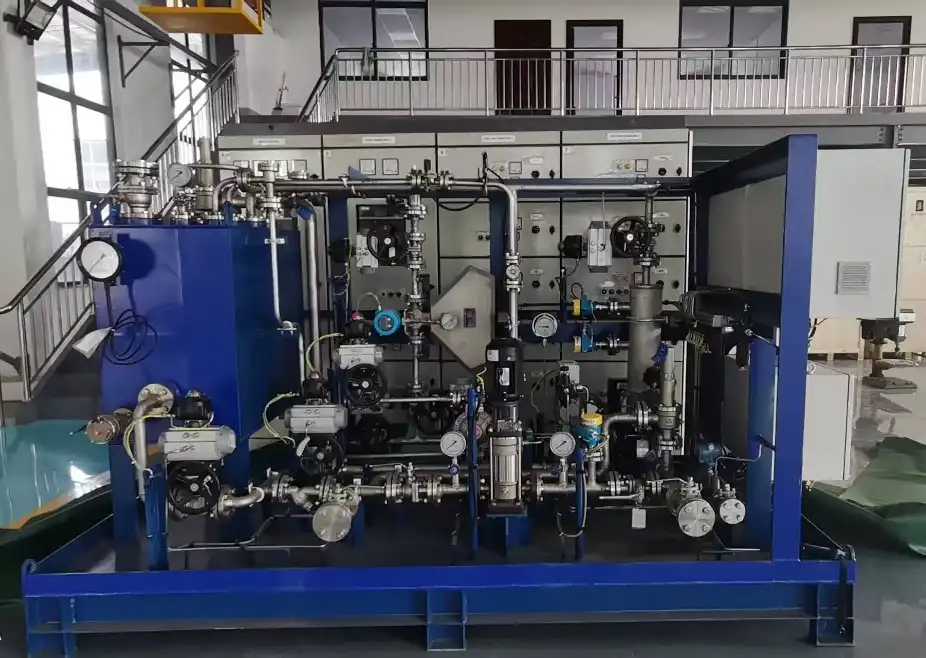
Understanding Methanol Fuel Supply Systems in Sustainable Shipping
Using advanced fuel transportation systems, like the Methanol Fuel Supply System, that can safely and efficiently handle renewable energy sources is becoming increasingly important for marine activities aiming for sustainability. In modern Methanol Fuel Supply System designs, many parts work together to ensure efficient power delivery while meeting strict environmental standards.
Core Components and Working Principles
The supply unit, the filling and transport system, the extra parts, and the safety controls make up a complete methanol system. The supply unit makes sure that the right amount of fuel gets to the engine by keeping the pressure and flow steady even when the engine is working under different conditions. The method for filling and delivering handles the complicated rules for chemical vessels, especially the SOLAS-IBC Code rules for loading, storing, and moving methanol. Because methanol has special qualities, like a low temperature, is acidic, and is poisonous, these systems use advanced safety procedures and special materials to make sure that it is handled safely at all times.
Environmental Benefits and Operational Advantages
Using methanol instead of regular naval energy is much better for the earth. With regular methanol, these devices can cut greenhouse gas emissions by a large amount. When green methanol from natural sources is used, they can get very close to zero emissions. When methanol is burned, it completely removes sulphur oxide emissions and greatly lowers nitrogen oxide and particulate matter emissions. Some operational benefits are easier handling of fuel, better storage economy, and better system response to changes in load. With a modular design, there are different ways to place the parts, so they can be changed to fit the needs of each vessel while still meeting safety standards for both chemical handling and low-flashpoint fuel.
Current Trends and Innovations in Methanol Fuel Supply Systems
The faster use of methanol is due to a number of market forces working together to change the marine business. Environmental laws, the need to save money, and companies' vows to being environmentally friendly are all causing a huge investment in alternative fuel technologies.
Regulatory Drivers and Market Forces
IMO 2030 and 2050 carbon reduction targets are driving shipowners to adopt cleaner propulsion alternatives. Increasing environmental scrutiny from investors, customers, and stakeholders further fuels demand for scalable fuel solutions. Cost-effectiveness also affects usage trends, as methanol systems often have low total cost of ownership rates when all factors like fuel supply, infrastructure needs, and operating freedom are taken into account. There are more and more sustainable sources of methanol, which is good for the economy and helps reach long-term sustainability goals.
Technological Advancements and Integration Solutions
New developments in hybrid power are making it safer, more reliable, and easier to connect to more advanced control systems that do things like real-time optimisation and predictive maintenance. Putting methanol systems together with mixed designs that have battery storage, waste heat recovery, and smart load management reduces fuel use, raises efficiency, and keeps working flexibility.
Market Adoption Patterns and Infrastructure Development
Market trends in Europe and the US show that big shipping companies like Maersk, COSCO, and CMA CGM are pushing the use of methanol by placing large orders for ships. Building new infrastructure in important places like Rotterdam, Singapore, and Los Angeles, as well as making and distributing more fuel, is helping to solve supply chain problems and meet the rising demand for methanol solutions.
Comparative Analysis of Methanol Fuel Supply Systems
Understanding the competitive landscape requires comprehensive evaluation of Methanol Fuel Supply System technology against traditional marine fuel alternatives. This analysis encompasses environmental performance, operational characteristics, safety considerations, and economic factors that influence procurement decisions.
Environmental Performance Comparison
Methanol is better for the climate than other marine fuels because it has cleaner pollution, fewer particles, and fewer nitrogen fumes. Carbon neutrality can be reached with green methanol that comes from natural feedstocks. It also dissolves in water and breaks down naturally, which lowers the chance of marine waste and reduces the long-term damage to the environment compared to fuels made from oil.
Operational Efficiency and Safety Considerations
Methanol has a high energy density, can be stored, and is easy to handle. Newer designs have made burning more efficient. Due to methanol's lower temperature and toxicity, safety concerns include better fire prevention and special ventilation. These problems are well dealt with by tried-and-true engineering methods that keep operating efficiency high and safety high.
Cost Analysis and Return on Investment
The total cost of ownership includes the initial input in cash, running costs, fuel costs, and upkeep needs over the lifetime of the system. Even though methanol systems usually cost more to buy at first than other options, they often pay for themselves over time through higher operating savings, better efficiency, less upkeep, and possible benefits for regulatory compliance. When figuring out the return on investment, you have to look at long-term fuel price trends, the costs of following the rules, and any carbon pricing systems that might favour cleaner fuel options. These trends are seen in buying strategies that look to the future and set up companies to gain from early adoption advantages.
Procurement and Supply Chain Insights for Methanol Fuel Supply Systems
Navigating the procurement landscape requires understanding supplier capabilities, service requirements, and strategic considerations that influence purchasing decisions. The Methanol Fuel Supply System market includes established marine equipment manufacturers alongside specialized technology providers developing innovative solutions.
Key Manufacturers and Supplier Landscape
The community of suppliers includes global companies that make a wide range of marine fuels and experts in using methanol in different ways. Evaluations should centre on scientific knowledge, the quality of the products made, certifications, and the ability to provide service. Suppliers of methanol systems need to know a lot about maritime rules, safety standards, and the difficulties of integrating systems for different types of vessels and activities.
Customization and Installation Services
Customised supply and fitting services are necessary to make sure that methanol systems work well with safety and vehicle power. To deal with problems like room, weight, and integration, retrofitting needs advanced engineering. Our services include verifying the design, integrating the system, starting it, and teaching the crew. These steps lower risk and make sure the system works at its best throughout its lifetime.
Strategic Purchasing and Support Considerations
Strategic purchasing should focus on long-term partnerships with suppliers offering lifecycle support, including spare parts, technical assistance, and system upgrades. As methanol technology evolves, suppliers must adapt to regulatory changes. Global service networks, remote diagnostics, and training programs are crucial for vessels, especially in remote locations, ensuring operational efficiency and support.
Company Introduction and Our Product & Service Information
CM Energy is a technology-driven leader in sustainable marine energy, with the TSC brand offering expertise in dual-fuel vessels, liquefied gas carriers, chemical tankers, and alternative fuel supply systems.
Our Heritage and Expertise
CM Energy, listed on the Hong Kong Stock Exchange since 2009, is committed to innovation and environmental stewardship. We specialize in hydrogen energy, marine solutions, and electric drive technologies. With significant market coverage in offshore drilling equipment, our proven track record ensures reliability and safety in demanding marine applications.
Product Portfolio and Capabilities
Our methanol fuel systems are designed for sustainable fleets, ensuring compliance with marine regulations while optimizing performance. The TSC brand offers tailored solutions, including installation, maintenance, and customization. With modular design, our systems support both newbuilds and retrofits, providing flexible, adaptable solutions that meet evolving regulatory standards.
Innovation and Service Excellence
As one of the first to develop methanol fuel supply units, CM Energy has a proven track record of successful installations. We offer full lifecycle support, from design and manufacturing to installation, maintenance, and optimization, ensuring maximum value, regulatory compliance, and sustainability for our clients.
Conclusion
Using Methanol Fuel Supply System technology to change how ships move is a big step towards more environmentally friendly travel. As rules about the environment get stricter and commitments to sustainability grow, these advanced systems offer tried-and-true ways to reach decarbonisation goals while keeping operations running smoothly. New technologies, government backing, and market demand are all coming together to make great chances for early users to gain a competitive edge in the changing marine scene. Businesses that invest in Methanol Fuel Supply System technology will be able to get business savings, better environmental performance, and compliance with regulations, all of which are becoming more and more important for companies to be stars in their fields.
FAQ
1. What are the key compatibility requirements for methanol fuel systems?
Methanol fuel systems require specific compatibility considerations including material selection for fuel contact components, integration with existing engine management systems, and compliance with both chemical handling and marine fuel safety regulations. Engine manufacturers typically specify detailed requirements for fuel quality, pressure ranges, and delivery parameters that must be met precisely.
2. How do methanol systems compare environmentally to traditional marine fuels?
Methanol offers significant environmental advantages including elimination of sulfur oxide emissions, substantial reduction in nitrogen oxides and particulate matter, and potential for near-zero lifecycle carbon emissions when utilizing renewable feedstocks. The biodegradable nature of methanol also reduces long-term marine pollution risks compared to petroleum-based alternatives.
3. What maintenance challenges should be anticipated with methanol fuel systems?
Maintenance considerations include specialized training for handling methanol's unique properties, periodic inspection of sealing components due to methanol's solvent characteristics, and adherence to enhanced ventilation and safety protocols. However, these challenges are well-documented and addressed through established maintenance procedures and component specifications.
Partner with CM Energy for Advanced Methanol Fuel Supply Solutions
CM Energy invites procurement professionals worldwide to explore our comprehensive methanol fuel supply system capabilities. As a leading methanol fuel supply system manufacturer, we provide personalized consultation services to address your specific operational requirements and sustainability objectives. Our expert engineering team stands ready to discuss detailed specifications, provide technical demonstrations, and develop customized solutions that align with your fleet's unique needs. Our proven track record in marine fuel systems, combined with our commitment to innovation and quality, positions CM Energy as your ideal partner for methanol fuel supply system procurement. Whether you're evaluating retrofit opportunities or planning newbuild installations, our comprehensive service approach ensures successful project execution from initial design through long-term operational support. Contact our team at info.cn@cm-energy.com to begin your journey toward sustainable maritime operations with confidence and technical excellence.
References
1. Maritime Executive. "Methanol as Marine Fuel: Technical and Economic Analysis of Alternative Fuel Systems for Commercial Shipping Applications." Marine Technology Review, 2024.
2. International Maritime Organization. "Guidelines for Alternative Fuel Supply Systems: Methanol Implementation Standards and Safety Protocols." IMO Technical Publication, 2024.
3. Lloyd's Register. "Alternative Fuel Supply System Certification: Methanol Technology Assessment and Market Analysis." Marine Engineering Quarterly, 2024.
4. American Bureau of Shipping. "Methanol Fuel Supply System Design Standards: Safety, Performance and Regulatory Compliance Guidelines." ABS Technical Report, 2024.
5. Society of Naval Architects and Marine Engineers. "Sustainable Shipping Fuel Systems: Methanol Technology Trends and Implementation Strategies." SNAME Marine Technology Journal, 2024.
6. Classification Society Technical Committee. "Methanol Marine Fuel Systems: Installation, Operation and Maintenance Best Practices for Commercial Vessels." Marine Technology Standards, 2024.