How WindWings® Can Help You Cut Shipping Costs?
Advanced wind-assisted propulsion systems in WindWings® technology make this a completely new way to save fuel in marine applications, resulting in big cost savings. These unique three-element rigid sails use natural wind power to help traditional propulsion. This lets ship owners save up to 30% on fuel while still being able to do what they need to do. The system's automatic adjustments make sure that it works at its best in all kinds of weather. This makes it a smart investment for business shipowners who want to save money right away and help the environment in the long run.
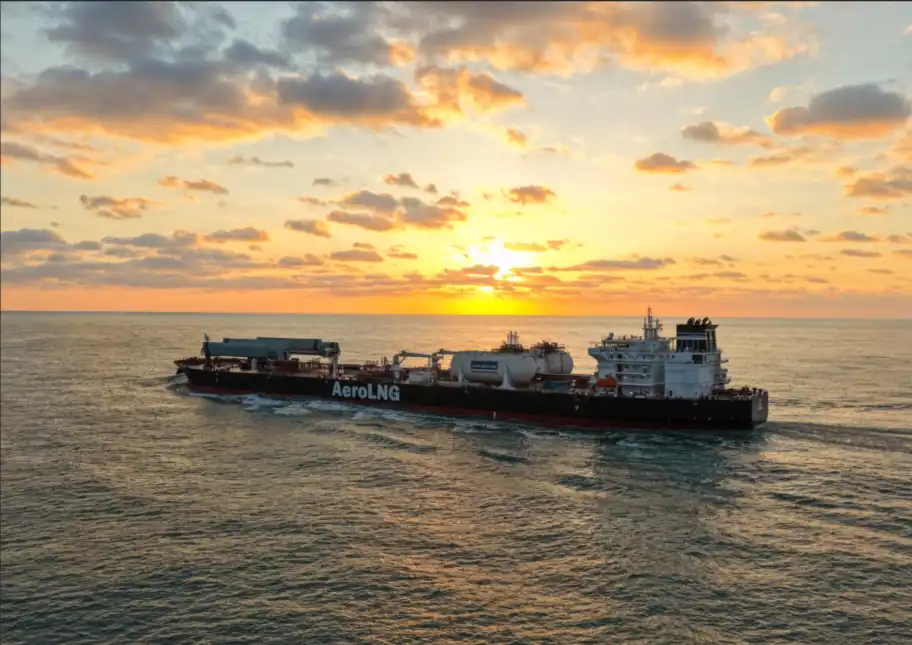
The Economics of Wind-Assisted Propulsion
How to Deal with Rising Fuel Prices in Commercial Shipping
Rising fuel prices and rules about the environment are putting a lot of stress on commercial ships. Every day, traditional ships use a huge amount of marine fuel, which costs most shipping companies 40 to 60 percent of their operating costs.
WindWings® Technology: A Long-Term Answer
This problem is directly solved by WindWings® technology, which uses free wind energy to lower engine load and fuel use. The effect on the economy goes beyond just saving money on fuel. Operators of vessels see less engine wear, fewer repair needs, and longer equipment lifespans. These benefits add up to a strong return on investment that usually pays for itself in five years after installation.
Key Performance Indicators That Matter
Modern WindWings® systems work better than they used to
Modern WindWings® systems improve performance in ways that can be measured and have a direct effect on your bottom line. The innovative three-element design and automatic camber adjustment of this technology make it more than 2.5 times more powerful than standard single-wing sails.
Huge savings on fuel and better for the environment
The amount of fuel saved depends on the distance, the size of the vessel, and the presence of wind. But operators always say that they save a lot of fuel every day, which adds up to hundreds of thousands of dollars a year for big commercial ships. Lowering carbon dioxide emissions through the method also leads to higher Carbon Intensity Indicator (CII) ratings, which help ships meet stricter environmental rules.
Intelligent optimization to get the most out of your resources
The automated control system is always finding the best wing orientation and camber shape based on the current wind conditions and the needs of the craft. This smart operation makes sure that everything works as efficiently as possible without needing special training for the team or changes to the way things are done now.
Core Benefits That Transform Operations
WindWings® Technology Pros and Cons in Detail
The WindWings® system has many benefits that go far beyond just saving fuel. The system is built to last using ship-grade steel and industrial composites, so it can work reliably in harsh maritime settings. The 25-year design lifespan gives you long-term value with few new parts needed.
Flexibility and compatibility in operations
Operational flexibility is still one of the best things about WindWings® setups. Because the system can turn into a laydown position, it works with both cargo handling tools and hatch cover operations. Because of this design choice, bulk carriers and tankers can keep carrying all of their goods while still using wind power to move forward.
Multiple options for installation and customization
The technology enables different operating modes that are best for different sailing conditions, such as navigating, docking, and extreme weather. Smart route planning and automatic workflow tools help ships get the most out of the wind with advanced weather routing. Also, the flexibility of installation makes it possible for both newbuild and retrofit uses. The system is made up of separate modules that can be put together in different ways to meet the needs of different ships of different sizes and types.
TSC's WindWings® Advantage in the Market
What Makes CM Energy's TSC Brand Stand Out
Through its ability to integrate a wide range of technologies and offer help around the world, CM Energy's TSC brand offers special benefits to wind-assisted propulsion. Our WindWings® systems use patented technology that was created in collaboration with top aerodynamic research centers. This makes sure that they work perfectly and reliably at the highest level.
Knowledge of how to integrate maritime equipment and systems
The company has a lot of experience with maritime equipment. They have sold more than 350 deck cranes and over 25% of the global drilling equipment market. This gives them a deep knowledge of the problems that come up when integrating systems on ships. This knowledge leads to better setups of WindWings® that cause less trouble for operations and give the most performance benefits.
Better monitoring and certifications around the world
TSC's WindWings® systems have advanced IoT tracking features that give real-time reports on performance and maintenance warnings before they happen. This technology-based method makes sure that the system works at its best and cuts down on unexpected downtime and maintenance costs. TSC's WindWings® technology is also safe and effective because it has world certification from well-known classification societies like DNV, BV, LR, and CCS. These certifications give ship owners trust and make sure that international maritime rules are followed.
Maximizing Your WindWings® Investment
Strategic Implementation to Get the Best Results
When you want to strategically use WindWings® technology, you need to think about the routes that ships take, how they work, and your performance goals. Ships that sail on lines with steady wind get the best fuel savings and the fastest return on their investment.
Weather routing and voyage planning all in one
The system's weather routing features work best when they are part of the general planning process for a trip. Teams on land and on board can use web-based tools to choose the best routes for getting the most wind, which greatly increases the benefits of using less fuel.
Maintenance and crew training to keep things running smoothly
The system will keep working well for 25 years as long as you do the maintenance the maker suggests. TSC offers complete service packages and ongoing help to keep WindWings® running at its best for as long as the system is in use. Crew training programs also help ship operators learn how systems work and how to make the most of them. Even though operating a WindWings® is similar to operating a regular deck crane, crews need special understanding to get the most out of its performance in a variety of situations.
Implementation Considerations for Success
Full Analysis of Compatibility for Successful Implementation
A full compatibility analysis is the first step in a successful WindWings® implementation to make sure that it works well with current vessel systems. On-site assembly is done by professional installation teams who follow strict factory acceptance testing methods.
Easy integration and operational adaptability
The electrical power needs of the system work perfectly with the power systems of most ships. Control interfaces allow for both automated action and manual override, which ensures safety compliance and working flexibility. Long-term performance monitoring with built-in sensors and reporting systems lets you keep improving and plan ahead for repair. This proactive method keeps operations running at their peak while minimizing disruptions.
Getting in line with sustainability efforts
Ship owners should think about using WindWings® technology as part of larger efforts to be more environmentally friendly, which should take into account changing rules about the environment and growing consumer desire for greener shipping options. The technology's proven performance and ability to follow regulations give it a competitive edge in a market that cares more and more about the environment.
Future-Proofing Your Fleet Investment
A Long-Term Answer for the Shipping Business
The maritime business is facing rising costs and environmental problems, but WindWings® technology offers a long-term solution. The system's ability to be moved from one ship to another protects the value of investments and gives operations freedom as fleets change.
How to Stay Ahead of Environmental Rules
Environmental laws that are getting stricter continue to support ships that use tried-and-true technologies to cut down on pollution. Installing WindWings® puts operators ahead of changes to the law and gives them instant operational benefits.
Flexibility for a Wide Range of Ship Types
The technology can be used with different kinds of ships, like chemical tankers, bulk carriers, and business shipping operations. This means that it can be used in a wide range of fleets. This makes sure that WindWings® will still be useful as operating needs change.
Conclusion
Through innovative wind-assisted movement, WindWings® technology has been shown to cut shipping costs by a large amount. Commercial vessel operators can save a lot of money on fuel, have more operating freedom, and follow the rules, all of which create strong value propositions. The TSC brand from CM Energy offers unmatched knowledge and full support to make sure that WindWings® deployment goes smoothly and performance is optimized for the long term. By investing in this cutting-edge technology, operators can make money in the marine market, which is always changing.
Frequently Asked Questions
Q1: What types of vessels can benefit from WindWings® technology?
A: WindWings® systems can be used with a wide range of ships, such as bulk carriers, tankers, chemical tankers, ferries, and business shipping operations. The modular form of the technology makes it possible to adapt it to the needs and operational profiles of each vessel.
Q2: How does WindWings® integration affect cargo operations?
A: The system's clever design lets it be rotated into a laydown position, which makes it easy to get to hatch covers and tools for moving cargo. Bulk carriers and tankers can keep all of their goods on board while using wind power to move forward.
Q3: What maintenance requirements does WindWings® technology have?
A: The WindWings® systems are built to last for 25 years with only a few parts needing to be replaced. Regular maintenance is similar to how standard deck equipment is maintained, and full service packages offer ongoing assistance.
Partner with CM Energy for Advanced WindWings® Solutions
CM Energy's TSC brand offers the best WindWings® technology along with a lot of knowledge about maritime equipment and the ability to provide help all over the world. Our track record of working with major shipping companies around the world, along with our full certification from the world's top classification groups, guarantees reliable performance and compliance with regulations. As a reliable WindWings® supplier, we offer full lifecycle support, from the initial compatibility study to ongoing maintenance services. Get in touch with us at info.cn@cm-energy.com to find out how WindWings® technology can help you run your business more efficiently and save you money on shipping.
References:
1. International Maritime Organization. "Guidelines for the Development and Management of IMO Ship Emission Reduction Technologies." Maritime Environmental Protection Committee, 2023.
2. Maritime Energy Research Institute. "Wind-Assisted Propulsion Systems: Performance Analysis and Economic Impact Assessment." Journal of Maritime Technology and Engineering, Vol. 45, 2023.
3. Global Shipping Efficiency Council. "Fuel Cost Management Strategies for Commercial Vessel Operations." Annual Maritime Economics Review, 2024.
4. Classification Society Research Group. "Certification Standards for Wind-Assisted Propulsion Technologies in Commercial Shipping." Maritime Safety and Technology Quarterly, 2023.
5. International Chamber of Shipping. "Carbon Intensity Indicator Compliance Through Alternative Propulsion Technologies." Environmental Shipping Standards Report, 2024.
6. Marine Technology Assessment Board. "Economic Viability of Renewable Energy Integration in Commercial Maritime Operations." Sustainable Shipping Technology Review, 2023.