Assessing manufacturing capabilities, quality certificates, and performance records helps find harsh-environment mud pump suppliers. China is a leader in high-performance mud pump production, with companies like CM Energy offering TSC solutions. To optimize performance in difficult drilling operations, find manufacturers with excellent engineering and stringent quality control. Research and development have revolutionized China's manufacturing sector during the past decade. This has led to novel solutions satisfying worldwide standards, especially in hydraulic systems-savvy Shandong Province. Digital technologies boost production efficiency and ensure high-quality mud pumps before delivery.
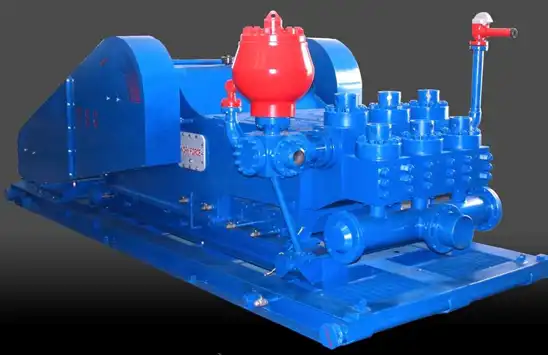
Manufacturing Excellence: Why China Leads Mud Pump Production
Advanced Engineering Capabilities
Chinese firms extensively spend in engineering skill and technology. Leading corporations have research centers that produce cutting-edge pumping systems for drilling. These facilities optimise pump efficiency and save maintenance and operational costs. The engineering approach stresses modular design for drilling environment modification. Fluid end assemblies can handle variable pressures, while power end layouts can meet horsepower needs. Flexibility ensures optimal performance in various drilling settings. Wear-resistant components that tolerate rigorous working conditions have been developed using material science. High-strength steel alloys and specialty coatings prolong equipment life and performance. These innovations address offshore and deep-water drilling issues.
Cost-Effective Manufacturing Ecosystems
Concentration of suppliers and manufacturers generates efficient supply chains that lower production costs without compromising quality. Specialist pump component manufacturers build knowledge to assure reliable performance. This ecosystem strategy speeds prototyping and production scalability. Through specialized training, labor costs remain competitive and skill levels rise. Technical schools and universities work with manufacturers to create industry-specific programs. This cooperation guarantees skilled technicians and engineers. Production costs and environmental effect are reduced via energy-efficient manufacturing. Modern facilities have more solar and waste heat recovery systems. Sustainable practices meet global environmental norms and customer expectations.
Strategic Supplier Selection: Essential Evaluation Methods
Comprehensive Capability Assessment
Manufacturing skills must be assessed by inspecting production facilities and equipment. Site inspections show machinery condition and operator skill. During your assessment, check for cleanliness, organization, and safety. Quality management should show consistent practices and ongoing progress. Check for statistical process control and preventative maintenance. These signs indicate a manufacturer's dedication to reliable products. Testing facilities and equipment validation show technical sophistication. Before shipping, manufacturers should execute full-load operation tests and performance verification. This testing ensures pumps perform as specified in drilling situations.
Financial Stability and Business Continuity
Check supplier finances using business reports and credit ratings. Technology improvements and inventory levels are maintained by stable companies. Delivery timelines and product quality are reliable due to this steadiness. Relationships with component suppliers over time demonstrate supply chain resiliency. Diverse supplier networks help manufacturers handle material shortages and pricing changes. Project timeframes are maintained even amid market disruptions with this capacity. Case studies and customer references reveal performance and reliability. Ask customers about product quality, delivery, and after-sales service. These interactions show manufacturer strengths and weaknesses.
Technical Innovation and Development Capacity
R&D spending show a manufacturer's desire to innovate and compete. Companies that invest heavily in R&D regularly release better products. This innovative capacity ensures access to cutting-edge tech. Patents and intellectual property show technical skill and competitive benefits. IP-rich manufacturers have presumably worked hard to create distinctive solutions. These inventions often improve performance or operations. Collaboration with research organizations and universities suggests advanced knowledge and new technology. These agreements accelerate technology transfer and new development acceptance. Collaboration produces breakthrough innovations that give companies an edge.
Critical Certification Standards and Compliance Requirements
International Quality Certifications
ISO 9001 accreditation ensures quality management consistency. This standard assures producers use systematic quality control and ongoing improvement. Regular audits ensure quality system compliance and effectiveness. The API certifies drilling equipment according to industry standards and best practices. These certifications involve thorough manufacturing process testing and documentation. API-certified producers meet rigorous technical requirements. Regional certifications like CE mark equipment for worldwide use. Multiple certifications show manufacturers' devotion to varied regulatory standards. This certification portfolio streamlines project approvals and equipment deployment.
Environmental and Safety Standards
ISO 14001 accreditation shows industrial responsibility and environmental stewardship. Companies certified with this standard minimize environmental impact during production, including the manufacturing of mud pump systems. This pledge matches industry sustainability efforts. OSHA certifications protect workers and show competent manufacturing. Safe workplaces improve product quality and production reliability. These standards lower purchasing organizations' liability risks. ATEX or comparable explosion-proof certifications are required for hazardous equipment. Safety features must be extensively tested and documented for these certifications. In offshore or volatile drilling settings, certified equipment gives piece of mind.
Optimal Sourcing Strategies and Platform Selection
B2B Platform Evaluation
Professional B2B platforms offer certified manufacturers and extensive company profiles. These systems provide consumer feedback, certificates, and transaction histories for informed decision-making. Avoid broad marketplaces and focus on industrial equipment platforms. Trade events and industry exhibits let you meet producers and see equipment. These events allow technical requirements and customisation conversations in person. Seeing equipment in action and building relationships enhances sourcing. Trade and industry associations offer member directories and networking. Members follow business and industrial ethics. These organizations provide dispute resolution and procurement-related industry insights.
Direct Manufacturer Engagement
Direct manufacturer ties save expenses, intermediaries, and improve communication. Direct participation clarifies production and customisation opportunities. Technical difficulties and warranty claims are resolved faster with this method. Local support and technical assistance come from regional offices. These individuals know local laws and can help with project implementation. Their presence shows manufacturer commitment to regional market and customer service. Long-term partnerships offer preferential pricing and delivery timing. Customers with long-term ties receive perks from manufacturers. The relationships can entail cooperative development and exclusive access to breakthrough technology.
Successful OEM and ODM Partnership Development
Technical Collaboration Framework
Clear technical standards and performance requirements start good relationships. Detailed documentation avoids confusion and ensures equipment meets operating needs. Specifications should include environmental conditions, duty cycles, and maintenance. Engineers working together communicate and solve problems faster. Technically proficient representatives from both organizations should form these teams. Regular meetings and progress reviews keep projects on track and within budget. Intellectual property agreements protect collaborative innovations and enable knowledge exchange. Clear agreements reduce disagreements and promote technical problem-solving. These structures foster long-term partnerships.
Quality Assurance Integration
Integrated quality systems maintain standards during development and manufacturing. Sharing quality measurements and inspection techniques reduces quality issues and rework. Quality evaluations promote collaboration effectiveness and identify areas for improvement. Supplier development programs assist manufacturers adapt to changing needs. These initiatives may include training, equipment upgrades, or process enhancements. Supplier development benefits both parties and strengthens partnerships. Performance feedback systems optimize relationships and ongoing improvement. Periodic performance appraisals highlight strengths and weaknesses. This systematic strategy maximizes cooperation value for both firms.
Effective MOQ and Pricing Negotiation Approaches
Volume-Based Pricing Strategies
Understanding manufacturer cost structures improves pricing negotiations. Volume-based pricing is possible because fixed costs are dispersed across output volumes. Larger orders get better prices due to economies of scale. Annual quantity commitments might get smaller orders discounted. Manufacturers typically discount for assured volumes due to predictable demand. These agreements improve planning and reduce costs for both parties. Collective purchasing can reach volume thresholds that individual enterprises cannot. Consortiums and buying groups negotiate better deals by pooling purchases. Coordination is needed, although this method can save money.
Payment Terms and Risk Management
Improve cash flow and offset increasing unit prices with favorable payment terms. Milestone payments or extended payment periods decrease financial risk and improve project economics. Negotiate conditions that fit project cash flows and payment capacities. Letters of credit assist international transactions and safeguard both parties. These financial instruments shield buyers from non-performance and secure payment. Banks with international trading experience can arrange credit. Performance bonds and warranties protect against equipment failures, including those related to mud pump systems. These warranties should cover manufacturing and performance issues. Beyond price, clear warranty conditions and fast service support add value.
Factory Audit Excellence and Quality Verification Methods
Systematic Audit Approaches
Auditors use comprehensive checklists to evaluate manufacturers consistently. These checklists should cover manufacturing, quality, and facility conditions. Suppliers can be compared objectively using standard criteria. Multi-disciplinary audit teams evaluate with diverse expertise. Include engineering, quality, and procurement staff in audits. Single-person audits may miss hazards and opportunities from different viewpoints. Before site visits, evaluate documents to maximize audit efficiency and effectiveness. Quality manuals, certificates, and process protocols should be requested before the visit. This preparation allows intense audit conversations on key issues.
Quality Control System Evaluation
Implementing statistical process control shows advanced quality management. Check for quality-metric data collection, analysis, and process correction. Instead than detecting quality issues, these technologies prevent them. Quality measurements are accurate and dependable with equipment calibration. Regular calibration and documentation show measurement accuracy commitment. Detail is usually paid to all production operations. Component quality is managed systematically by suppliers. Manufacturers need supplier evaluation and monitoring methods. These programs guarantee quality throughout the supply chain, not just final assembly.
Leading Supplier Characteristics in Today's Market
Technological Innovation Leaders
Advanced firms constantly upgrade their technologies and production procedures. Digital manufacturing and automation boost quality and efficiency. These initiatives show dedication to competitiveness and client satisfaction. Rapid prototyping and customized components are possible with additive manufacturing. This technique speeds up development and allows affordable customisation. Manufacturers with 3D printing can meet particular needs faster. Predictive maintenance and data analytics are becoming standard. Real-time performance data from IoT sensors and monitoring systems enables proactive maintenance scheduling. These technologies prolong equipment life and save downtime.
Global Service Networks
Local help is available worldwide for drilling. This feature is crucial for offshore operations that require fast response times. Downtime and maintenance costs are reduced by local service. Remote monitoring and diagnostics enable proactive help and fast problem resolution. Advanced systems can predict problems before they happen. The predictive capability reduces unplanned downtime and extends equipment life. Technical training ensures operator proficiency and equipment performance. Maintenance workers and operators need extensive training from manufacturers. Well-trained staff use equipment well and spot issues early.
Conclusion
Selecting reputable mud pump providers for severe areas demands thorough evaluation of production, quality, and service capabilities. CM Energy and other Chinese manufacturers have delivered high-performance systems that meet severe operational requirements. Thorough supplier assessment, clear technical standards, and continued partnership development are crucial to effective procurement. Understanding manufacturer capabilities and collaborating is key to success. Look for organizations with track records, certifications, and strong support networks. Improving supplier relationships and quality systems offers long-term benefit beyond equipment expenses. Suppliers must adapt and innovate while preserving dependability and performance as the drilling business becomes more complicated.
Frequently Asked Questions
1. What certifications should I look for in a mud pump manufacturer?
ISO 9001 for quality management, API 7K for drilling equipment, and CE marking for Europe are essential. Your applications and operating locations may require ISO 14001 for environmental management and ATEX for explosion-proof equipment.
2. How can I verify manufacturer quality before placing an order?
Perform thorough factory audits of production, quality, and testing. Get customer references and ask users about their experiences. Check certification and quality instructions. Hire independent inspectors for extra assurance.
3. What are typical minimum order quantities for custom mud pumps?
Manufacturer rules and customization needs affect MOQs greatly. High-customization units demand higher orders than standard configurations. Manufacturers often give initial freedom with volume guarantees for subsequent orders.
4. How do I protect intellectual property in OEM partnerships?
Do not collaborate without clear IP agreements that clarify ownership of existing and new innovations. Limit sensitive information access via non-disclosure agreements. Register key IP in relevant jurisdictions and incorporate IP protection clauses in manufacturing contracts.
5. What payment terms are common for international equipment purchases?
International transactions typically use letter of credit to safeguard both sides. Deposits, milestone payments, and delivery or commissioning payments are common. Terms depend on order amount, manufacturer, and project needs.
6. How important is local service support for drilling equipment?
Offshore operations require local service assistance to reduce downtime and response times. Find manufacturers with authorized service partners or service networks in your operating locations. Remote diagnostics increase response times when combined with local support.
Partner with CM Energy for Superior Mud Pump Solutions
Your reliable mud pump supplier, CM Energy offers cutting-edge drilling fluid circulation systems through TSC. Over 25% of our offshore drilling equipment is global, proving its performance in harsh settings. With 159 registered patents and extensive manufacturing capabilities, we offer bespoke mud pump solutions for the toughest operational needs. Our WF series mud pumps are small and efficient, with power ratings up to large and maximum discharge pressures satisfying industrial standards. Our engineering staff at info.cn@cm-energy.com can discuss your needs and how our revolutionary mud pump technology can optimize your drilling operations.
References
1. International Association of Drilling Contractors. "Global Drilling Equipment Market Analysis and Manufacturing Trends." IADC Technical Report, 2024.
2. American Petroleum Institute. "API Specification 7K: Specification for Drilling and Well Servicing Equipment." API Publishing Services, 2023.
3. Offshore Engineering Society. "Reliability Standards for Marine Drilling Equipment in Harsh Environments." OES Technical Publication, 2024.
4. World Drilling Equipment Manufacturers Association. "Quality Management Systems in Drilling Equipment Manufacturing." WDEMA Industry Guidelines, 2023.
5. Maritime Safety International. "Certification Requirements for Offshore Drilling Equipment: A Global Perspective." MSI Technical Review, 2024.
6. China Petroleum Equipment Manufacturing Association. "Innovation and Technology Development in Chinese Drilling Equipment Industry." CPEMA Annual Report, 2024.