A Beginner's Guide to Ammonia Fuel on Offshore Rigs
Ammonia fuel is a game-changing new way to get energy from offshore sources. It offers unique chances to cut down on emissions while keeping operations running smoothly. This carbon-free fuel technology needs advanced Ammonia Fuel System parts that make sure offshore platforms can safely handle, store, and burn the fuel. As the marine sector moves toward renewable energy sources and operations with no emissions, it becomes very important to understand these systems.
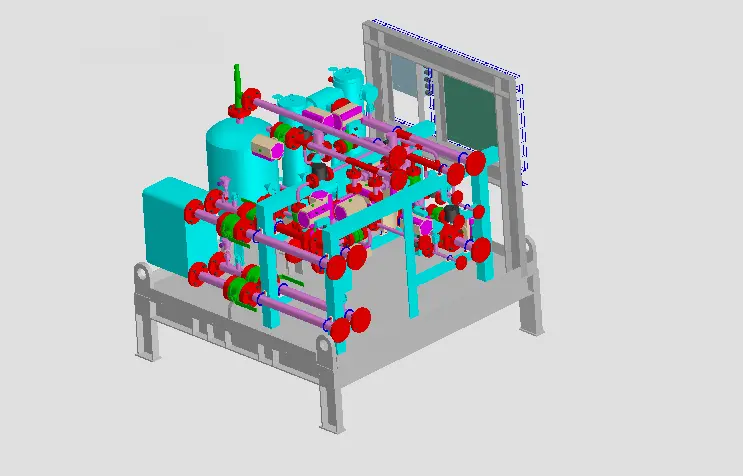
Understanding Ammonia as Marine Fuel
Shifting Away from Conventional Marine Fuels
The marine sector is at a really important point right now because conventional fossil fuels are coming under more and more government scrutiny. Ammonia is a strong hydrogen transporter that meets both environmental and practical needs. Ammonia burns without releasing carbon dioxide, which makes it a good choice for generating electricity on offshore projects.
Performance and Efficiency in Offshore Conditions
Ammonia fuel technology needs to solve several problems that come up with offshore rigs. These floating or stationary platforms need dependable energy sources that can handle rough sea conditions and yet work well. Ammonia combustion systems are as thermally efficient as regular fuels, but they use modern catalyst technology to cut NOx emissions by a lot.
Green Ammonia and Self-Sustaining Energy Cycles
The shift to producing green ammonia via electrolysis opens up more possibilities for offshore enterprises. Wind and wave energy can directly power ammonia synthesis on platforms, creating fuel production cycles that don't need any outside help. This method does rid of the need for complicated fuel infrastructure while yet allowing offshore fleets to use vehicles that don't pollute.
Core Components of Offshore Ammonia Systems
Filling and Storage Infrastructure
In today's modern ammonia fuel systems, numerous specialized subsystems are integrated into the system and function together in a smooth manner. Additionally, the foundation is comprised of the filling and storage system, which includes pressure vessels that have been particularly constructed for the storage of ammonia under a range of temperature settings. The storage options that are being considered must be able to suit the one-of-a-kind characteristics of ammonia while also meeting the safety criteria that are necessary for offshore conditions.
Fuel Cell Integration and Power Generation
The technology of fuel cells is becoming an increasingly significant component in offshore facilities that are powered by ammonia. The catalytic processes that are used in these systems allow for the direct conversion of ammonia into electricity, resulting in a better efficiency compared to conventional internal combustion engines. By combining fuel cells with ammonia cracking units, it is possible to generate electricity in a flexible manner that can accommodate the fluctuating energy requirements of offshore activities.
Renewable Ammonia Synthesis and Energy Storage
The use of renewable energy sources enables offshore platforms to generate ammonia on-site via the utilization of advanced fuel synthesis capabilities. This strategy lessens reliance on supply boats while also generating chances for energy storage during times when there is an excess of power production. Creating energy systems that are durable and capable of supporting lengthy offshore activities is made possible by the combination of synthesis and storage.
Safety Protocols and Risk Management
Safe Handling Requirements and Operator Training
The handling of ammonia necessitates the implementation of extensive safety standards that take into account the fuel's distinctive qualities. Because of its distinct toxicity and reactivity characteristics, ammonia necessitates the use of specialist training and equipment, in contrast to hydrocarbon fuels. To ensure that activities are carried out in a safe manner, those working offshore must have an understanding of how ammonia behaves under different situations.
Leak Detection and Ventilation Systems
Within the realm of ammonia fuel operations, the Ammonia Fuel System leak detection systems are an essential component of the safety infrastructure. In the event that it becomes required, these systems will initiate emergency shutdown procedures after continually monitoring the concentrations in the atmosphere. Integration with ventilation systems aboard vessels guarantees the speedy dispersion of any unintentional leaks while also safeguarding workers from being exposed to them.
Emergency Response and Containment Measures
There are substantial differences between the emergency response methods for fuel emergencies and those for ammonia events. Due to the fact that ammonia is water-soluble, particular containment and neutralization procedures are required because of this property. In order to properly manage events involving ammonia, offshore platforms are required to have highly specialized emergency equipment and reaction crews that have been trained.
Technical Implementation Strategies
Phased Transition and Initial Deployment
In order to successfully convert to ammonia fuel, rigorous planning and execution strategies that are phased in are required. It is common practice for first installations to concentrate on auxiliary power systems before moving to application areas for primary propulsion. Through the use of this stepwise method, operators are able to develop familiarity in ammonia handling while simultaneously minimizing disturbances to their operations.
Transitional Hybrid Fuel Approaches
Currently in operation offshore sites may benefit from transitory solutions provided by ammonia mixing schemes. Mixed fuel techniques include the use of ammonia in conjunction with conventional fuels in order to minimize emissions while preserving operating performance. With the help of these hybrid systems, operators may get vital experience that will help them prepare for complete ammonia conversion.
Retrofit Solutions and System Compatibility
It has been shown via retrofit projects that it is possible to convert current offshore equipment to use ammonia and fuel it. It is necessary to do a comprehensive technical study for these conversions in order to guarantee compatibility with pre-existing systems while also satisfying the most recent safety regulations. Retrofitting projects that are completed successfully offer useful case studies that may be used for future conversions throughout offshore fleets.
Environmental Impact and Sustainability
Emission Reduction and Marine Environmental Benefits
The environmental benefits of ammonia fuel extend beyond simple carbon reduction. Offshore ammonia systems eliminate sulfur emissions entirely while dramatically reducing particulate matter production. These improvements contribute to cleaner marine environments and compliance with increasingly stringent environmental regulations.
Energy Storage and Renewable Integration
Ammonia's role as an energy storage medium supports integration with renewable energy sources on offshore platforms. Wind and solar installations can produce excess electricity during favorable conditions, which ammonia synthesis systems convert into storable fuel. This capability enables offshore platforms to achieve energy independence while supporting grid stability.
Lifecycle Sustainability and Production Pathways
The lifecycle environmental impact of ammonia fuel depends heavily on production methods. Green ammonia produced through renewable energy sources offers the greatest environmental benefits, while ammonia derived from fossil fuel sources provides more limited improvements. Offshore platforms with integrated renewable energy systems can achieve truly sustainable fuel cycles.
Economic Considerations and Market Trends
Investment Costs and Long-Term Returns
Investment in ammonia fuel infrastructure requires careful economic analysis that considers long-term operational benefits. While initial capital costs exceed traditional fuel systems, operational savings through reduced fuel costs and environmental compliance create favorable return on investment profiles. The volatile nature of traditional fuel markets makes ammonia's price stability increasingly attractive.
Expanding Market Applications and Industry Demand
Market trends indicate growing demand for ammonia-powered offshore solutions across multiple applications. Very Large Ammonia Carriers demonstrate the commercial viability of ammonia transport, while offshore support vessels show practical applications for smaller-scale operations. This expanding market creates opportunities for specialized service providers and equipment manufacturers.
Policy Support and Regulatory Drivers
Government incentives and regulatory frameworks increasingly favor ammonia fuel adoption. Carbon pricing mechanisms and emission reduction mandates create economic advantages for early adopters of ammonia technology. These policy trends suggest continued market expansion for ammonia fuel applications across offshore sectors.
Future Developments and Innovations
Advancements in Materials and Catalyst Technologies
Technological advancement continues to improve ammonia fuel system performance and safety. Next-generation catalyst systems promise higher efficiency and reduced emissions, while advanced materials enable lighter and more durable system components. These improvements expand the applicability of ammonia fuel across diverse offshore applications.
Smart Integration and Digital Optimization
Integration with emerging technologies creates exciting possibilities for ammonia-powered offshore operations. Artificial intelligence systems optimize fuel consumption and system performance, while advanced sensors enable predictive maintenance approaches. These technological combinations enhance system reliability while reducing operational costs.
Expanding Applications and Emerging Use Cases
Research into novel ammonia applications continues to expand potential uses across offshore industries. Direct ammonia fuel cells show promise for high-efficiency power generation, while ammonia-powered heating systems offer alternatives to traditional thermal management approaches. These developments broaden the scope of ammonia's impact on offshore operations.
Conclusion
Ammonia fuel technology represents a transformative opportunity for offshore operations seeking sustainable energy solutions. The comprehensive system requirements, safety protocols, and implementation strategies outlined above demonstrate both the complexity and potential of this emerging technology. As regulatory pressure increases and environmental consciousness grows, ammonia fuel systems will play an increasingly important role in offshore energy infrastructure. Success requires careful planning, comprehensive training, and partnership with experienced technology providers who understand the unique challenges of offshore ammonia applications.
Partner with CM Energy for Advanced Ammonia Solutions
CM Energy leads the maritime industry in developing advanced ammonia fuel system technologies for offshore applications. Our proven expertise includes numerous successful clean fuel supply system installations across various vessel types, from large carriers to floating production units. As a trusted ammonia fuel system manufacturer, we provide integrated solutions that ensure safe, efficient operations while meeting stringent environmental standards. Contact our team at info.cn@cm-energy.com to learn how our innovative systems can enhance your offshore operations.
References
1. International Maritime Organization. "Guidelines for the Use of Ammonia as a Ship Fuel." Maritime Safety Committee, 2023.
2. Norwegian Maritime Authority. "Safety Assessment of Ammonia Fuel Systems for Offshore Installations." Technical Report Series, 2024.
3. American Bureau of Shipping. "Ammonia as Marine Fuel: Design and Operational Considerations for Offshore Applications." ABS Technical Papers, 2023.
4. Energy Institute. "Ammonia Fuel Infrastructure for Offshore Operations: Best Practices and Safety Guidelines." London Energy Publications, 2024.
5. Society of Naval Architects and Marine Engineers. "Ammonia Propulsion Systems for Offshore Support Vessels: Technical Review." SNAME Technical Digest, 2023.
6. International Association of Classification Societies. "Common Structural Rules for Ammonia-Fueled Offshore Platforms." IACS Technical Standards, 2024.