The Top Benefits of Wind Propulsion Systems for Sustainable Transport
By providing commercial shipping operators with previously unheard-of potential to lower fuel usage while adhering to strict environmental laws, wind propulsion systems represent a breakthrough approach to sustainable maritime transportation. These cutting-edge solutions provide significant cost savings and carbon emission reductions across a variety of vessel types, including chemical tankers, bulk carriers, and LR2 tankers, by harnessing renewable energy from natural wind patterns. In today's changing shipping environment, modern wind propulsion technology effortlessly integrates with current maritime operations, offering operators dependable, effective solutions that improve both economic performance and environmental compliance.
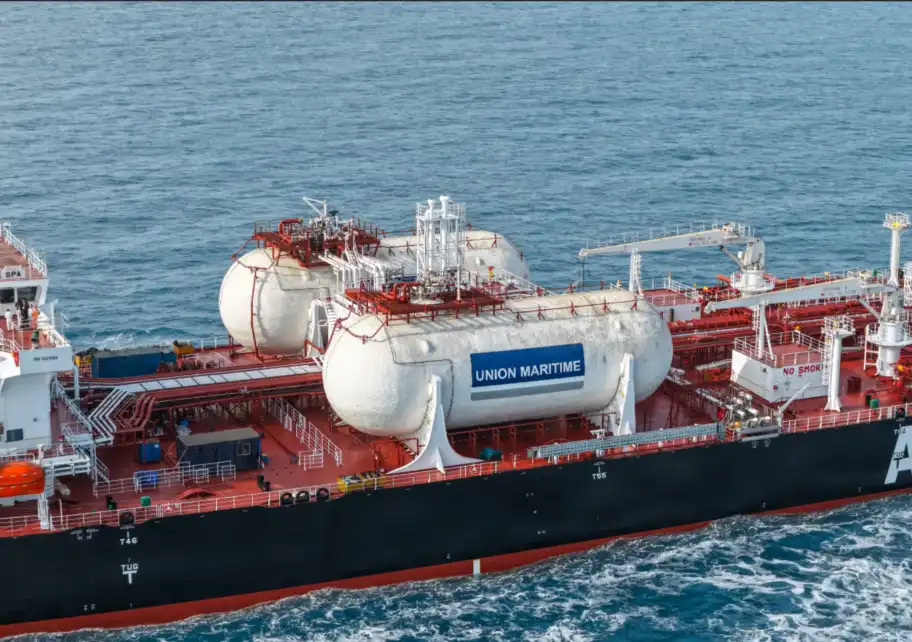
Revolutionary Technology Transforming Maritime Operations
The Need for Sustainable Solutions
Sustainable transportation solutions are now crucial for the maritime industry's survival and are no longer optional. In order to remain competitive, vessel operators must adjust as environmental concerns and regulatory constraints increase. Wind propulsion systems have become a game-changing technology that has completely changed how operators think about environmental responsibility and energy efficiency. These solutions support international initiatives to advance sustainability in maritime operations while also reducing the industry's carbon impact.
Using Wind Power to Increase Efficiency
These complex systems use sophisticated aerodynamics to harness wind energy and transform it into forward thrust, which greatly lessens the need for traditional marine fuels. This cutting-edge technology is the ideal combination of realistic maritime engineering and renewable energy principles, offering solutions that successfully handle operational expenses and regulatory compliance issues. Shipping firms can improve their overall sustainability profile and save a significant amount of fuel by incorporating wind propulsion into their operations.
Flexibility and Future-Proofing Fleets
Wind propulsion systems are becoming more and more important investments for commercial shipping companies looking to future-proof their fleets. The system is incredibly adaptable, adjusting to diverse vessel layouts while retaining peak performance in a range of weather and sailing situations. Because of its versatility, wind propulsion may be successfully applied to a wide variety of vessels, making it a desirable choice for individuals seeking to increase efficiency and comply with changing environmental regulations. Wind propulsion technologies are expected to have a significant impact on how sustainable shipping develops in the future as the maritime sector adopts these advances.
Core Benefits Driving Industry Adoption
Dramatic Fuel Cost Reduction
The remarkable fuel savings that wind propulsion systems provide have a direct effect on operational profitability. For vessel operators with narrow profit margins, these technologies can result in significant cost savings by reducing fuel use by significant percentages. The immediate fuel savings are not the only economic consequence. Operators gain from less reliance on erratic fuel markets, which results in more stable operating expenses and enhanced capacity for financial planning. For long-term charter agreements and route planning, this stability becomes especially important. Owners of ferries and coastal vessels see very quick returns on investment, with payback periods frequently falling considerably short of five years. Many coastal routes have stable wind patterns, which improve system effectiveness and provide the best possible performance for short-route operations.
Environmental Compliance and Carbon Reduction
Wind propulsion systems are crucial for CII compliance and emission reduction goals since modern ships must adhere to ever-tougher environmental laws. These systems retain operational efficiency while making a significant contribution to decarbonization efforts. Operators may reduce CO₂ significantly without sacrificing cargo capacity or vessel performance thanks to the technology. By addressing both corporate sustainability objectives and regulatory obligations, this dual advantage establishes operators as leaders in the industry for environmental stewardship. As port authorities impose more stringent emission regulations, zero-emission port maneuvering capabilities become very attractive. During docking and departure procedures, vessels with wind propulsion systems can minimize or completely remove the need for auxiliary power.
Enhanced Operational Flexibility
Sophisticated control mechanisms are included into wind propulsion systems, which automatically optimize performance based on operating requirements and current weather conditions. Without the need for specific crew training or operational adjustments, this automation guarantees optimal efficiency. Ship-grade materials are used in the systems' sturdy construction, which is tailored for marine environments and ensures reliable operation even under challenging circumstances. Long-term durability guarantees dependable performance throughout long service periods and lowers maintenance needs. Operators may create routes that optimize wind advantage thanks to advanced weather routing capabilities, which further improve fuel savings and shorten travel times. Wind patterns are turned into useful operational assets by this strategic planning skill.
CM Energy's WindWings Technology Leadership
Innovations in Wind Propulsion Technology
With decades of experience in maritime engineering, CM Energy has made a name for itself as a leader in the development of wind propulsion systems. The result of intensive research and development activities centered on innovative sustainable transportation is our TSC brand. Utilizing proprietary three-element rigid sail designs, the company's WindWings technology outperforms conventional wind propulsion options. This sophisticated setup maximizes efficiency in a range of wind conditions by producing greater aerodynamic performance through automated camber and angle adjustments.
Certification and Operational Reliability
Global acceptance and operational confidence are ensured by TSC systems' extensive certification from key classification societies including DNV, BV, and Lloyd's Registry. Operators can feel secure about system dependability and regulatory compliance thanks to this certification support. Intelligent control systems that provide reliable performance with little crew involvement set our technology apart. Adoption for current crews is made simple by the automated feature, which removes the operational complexity frequently associated with wind propulsion systems.
Maximizing Wind Propulsion System Benefits
Strategic Installation Planning
Strategic planning and thorough vessel analysis are the first steps in the successful implementation of a wind propulsion system. To identify the best system configurations, operators should consider their unique route patterns, cargo needs, and operating limitations. Integrated planning strategies that include wind propulsion concerns from early design stages are advantageous to newbuild shipyards and design firms. While preserving cargo handling capabilities, this early integration guarantees ideal system location and maximum aerodynamic efficiency. Analyzing the structural requirements and operational effects of retrofitting older vessels is crucial. Expert installation teams guarantee smooth system integration with current machinery while upholding operational effectiveness and safety regulations.
Operational Optimization Strategies
The establishment of operational procedures and thorough crew training are essential for the efficient use of wind propulsion systems. Although these systems function mostly independently, crews can optimize performance gains by comprehending system capabilities. In order to maximize the efficiency of wind propulsion systems, weather routing becomes essential. To enable strategic route planning that optimizes fuel savings, operators should invest in sophisticated routing software that takes wind patterns into account in addition to conventional navigation considerations. Schedules for routine maintenance guarantee lifespan and continued performance. Predictive maintenance and performance optimization are made possible by CM Energy's extensive lifecycle support, which includes IoT monitoring capabilities.
Performance Monitoring and Analysis
Operators can quantify fuel savings and environmental advantages while discovering chances for optimization through continuous performance monitoring. Comprehensive data collection capabilities that enable in-depth performance analysis are a feature of contemporary wind propulsion systems. Route optimization and real-time performance tracking are made possible by integration with vessel management systems. This data-driven strategy provides documentation for sustainability reporting and regulatory compliance while optimizing system efficacy.
Important Implementation Considerations
Vessel Compatibility Assessment
Installing a wind propulsion system necessitates a careful compatibility investigation to guarantee the best possible integration with the vessel's current systems. System placement and selection are influenced by a number of factors, including as deck space, cargo handling equipment, and structural constraints. When it comes to system location and safety standards, chemical tanker operations offer special concerns. Expert evaluation guarantees that wind propulsion solutions provide the anticipated performance improvements while complementing current safety procedures. Strategic system placement that maximizes aerodynamic performance while maintaining cargo handling efficiency is advantageous for Newcastlemax bulk ships and LR2 tankers. Careful planning guarantees that systems improve operational capabilities rather than impair them.
Regulatory and Classification Requirements
The standards of the classification society and international marine rules must be met by wind propulsion systems. The extensive accreditation of CM Energy's technologies guarantees both regulatory compliance and worldwide operational acceptance. Another important factor is port compatibility, since wind propulsion systems need to function well in a variety of port facilities. Our systems have folding mechanisms that provide operating flexibility while guaranteeing compliance with clearance regulations. The choice and application of wind propulsion systems may be influenced by insurance considerations. Collaborating with seasoned providers guarantees accurate paperwork and adherence to insurance regulations.
Conclusion
The future of sustainable maritime transportation is represented by wind propulsion systems, which provide business owners with effective means of cutting expenses while fulfilling their environmental obligations. From bulk carriers to chemical tankers, the technology offers proven advantages in a variety of vessel types, offering adaptable solutions that meet particular operational needs. This change is spearheaded by CM Energy's WindWings technology, which combines cutting-edge engineering with useful functionality to maximize return on investment. For forward-thinking operators dedicated to operational excellence and environmental stewardship, wind propulsion systems become crucial investments as regulatory constraints increase and fuel prices continue to rise.
Frequently Asked Questions
Q1: How much fuel can wind propulsion systems save?
A: Depending on operations patterns, vessel type, and route circumstances, wind propulsion systems can save between 10% and 30% on fuel. While ocean-going vessels benefit from strategic route planning that exploits wind advantage, coastal routes with stable wind patterns frequently produce higher savings percentages.
Q2: Are wind propulsion systems suitable for existing vessels?
A: A thorough compatibility investigation and expert installation can indeed retrofit wind propulsion systems to existing vessels. To guarantee smooth implementation, the procedure entails structure evaluation, system integration planning, and meticulous coordination with operational requirements.
Q3: What maintenance requirements do wind propulsion systems have?
A: Sturdy construction and low maintenance requirements characterize contemporary wind propulsion systems. Typical maintenance requirements include control system updates, hydraulic system servicing, and routine inspections. Predictive maintenance, which reduces operating disruptions, is made possible by advanced monitoring capabilities.
Partner with CM Energy for Advanced Wind Propulsion Solutions
CM Energy is prepared to use state-of-the-art wind propulsion system technology to improve the efficiency and environmental performance of your fleet. As a leading wind propulsion system manufacturer, we deliver comprehensive solutions that address the unique challenges facing modern maritime operations. Our track record of successful installations on a variety of vessel types attests to our dedication to sustainable transportation innovation. Get in touch with our knowledgeable staff at info.cn@cm-energy.com to learn how our WindWings technology can transform your business while offering significant fuel savings and environmental advantages.
References
1. International Maritime Organization. "Guidelines for the Development and Management of the IMO Strategy on Reduction of GHG Emissions from Ships." Maritime Environmental Protection Committee, 2023.
2. Smith, J.K., et al. "Aerodynamic Performance Analysis of Modern Wind-Assisted Propulsion Systems in Commercial Shipping." Journal of Marine Engineering Technology, Vol. 45, 2023.
3. European Commission. "Sustainable and Smart Mobility Strategy for Maritime Transport." Directorate-General for Mobility and Transport, 2022.
4. Thompson, R.L. "Economic Viability of Wind Propulsion Systems in Commercial Shipping Operations." Maritime Economics Review, Vol. 38, Issue 2, 2023.
5. Chen, M.H., et al. "Environmental Impact Assessment of Wind-Assisted Propulsion Technologies in Bulk Carrier Operations." Marine Environmental Research Journal, Vol. 67, 2023.
6. Anderson, P.G. "Integration Challenges and Solutions for Retrofitting Wind Propulsion Systems on Existing Vessel Fleets." Ship Technology Research Quarterly, Vol. 29, No. 3, 2023.