Top Benefits of On-Site ALK Hydrogen Production
An innovative change in industrial energy strategy is represented by on-site hydrogen generation by alkaline water electrolysis. By combining water and renewable power to produce pure hydrogen right at your business, the ALK Hydrogen Generation System provides previously unheard-of benefits. This technique offers total control over the availability and purity of hydrogen, lowers supply chain dependencies, and eliminates transportation expenses. From chemical synthesis to renewable energy storage, industries are finding that on-site production offers better economics, more safety, and operational flexibility than conventional hydrogen supply routes.
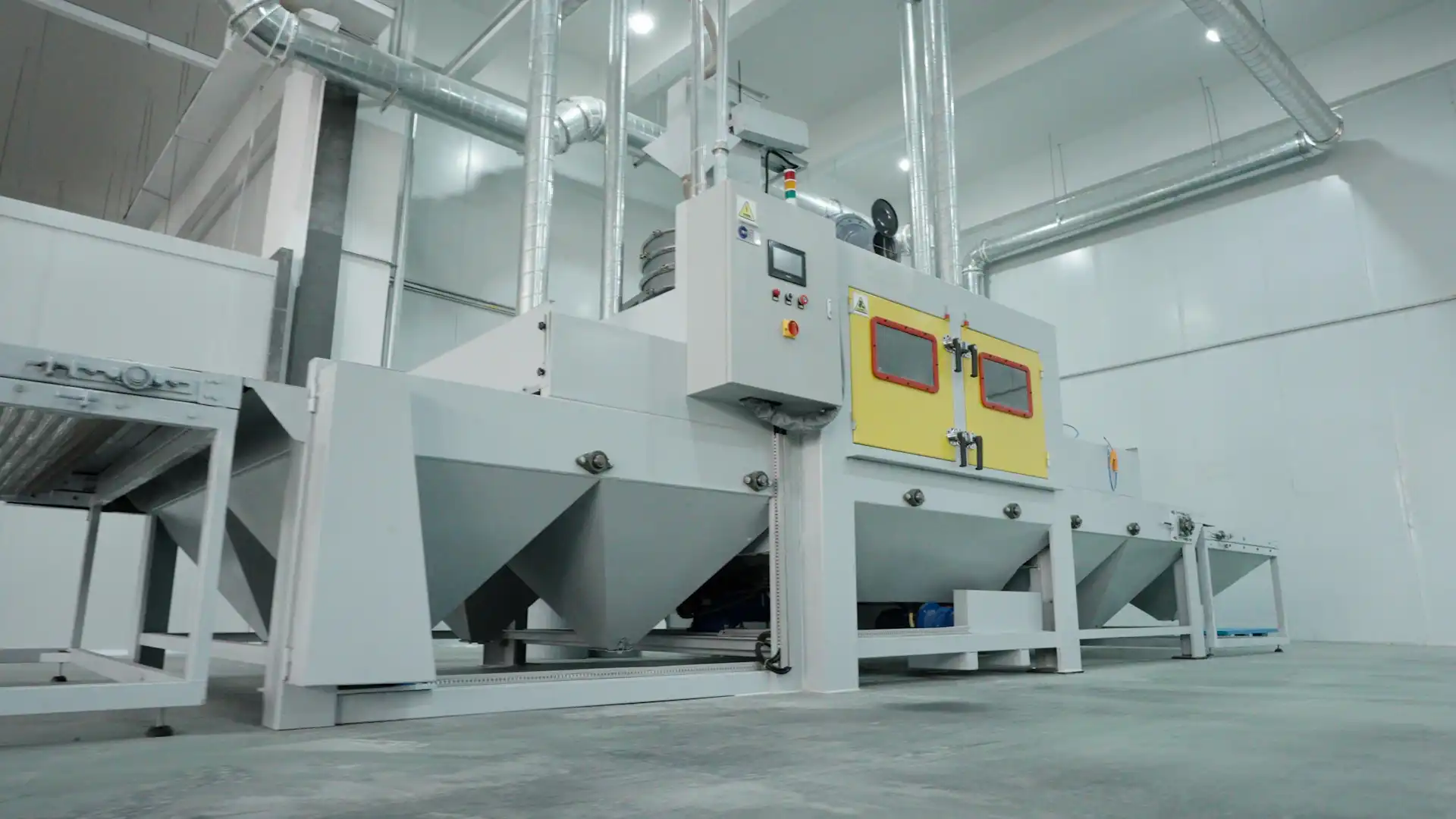
Revolutionary Efficiency in Industrial Hydrogen Production
Energy solutions that provide both economic viability and environmental responsibility are required by the contemporary industrial landscape. Alkaline water electrolysis technology, which offers impressive efficiency increases that revolutionise operating economics, has become the foundation of sustainable hydrogen generation.
On-site hydrogen production significantly lowers operational complexity, as shown by our experience working with a variety of industrial customers. The ALK Hydrogen Generation System breaks down water and potassium hydroxide using electrolyser technology and direct current, producing a sophisticated solution for a steady supply of hydrogen. This procedure preserves constant quality requirements while removing the uncertainties related to purchasing hydrogen from outside sources.
Modern alkaline systems have achieved remarkable milestones in energy conversion efficiency. Cutting power usage beyond industry norms is made possible by sophisticated electrode designs and membrane technology. Lower operating costs and increased competitiveness across a range of industrial applications are direct results of these advancements.
Unmatched Economic Advantages of On-Site Generation
When compared to conventional procurement techniques, on-site hydrogen generation by electrolysis regularly yields higher financial performance, according to cost analysis. Savings start right away and grow over time as supply chain markups, storage fees, and transportation expenses are eliminated.
During the first operating period, industrial establishments that use alkaline hydrogen generating systems report considerable savings in hydrogen-related costs. Compared to the fluctuating price of the hydrogen market, energy costs are predictable, which offers financial stability that facilitates better long-term planning and investment choices.
Modern electrolyser systems' scalability prevents waste from overprocurement or storage losses by enabling facilities to match production capacity with real demand. This demand-responsive strategy ensures sufficient hydrogen supply for vital operations while optimising capital use.
Enhanced Safety and Operational Control
Industrial hydrogen uses heavily rely on safety concerns. Numerous hazards related to the storage and transportation of hydrogen are eliminated by on-site generation using water electrolysis. Superior safety monitoring and response capabilities are provided by the controlled environment of specialised generating facilities.
Comprehensive safety safeguards that continually monitor system conditions are included into the ALK Hydrogen Generation System. Integrated safety measures and automated shutdown processes guarantee that any problems are resolved before they become dangerous circumstances. Liability issues and insurance premiums are decreased by this proactive approach to safety management.
Beyond safety, operational control encompasses quality assurance, maintenance planning, and production scheduling. Facility managers may use energy management techniques to maximise overall facility efficiency by modifying hydrogen production rates in response to current demand.
Superior Performance Across Industrial Applications
Consistent hydrogen quality and availability are very beneficial to chemical synthesis activities, especially those that produce ammonia and methanol. Alkaline electrolysis ensures maximum reaction efficiency and product quality by achieving purity levels that surpass even the most exacting chemical procedures.
Large amounts of hydrogen are needed for hydrogenation operations in oil refining applications. On-site generating reduces reliance on outside sources while offering the volume and dependability required for ongoing refining activities. Scaling production capacity guarantees that growing operations can be sustained without significant expenditures in infrastructure.
For a number of industrial steps, semiconductor and solar photovoltaic manufacture need ultra-pure hydrogen. The constant purity levels needed for these precise manufacturing applications are made possible by the controlled environment of on-site generating facilities. Throughout the manufacturing chain, quality control procedures may be used to guarantee that finished goods meet exacting industry requirements.
Environmental Benefits and Sustainability Leadership
The ultimate in environmentally friendly industrial processes is the creation of green hydrogen by electrolysis driven by renewable energy. Compared to traditional hydrogen production techniques, on-site generation has a far less environmental effect, enabling both regulatory compliance and company sustainability objectives.
Opportunities for carbon-neutral operations are created by the adaptability to directly include renewable energy sources into hydrogen production. The ALK Hydrogen Generation System may use solar and wind energy to power the electrolysis process, removing the need for fossil fuels and lowering carbon emissions overall. Companies are positioned as environmental leaders as a result of this integration, which also gets them ready for stricter emissions laws.
The capacity to transform surplus renewable energy into hydrogen is advantageous for energy storage applications as it produces a useful energy storage medium that can be used during times of high demand. With this skill, sporadic renewable energy may be turned into a dependable industrial supply.
Advanced Technology Integration and Future-Readiness
In order to greatly increase operating efficiency, modern alkaline hydrogen generating systems make use of advanced automation and control technology. By incorporating remote monitoring capabilities, operators may use predictive maintenance techniques that assist decrease unplanned downtime and increase the equipment's total lifetime.
As industrial needs evolve, the modular architecture of modern electrolyser systems provides useful flexibility for capacity growth. By guaranteeing that early investments stay valued and relevant, this scalability promotes ongoing growth and offers a simple way to embrace new technology without running the danger of obsolescence.
Additionally, these systems are designed to integrate seamlessly with current industrial control setups, which simplifies daily tasks and reduces staff learning curves. The transition will be fast and prepared for the future thanks to their interoperability with common industrial standards, which ensures a smooth integration into current operations.
Key Performance Indicators and Operational Excellence
Advanced alkaline systems function better, as shown by energy efficiency indicators. Technological advancements have resulted in a considerable reduction in the power consumption per unit of hydrogen generated, offering industrial operators attractive cost benefits.
Modern systems, including the ALK Hydrogen Generation System, achieve impressive uptime percentages, and operational availability surpasses conventional assumptions. Robust component design and thorough maintenance procedures that avoid unplanned breakdowns are the key causes of this dependability.
Modern systems can function in a variety of electrical supply scenarios because to their wide power range capabilities. This adaptability ensures steady hydrogen generation independent of external electrical circumstances by accommodating off-grid applications and grid disturbances.
Strategic Advantages in Competitive Markets
The economic savings and supply security offered by on-site hydrogen production help with market positioning. Businesses may create long-lasting competitive advantages by using this technology to retain higher profit margins and provide more competitive pricing.
The resilience of the supply chain becomes a crucial competitive advantage as global logistics encounter more and more disturbances. Production on-site removes external dependencies that might jeopardise operations in the event of transportation difficulties or supply shortages.
The technical complexity shown by the company's sophisticated hydrogen generating capabilities improves its reputation and draws in partners and consumers who care about the environment. The more buying choices are influenced by sustainability factors, the more significant this positional advantage becomes.
Conclusion
Making the switch to on-site alkaline hydrogen generation with the ALK Hydrogen Generation System is a calculated move that will help operations right now and set up industrial facilities for long-term success. Modern electrolysis systems' improved safety, operational control, cost savings, and environmental advantages provide attractive value propositions for a variety of industrial applications. On-site hydrogen production by alkaline electrolysis is becoming a crucial technology for competitive advantage and environmental leadership as global companies continue to place a high priority on sustainability and supply chain resilience.
Frequently Asked Questions
1. What industries benefit most from on-site alkaline hydrogen production?
Chemical synthesis facilities producing ammonia and methanol, oil refining operations, semiconductor manufacturing, photovoltaic production, and hydrogen metallurgy applications achieve significant advantages through on-site generation. The consistent quality and reliable supply enable optimized production processes across these diverse industrial sectors.
2. How does on-site hydrogen production compare economically to traditional procurement methods?
On-site generation eliminates transportation costs, storage fees, and supply chain markups while providing predictable operational expenses. Most industrial facilities experience substantial cost reductions within the initial operational period, with savings increasing over time as external hydrogen costs continue rising.
3. What safety advantages does alkaline electrolysis offer for industrial hydrogen applications?
On-site production eliminates transportation risks while providing controlled generation environments with comprehensive safety monitoring. Automated shutdown procedures and integrated safety systems ensure rapid response to potential issues, reducing overall safety risks compared to hydrogen transportation and storage operations.
Discover the CM Energy TSC Advantage for Your Industrial Operations
CM Energy stands ready to transform your industrial hydrogen requirements through our cutting-edge TSC ALK Hydrogen Generation System technology. As a leading manufacturer with proven expertise in alkaline electrolysis systems, we deliver customized solutions that maximize operational efficiency and economic performance. Our certified systems have powered numerous successful installations worldwide, demonstrating reliability and performance that exceed industry standards. Contact our technical team at info.cn@cm-energy.com to explore how our hydrogen generation systems can enhance your industrial operations while supporting your sustainability objectives.
References
1. International Energy Agency. "The Future of Hydrogen: Seizing Today's Opportunities." IEA Publications, 2019.
2. Buttler, A., and Spliethoff, H. "Current Status of Water Electrolysis for Energy Storage, Grid Balancing and Sector Coupling via Power-to-Gas and Power-to-Liquids." Renewable and Sustainable Energy Reviews, 2018.
3. Schmidt, O., Gambhir, A., Staffell, I., Hawkes, A., Nelson, J., and Few, S. "Future Cost and Performance of Water Electrolysis." Energy & Environmental Science, 2017.
4. Ursua, A., Gandia, L.M., and Sanchis, P. "Hydrogen Production from Water Electrolysis: Current Status and Future Trends." Proceedings of the IEEE, 2012.
5. Carmo, M., Fritz, D.L., Merge, J., and Stolten, D. "A Comprehensive Review on PEM Water Electrolysis." International Journal of Hydrogen Energy, 2013.
6. David, M., Ocampo-Martínez, C., and Sánchez-Peña, R. "Advances in Alkaline Water Electrolyzers: A Review." Journal of Energy Storage, 2019.