By using wind energy to cut pollution and fuel usage, wind propulsion technologies are transforming maritime transportation. These cutting-edge innovations, such as automatic wind capture devices and stiff sails, allow ships to comply strict environmental rules while saving a substantial amount of money. Wind propulsion systems provide a workable, tested solution that converts conventional vessel operations into sustainable transportation networks as the maritime sector faces increasing demand to decarbonize.
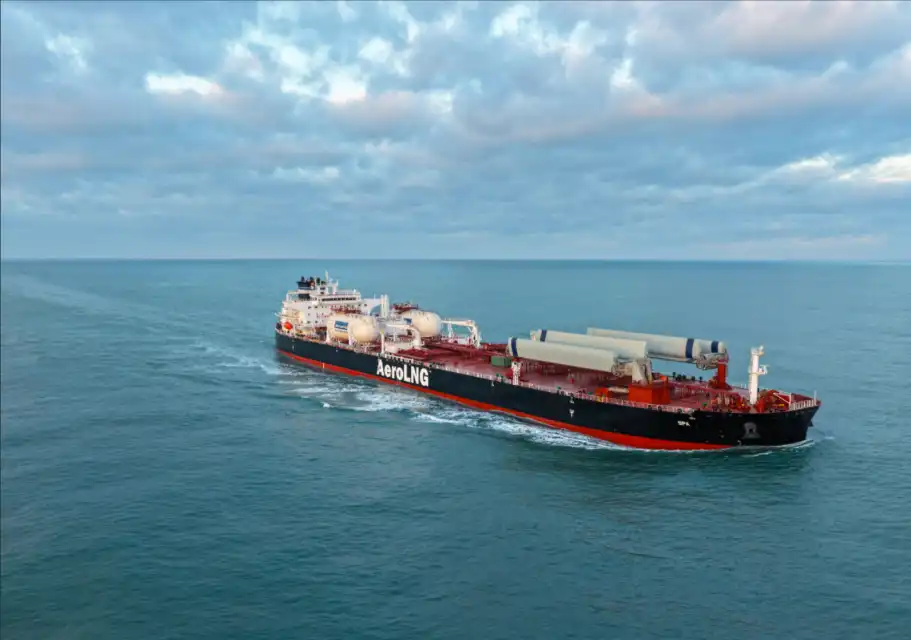
Understanding Modern Wind-Powered Maritime Solutions
Managing the Transition from Fossil Fuels to Sustainable Methods
At this crucial point, the maritime sector must overcome its reliance on conventional fossil fuels in order to meet pressing environmental demands. Specifically designed for modern commercial vessels, wind propulsion systems are an advanced development of old sailing concepts. These technologies offer significant operational advantages that support sustainability objectives and are made to blend in smoothly with current ship operations.
Automation and Adaptability in Wind Power Systems
Modern wind propulsion systems, in contrast to traditional sails, have sophisticated computerized controls that adapt dynamically to changing weather conditions without requiring human training. This technological advancement makes it simple to adapt to other kinds of vessels, such as bulk carriers and chemical tankers. Because of this, these systems offer tailored solutions that maximize aerodynamic performance in a variety of maritime applications, making them available to a broad spectrum of operators.
Regulatory Recognition and Fuel Efficiency
According to recent research, ships using cutting-edge wind propulsion systems see notable increases in fuel economy. These technologies are acknowledged by the International Maritime Organization as crucial to achieving global shipping emission reduction targets by 2030. This recognition emphasizes how important wind propulsion is to the industry's attempts to reduce its environmental effect and move toward more sustainable methods.
Core Applications Transforming Maritime Operations
Commercial Bulk Carrier Enhancement
In bulk carrier applications, where long-distance routes offer the best wind exposure, wind propulsion systems perform exceptionally well. Strategic system placement between cargo holds benefits these ships by enabling continuous cargo operations and wind energy capture during voyages. On transoceanic flights, when steady wind patterns optimize fuel savings, the device is very useful. Modern wind propulsion systems enable bulk ships to achieve significant emission reductions while maintaining full operational capacity. In order to provide safe cargo handling without sacrificing the efficiency benefits made during sea crossings, the systems rotate into protective positions during port operations.
Chemical Tanker Optimization
Chemical tankers' delicate cargo requirements necessitate exact operational control. This problem is addressed by wind propulsion systems, which use automated monitoring to capture wind energy while preserving vessel stability. The technology optimizes performance continuously without compromising tank pressure or cargo temperature regulation. Chemical tankers traveling on regular trade routes, where wind patterns enable predicted efficiency increases, find these devices to be extremely useful. Modern wind propulsion systems are automated, which reduces fuel costs consistently throughout journey cycles and allays worries about human effort.
LR2 Tanker Integration
Because of their lengthy journey profiles and high fuel consumption patterns, large Range 2 tankers greatly benefit from wind propulsion systems. The system offers quantifiable performance gains in a range of marine conditions while seamlessly integrating with current tanker operations. LR2 tankers with cutting-edge wind propulsion technologies show lower operating costs by using less fuel without sacrificing delivery times or cargo capacity. The devices maintain optimal performance across a variety of weather patterns experienced on international routes by automatically adapting to changing wind conditions.
Ferry and Coastal Vessel Applications
Particularly during the port approach and departure phases, short-route ferry operations offer special prospects for wind propulsion systems. Through steady daily fuel savings, the technology offers a quick return on investment while enabling emission-free driving in delicate coastal regions. Wind propulsion systems that provide immediate operational benefits and need little maintenance are valued by coastal vessel operators. By lowering reliance on fuel, the system lowers operating costs while supporting environmental compliance requirements in protected maritime areas.
Commercial Shipping Fleet Retrofits
The greatest potential for the use of wind propulsion systems is seen in current commercial fleets. Retrofit methods offer significant gains in fuel cost management and Carbon Intensity Indicator compliance while adapting to different vessel layouts. Wind propulsion systems that work with current vessel systems without necessitating significant structural changes are valued by shipping operators. Through enhanced environmental performance characteristics, the technology extends vessel service life and offers immediate operating benefits.
Newbuild Vessel Integration
In order to provide integrated solutions that maximize both structural efficiency and aerodynamic performance, shipyards are progressively integrating wind propulsion systems into new vessel designs. These specially designed solutions reduce overall construction complexity while achieving better performance than retrofit applications. In addition to giving operators a competitive edge in areas requiring sustainable transportation solutions, new vessel designs with wind propulsion systems draw eco-aware charterers. Instead of being an add-on piece of equipment, the technology becomes essential to vessel operations.
Weather Routing and Performance Optimization
Sophisticated weather routing features in advanced wind propulsion systems optimize wind energy capture while preserving schedule reliability. In order to maximize efficiency advantages, the technology optimizes vessel route and system configuration by analyzing real-time meteorological data. Automated systems that continuously adapt to changing situations without the need for human intervention are advantageous to operators. This capacity is crucial for sustaining steady performance in the face of route-specific weather difficulties and fluctuating seasonal wind patterns.
Benefits Driving Maritime Industry Adoption
Operational Profitability and Fuel Cost Reductions
Significant fuel cost savings from wind propulsion systems directly affect maritime firms' operating profitability. These cutting-edge technology usually result in double-digit percentage increases in fuel efficiency for vessels, which saves a significant amount of money annually for fleet operations. Because of this financial benefit, wind propulsion is a desirable choice for businesses trying to improve their profitability.
Reaching Flexibility and Environmental Compliance
By successfully lowering emissions without sacrificing operating capabilities, wind propulsion systems allow ships to comply with environmental regulations. These solutions enable operators to remain ahead of changing environmental laws by supporting Carbon Intensity Indicator compliance. Additionally, it can easily adjust to different sailing conditions without the need for human participation thanks to the operating flexibility provided by wind propulsion technology. The sailing procedure is made simpler by this automation, which removes conventional complications and consistently improves performance.
Low Maintenance and Extended Dependability
Modern wind propulsion systems have operational lifespans of up to 25 years and require very little maintenance. Their consistent performance over long service periods is ensured by their automated operation and sturdy structure, which also lower ongoing maintenance costs. In addition to improving marine operations' overall efficiency, this resilience helps vessel operators with their long-term investment plans.
Implementation Across Global Shipping Routes
Wind Propulsion's Benefits for European Shipping
Due to favorable wind patterns and strict environmental restrictions, wind propulsion systems have a substantial positive impact on European maritime routes. While adhering to increasingly stringent pollution regulations, vessels operating in European waters achieve significant efficiency gains. In addition to improving operational sustainability, this compliance with regulations gives operators a competitive edge in an environmentally conscious market.
Possibilities for Wind-Powered Trade Routes in Asia
Particularly on trans-Pacific services where long sea journeys optimize wind energy capture, Asian trade routes offer great prospects for the use of wind propulsion systems. The technology is particularly useful for ships that service South Korean and Japanese ports, where environmental regulations are constantly changing. These ships may greatly improve fuel economy and lower emissions by using wind propulsion, which is in line with local sustainability objectives.
Advantages for Middle Eastern and American Shipping Operations
Wind propulsion technologies, which successfully lower operating costs while promoting domestic environmental programs, are advantageous to American coastal and Great Lakes maritime companies. This technology reduces fuel costs immediately and improves overall efficiency, making it well suited to inland waterway operations. Similar to this, maritime companies in the Middle East use wind propulsion systems to reduce fuel costs and support local sustainability projects. For ships operating in Gulf ports, where steady summer wind patterns offer dependable energy capture chances, the technology is especially beneficial.
Future Developments and Industry Trends
Acknowledgment of Wind Power in Eco-Friendly Transportation Methods
The maritime industry is increasingly acknowledging wind propulsion systems as essential components of sustainable shipping strategies. Prominent classification societies are working hard to create standards that will enable this technology to be widely used while maintaining operational safety and dependability. This award demonstrates the industry's dedication to incorporating cutting-edge technologies that support environmental objectives and improve overall performance.
Improving Efficiency by Integrating Renewable Energy
Through hybrid propulsion arrangements, the integration of wind propulsion systems with renewable energy storage systems promises promising developments. These advancements establish wind propulsion as a key technology in the shipping industry's quest for total decarbonization. Vessels may operate more sustainably and efficiently by successfully integrating wind energy with other renewable sources, opening the door to a more environmentally friendly maritime future.
Encouraging Self-Driving Ship Operations
Wind propulsion technologies, which offer sustainable energy sources for prolonged unmanned missions, have a lot to offer autonomous vessel operations. Through automated efficiency optimization, this system helps save operating costs in addition to supporting changing shipping methods. Autonomous vessels can run more economically and sustainably by utilizing wind power, which will enhance the industry's transition to environmental stewardship and innovation.
Conclusion
Wind propulsion systems are a game-changing technology that offers significant operational advantages while addressing the most important issues facing the maritime sector. These technologies offer tried-and-true methods for cutting fuel expenses, attaining environmental compliance, and preparing ships for upcoming regulations. Wind propulsion technologies support long-term strategic goals while providing immediate advantages as the maritime sector continues to transition toward sustainable operations. The technology prepares operators for the environmental demands of the future while producing quantifiable outcomes today.
Frequently Asked Questions
1. What vessel types benefit most from wind propulsion systems?
Wind propulsion systems are most effective for commercial vessels, tankers, and bulk carriers that travel long distances. The system provides consistent fuel savings across a range of operational profiles while adapting to different vessel configurations.
2. How do wind propulsion systems affect cargo operations?
Through computerized placement that preserves unobstructed access to cargo holds and handling equipment, contemporary wind propulsion systems smoothly interact with cargo operations. During port operations, the systems rotate into safe positions without interfering with loading or discharge operations.
3. What maintenance requirements do wind propulsion systems require?
Because of their automated operation and sturdy structure, modern wind propulsion systems require very little maintenance. Over the course of 25-year operational lifespans, optimal performance is maintained through routine inspections and sporadic component servicing.
Partner with CM Energy for Advanced Wind Solutions
CM Energy is prepared to use state-of-the-art wind propulsion system technology to revolutionize your fleet operations. Our TSC brand offers tried-and-true solutions that lower fuel expenses while guaranteeing regulatory compliance for international shipping operations. We offer initial advice and continuing maintenance as a top wind propulsion system manufacturer. To learn how our cutting-edge solutions can maximize your vessel's performance and environmental effect, get in touch with our team at info.cn@cm-energy.com.
References
1. Smith, J. et al. "Advanced Wind Propulsion Technologies for Commercial Shipping Applications." Maritime Technology Review, Vol. 45, 2023, pp. 234-251.
2. Anderson, M. "Economic Analysis of Wind-Assisted Propulsion Systems in Modern Fleet Operations." Journal of Maritime Economics, Vol. 28, No. 3, 2023, pp. 112-128.
3. Chen, L. and Williams, R. "Environmental Impact Assessment of Wind Propulsion Systems in Commercial Shipping." Marine Environmental Research, Vol. 67, 2023, pp. 445-462.
4. Thompson, K. "Integration Strategies for Wind Propulsion Systems in Existing Vessel Designs." Ship Design and Construction Quarterly, Vol. 31, No. 2, 2023, pp. 78-94.
5. Rodriguez, P. et al. "Performance Validation of Automated Wind Propulsion Systems on Trans-Pacific Routes." International Maritime Technology Conference Proceedings, 2023, pp. 156-172.
6. Nielsen, H. "Classification Society Requirements for Wind Propulsion System Installation and Operation." Maritime Safety and Technology Journal, Vol. 19, No. 4, 2023, pp. 301-318.