LNG Fuel Supply System Suppliers: How to Choose Reliable?
To find dependable LNG Fuel Supply System providers, you need to carefully look at their technical knowledge, track record of operations, and full range of service offerings. As the marine industry moves toward cleaner fuels, the need for more advanced fuel gas supply systems (FGSS) that can work with both low- and high-pressure uses on a wide range of vessel types has grown. Trustworthy providers have a track record of successfully integrating dual-fuel engines, keep up with strict safety standards, and offer full support from system design to long-term maintenance.
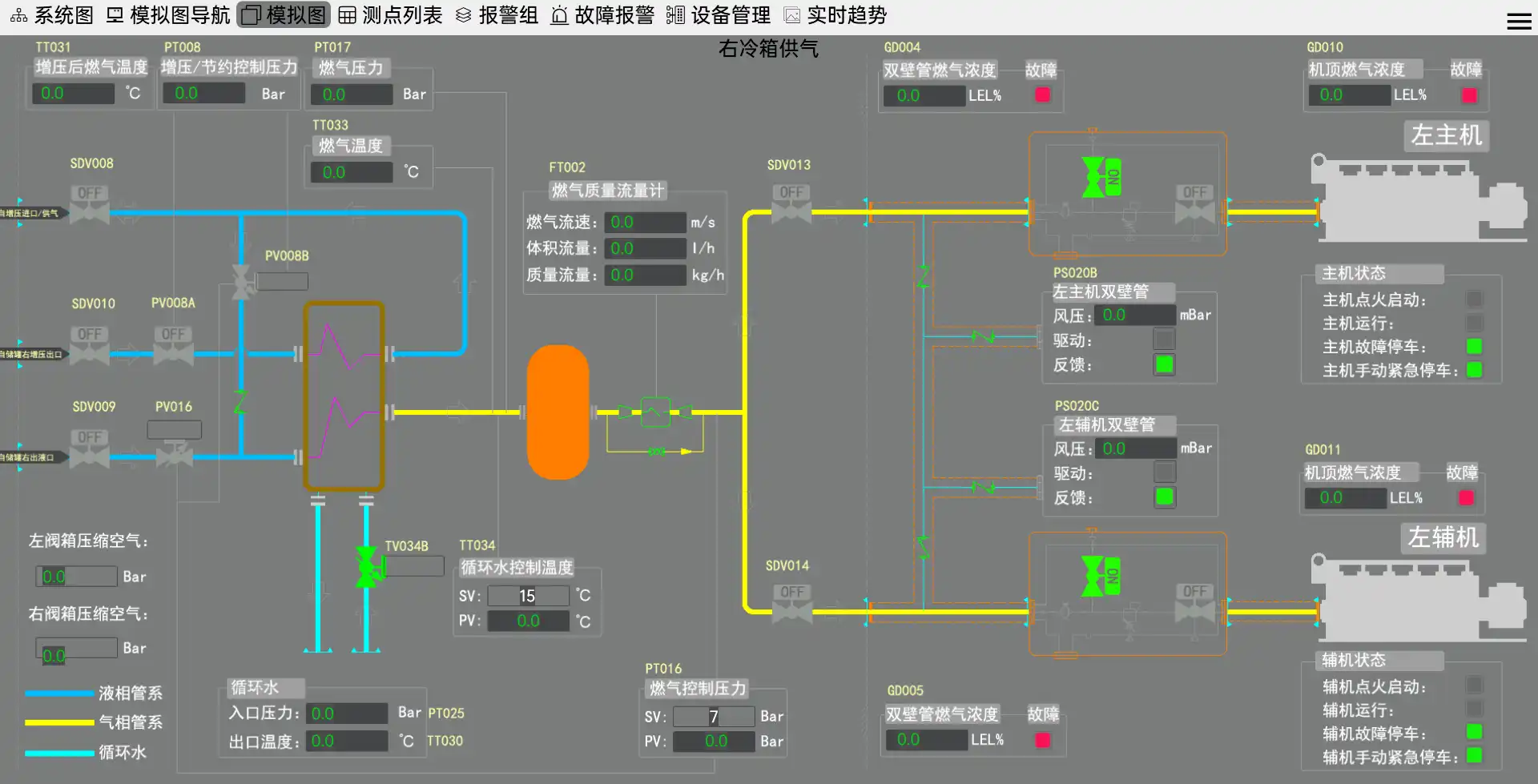
Understanding LNG Fuel Supply Systems: Key Components and Functions
Modern LNG Fuel Supply System technology is an advanced combination of cryogenic engineering and the needs of naval transportation. These systems are very important because they connect storing compressed natural gas at -162°C to the exact fuel delivery factors needed by engines that use both gasoline and diesel. Complexity goes beyond just moving fuel from one place to another. It includes thermodynamic management, safety procedures, and emission compliance features that set professional-grade systems apart from basic ones.
Core System Components and Integration
LNG Fuel Supply Systems are made up of a number of linked units that all work together to make sure that fuel gets to where it needs to go on time. LNG is kept liquid in storage tanks, and complex pumping systems take care of the pressurization needs of different engine types. Vaporization units control the change from a liquid to a gas, and heating systems make sure that combustion cells get the right temperature. The safety measures are probably the most important part of any LNG fuel supply setup. People and equipment are kept safe from the possible dangers of handling cryogenic fuel by emergency shutdown methods, gas detection networks, and automatic blow-down processes. These safety features need to work well with the ship's control systems so that they can protect everyone in all situations.
Operational Flow and Performance Optimization
The operating process starts with managing the LNG storage and ends with precisely conditioning the fuel to meet the needs of the engine. Pressure vessel units (PVU) are used in high-pressure systems made for MAN GI engines to reach pressures above 300 bar. This makes methane slip much less likely than with other methods. Low-pressure setups are used for Otto-cycle engines that need pressures that stay below 16 bar, which has clear benefits for some vessel uses. Advanced systems are different from simple setups because they can manage boil-off gas (BOG). Putting together gas combustion units (GCU) and special stoves makes it possible to use naturally occurring vapor efficiently, turning trash into useful energy. This method improves general fuel economy while keeping the pressure in the tank within safe limits.
Criteria for Choosing Reliable LNG Fuel Supply System Suppliers
When looking at possible providers, you need to be systematic and look at a lot of factors that will have a direct effect on your long-term business success. Because the marine industry is so demanding, companies need to work with others that they can trust in both professional and business matters. When making buying choices, it's important to think about both the short-term needs of the project and the long-term costs that come with owning an LNG Fuel Supply System.
Technical Expertise and Industry Experience
Leading suppliers stand out by showing they are experts in designing and building dual-fuel vessels. If you want to understand complicated working requirements, you need to have experience with liquefied gas ships, chemical tankers, and other related naval systems. One very important skill is being able to change the plans of systems to fit different types of ships while still following international safety rules. Partner networks often show how mature a provider is and where they stand in the market. Working together with well-known engine makers, classification societies, and marine engineering companies shows that you have a deep knowledge of what the business needs. End users usually benefit from better technical help and easier approval processes that come from these partnerships.
Quality Assurance and Certification Standards
Strict quality control procedures make sure that the system works well for long periods of time. International safety and performance standards are met when you get certification from a known classification society. Multiple certificates from different places show that the company is good at quality management and knows how to work in the global market. To meet the needs of a wide range of engines, the ability to manufacture both high-pressure and low-pressure system designs should be available. Modular design methods make fitting faster and easier while also making vessel building simpler. Putting together tools and pipes inside tank cooling systems (TCS) shows advanced technical skills that make the best use of space.
Comparing LNG Fuel Supply System Solutions: Making Informed Decisions
As part of the decision process, all scientific, economic, and operational factors are compared in detail. Different providers have different ways of designing systems, putting together parts, and providing services. By understanding these differences, you can make decisions that are in line with your business goals and working needs.
Technology Differentiation and Performance Metrics
High-pressure FGSS configurations have clear benefits for big commercial ships that need to use the least amount of fuel and have the least amount of effect on the environment. The methane slip has been cut down to about a tenth of what it was in traditional systems. This is good for the environment and meets stricter pollution rules. These devices are especially useful for container ships, tankers, and other big business uses. Low-pressure options are great for certain types of vessels where saving room and making fitting easy are important. Integration into tank cooling systems makes installations small, which makes the best use of deck area while still providing full utility. This method works especially well for Pure Car/Truck Carriers (PCTCs) and special ship layouts where limited room makes system choice harder.
Real-World Performance and Operational Validation
Operational knowledge is very important for understanding how reliable and well a system works. For new installations, there is less danger when the supplier has tools that have worked reliably for long periods of time. The fact that TSC's low-pressure goods have been working normally on real boats for more than a year is clear proof of how reliable the system is and how mature the design is. Case studies from setups that worked well show the benefits in real life and back up what suppliers say about performance and dependability. These examples from real life are very helpful because they show how installation problems, operational features, and upkeep needs can affect a person's long-term happiness with their supplier choice.
How to Match LNG Fuel Supply System Solutions to Your Business Needs?
For procurement to go well, LNG Fuel Supply System skills must be carefully matched with specific operating needs. Different types of ships, trade routes, and operating patterns create unique requirements that affect the best system choice. By understanding these factors, procurement teams can more accurately evaluate suppliers and develop precise LNG Fuel Supply System specifications.
Vessel-Specific Requirements and Applications
Bulk carriers that carry between 40,000 and 400,000 DWT need strong systems that can handle changing load conditions and keep fuel efficiency high in a variety of working situations. Integration problems for these ships usually have to do with making the best use of room and making sure that repair workers can get to things during long trips. Crude oil ships, such as those with LR1/LR2/VLCC/ULCC designs, need systems with more safety features and the ability to work in case of an emergency. Because of the dangerous nature of the shipping setting, there need to be more safety rules and ways to respond to emergencies. These requirements affect how the system is designed and how suppliers are chosen.
Customization and Integration Capabilities
Advanced providers let you make a lot of changes that fit the needs of your vessel and your practical limitations. Putting together combined parts that hold whole systems with already-installed equipment and pipes makes installation easier and lowers the risks of building something. This all-in-one method is especially helpful for companies that don't have much experience with LNG systems. Strategic relationships with Norwegian design firms and other foreign partners show that suppliers are dedicated to providing cutting-edge solutions for the market. These connections often give you access to cutting edge technologies and design methods that make systems work better and be more reliable.
Final Checklist and Best Practices for Procuring LNG Fuel Supply Systems
To do buying right, you need to carefully look at the technical, business, and operational factors that affect performance and happiness in the long run. A structured method lowers risks and makes sure that the capabilities of the system match the needs of the business.
Due Diligence and Technical Verification
A full review of a supplier should look at their working history, technical skills, and ability to stay in business. Checking references with current customers is a great way to learn about how well a company does their job and the quality of their service. Reviewing the technical specifications makes sure that they work with the ship's systems and follow all the rules that apply. The performance requirements, shipping dates, and warranty support should all be made clear in the contract terms. Knowing what services are available and what kind of care is needed helps set reasonable operating goals and make budgets. It's impossible to say enough about how important thorough technical documents and training programs are for integrating systems well.
Long-Term Partnership Considerations
Long-term business success and system performance are improved by building strong ties with suppliers. When compared to companies that only sell tools, suppliers that offer full lifecycle support from creation to maintenance have a lot of benefits. There are upgrade tracks and technology refresh choices that make sure the system stays useful for as long as the vessel is in use. The availability of service networks and expert help has a direct effect on how well operations run and how reliable the system is. Global reach and local service availability cut down on reaction times and keep operations running as smoothly as possible during emergencies or repairs.
Conclusion
To find trusted suppliers for installing the LNG Fuel Supply System, you need to look at their technical skills, working experience, and dedication to customer service. As the marine industry moves toward cleaner fuels, it opens up possibilities for companies that have experience with dual-fuel technologies and designing cryogenic systems. To be successful, you need to work with providers who know how complicated the needs of modern maritime operations are and can come up with new ways to meet those needs and any new rules that come up in the future.
FAQ
1. What factors influence LNG fuel supply system pricing?
Pricing for systems depends on how much customization is needed, how complicated the connection is, and how much pressure is needed. Because they have special parts and more safety measures, high-pressure versions made for MAN GI engines usually cost more. Final pricing is also affected by the need for customization, changes that are special to the vessel, and certification.
2. How frequently should LNG fuel systems undergo maintenance?
Maintenance plans change based on how busy the business is and the weather, but they usually follow what the maker suggests and what the classification society requires. Regular checks of cryogenic parts, safety systems, and control links make sure that the tank keeps working reliably and in line with regulations for as long as it is in use.
3. What certifications should reputable suppliers maintain?
Some of the best providers keep their licenses up to date with DNV, Lloyd's Register, and ABS, among others. ISO quality management standards show that quality control methods are organized and systematic. Pressure tanks, safety systems, and marine tools that are certified for their specific products show that they meet international standards and government rules.
Partner with CM Energy for Advanced LNG Fuel Supply System Solutions
Through our full range of LNG Fuel Supply System maker skills, CM Energy is ready to help you make the switch to better marine fuel technologies. Our TSC brand offers tried-and-true methods that have been used successfully in a wide range of marine situations, from bulk carriers to specialized offshore boats. We offer custom systems that meet your specific operational needs because we have a lot of experience designing vessels that can use both diesel and gasoline, and we have strategic ties with top engine makers. Our integrated method includes everything from designing the system from the start to providing long-term upkeep support, making sure that it fits in perfectly with your current processes. Get in touch with our knowledgeable staff at info.cn@cm-energy.com to find out how our cutting-edge fuel supply systems can help your ship be better for the environment while still running efficiently.
References
1. International Maritime Organization. "Guidelines for Systems and Installations for Supply of LNG as Fuel to Ships." Maritime Safety Committee, 2017.
2. Society of Naval Architects and Marine Engineers. "LNG as Marine Fuel: Challenges and Opportunities in System Design." Marine Technology Journal, 2023.
3. DNV Classification Society. "Rules for Classification of Ships Using Gas as Fuel." Technical Standards Publication, 2022.
4. Marine Engineering Research Institute. "Comparative Analysis of Dual-Fuel Engine Technologies in Commercial Shipping." Annual Technical Review, 2023.
5. International Gas Union. "LNG Bunkering Guidelines for Marine Applications." Safety and Technical Standards Committee, 2022.
6. Maritime and Port Authority Technical Advisory. "Best Practices for LNG Fuel System Installation and Operation." Industry Guidelines Publication, 2023.