The Advantages of Rigid Wing Sails in Modern Marine Engineering
There is tremendous demand on the maritime sector to cut emissions without sacrificing operating effectiveness. With the use of stiff wing sail technology, modern maritime engineering has found a ground-breaking answer. These cutting-edge propulsion technologies, which offer better aerodynamic performance and automated control capabilities, mark a paradigm leap from conventional sailing techniques. Rigid wing sails are perfect for commercial vessels looking for sustainable energy solutions because, in contrast to traditional fabric sails, they consistently provide thrust and collect the best wind in a variety of weather conditions.
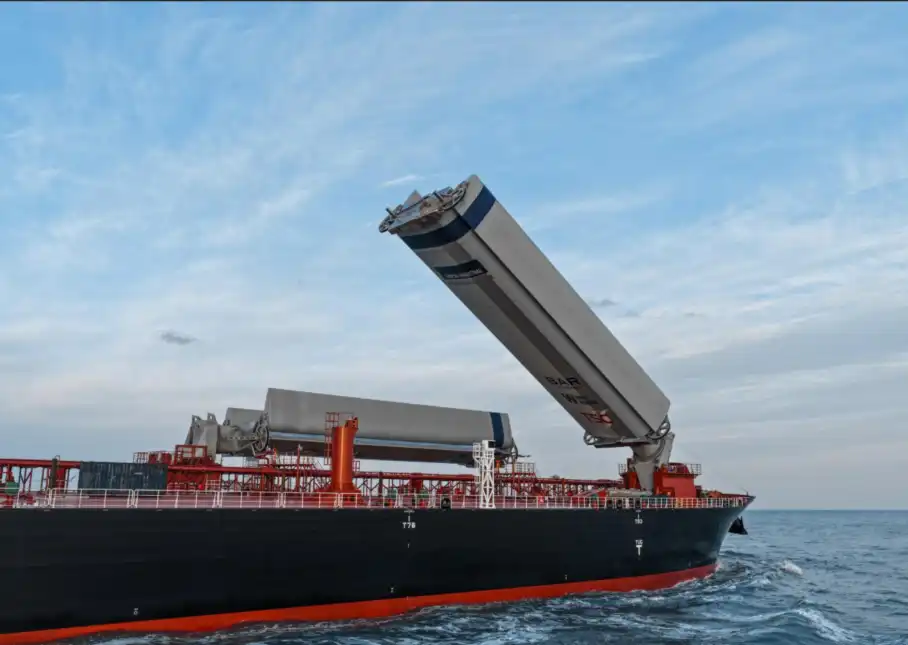
Understanding Rigid Wing Sail Technology in Today's Shipping Industry
Innovations in Rigid Wing Sail Technology
The use of rigid wing sail systems has completely changed how commercial ships use wind propulsion. These complex structures maximize lift generation while solving drag reduction issues by utilizing steel construction and modern composite materials to produce three-element layouts. This creative design represents a major breakthrough in using wind energy for maritime operations.
Automated Enhancement of Performance
Rigid wing sail technology includes automatic alignment devices that continuously modify the angle of attack and camber in response to current wind conditions. Throughout a journey, this automated method guarantees peak performance and removes human mistake. These technologies improve a vessel's overall operational effectiveness and fuel efficiency by dynamically adjusting to changing environmental circumstances.
Accreditation and Industry Acknowledgment
Professionals in marine engineering agree that rigid wing sails offer significant benefits over conventional wind turbine installations. Because of the enhanced sailing dynamics produced by the aerodynamic design principles, vessels are able to use renewable energy more effectively than ever before. Additionally, these technologies have been approved for commercial usage by classification societies like Lloyd's Register, Bureau Veritas, and DNV. Their clearance promotes increased confidence in the deployment of this cutting-edge technology by highlighting the adherence to safety and dependability requirements necessary for contemporary shipping operations.
Core Benefits and Key Performance Indicators
Improving Fuel Cost Reduction and Energy Efficiency
The main benefit of using rigid wing sail technology in commercial shipping is increases in energy efficiency. The successful integration of wind propulsion with conventional power systems has resulted in significant fuel cost reductions, according to operators. In addition to improving operational effectiveness, this synergy advances a more environmentally friendly method of maritime logistics.
Advanced Control and Design Systems
Rigid wing sails' lightweight structure maximizes thrust generating capacity while reducing the effect on vessel weight. Durability is ensured without sacrificing performance metrics by using cutting-edge materials like carbon fiber composites. Additionally, advanced control technologies enable crews to maximize performance in a variety of weather conditions by precisely adjusting sailing dynamics. These automated features make it simpler for operators to efficiently run their boats by lowering operational complexity and improving safety procedures.
Long-Term Value and Sustainability
By consistently using renewable energy, rigid wing sail technology allows for a substantial reduction in carbon impact. In line with international sustainability objectives, vessels fitted with these devices show quantifiable reductions in emissions during routine operations. Furthermore, advanced foil technology is integrated to improve stability. The three-element design produces a balanced lift distribution, which lessens vessel motion in difficult sea conditions. The long lifespan of these systems provides long-term value for marine operators looking for sustainable investment returns, while the sturdy construction of composite materials keeps maintenance requirements low.
CM Energy's WindWings® Versus Alternative Solutions
WindWings® Technology's Innovative Design and Performance
The proprietary three-element design concepts of CM Energy's WindWings® technology set it apart from traditional rigid wing sail alternatives. When compared to conventional single-element setups, the TSC brand's innovative maritime propulsion systems offer improved aerodynamic performance. WindWings® is a powerful option in the field of wind propulsion because of its cutting-edge design, which maximizes fuel efficiency while simultaneously improving thrust generation.
Automation and Verification for Increased Reliability
The performance claims of WindWings® are supported by independent verification by prestigious fluid dynamics universities. The Wolfson Unit's research demonstrates that these systems produce thrust capabilities that much above those of conventional alternatives. Additionally, TSC WindWings® systems have completely automatic camber adjustment mechanisms that react in a matter of seconds to variations in wind conditions. This capacity to respond quickly outperforms the manual adjustment solutions offered by rival manufacturers, guaranteeing peak performance at all times.
Adaptable Integration and Sophisticated Travel Scheduling
WindWings® is an adaptable solution for a variety of vessel types because of its installation versatility, which supports both newbuild integration and retrofit applications. Without requiring significant structural changes, the modular design method enables adaptation to meet particular vessel requirements. Furthermore, WindWings® systems have sophisticated weather routing features that provide tactical benefits for trip planning. The technology improves operating efficiency and sustainability by optimizing route selection based on wind pattern forecasts and vessel performance attributes through the use of complex algorithms.
Maximizing Benefits Through Proper Implementation
Thorough Analysis of Vessel Compatibility
Prior to installation, a comprehensive vessel compatibility investigation is required for the successful deployment of rigid wing sails. Crucial elements including deck space availability, cargo handling equipment clearance, and structural load distribution must be assessed by marine engineering experts. This thorough evaluation guarantees that the wind propulsion system can be successfully installed without jeopardizing the safety or operational capabilities of the vessel.
Programs for Crew Training and Route Optimization
In order to maximize the advantages of wind propulsion, route optimization is essential. When opposed to vessels traveling through locations with erratic weather patterns, vessels operating within reliable wind corridor areas can save a substantial amount of fuel. To guarantee safe operation and maintenance procedures, it is also crucial to put in place comprehensive crew training programs. Operators can achieve optimal performance while adhering to safety regulations by having a solid understanding of control system functionality, which promotes an efficient and accountable culture on board.
Upkeep and Integration for Improved Results
Maintaining aerodynamic efficiency over long operating durations requires regular maintenance plans. By establishing inspection procedures, possible problems can be found before they have a detrimental impact on sailing technology performance. To ensure smooth functioning, integration with current propulsion systems also necessitates thorough calibration. Energy efficiency is maximized while maintaining operational flexibility when systems are properly coordinated. This process is further improved by IoT-based performance monitoring, which offers real-time data on fuel consumption and thrust generation patterns, allowing for ongoing operational parameter modification for better overall performance.
Installation and Integration Considerations
Basis of Rigid Wing Sail Compatibility Analysis
For rigid wing sails to be implemented successfully, compatibility analysis is necessary. To identify the best mounting arrangements and required structural strengthening, engineering teams thoroughly analyze vessel specifications. By ensuring that the wind propulsion system can be easily connected, this fundamental step maximizes performance while upholding operational and safety regulations.
Procedures for On-Site Assembly and Quality Control
A crucial stage that verifies system functioning prior to component delivery to installation sites is factory acceptance testing. Thorough quality control methods guarantee that every component satisfies the required performance criteria, giving assurance regarding the dependability of the system. Assembly processes follow established guidelines that have been developed via substantial installation experience while on-site. By ensuring that safety regulations are upheld during the installation process, skilled technicians reduce the dangers involved in integrating new technologies.
Class Approval and Operational Considerations
Careful preparation for port clearance is essential when deploying ships with stiff wing sails. Decisions about operational planning and route selection are heavily influenced by height limitations and bridge clearances. Additionally, accurate positioning calculations are required when interacting with cargo handling equipment. The sails are positioned strategically to provide smooth hatch cover operations and crane functionality free from sail structural interference. Lastly, acquiring class approval paperwork offers the certification required for global operations. In order to expedite the approval procedures for clients and enable more seamless shifts to environmentally friendly shipping methods, CM Energy actively maintains contacts with international classification societies.
Future Developments in Rigid Wing Sail Technology
Innovations in Materials and Control Systems
The performance parameters of stiff wing sails are constantly being improved by advanced materials research. New composite materials offer better strength-to-weight ratios, increasing productivity while lowering production costs. Furthermore, artificial intelligence algorithms that enable predictive performance optimization are increasingly incorporated into the evolution of control systems. These systems can predict the best configurations based on past data trends thanks to machine learning capabilities, which enable dynamic modifications that optimize sailing efficiency.
The Integration of Hybrid Propulsion in the Future
In marine engineering applications, hybrid propulsion integration is an important frontier. Comprehensive sustainable propulsion solutions can be created by integrating electric motor systems, hydrogen fuel cells, and rigid wing sails. This creative strategy strengthens the industry's commitment to lowering carbon emissions while simultaneously improving energy efficiency. In this situation, scaling technologies are essential because they enable larger installations that can accommodate huge commercial vessels, such as the biggest bulk carriers and tankers involved in international operations.
Monitoring the Environment for Adherence and Enhancement
Real-time feedback on emission reduction accomplishments is made possible by the integration of environmental monitoring systems. In order to facilitate reporting for regulatory compliance, sophisticated sensors are used to monitor improvements in fuel usage patterns and carbon footprints. In addition to advancing sustainability objectives, this emphasis on environmental responsibility improves the operational transparency of ships employing rigid wing sails. Shipping firms can maximize their performance indicators and more effectively show their dedication to eco-friendly practices by utilizing these technologies.
Conclusion
A revolutionary development in marine engineering, rigid wing sail technology provides commercial operators with workable solutions for lowering emissions and increasing operating effectiveness. Through comprehensive real-world validation and certification by top classification organizations, CM Energy's WindWings® systems exhibit proven performance. Rigid wing sails are a crucial part of sustainable shipping tactics because of their automated control systems, sturdy construction materials, and adaptable installation possibilities. Long-term benefits from investing in this technology include reduced fuel costs, improved environmental stewardship, and regulatory compliance.
Frequently Asked Questions
Q1: How long does installation take for rigid wing sail systems?
A: The size of the vessel and the complexity of the configuration determine how long the installation takes. The majority of commercial installations, including factory acceptance testing and commissioning procedures, are finished in a few weeks. In the early stages of consulting, CM Energy offers comprehensive project schedules.
Q2: What maintenance requirements exist for rigid wing sails?
A: Most crew members are familiar with normal deck crane operations, which are similar to maintenance processes. Hydraulic systems, control parts, and structural integrity evaluations are the main topics of routine inspections. Long-term servicing plans guarantee peak performance for the duration of the system's life.
Q3: Can existing vessels retrofit rigid wing sail technology?
A: A large percentage of rigid wing sail installations are retrofit applications. The structural changes needed for safe integration are found through compatibility analysis. Customized retrofit solutions for various vessel types and operational needs are CM Energy's area of expertise.
Partner with CM Energy for Advanced Rigid Wing Sail Solutions
CM Energy leads the rigid wing sail manufacturer industry through innovative WindWings® technology and comprehensive lifecycle support services. We have a track record of successfully completing installations in commercial fleets all around the world, resulting in quantifiable fuel and pollution savings. To explore specialized rigid wing sail solutions that are suited to your operational needs and sustainability goals, get in touch with our engineering team at info.cn@cm-energy.com.
References
1. International Maritime Organization. (2023). "Wind-Assisted Propulsion Systems: Guidelines for Commercial Implementation." IMO Technical Publications.
2. Maritime Research Institute Netherlands. (2022). "Aerodynamic Performance Analysis of Rigid Wing Sail Systems in Commercial Shipping Applications." MARIN Technical Report Series.
3. Society of Naval Architects and Marine Engineers. (2023). "Advanced Composite Materials in Marine Propulsion Systems." SNAME Technical Papers Collection.
4. DNV Maritime Advisory. (2022). "Classification Requirements for Wind-Assisted Propulsion Technologies." DNV Technical Standards Publication.
5. Wolfson Unit Naval Architecture. (2023). "Fluid Dynamics Validation of Three-Element Rigid Wing Configurations." University of Southampton Research Publications.
6. Lloyd's Register Group. (2022). "Type Approval Procedures for Innovative Marine Propulsion Systems." LR Technical Guidelines Manual.