Diverse Uses of Centrifugal Pumps Across Industries
One of the most adaptable and extensively used fluid handling technologies in a variety of industrial areas is centrifugal pumps. Through their impeller-driven systems, these rotodynamic devices transport liquids, slurries, and different fluid combinations using centrifugal force. Centrifugal pumps have developed into essential workhorses that maintain the smooth and effective functioning of industrial processes, from offshore drilling platforms to urban infrastructure projects. The widespread adoption of these pumping systems stems from their remarkable adaptability to handle diverse fluid characteristics, pressure requirements, and operational environments. Industries ranging from energy exploration to environmental remediation rely heavily on centrifugal pump performance to maintain productivity and meet operational demands.
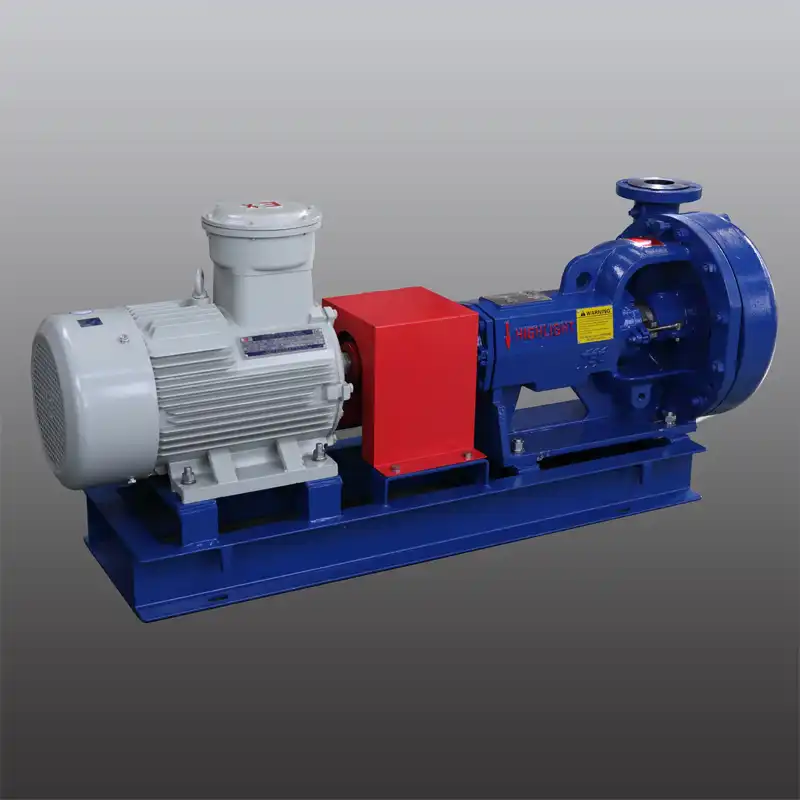
Understanding the Core Applications of Industrial Pumping Systems
In many demanding applications, centrifugal pumps are the best option when looking at the industrial fluid handling environment. These devices perform well in settings that prioritise dependability, effectiveness, and continuous operation.
Engineers may tailor solutions for particular industrial needs because of the design adaptability of Centrifugal Pumps. Whether managing corrosive fluids in chemical processes or handling abrasive slurries in mining operations, these pumps consistently perform well under demanding operating circumstances.
Advanced materials and hydraulic engineering concepts have greatly changed the design of modern pump impellers. Centrifugal pumps may now achieve greater pump efficiency while remaining durable in demanding industrial settings thanks to this advancement.
Offshore Drilling Platform Operations
One of the most demanding settings for fluid handling equipment is offshore drilling rigs. In order to handle drilling mud, seawater injection, and waste management operations, jack-up rigs and semi-submersible platforms need sturdy centrifugal pumps.
These naval systems have particular difficulties because of space limitations, seawater corrosion, and the need for constant operation in inclement weather. Centrifugal pumps made for offshore use need to continue to operate dependably even when subjected to continuous vibration and movement from ocean waves.
Drilling depth and formation properties have a significant impact on the pump flow rate required for offshore platforms. Drilling fluid circulation is maintained by high-capacity pumps, which also efficiently remove drill cuttings and preserve wellbore stability. Furthermore, these systems provide general platform utilities, ballast control, and fire suppression.
Worldwide platform operators have come to recognise TSC's specialised offshore pumping systems. Replicated bearing systems and corrosion-resistant materials are included into the company's heavy-duty designs to optimise uptime in crucial activities.
Land-Based Shale Gas Drilling Operations
High-performance fluid handling systems are now in greater demand as a result of the energy industry's transformation due to shale gas production. Centrifugal pumps that can precisely and dependably handle hydraulic fracturing fluids, generated water, and chemical additives are necessary for land-based drilling operations.
Because shale drilling involves greater well depths and higher pressure formations, the pump head requirements are often larger than in conventional applications. Usually involving multi-stage fracturing procedures, these activities need reliable pump performance over long operating times.Centrifugal pumps consistently perform well under demanding operating circumstances.
Remote drilling sites are particularly important for pump maintenance since equipment failure may cause major operating delays. Easily replaceable worn parts and streamlined maintenance protocols are features of contemporary centrifugal pumps designed for shale applications that save downtime.
In shale operations, environmental factors also influence the choice of pump. Pump curves that are efficient lower energy usage and operating costs, while sealed systems stop fluid leaks.
Geothermal Well Drilling and Maintenance
The growth of geothermal energy necessitates sophisticated pumping technologies that can manage caustic geothermal brines and high-temperature fluids. at geothermal applications, centrifugal pumps have to continue to function efficiently even at very hot or cold temperatures that might beyond typical industrial benchmarks.
The distinct chemistry of geothermal fluids poses difficulties for the longevity of the impeller and the integrity of the pump shaft seal. For scale development and mineral precipitation, open impeller pumps that don't clog and have steady flow characteristics are necessary.
Centrifugal pumps are essential to the maintenance of geothermal wells for production testing, chemical injection, and circulation cleaning. These uses need accurate flow control and the capacity to manage fluctuating fluid densities under changing pressure and temperature conditions.
Specific materials and bearing arrangements designed to endure the harsh conditions seen in geothermal wells are included into TSC's geothermal pumping systems. In these demanding conditions, dependable performance is guaranteed by the company's expertise with high-temperature applications.
Directional Drilling for Urban Infrastructure
In order to install utilities without interfering with surface operations, directional drilling methods are becoming more and more important in urban infrastructure development. In these space-constrained settings, centrifugal pumps are essential for bentonite mixing, drilling mud circulation, and hole cleaning activities.
In urban drilling applications, where equipment choices are limited by noise regulations and the proximity to existing buildings, pump vibration control becomes more crucial. To reduce operating disruption, modern centrifugal pumps use vibration dampening devices and sophisticated bearing designs.
The need for high-efficiency pumps that provide optimal performance in the smallest amount of area is driven by the small footprint needed for urban drilling operations. In order to address equipment arrangement restrictions, these applications often need for pumps having the capacity to rotate anticlockwise.
In urban settings, pump maintenance and troubleshooting must be completed promptly to reduce project delays and neighbourhood effect. Standardised spare parts stocks and easier access to pump components guarantee quick resolution of operational problems.
Deepwater Exploration Vessels
The cutting edge of offshore energy development is represented by deepwater exploration boats, which call for the most sophisticated pumping systems on the market. These specialised boats provide significant difficulties for fluid handling systems since they operate in water that is deeper than several thousand feet.
In deepwater applications, where static head pressures and lengthy pipe runs may impact pump performance, the suction properties of the pump become crucial. In order to avoid cavitation and preserve dependable operation, advanced pump hydraulic design guarantees sufficient pump NPSH (Net Positive Suction Head).
Pump selection for deepwater boats is based on redundancy and dependability since equipment failure may cause expensive operating delays. Automated backup systems and a variety of pump configurations guarantee uninterrupted operation even during maintenance procedures.
On deepwater vessels, integrating the pump system requires precise coordination with dynamic positioning equipment and vessel motion correction systems. Despite vessel movement and changing sea conditions, centrifugal pumps must continue to operate consistently.
Mining Core Sampling Operations
Core sample programs play a key role in mining exploration and development by assessing ore resources and organising extraction activities. By offering drilling fluid circulation, sample cleaning, and waste management capabilities, centrifugal pumps assist these operations.
Mining fluids' abrasive properties need strong pump designs, such as Centrifugal Pumps, with impellers and casings that can withstand wear. Pump bearing protection becomes crucial to extending operating life and preventing contamination-related premature failure.
Since dependable power infrastructure is often lacking in remote mining regions, pump motor flexibility to handle different power sources and voltage situations is necessary. Pump packages powered by diesel provide operational independence in places without access to the grid.
Precise pump flow rate management is necessary for sample quality preservation in order to avoid contamination and guarantee representative core recovery. For certain geological circumstances, operators may optimise drilling parameters with the use of variable speed drives and flow monitoring devices.
Environmental Remediation Drilling
Specialised drilling methods are being used more and more in environmental cleanup operations to treat polluted groundwater and soil. In these delicate applications, centrifugal pumps manage waste processing, chemical injection, and polluted fluids.
When working with volatile organic chemicals and other dangerous substances that might evaporate at low pressure, it becomes imperative to avoid pump cavitation. Safe operating conditions are maintained and vapour production is avoided with careful pump selection and system design.
Pump design specifications for environmental applications are driven by containment and leak avoidance. Throughout cleanup activities, environmental safety is guaranteed by containment basins, double mechanical seals, and leak detection systems.
As pollution levels fluctuate throughout the remediation process, the pump discharge characteristics must adapt to different fluid properties. Operators may modify performance parameters as project circumstances change thanks to flexible pump setups.
Conclusion
The fact that centrifugal pumps are used in so many different sectors shows how essential they are to contemporary industrial processes. These adaptable devices are constantly changing to satisfy more demanding operational needs, from the development of urban infrastructure to offshore energy exploration. Centrifugal pump technology evolves via better materials, more sophisticated designs, and more intelligent control systems as industries move toward more difficult and complicated applications. As producers like CM Energy are coming up with new ways to meet changing industrial demands, the future holds even more efficiency and dependability for Centrifugal Pumps. Knowing the particular needs of every application guarantees the best possible pump choice and optimises operational performance in a variety of industrial sectors.
Frequently Asked Questions
1. What factors determine centrifugal pump selection for industrial applications?
Pump selection depends on several key factors including required flow rate, head pressure, fluid characteristics, and operational environment. Engineers must consider pump efficiency, maintenance requirements, and material compatibility when specifying centrifugal pumps for specific applications.
2. How do centrifugal pumps handle abrasive and corrosive fluids?
Modern centrifugal pumps incorporate specialized materials such as high chrome and stainless steel construction to resist wear and corrosion. Open impeller designs and replaceable wear components ensure extended service life when handling challenging fluid conditions.
3. What maintenance practices maximize centrifugal pump performance?
Regular pump maintenance includes bearing lubrication, seal inspection, and impeller clearance checks. Monitoring pump curves and performance parameters helps identify potential issues before they result in equipment failure.
Partner with CM Energy for Superior Centrifugal Pump Solutions
CM Energy stands as a trusted centrifugal Pumps manufacturer with over a decade of proven excellence in demanding industrial applications. Our TSC brand pumps deliver exceptional performance across offshore drilling, mining, and infrastructure projects worldwide. With 159 authorized patents and comprehensive technical support, we provide customized pumping solutions backed by 24/7 global service capabilities. Contact info.cn@cm-energy.com to discuss your specific pumping requirements.
References
1. American Petroleum Institute. "Recommended Practice for Centrifugal Pumps for Petroleum, Petrochemical and Natural Gas Industries." API Standard 610, 11th Edition, 2018.
2. Hydraulic Institute. "Centrifugal Pump Design and Application Guidelines for Industrial Applications." HI Standards Publication 9.6.3, 2017.
3. International Association of Drilling Contractors. "Guidelines for Drilling Fluid Handling Systems on Offshore Platforms." IADC Technical Report 2019-02, 2019.
4. Society of Petroleum Engineers. "Pumping Systems for Enhanced Oil Recovery Operations." SPE Technical Publication 145-2020, 2020.
5. Mining Equipment Manufacturers Institute. "Fluid Handling Systems in Modern Mining Operations." MEMI Guidelines Publication 7.4, 2018.
6. Geothermal Energy Association. "Pumping Solutions for Geothermal Power Generation Systems." GEA Technical Manual 12.3, 2019.