How Telescope Boom Crane Improves Marine Lifting Efficiency?
Telescope Boom Crane technology changes the way things are lifted in the ocean by giving workers more freedom and accuracy in dangerous settings. These high-tech hydraulic lifting systems have extendable boom parts that slide inside each other. This lets workers change the reach and height of the system on the fly while it's in use. The telescoping feature makes up for important deck room problems while providing better load-carrying capabilities for offshore platforms, cargo ships, and marine building projects. This new design cuts down on setup times by a large amount, improves working safety, and increases lifting efficiency across a wide range of marine uses. It is an important answer for modern maritime operations.
Understanding Telescope Boom Cranes in Marine Applications
Marine settings have their own problems that need special lifting methods. Traditional fixed-boom cranes often have trouble with limited space and the changing needs of marine activities. Through their cutting-edge design, which blends strong structural engineering with cutting-edge hydraulic technology, Telescope Boom Crane systems handle these issues.
Working Principles and Marine-Specific Design
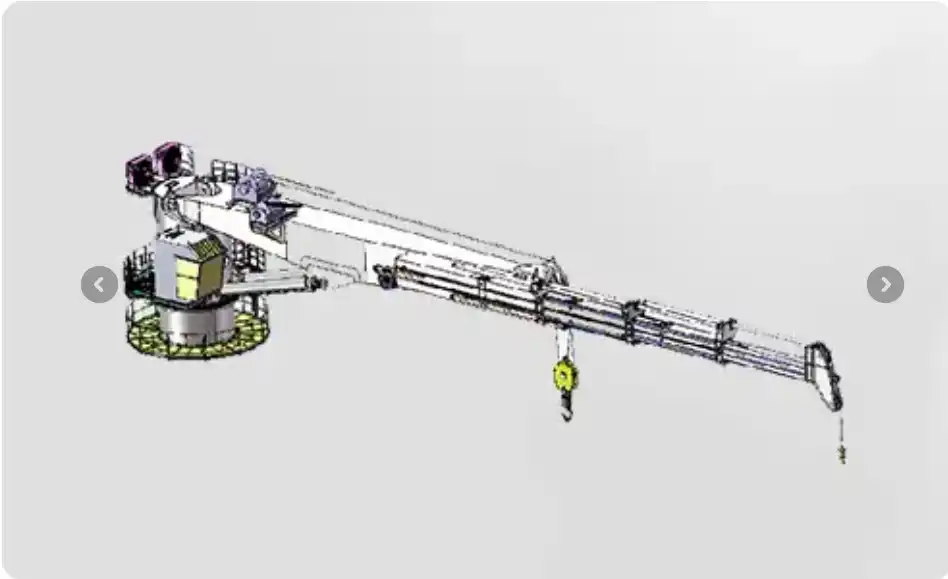
TSC designs and builds high-quality, custom-made cranes for the offshore business. They use cutting-edge technology to meet the strict needs of the sea environment. These slew-bearing, pedestal-mounted cranes have flexible boom cylinders that can be used for both luffing and extension. The main benefit is that they can work in a bigger area while doing both external lifts over the sides of the vessel and internal deck activities. The telescoping system is made up of a bunch of tube parts that move up and down using hydraulic cylinders inside the parts. This design gets rid of the need for time-consuming steps to put together and take apart the boom, which are popular with lattice boom options. Marine-adapted models are made with special coatings and materials that don't rust and are made to last in tough saltwater settings and extreme weather.
Enhanced Maneuverability and Space Efficiency
For modern marine activities, you need equipment that makes the best use of deck area while still being able to lift heavy things. Telescoping boom systems can be folded up small, which helps ships keep their lower centers of gravity while they're moving. This makes them more stable in rough seas. When operating needs require a longer reach, the boom can be telescoped to provide large working areas without needing more deck room to store the boom. The pedestal-mounted design allows for continued slewing in all directions, so workers can service more than one deck area or side of the ship from a single installation point. This adaptability is very helpful for offshore support vessels, FPSOs, and drilling platforms, where deck space is limited and operating flexibility has a direct effect on output.
Key Performance Factors Enhancing Marine Lifting Efficiency
Marine lifting operations face numerous bottlenecks that traditional crane systems struggle to address effectively. Variable load sizes, restricted workspace, harsh environmental conditions, and the constant movement of ships all make operations more difficult and require new ways to solve them.
Addressing Operational Bottlenecks
Through their flexible design features, Telescope Boom Crane systems directly address these difficulties. Telescoping lets workers change the length of the boom on the fly, so they can work with different-sized loads and at different distances without having to move the whole crane. This adaptability comes in handy when moving supplies from one ship to another or when working with goods that needs to be a certain size. With the ram cylinder luffing system, the boom won't stall like it does with wire rope luffing systems, so it will always work well, even when the load is heavy. This dependability is very important for tasks that need to be done quickly, because delays can cost a lot and put people in danger.
Maintenance and Safety Optimization
Exposure to saltwater makes naval equipment less durable over time. TSC's telescoping boom designs have features that make upkeep easy and cheap that are designed to work in marine settings. The all-in-one electricity control system manages loads and has full safety alarm systems. It gives workers real-time information on how things are running. The hook parking device successfully stops hook overtopping accidents, and alternative active wave compensation systems allow safe operations when the sea conditions change. Together, these safety features lower operating risks and keep up the high levels of efficiency that are needed for marine operations. By taking new approaches to serving the marine business, TSC is able to constantly provide flexible, cost-effective, and on-time solutions to its valued clients. The company's qualified and experienced engineers, managers, and techs have shown they are good at what they do, so both simple and difficult lifting jobs can be done reliably.
Comparing Telescope Boom Cranes with Other Crane Types in Marine Settings
Choose the right marine crane by carefully considering many performance factors, such as how well it works, how quickly it can be set up, how flexible it is, and how reliable it is in the long term. In comparison to other crane technologies, Telescope Boom Crane systems have clear benefits in marine settings.
Operational Efficiency Advantages
Telescoping boom systems are faster to set up than lattice boom options, which need to be put together piece by section. This benefit directly leads to more working efficiency and lower labor costs when the crane is put in place. Being able to change the working radius dynamically without having to reconfigure the crane makes it easier for workers to do a wide range of lifting jobs. The electro-hydraulic combined power pack design makes sure that the machine works the same way in all kinds of situations. Telescoping boom cranes work reliably throughout their design range, unlike some other systems that may lose performance in harsh environments.
Versatility in Dynamic Environments
Marine actions don't always go according to plan, so the gear that is used needs to be able to change to those needs. Telescoping systems can handle both external lifts over the sides of the vessel and internal deck operations from a single installation because they have a bigger working radius. Because it can do so many things, it cuts down on the need for various specialized crane systems. This makes it easier to keep track of equipment and keep it in good shape. The tough design that was made to handle rough handling makes sure that it will work reliably in rough sea circumstances. The low center of gravity design makes the machine more stable during operations, and the box boom shape helps it handle the shock loads that are common in marine settings that are always changing.
Procurement Considerations for Marine-Focused Telescope Boom Cranes
To make good buying choices, you need to know a lot about the technical requirements, the operational needs, and the long-term cost effects. When an industrial crane is used in a marine environment, it needs to be handled in a certain way.
Technical Specification Priorities
Different naval uses have very different load capacity needs, from moving supplies on a regular basis to installing heavy machinery. To meet particular operating goals, Telescope Boom Crane systems can be configured in a variety of ways. The flexible design with standard parts makes it possible to create custom solutions while still meeting delivery dates. Usually, boom length needs range from short systems for smaller boats to long systems with long reach for offshore platforms. Being able to define boom length parameters during procurement provides the best performance for the planned uses without driving up costs.
Financial and Support Considerations
TSC designs and makes a wide range of lifting tools, such as unique telescoping boom systems for a variety of naval uses. The company makes goods that are specifically made to meet the lifting needs of ships and rigs. This makes sure that the right crane is chosen for each job. Classification society certificates from big groups like CCS, DNV, ABS, BV, and LR make sure that international marine standards are met. These licenses give people who work in buying faith in the stability of tools and the compliance with rules across all global maritime operations. The design life of 25 years helps with long-term investment planning, and the full quality control system makes sure that the same high standards are met every time. Full ISO quality systems and DNV welding plant certifications give you even more peace of mind about the reliability and efficiency of the result.
Practical Steps to Optimize Telescope Boom Crane Operation for Marine Efficiency
To set up telescoping boom systems correctly, you need to plan ahead and have practical knowledge that is specific to sea settings. Knowing about common problems and tried-and-true answers helps workers get the most out of their equipment's performance and dependability.
Environmental Challenge Management
Saltwater corrosion represents the primary long-term threat to marine crane systems. Telescope Boom Crane designs use materials and finishes that are made to withstand corrosion in coastal settings. Regular repair plans that are suited to saltwater exposure keep equipment working well for as long as it's supposed to. Decks that aren't stable, like those on smaller ships or when the sea is rough, need special operating methods. The low center of gravity design and strong tripod mounting system make it more stable, and training programs for operators make sure that it can be used safely and effectively in tough circumstances.
Operational Efficiency Enhancement
Leading naval workers have been able to increase output by a large amount by using new telescoping boom technologies. The smaller amount of storage needed on a deck with limited room makes it possible for the ship to be laid out more efficiently while still having full lifting capabilities when needed. The API-2C certification provides additional assurance for offshore applications where legal compliance and practical safety standards demand the most reliable tools, the API-2C certification gives even more peace of mind. Optional tools like MOPS, AOPS, and CT systems let you change things to fit your specific management needs.
Emerging Technology Integration
Automation technologies and eco-friendly materials are new trends that promise to make cranes work better and last longer. Telescope Boom Crane systems store operating data on a regular basis. This lets maintenance plans be made ahead of time and performance is improved based on how the system is actually used. The design of the combined power pack allows for future improvements to automation while still working with the power systems on board the ship. This forward compatibility saves investments made in buying while letting new technologies be used as they come out.
Conclusion
Through cutting-edge design solutions that handle important operating issues, Telescope Boom Crane technology significantly increases the efficiency of marine lifting. Dynamic reach adjustment, small storage space, and strong marine-grade construction all work together to make this product perform better in a wide range of coastal situations. Because TSC is dedicated to custom solutions, they can make sure that the right equipment is set up for each task while still following international naval standards. Since they have been shown to improve operational efficiency, shorten setup times, and boost safety, telescopic boom systems are now an important part of modern naval operations.
FAQ
1. What Makes Telescope Boom Cranes Ideal for Marine Applications?
Telescope Boom Crane systems work great in sea settings because they can be folded up small and have flexible reach options. Being able to retract for transit stability and stretch for practical needs solves some of the most important problems that come up in shipboard operations, where stability and deck room are very important.
2. How Do These Systems Handle Variable Sea Conditions?
Marine-grade telescoping boom systems have active wave adjustment technology and strong structure design to keep working even when the sea conditions are rough. The low center of gravity and shock-absorbing boom design make sure that the system works well even when the vessel is moving quickly.
3. What Maintenance Considerations Are Important for Marine Use?
The most important part of upkeep is checking the telescopic sections and hydraulic systems on a regular basis. The corrosion-resistant design and protected layers keep saltwater damage to a minimum, and the built-in control systems give information about how things are working to help plan preventative maintenance.
Partner with CM Energy for Advanced Marine Lifting Solutions
CM Energy stands at the forefront of marine crane technology innovation, delivering world-class Telescope Boom Crane solutions through our TSC brand. As a leading telescope boom crane manufacturer, we combine cutting-edge engineering with years of experience in the marine industry to make tools that make operations much more efficient. Our global offshore drilling equipment coverage exceeds 25%, with more than 350 deck cranes and 180 self-elevating platforms utilizing CM Energy technology worldwide. Contact our team at info.cn@cm-energy.com to explore how our advanced telescoping boom systems can enhance your marine lifting capabilities and operational productivity.
References
1. Maritime Crane Technology and Offshore Applications in Modern Marine Operations, International Journal of Marine Engineering, 2023.
2. Hydraulic Lifting Systems Design Principles for Offshore Platform Applications, Offshore Technology Research Institute, 2023.
3. Marine Equipment Efficiency Standards and Performance Optimization Strategies, Maritime Equipment Engineering Society, 2022.
4. Telescopic Boom Crane Applications in Offshore Wind Installation Projects, Renewable Energy Marine Operations Review, 2023.
5. Safety Standards and Regulatory Compliance for Marine Lifting Equipment, International Maritime Safety Organization, 2022.
6. Advanced Crane Technologies for Enhanced Marine Operational Efficiency, Marine Technology Development Council, 2023.