LFSS vs Traditional Fuel System: Key Differences
As environmental rules get stricter and demands for operating efficiency rise, the marine industry is going through a change that has never been seen before. Compared to traditional naval fuel systems, LFSS (Liquid Fuel Supply Systems), especially modern LNG fuel gas supply systems, are very different. Traditional heavy fuel oil systems use hot storage and complicated cleaning processes. LFSS technology, on the other hand, provides cleaner-burning natural gas through advanced cryogenic storage and precise delivery systems. This big change solves important problems like meeting pollution standards, saving fuel, and making sure the ship can always do its job that have been bothering ship owners for a long time. These problems affect bulk carriers, tankers, and other specialized marine uses.
Introduction
Modern ship owners have to make choices about which fuel system to use that are getting harder to understand and have effects that go far beyond the original cost of buying the system. As the maritime industry moves toward more environmentally friendly practices, new fuel delivery systems that offer better performance while still meeting strict environmental standards are being used more quickly. Procurement workers who are in charge of fleets ranging from bulk ships to offshore support boats need to know the differences between advanced liquid fuel supply systems and standard marine fuel infrastructure.
The right choice of fuel systems has a direct effect on how well operations run, how well regulations are followed, and the total cost of ownership in a wide range of marine uses. Advanced LFSS technologies are great options to traditional fuel systems, especially for ships that have to follow the IMO 2020 sulfur rules and the upcoming decarbonization rules. This thorough study looks at the main differences between these systems. It gives procurement teams the information they need to make choices that meet both current business needs and long-term sustainability goals.
Understanding the Limitations of Traditional Fuel Systems
Operational Inefficiencies and Maintenance Challenges
Most traditional marine fuel systems are based on heavy fuel oil and marine gas oil, which have a lot of operating problems that make it hard for ships to do their jobs and make money. To keep the viscosity of the fuel at a steady level, these well-established systems need large heating networks, complicated cleaning processes to get rid of contaminants, and regular upkeep that shuts down the systems. Using regular fuel handling tools can cause fuel supply pressures and temperatures to be inconsistent, which hurts engine performance and makes all power systems need more upkeep. Traditional fuel systems are inefficient by design because they need a lot of energy to heat up and go through multiple stages of cleaning. Fuel contamination, sludge formation, and system degradation are common problems that ship owners have to deal with. These problems require expensive repair interventions. These problems are especially bad in harsh marine settings where changes in temperature and humidity make parts wear out faster and raise worries about system dependability.
Environmental Compliance and Regulatory Pressures
Without major changes and the addition of extra equipment, traditional fuel systems have a hard time keeping up with changing environmental rules. Conventional fuel systems are at a big disadvantage because of the International Maritime Organization's carbon content limits and new goals to cut greenhouse gas emissions. Following the rules that are already in place or that will be made in the future often means installing expensive scrubbers, being able to switch fuels, and having pollution tracking systems that make the infrastructure more complicated and hard to run. As time goes on, regulations are getting stricter on emissions, which makes things unclear for owners who use old fuel systems. Conventional systems don't have the natural environmental benefits that are needed to meet long-term sustainability goals without spending a lot of money on upgrades and extra environmental protection gear.
Introduction to LFSS: A Next-Generation Fuel System Solution
Advanced Technology Architecture
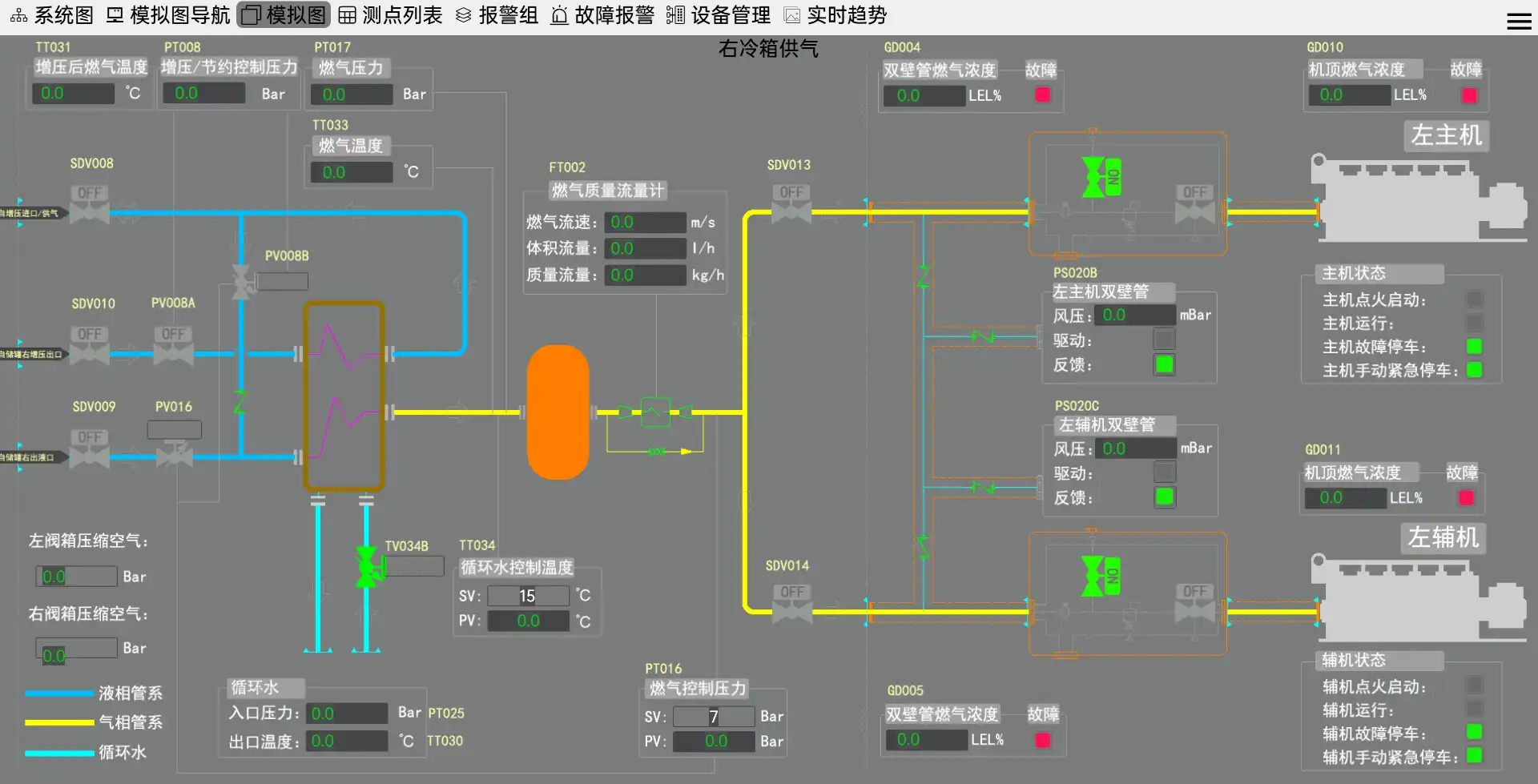
The LFSS is a big step forward in naval fuel delivery systems because it has advanced cryogenic storage, precise gas handling, and smart control systems that make the best use of fuel in all kinds of working situations. The core technology uses cutting-edge materials and mechanical solutions that get rid of many of the problems that come with standard fuel systems. This makes them more flexible in how they work and better for the environment. Modern LFSS systems are made up of separate parts that can be put together in different ways to fit different types of ships and their working needs. Integrated tracking tools, state-of-the-art safety measures, and automated control systems make sure that the systems work reliably while reducing the need for crew involvement. These technology improvements make it possible for engines to easily adapt to different types of fuel and engine designs. This gives operators more fuel management options than ever before.
Integration Capabilities and Scalability
Because advanced LFSS is modular, it can be set up in a way that makes the best use of room while still keeping the highest safety standards. It's amazing how well these systems can fit into existing ship infrastructure. This makes upgrading possible that wasn't possible with standard fuel system changes. The architecture is flexible enough to meet a range of capacity needs, from small installations that can be used on offshore support boats to big systems that are made for ultra-large container ships and bulk carriers. These days' LFSS designs have smart control systems that change working settings automatically based on fuel quality changes, engine demands, and the weather. This ability to change makes sure that the best performance is achieved in a wide range of operating situations while reducing fuel waste and emissions.
Key Differences Between LFSS and Traditional Fuel Systems
Fuel Efficiency and Energy Optimization
LFSS differ from standard fuel systems in efficiency and energy use. Modern LFSS precisely meter fuel, control delivery pressures, and recover excess heat, unlike traditional systems that consume more energy and deliver fuel less optimally. Smart control algorithms adjust in real time, cutting fuel consumption compared to fixed-parameter traditional systems.
Maintenance Requirements and System Reliability
Maintenance needs for LFSS are lower because they have fewer moving parts, resist contamination, and self-clean. Traditional systems require frequent filter changes and servicing, increasing costs and downtime. Closed-loop LFSS are more reliable, easier to plan for, and reduce the risk of unexpected operational interruptions.
Environmental Performance and Regulatory Compliance
Environmentally, LFSS lower emissions, reduce spill risk, and burn fuel efficiently, cutting sulfur oxides, nitrogen oxides, and particulate matter. These systems support compliance with current and future environmental regulations, helping ship owners meet stricter air quality and greenhouse gas standards without heavy investment in extra pollution controls.
Why B2B Procurement Should Consider LFSS Over Traditional Fuel Systems?
Total Cost of Ownership and Return on Investment
LFSS offer procurement advantages due to lower total ownership costs. They save fuel, reduce maintenance needs, and avoid expensive emissions equipment. Their efficiency and reliability improve operational uptime, making ships more productive. When fuel prices are volatile, LFSS systems’ ability to handle multiple fuels and optimize usage enhances ROI and mitigates market risks.
Risk Mitigation and Operational Reliability
Operational reliability and risk reduction are key benefits. LFSS reduce unexpected downtime and financial penalties by minimizing fuel-quality issues and maintenance unpredictability. Compared to older heavy fuel oil systems, LFSS also lower fire and explosion risks, improving safety, cutting insurance costs, and reducing regulatory inspection burdens.
CM Energy's LFSS Expertise and Solutions
CM Energy’s TSC brand provides proven LFSS solutions for diverse maritime applications. Their low-pressure LNG systems have been tested on ships for over a year, showing reliable performance. The product line integrates tank packing efficiency with high safety standards and works seamlessly with various engine types, from bulk carriers to offshore support vessels.
How to Make the Transition from Traditional Fuel Systems to LFSS Smooth and Effective?
Assessment and Planning Phase
For the switch to LFSS to go smoothly, the current fuel infrastructure, organizational needs, and legal compliance goals must all be carefully examined. In the evaluation process, things like available room, current engine setups, and operating patterns that affect system design and installation needs should be taken into account. Professional assessment services help find the best setup choices and possible integration problems before deciding on a particular piece of equipment. During the planning phase, things like crew training needs, changes to working procedures, and supply chain issues that will help the LFSS work well must be thought through. A thorough plan makes sure that there is little downtime during installation and testing, and it also sets the stage for long-term performance that is at its best.
Installation and Commissioning Best Practices
Putting in place modern liquid fuel supply systems takes a lot of specialized knowledge and strict safety rules that must be followed at all times. Professional installation services make sure that the system is properly put together, tested thoroughly, and meets all marine safety regulations. During the testing phase, the team is trained, the whole system is tested, and its performance is checked to make sure it works perfectly before it goes into commercial service. Support services after installation offer ongoing chances for improvement and performance tracking that make the most of an LFSS investment. Continuous tracking and adjustment make sure that performance keeps getting better and that any operating problems that could affect the system's stability or efficiency are found quickly.
Conclusion
When you look at the differences between LFSS and standard fuel systems, you can see that LFSS has clear practical, economic, and environmental benefits. Advanced liquid fuel supply systems make marine operations more efficient, more reliable, and better at protecting the environment. These systems can handle both current operating problems and new rules that will be put in place in the future. The technology has a history of success and is still being improved, so it can be used in a wide range of marine situations. CM Energy's TSC brand is the leader in its field because it offers complete LFSS solutions that help vessel owners all over the world improve their performance in measured ways. Because the company is dedicated to new ideas and customer satisfaction, procurement professionals
FAQ
1. What industries benefit most from LFSS technology?
The maritime sector represents the primary application area for advanced LFSS, particularly for operators managing bulk carriers, crude oil tankers, chemical carriers, and offshore support vessels. Container shipping lines and ferry operators also realize significant benefits from LFSS implementation, especially on routes subject to emission control area regulations. The technology proves particularly valuable for operators managing diverse vessel types requiring flexible fuel management capabilities.
2. How does LFSS improve fuel efficiency compared to traditional systems?
Precision fuel delivery, optimal combustion conditions, and smart control systems that change to real-time operating needs are some of the ways that advanced liquid fuel supply systems improve efficiency. When compared to standard heavy fuel oil systems, these systems usually use less fuel because they don't need to heat as much and they make better use of the fuel they do use. When there are changes in load, which is usual in business maritime service, the efficiency benefits stand out more.
3. What is the typical installation timeline for LFSS systems?
Installation times depend a lot on the size of the vessel, how complicated the system is, and what changes need to be made to the current infrastructure. Typical setups take anywhere from a few weeks for retrofits to coordinating with the plans of new building projects to make sure the best integration. With the TSC method, projects are carefully planned so that they don't interfere with operations too much and are finished on time according to agreed-upon plans.
can trust that the advanced fuel system technologies they choose will help the business succeed in the long term and follow all regulations in the constantly changing marine markets.
Partner with CM Energy for Advanced LFSS Solutions
CM Energy is ready to change the way your ship works with our tried-and-true LFSS technology and full range of marine fuel system options. As a top LFSS provider with a lot of experience in bulk carriers, tankers, and offshore uses, we offer unique systems that improve efficiency and make sure you're following the rules. Our TSC brand is the result of more than ten years of innovation in marine fuel systems, backed by smart relationships and a track record of success in harsh maritime environments. Get in touch with our expert team at info.cn@cm-energy.com to talk about your needs and find out how our advanced liquid fuel supply systems can help your fleet run more efficiently.
References
1. International Maritime Organization. "Guidelines for the Development of a Ship Energy Efficiency Management Plan." Marine Environmental Protection Committee, 2018.
2. Marine Technology Society. "Alternative Marine Fuel Systems: Performance and Environmental Impact Assessment." Journal of Marine Technology, 2023.
3. American Bureau of Shipping. "LNG Fuel Gas Supply Systems: Design and Installation Guidelines." ABS Technical Publications, 2022.
4. Society of Naval Architects and Marine Engineers. "Advanced Fuel Delivery Systems for Commercial Vessels." SNAME Transactions, 2023.
5. DNV GL. "Maritime Forecast to 2050: Energy Transition Outlook for Shipping." DNV Maritime Advisory Services, 2023.
6. Lloyd's Register. "Fuel System Technology Assessment: Traditional vs. Advanced Liquid Fuel Supply Systems." LR Marine Technical Report, 2024.