By fusing cutting-edge engineering with conventional sailing principles, Wind Assisted Propulsion System technology represents a revolutionary approach to contemporary maritime transportation. This thorough guide examines how commercial ships, such as chemical tankers and Newcastlemax bulk carriers, can use wind power to meet CII compliance requirements, cut fuel consumption, and achieve significant operational savings through creative sail configurations and intelligent control systems.
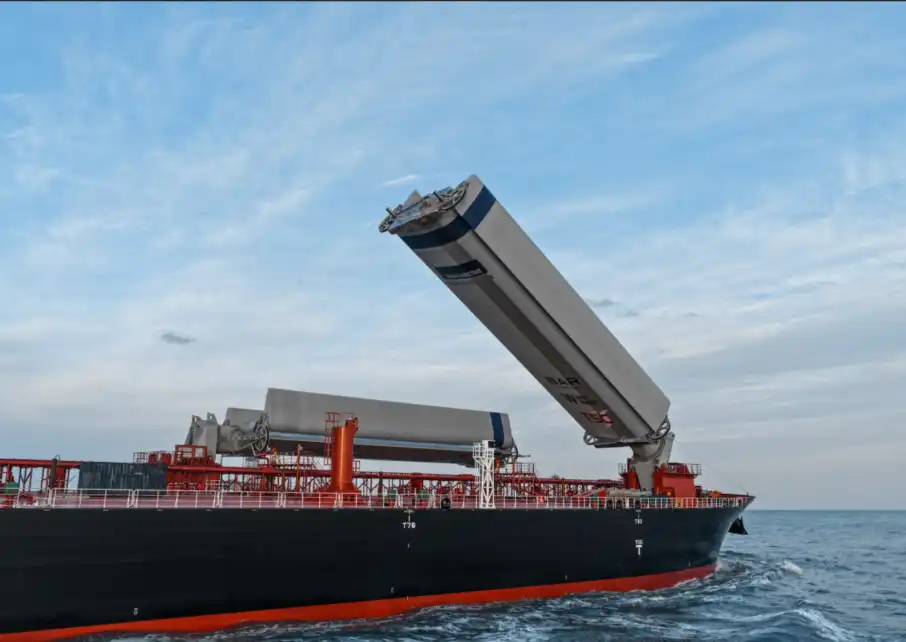
Understanding Modern Wind Assisted Propulsion Technology
Emission Reduction in the Maritime Industry
There is tremendous pressure on the maritime sector to cut emissions without sacrificing revenue. Solutions for Wind Assisted Propulsion Systems provide commercial maritime companies with a workable route to environmentally friendly operations. Modern wind propulsion technology uses rigid wing structures that automatically adapt to wind conditions, improving efficiency and lessening environmental effect, in contrast to traditional sails.
Advantages for Commercial Ships
These cutting-edge technology greatly help commercial boats, such as bulk carriers and LR2 tankers. Through aerodynamically optimized wing profiles, the technique harnesses wind energy and transforms natural forces into forward power. By increasing total vessel efficiency and lowering reliance on traditional marine fuels, this renewable energy strategy promotes more environmentally friendly transportation methods.
Operational Efficiency and Smooth Integration
Existing vessel operations are fully integrated with contemporary wind propulsion technologies. The emission-free port maneuvering capabilities these systems offer are especially valued by owners of coastal vessels and ferry operators. Additionally, because modern Wind Assisted Propulsion System technology is automated, it does not require professional sailing personnel, which simplifies installation for conventional commercial operators and makes the shift to greener practices easier.
Key Benefits for Commercial Shipping Operations
Wind-Assisted Propulsion Technology Benefits
The main benefit of wind-assisted propulsion technology is an increase in fuel economy. When vessels operate in favorable wind conditions, commercial shipping operators report large reductions in daily fuel use. Wind propulsion is a desirable choice for contemporary shipping fleets since these savings directly translate into higher profit margins and increased competitiveness in difficult market situations.
Economic Gains and Regulatory Compliance
The smart application of wind propulsion technology makes CII compliance possible. Shipping businesses must show ongoing improvements in vessel efficiency in order to comply with the Carbon Intensity Indicator requirements. Installations of Wind Assisted Propulsion Systems lower operating costs and provide quantifiable pollution reductions that assist regulatory compliance. With short-route operations optimizing wind usage prospects and payback times often falling within five years, operators of ferries and coastal vessels enjoy particularly alluring returns on investment. The cost-effectiveness of these environmentally friendly shipping options is further increased by their low maintenance needs.
Integration in Contemporary Ship Design
Wind propulsion technology is progressively being included into vessel requirements by design firms and newbuild shipyards. Future-proof designs satisfy changing regulatory requirements and draw in ecologically aware charterers. A more sustainable maritime sector that places an emphasis on efficiency and environmental stewardship is made possible by class approval support, which guarantees seamless integration throughout the design and construction process.
Technical Innovation in Wind Propulsion Systems
Materials and Engineering Innovations
The efficiency of contemporary wind propulsion technology is fueled by cutting-edge engineering and materials. Combining composite components with ship-grade steel construction results in strong, lightweight structures that can survive challenging maritime conditions. These durable systems provide dependability and endurance for commercial vessels operating in a variety of situations by upholding performance criteria throughout lengthy operational durations.
Optimal Performance through Intelligent Automation
Based on current wind conditions, automated control systems optimize camber adjustment and wing location. In order to optimize aerodynamic efficiency, smart sensors continuously analyze environmental data and modify sail configurations. Wind-assisted propulsion systems are easier for operators to adopt and utilize thanks to this clever automation, which guarantees optimal performance without requiring crew intervention or specific sailing experience.
Improved Performance Metrics and Routing
The efficiency of Wind Assisted Propulsion System installations is further increased by weather routing capabilities. The best paths that maximize wind utilization while adhering to timetable requirements are found using specialized software. Through user-friendly online interfaces, onboard staff and shore-based teams can access routing advice, improving decision-making. Furthermore, compared to conventional single-wing configurations, the three-element rigid wing design produces significantly higher lift. Commercial vessels may save more fuel and operate more efficiently thanks to computational fluid dynamics optimization, which guarantees maximum energy capture under a variety of wind conditions.
Implementation Considerations for Different Vessel Types
Including Wind Power in Chemical Tanker Operations
Wind propulsion technologies must be carefully integrated with cargo handling systems for chemical tanker operations. While optimizing aerodynamic benefits, strategic positioning guarantees compatibility with current deck equipment. These systems' sturdy design ensures efficiency and safety throughout operations by withstanding the harsh operating conditions typical of chemical transport boats.
Perfect Uses for Tankers and Bulk Carriers
For the installation of Wind Assisted Propulsion Systems, Newcastlemax bulk carriers offer superior platforms. Several wing units can be accommodated in large deck surfaces while still being viable for cargo operations. During port operations, the tilt mechanism increases operational efficiency by enabling wings to clear hatch coverings and cargo handling equipment. The scalability of contemporary wind propulsion technology is also advantageous for LR2 tanker applications, as different wing configurations offer flexibility in matching system capacity to vessel size and operational needs.
Capabilities for Retrofitting Current Fleets
Wind propulsion technology's retrofitting possibilities are valued by commercial marine operators. These systems can be integrated into current fleets without requiring significant changes to propulsion plants or hull structures. Operators may effectively and efficiently switch to more sustainable practices thanks to this compatibility, which speeds up adoption while lowering implementation costs.
Maximizing Performance Through Strategic Planning
Route Optimization's Significance
When using wind propulsion technology, route planning becomes essential. Strategic route planning that takes into account current wind patterns in addition to more conventional criteria like distance and weather conditions is advantageous for vessels utilizing Wind Assisted Propulsion Systems. This all-encompassing strategy maximizes fuel savings while preserving commercial viability, enabling operators to lower operating costs and increase efficiency.
Crew Training and Seasonal Influences
The efficiency of wind-assisted propulsion systems is affected by seasonal factors. Because certain shipping lanes provide consistently favorable conditions for wind energy harvesting throughout particular seasons, operators can optimize deployment timetables and route selections by understanding regional wind patterns. In order to guarantee the best possible use of wind propulsion capabilities, crew training is also crucial. Although the majority of operational tasks are handled by automated systems, crews can optimize benefits in a variety of operational settings by having a firm grasp of system capabilities. Because of their user-friendly designs, training programs usually demand little time investment.
Planning Maintenance for Long-Term Dependability
The long-term dependability and performance of wind propulsion systems are supported by maintenance planning. In order to minimize operating disruption and guarantee that systems continue to function at their best, scheduled maintenance procedures are in line with current vessel maintenance cycles. Modern Wind Assisted Propulsion System installations are a tremendous asset for commercial shipping fleets because of their longer design life, which guarantees consistent performance over decades of operation.
Economic Impact and Return on Investment
Fuel Cost Reduction's Economic Benefits
The most direct economic advantage of wind propulsion technology is the decrease in fuel costs. Over the course of a year, daily fuel savings add up to a substantial amount, especially for ships using wind-favorable routes. In addition to increasing profitability, these savings offer hedging protection against erratic fuel price swings, enabling operators to better control their financial risks in a changing market.
Possibilities for Income from Charter Premiums and Carbon Credits
Opportunities for carbon credits could give ships with wind propulsion systems new sources of income. Documented emissions reductions could result in valuable credits as carbon markets grow, bolstering the economic argument for the adoption of Wind Assisted Propulsion Systems. Furthermore, ecologically conscious vessel operations are increasingly rewarded by higher charter rates. The revenue potential for wind-assisted vessels is increased since charterers who want to fulfill their sustainability goals frequently pay more for ships with verified green technology installations.
Benefits of Insurance for Ecologically Conscious Businesses
Vessels with sophisticated environmental and safety systems may benefit from insurance considerations. Insurance terms and conditions may be influenced by wind propulsion technology, which shows a dedication to responsible operations. For vessels using wind-assisted propulsion technology, some insurers may offer more advantageous coverage options or lower premiums due to their recognition of the risk reduction associated with reduced fuel usage. For shipping businesses, this favorable effect on insurance can result in overall cost reductions and improved financial performance.
Future Developments in Wind Propulsion Technology
Combining Energy Storage Technologies
An important option for wind propulsion systems is the inclusion of energy storage. Excess wind energy could be captured during favorable conditions and stored in batteries for later use during quiet times. In addition to improving fuel efficiency, this hybrid propulsion strategy would offer operational flexibility, enabling ships to maximize their energy utilization in a variety of weather scenarios.
Developments in Applications for Autonomous Vessels
Advanced wind propulsion capabilities will probably be incorporated into autonomous vessel applications, opening the door to more effective maritime operations. Without the need for human intervention, intelligent sensors and machine learning algorithms could maximize wind energy capture, supporting sustainability goals and fitting in with larger trends in maritime automation. These developments have the potential to completely transform how ships use wind power, increasing operational efficiency and environmental friendliness.
Scale Optimization and Compatibility with Alternative Fuels
As the industry switches to new fuel types, interoperability with alternative fuels guarantees that wind propulsion technology stays relevant. Installations of Wind Assisted Propulsion Systems offer equivalent efficiency improvements whether vessels run on traditional fuels, methanol, or hydrogen-based substitutes. Additionally, as producers create bigger and more effective wind propulsion systems, scale optimization keeps going. The economic attraction of wind-assisted propulsion technology in the changing marine context is increased by increased wing spans and superior aerodynamic designs, which promise higher fuel savings for future installations.
Conclusion
Commercial shipping companies can achieve significant cost savings and a viable route toward sustainable operations with the help of Wind Assisted Propulsion System technology. All types of vessels, from ferries to chemical tankers, gain from lower fuel usage, better CII compliance, and increased operating effectiveness. Wind propulsion is becoming an increasingly important part of contemporary maritime operations due to its established technology, appealing economics, and environmental advantages. Wind-assisted propulsion offers both a quick fix and a basis for upcoming green shipping technologies as laws become more stringent and sustainability becomes crucial.
Partner with CM Energy for Advanced Wind Propulsion Solutions
CM Energy stands as a leading Wind Assisted Propulsion System manufacturer, delivering cutting-edge technology solutions for commercial maritime applications. Our TSC brand serves more than 350 vessels globally with a track record of dependability by fusing cutting-edge wind propulsion technology with decades of marine engineering experience. Find out how our certified systems may improve the environmental performance and efficiency of your fleet by contacting info.cn@cm-energy.com.
References
1. International Maritime Organization. "Guidelines for the Development and Management of Carbon Intensity Indicators for Ships." Marine Environment Protection Committee, 2021.
2. Smith, Andrew J. "Wind-Assisted Ship Propulsion: Performance Analysis and Economic Viability." Journal of Marine Technology and Engineering, Vol. 45, 2023.
3. European Maritime Safety Agency. "Study on Wind Propulsion Systems for Commercial Vessels: Technical and Regulatory Assessment." Publications Office of the European Union, 2022.
4. Maritime Research Institute Netherlands. "Evaluation of Wind-Assisted Propulsion Technologies for Bulk Carriers and Tankers." MARIN Technical Report, 2023.
5. Lloyd's Register. "Wind Assisted Ship Propulsion: Classification and Certification Guidelines." LR Marine & Terminals, 2022.
6. International Association of Classification Societies. "Requirements for Wind Propulsion Systems on Commercial Vessels." IACS Technical Documentation, 2023.