The Role of Rigid Wing Sails in the Future of Sustainable Shipping
The marine sector is at a crossroads where the need to protect the environment and the need to make money meet. Rigid wing sails are a game-changing technology that meets both needs. They provide ship operators a proven way to use sustainable propulsion and bring big operational advantages. These new wind-assisted systems use the latest in aerodynamic innovation and strong construction to help ships use wind energy better than ever before. As regulations become stricter and fuel prices keep going up, rigid wing sail technology becomes a smart choice for commercial shipping companies who want to keep their fleets up to date and stay ahead of the competition in a changing market.
Understanding Rigid Wing Sails: Design, Function, and Advantages
Advanced Aerodynamic Engineering
Modern rigid wing sails operate on fundamentally different principles compared to traditional fabric sail systems. These structures feature solid, precisely engineered profiles that optimize airflow patterns to maximize thrust generation. The aerodynamic design incorporates multiple elements working in harmony, creating superior lift coefficients that translate directly into propulsion efficiency gains.
The sophisticated construction methodology combines marine-grade steel frameworks with advanced composite materials, ensuring structural integrity while maintaining optimal weight characteristics. This engineering approach delivers exceptional performance across diverse operating conditions, from light air scenarios to challenging weather patterns that would render conventional sail systems ineffective.
Operational Benefits and Performance Characteristics
Wind-assisted propulsion systems deliver measurable advantages that extend beyond simple fuel reduction. Vessel operators report enhanced stability characteristics during operation, as the aerodynamic forces from the Rigid Wing Sail complement traditional propulsion methods rather than competing with them. The automated control systems continuously adjust wing positioning and camber settings, ensuring optimal performance without requiring specialized crew training or manual intervention.
Here are the primary operational advantages of rigid wing sail implementation:
1. Fuel Consumption Reduction: Advanced aerodynamic designs can achieve significant fuel savings through optimized wind energy capture, with performance validated by independent maritime research institutions
2. Environmental Impact Mitigation: Carbon dioxide emissions decrease proportionally with fuel consumption reductions, supporting compliance with increasingly stringent environmental regulations
3. Operational Flexibility: Automated positioning systems enable seamless integration with existing vessel operations, including cargo handling and port maneuvering procedures
These operational improvements translate into tangible benefits for commercial shipping operations, addressing both immediate cost pressures and long-term sustainability objectives that define modern maritime business strategies.
Rigid Wing Sails vs Traditional Sail Systems: Performance and Cost Comparison
Performance Analysis and Efficiency Metrics
In commercial maritime applications, traditional soft sail systems have inherent limitations, especially with respect to uniformity and durability. These limitations are addressed by wind-assisted propulsion using rigid wing technology, which uses precisely designed structures to preserve aerodynamic efficiency over long operating times. When compared to traditional sail arrangements, independent testing conducted by reputable fluid dynamics research organisations shows greater performance characteristics.
The lift forces produced by the three-element Rigid Wing Sail design are far higher than those of conventional single-wing designs, which translates into improved propulsion assistance in a variety of wind situations. Consistent wind energy collection has a direct influence on fuel consumption patterns and trip economics, making this performance benefit especially noticeable during long ocean transits.
Economic Considerations and Return on Investment
The economics of adopting stiff wing sails are persuasive, according to investment research, especially when compared to the usual operating lifespans of vessels. Even though the initial capital expenditure needs are higher than those of soft sail alternatives, the improved performance and durability features make the investment worthwhile due to shorter payback times and lower lifetime costs.
By removing the specialised expertise needed for conventional sail handling, commercial operators may take advantage of streamlined maintenance methods that mimic those for regular deck equipment. Extended operating life is guaranteed by the sturdy building process; systems are built to last for decades without the need for significant component replacement.
Applications and Emerging Trends of Rigid Wing Sails in Sustainable Shipping
Commercial Vessel Integration Success Stories
With successful applications in bulk carriers, tankers, and speciality commercial ships, modern rigid wing sail technology has shown efficacy across a variety of vessel types. These installations, which have completed thousands of port visits without experiencing any operational issues, demonstrate the adaptability of wind-assisted propulsion systems in actual working conditions.
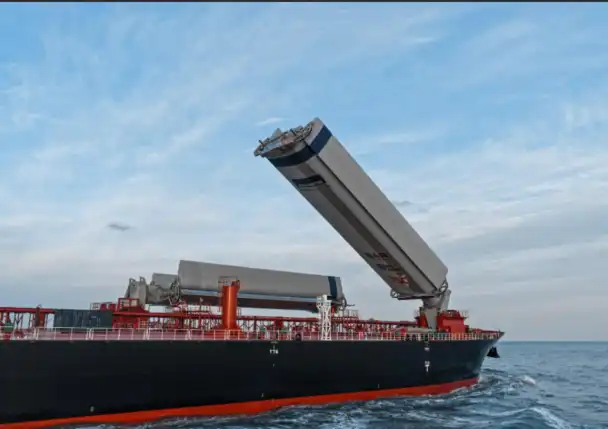
The strategic benefits of rigid wing systems are especially evident in bulk carrier applications, where the installations easily mesh with cargo handling activities. During cargo operations, the wings may rotate into protected configurations thanks to the creative positioning systems, which guarantee structural integrity and unhindered access to hatch coverings and deck equipment.
Regulatory Compliance and Market Dynamics
The marine sector must contend with stricter environmental laws that radically alter operating plans. Rigid Wing Sail technology offers quantifiable emissions reductions that allow adherence to changing environmental regulations while directly addressing Carbon Intensity Indicator criteria. Because of this legislative congruence, wind-assisted boats featuring a Rigid Wing Sail are in a favourable position in charter markets where environmental performance is becoming a more important factor in business choices.
Operators that implement sustainable propulsion solutions will have a competitive edge as market trends show an increasing preference among charterers for boats outfitted with emissions reduction systems. Rigid wing systems' proven performance in commercial operations confirms their function in satisfying present and future regulatory requirements.
Future Technology Integration Possibilities
There are great prospects for improved rigid wing sail integration due to recent advancements in marine technology. While digital monitoring platforms provide real-time performance information to help operational decision-making, advanced weather routing systems tailored for wind-assisted boats optimise route planning to maximise wind energy utilisation.
Improved integration possibilities are anticipated when automated control systems and larger vessel digitalisation projects come together. By coordinating stiff wing operation with conventional propulsion systems, these technical synergies allow for advanced optimisation tactics that maximise total efficiency while preserving operational flexibility.
Procuring Rigid Wing Sails: What B2B Buyers Need to Know
Supplier Evaluation and Selection Criteria
Purchasing stiff wing sails successfully requires a thorough assessment of the manufacturer's skills, with an emphasis on engineering know-how, certification requirements, and long-term support pledges. Prominent vendors exhibit a thorough comprehension of marine operating needs, supported by pertinent classification society approvals and demonstrated installation expertise on a variety of vessel types.
Since rigid wing sail systems must endure harsh maritime conditions while retaining constant performance characteristics, quality assurance procedures serve as crucial assessment criteria. Suppliers with thorough accreditation from reputable marine authorities, guaranteeing adherence to relevant safety and performance criteria, should be given preference by procurement specialists.
Installation and Integration Considerations
Successful rigid wing sail implementation is based on vessel compatibility study, which calls for a thorough technical evaluation of structural capabilities and operating needs. To guarantee a smooth integration that minimises interference with commercial schedules and maximises system performance, professional installation teams work closely with vessel operators.
Before the system is operationally deployed, thorough testing procedures are part of the installation process. Onboard commissioning guarantees optimum integration with current vessel systems and crew operating procedures, while factory acceptance testing methods confirm component quality and performance.
CM Energy: Leading Innovation in Wind-Assisted Propulsion Technology
CM Energy is a well-known pioneer in environmentally friendly maritime technology, offering all-inclusive solutions that meet the changing demands of contemporary shipping operations. We provide state-of-the-art rigid wing sail systems under our TSC brand that blend creative engineering and proven performance, helping vessel owners meet their sustainability goals while preserving operational excellence.
Our WindWings technology, which produces wind-assisted propulsion systems that exceed industry performance requirements, is the result of cutting-edge aerodynamic research and useful marine engineering. The innovative three-element design maintains the durability requirements required by commercial shipping operations while offering maximum aerodynamic efficiency under a variety of operating scenarios thanks to automatic camber and angle adjustment capabilities.
Our technical leadership is validated by our collaboration with esteemed research institutes, and independent verification from reputable fluid dynamics organisations confirms the exceptional performance characteristics of our Rigid Wing Sail. Major classification societies have approved our extensive certification portfolio, which attests to our adherence to the strictest performance and safety requirements in the industry.
Here are the core advantages of CM Energy's rigid wing sail technology:
1. Proven Performance: Our systems deliver validated fuel savings through advanced aerodynamic design, with performance characteristics independently verified by leading maritime research institutions
2. Comprehensive Support: Complete lifecycle support encompasses installation guidance, operational training, and ongoing maintenance assistance, ensuring optimal system performance throughout vessel operational life
3. Global Certification: Full approval from major classification societies including DNV, BV, and LR demonstrates compliance with international maritime standards and regulatory requirements
4. Customized Solutions: Flexible design options accommodate both newbuild integration and retrofit applications, with engineering support for vessel-specific optimization requirements
These characteristics make CM Energy the go-to partner for shipping companies looking for dependable, high-performing wind-assisted propulsion systems that meet environmental compliance requirements and provide quantifiable operational benefits.
Our dedication goes beyond only providing equipment; it also includes a full-fledged collaboration in the development of sustainable shipping. The TSC brand embodies decades of experience in maritime engineering together with cutting-edge technological advancements that tackle the practical operational issues that contemporary vessel operators face.
Conclusion
A well-established and tested answer to the problems of sustainable shipping, rigid wing sail technology offers both strong operational and environmental benefits. These systems' proven effectiveness in a variety of commercial applications confirms their contribution to the marine sector's shift to environmentally friendly propulsion techniques. Wind-assisted propulsion systems provide vessel owners with a strategic route toward increased efficiency and environmental compliance as regulatory requirements increase and fuel prices keep increasing. Modern rigid wing technology's strong engineering, demonstrated performance, and extensive support networks make these systems crucial parts of maritime operations that are prepared for the future and strike a balance between environmental responsibility and financial success.
FAQ
1. Which vessel types benefit most from rigid wing sail installation?
Bulk carriers, tankers, and other commercial vessels operating on extended ocean routes experience optimal benefits from rigid wing sail technology. The systems integrate particularly well with cargo operations, as the positioning mechanisms accommodate standard deck equipment and cargo handling procedures without operational interference.
2. How do rigid wing sails contribute to environmental compliance?
Wind-assisted propulsion systems directly reduce fuel consumption and associated carbon dioxide emissions, supporting compliance with Carbon Intensity Indicator regulations and other environmental standards. The measurable emissions reductions provide quantifiable benefits for vessel operators facing increasingly stringent environmental requirements.
3. What maintenance requirements apply to rigid wing sail systems?
Modern rigid wing installations require minimal maintenance comparable to standard deck equipment. The robust construction and automated control systems eliminate complex maintenance procedures, while long-term service packages provide comprehensive support for optimal system performance throughout operational life.
4. Can rigid wing sails be retrofitted to existing vessels?
Experienced manufacturers offer comprehensive retrofit solutions that accommodate existing vessel designs through detailed compatibility analysis and customized integration approaches. Professional engineering support ensures successful installation while minimizing disruption to commercial operations.
Partner with CM Energy for Advanced Rigid Wing Sail Solutions
CM Energy delivers industry-leading wind-assisted propulsion technology that transforms maritime operations through proven performance and comprehensive support. Our experienced engineering teams provide customized solutions for both newbuild integration and retrofit applications, ensuring optimal system performance while meeting specific operational requirements. As a trusted rigid wing sail supplier, we combine advanced technology with practical maritime expertise to support your sustainability objectives. Contact our specialists at info.cn@cm-energy.com to explore how our WindWings technology can enhance your fleet's efficiency and environmental performance.
References
1. International Maritime Organization. "Fourth IMO GHG Study 2020 - Reduction of GHG Emissions from Ships." IMO Publications, 2021.
2. Tillig, Fabian, et al. "Analysis of the Fuel Efficiency Benefits of Wind-Powered Cargo Ships." Transportation Research Part D: Transport and Environment, Vol. 95, 2021.
3. Traut, Michael, et al. "Propulsive Power Contribution of a Kite and a Flettner Rotor on Selected Shipping Routes." Applied Energy, Vol. 113, 2014.
4. Lloyd, Andrew R. "Wind-Assisted Ship Propulsion: Research Developments and Commercial Applications." Marine Technology Society Journal, Vol. 45, No. 6, 2011.
5. Nelissen, Dagmar, et al. "Study on the Analysis of Market Barriers to Cost-Effective GHG Emission Reductions in the Maritime Transport Sector." CE Delft Research Report, 2016.
6. Watson, Samuel, et al. "Aerodynamic Performance of Modern Wind-Assisted Commercial Vessels: A Computational and Experimental Analysis." Ocean Engineering, Vol. 235, 2021.