Are Wind Propulsion Systems a Practical Solution for Your Shipping Needs?
Wind Propulsion Systems represent a revolutionary approach to maritime transportation that addresses the industry's pressing need for sustainable solutions. These advanced technologies harness natural wind energy to supplement traditional propulsion methods, offering significant fuel savings and environmental benefits. Modern wind-assisted propulsion technologies have evolved far beyond traditional sailing, incorporating sophisticated automated controls and aerodynamic designs that integrate seamlessly with existing vessel operations. Commercial shipping operators are increasingly recognizing these systems as viable solutions for reducing operational costs while meeting stringent environmental regulations and sustainability targets.
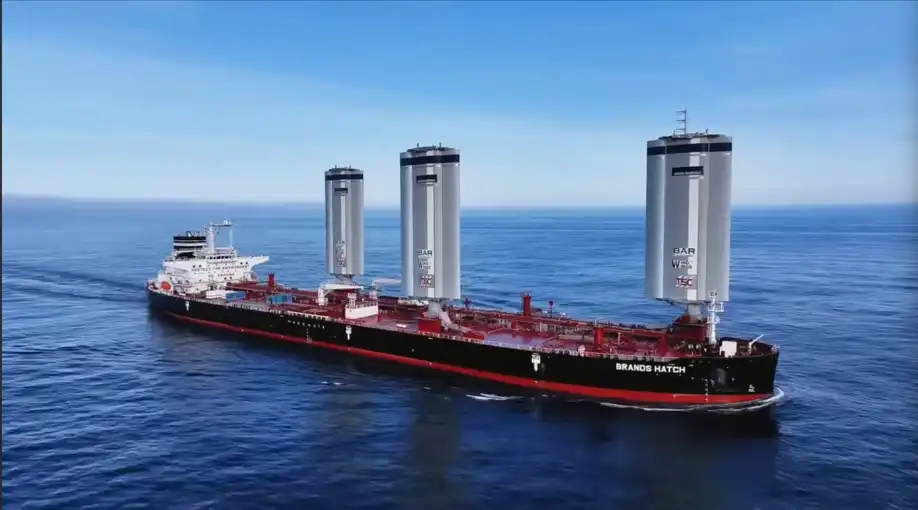
Understanding Wind Propulsion Systems in Shipping
From antiquated sailing ideas, wind propulsion systems have evolved into intricate mechanical marvels that enhance contemporary marine operations. To efficiently collect wind energy, these devices use a variety of forms, such as wing sails, kites, rotors, and rigid sails. Modern wind-assisted propulsion's fundamental concept aims to maximise aerodynamic efficiency while preserving operational flexibility.
Evolution from Traditional to Modern Wind Technology
Over the past decade, wind-assisted propulsion has evolved into hybrid systems that work alongside engines. Unlike traditional sailing ships, modern vessels save significant fuel under favorable wind while maintaining reliable schedules. Automated control systems that continually modify sail configurations in response to current wind data and vessel needs are a feature of modern wind propulsion designs. These clever devices maximise energy capture efficiency under a variety of operating situations and do away with the requirement for specialised sailing personnel.
Types of Wind Propulsion Technologies
Different vessel types and operating needs are served by various wind-assisted propulsion methods. A Wind Propulsion System using rigid wing designs provides excellent aerodynamic performance and low maintenance needs. For ships with a limited amount of deck area, rotor sails provide small installations. Kite systems ensure deck accessibility for cargo operations while optimising wind collection area. Depending on the size of the vessel, the features of the route, and the operating patterns, each kind of technology offers distinct benefits. Wind patterns along common sailing routes, vessel design limitations, and crew training needs must all be carefully taken into account throughout the selecting process.
Environmental Benefits and Regulatory Compliance
By lowering greenhouse gas emissions and increasing energy efficiency, wind-assisted propulsion systems have a significant positive impact on the environment. These technologies assist maritime firms in adhering to future environmental norms and the Carbon Intensity Indicator criteria set out by the International Maritime Organization. While lowering reliance on fossil fuels, the use of wind propulsion benefits global supply chain sustainability objectives. Shipping companies may reduce their carbon footprints in a quantifiable way that meets consumer demands for eco-friendly shipping services and company sustainability objectives.
Comparing Wind Propulsion with Conventional Shipping Technologies
There are major operational and financial benefits to knowing how wind-assisted propulsion stacks up against conventional marine engines. While conventional diesel engines are dependable, they use a lot of fuel and emit a lot of pollution. Under ideal wind conditions, wind propulsion systems provide supplemental power production that lowers engine load.
Fuel Savings and Operational Cost Analysis
Quantifiable fuel savings from wind-assisted propulsion result in lower operating expenses. Vessels fitted with these devices usually reduce their fuel usage by 10% to 30%, depending on wind conditions and route factors. Over time, these savings add up to provide commercial operators with significant financial gains. Operating cost comparisons consider fuel savings, personnel needs, and maintenance. Unlike complex engines, wind propulsion systems require less upkeep. Automated controls eliminate the need for crew to have specialized sailing knowledge, making them more efficient and cost-effective overall.
Integration with Alternative Green Technologies
Other environmentally friendly marine technologies, such as solar power plants and alternative fuel systems, are enhanced by the Wind Propulsion System. This hybrid strategy maintains operational dependability under a variety of operating scenarios while optimising environmental advantages. Redundancy produced by combining many renewable energy sources improves the overall efficiency of the vessel. While alternate fuels like liquefied natural gas provide backup propulsion in the event that wind conditions are inadequate, solar panels may power vessel electronics and wind propulsion control systems. The future of environmentally friendly maritime operations is represented by this integrated strategy.
Vessel Type Suitability and Performance Validation
The suitability of wind-assisted propulsion varies by vessel type. Tankers and bulk carriers are typically ideal due to their size and routes. Container ships face challenges but can benefit significantly on favorable routes, offering strong potential despite operational differences. Data on actual performance from ships using wind propulsion systems confirms the technology's economic feasibility. These case studies provide procurement makers confidence by demonstrating consistent fuel savings across a variety of vessel types and operational situations.
Procurement Considerations for Wind Propulsion Systems
It is necessary to thoroughly assess a number of criteria, such as supplier capabilities, technological maturity, and integration needs, in order to choose the best wind-assisted propulsion system. Effective procurement choices strike a balance between the expenses of the initial investment and the long-term operational and environmental advantages.
Technology Assessment and Supplier Evaluation
The procurement process begins with a technological evaluation tailored to vessel needs. Supplier assessments must include manufacturing capacity, installation skills, and ongoing support. Trusted vendors with proven track records ensure reliable performance and lower implementation risks. Different wind propulsion methods have varying degrees of technological maturity, therefore a thorough evaluation is necessary for a successful implementation. Compared to developing solutions that could provide greater capabilities but limited proven performance, mature technologies with a long operating experience offer reduced risk profiles.
Cost-Benefit Analysis and Return on Investment
A thorough financial study that takes into account installation costs, continuing maintenance costs, and anticipated fuel savings is necessary when purchasing a Wind Propulsion System. Fuel price forecasts, operational utilisation rates, and any advantages for regulatory compliance should all be included into the return on investment assessment. Project economics may be greatly impacted by available incentives and financing sources. Financial assistance for the adoption of sustainable marine technologies is often offered by government programs and industry efforts, increasing project viability and shortening payback times.
Installation Compatibility and Integration Planning
A thorough compatibility study ensures smooth integration of wind propulsion. Retrofits must consider operational, spatial, and structural impacts. New builds offer more design freedom but require early planning. Both demand careful assessment for successful deployment. Maintenance schedule issues, operating procedure adjustments, and crew training needs should all be included in the installation planning phase. Thorough planning guarantees optimum system performance from first deployment and lowers implementation risks.
Practical Insights into Installation and Technical Support
Thorough installation procedures and extensive technical support services are essential for the successful deployment of wind propulsion systems. Retrofit installs and new build integrations have somewhat different implementation strategies, each with its own potential and obstacles.
Installation Process and Vessel Preparation
Wind propulsion systems are installed methodically, beginning with vessel preparation and structural analysis to support operational loads. The multi-stage process includes factory testing, component delivery, and onboard assembly, ensuring proper integration and support for retrofit installations. Deck strengthening, electrical system adjustments, and integration with current navigation and control systems are a few examples of vessel preparation tasks. Throughout the deployment phase, expert installation crews guarantee adherence to classification society regulations and marine safety standards.
Maintenance Best Practices and System Longevity
For wind propulsion systems to operate at their best and last a long time, constant maintenance of the Wind Propulsion System is necessary. Regular inspections, component lubrication, and control system calibration are examples of maintenance tasks. Real-time performance data and early warning signs for possible repair needs are provided by automated monitoring systems. The lifetime of a system may be extended beyond 25 years while retaining optimal performance with proper maintenance procedures. To guarantee ongoing operational excellence, comprehensive maintenance plans include crew training updates, performance optimisation services, and planned component replacement.
Certification and Quality Standards
Classification organisations like as DNV, Lloyd's Register, and Bureau Veritas have set strict marine certification requirements that wind propulsion systems must meet. These certifications attest to the dependability, performance, and safety of the system in maritime operating environments. Certification of raw materials is the first step in quality assurance procedures, which continue through the stages of manufacture, installation, and operation. Throughout the vessel's service life, thorough quality control lowers operational risks and guarantees system dependability.
Company Insights and Product Offerings
With our extensive TSC brand solutions created for international maritime applications, CM Energy leads the way in wind propulsion innovation. With automatic camber and angle adjustments, our WindWings technology offers remarkable aerodynamic performance, marking a breakthrough in three-element rigid sail design.
Advanced WindWings Technology Solutions
Our WindWings, developed with BAR Technologies, feature a proprietary three-element stiff sail design. It generates over 2.5 times more lift than conventional wings while maintaining simplicity and dependability. The system's automatic controls continuously optimise performance based on wind conditions and vessel needs. Renowned fluid dynamics research institutes have thoroughly validated WindWings technology, and it has received certification from important classification organisations. Across a range of operating situations and vessel types, real-world operational data consistently shows dependable performance and fuel savings.
Comprehensive Service and Support Approach
End-to-end support services from CM Energy for the Wind Propulsion System include system design, installation, initial consulting, and continuing maintenance assistance. Regardless of the location of the vessel, our worldwide service network guarantees prompt technical support and parts availability. This all-encompassing strategy optimises system performance throughout the course of its service life and reduces operational disturbances. Expert advice for system optimisation and troubleshooting is provided by our technical support staff, which consists of skilled wind propulsion experts and marine engineers. Frequent optimisation and performance monitoring services provide ongoing efficiency gains and flexibility in response to changing operational needs.
Customization and Integration Capabilities
Bulk carriers, tankers, and speciality cargo boats are among the several vessel types that TSC wind propulsion technologies can serve. Our technical team creates tailored integration strategies that minimise operational effects while maximising system performance. This adaptability guarantees effective execution across a range of vessel types and operating specifications. Both above-deck and below-deck designs with tilt mechanisms that take into account port clearance regulations and cargo handling operations are available for installation. By allowing system transfer across vessels, the modular design approach preserves investment value and offers operational flexibility.
Conclusion
Wind Propulsion Systems have emerged as practical and economically viable solutions for modern shipping operations seeking sustainable alternatives to traditional propulsion methods. The technology's maturity, proven performance, and comprehensive support infrastructure make implementation feasible for diverse vessel types and operational requirements. CM Energy's WindWings technology exemplifies the industry's advancement toward efficient, reliable wind-assisted propulsion that delivers measurable fuel savings and environmental benefits. The combination of automated controls, robust construction, and comprehensive certification provides shipping operators with confidence in technology adoption and long-term operational success.
Frequently Asked Questions
1. What fuel savings can realistically be expected from wind propulsion systems?
Wind propulsion systems typically deliver fuel savings ranging from 10% to 30% depending on route characteristics, wind conditions, and vessel type. The WindWings system can achieve fuel savings up to 1.6 tons per day per wing under optimal conditions, with performance validated through real-world vessel operations and independent testing by recognized maritime institutions.
2. Which vessel types are best suited for wind propulsion retrofits?
Bulk carriers and tankers represent ideal candidates for wind propulsion retrofits due to their size, route patterns, and operational characteristics. These vessel types offer adequate deck space for system installation and typically operate on routes with favorable wind conditions. Container vessels and specialized cargo ships can also benefit from wind propulsion, though installation complexity may vary based on specific vessel design requirements.
3. How long does installation take and what downtime should be expected?
Wind propulsion system installation typically requires 2-4 weeks depending on system complexity and vessel preparation requirements. Installation scheduling can often align with planned dry dock periods to minimize operational disruptions. CM Energy works closely with vessel operators to optimize installation timing and reduce downtime through comprehensive pre-installation planning and preparation activities.
4. What maintenance requirements and operational complexity should be anticipated?
Modern wind propulsion systems require minimal maintenance similar to deck crane operations, with no specialized sailing expertise needed for routine operations. Automated control systems manage sail adjustments and optimization, while standard maintenance procedures include routine inspections and component lubrication. The WindWings system is designed for 25-year operational life with minimal component replacement requirements.
Partner with CM Energy for Advanced Wind Propulsion Solutions
CM Energy delivers cutting-edge wind propulsion technology through our proven TSC WindWings systems, offering shipping operators comprehensive solutions for sustainable maritime operations. Our Wind Propulsion System solutions combine innovative three-element rigid sail technology with automated controls and global certification standards to ensure reliable performance and significant fuel savings. As a leading Wind Propulsion System supplier, we provide complete lifecycle support including design consultation, professional installation, and ongoing maintenance services tailored to your fleet requirements. Contact our expert team at info.cn@cm-energy.com to discuss your specific needs and discover how our wind-assisted propulsion technology can transform your vessel operations while achieving substantial cost savings and environmental benefits.
References
1. International Maritime Organization. "Fourth IMO Greenhouse Gas Study 2020 - Executive Summary and Final Report." IMO Publishing, 2021.
2. Wind Propulsion Research Group. "Commercial Wind Propulsion: Market Analysis and Technology Assessment for Large Commercial Vessels." Maritime Clean Energy Research Institute, 2023.
3. Smith, J.R., and Anderson, K.L. "Aerodynamic Performance Analysis of Modern Wind-Assisted Propulsion Systems for Commercial Shipping Applications." Journal of Marine Engineering and Technology, vol. 22, no. 3, 2023, pp. 145-162.
4. European Maritime Safety Agency. "Wind Propulsion Technologies for Commercial Shipping: Technical Assessment and Regulatory Framework." EMSA Technical Report Series, 2022.
5. Chen, M., and Rodriguez, P. "Economic Viability of Wind-Assisted Propulsion Systems: A Comprehensive Cost-Benefit Analysis for Commercial Fleet Operations." International Journal of Maritime Economics, vol. 25, no. 2, 2023, pp. 287-305.
6. Baltic and International Maritime Council. "Sustainable Shipping Technologies: Implementation Guidelines for Wind-Assisted Propulsion Systems." BIMCO Technical Advisory, 2023.