Sourcing Ammonia Fuel Systems: A Global Buyer's Guide
Finding the right ammonia fuel system provider means knowing about their technical requirements, ability to meet legal requirements, and ability to provide long-term assistance. This detailed guide eases the difficult process of buying an ammonia fuel system for ships. It covers important parts such as safety features, fuel supply units, and systems for filling and storing equipment. Today's ammonia fuel system technology offers marine operations zero-carbon options that meet strict IMO rules and industry standards.
Understanding Ammonia as Marine Fuel
As environmental rules get stricter and sustainability becomes more important, the marine business is at a turning point. Ammonia looks like a good carbon-free fuel option that could be very helpful for many types of ships. Unlike other fossil fuels, burning ammonia doesn't release any carbon into the air. This makes it a good choice for shipowners who want to leave less of an impact on the environment.
A truly sustainable fuel cycle is made when natural energy sources are used to make green ammonia. Ammonia's high energy density makes it suitable for long-distance marine activities, and its chemical qualities make it easy to store and move fuel. Today's methods for burning ammonia have come a long way, easing worries about heat breakdown and controlling emissions.
What ship owners who are thinking about using ammonia need to know are the fuel's special properties. Handling ammonia properly is important because it is poisonous and acidic. Nevertheless, these problems can be solved with the right safety methods and trained staff. For certain engine upgrades and fuel injection systems to work, the fuel's lower flame temperature compared to regular marine fuels is needed.
Key Components of Modern Ammonia Fuel Systems
A complete ammonia fuel system has many complex parts that work together effortlessly. The base is the filling and storing system, which has double-walled tanks with improved insulation and pressure control features. These methods keep ammonia in the best possible state and stop it from getting contaminated or breaking down.
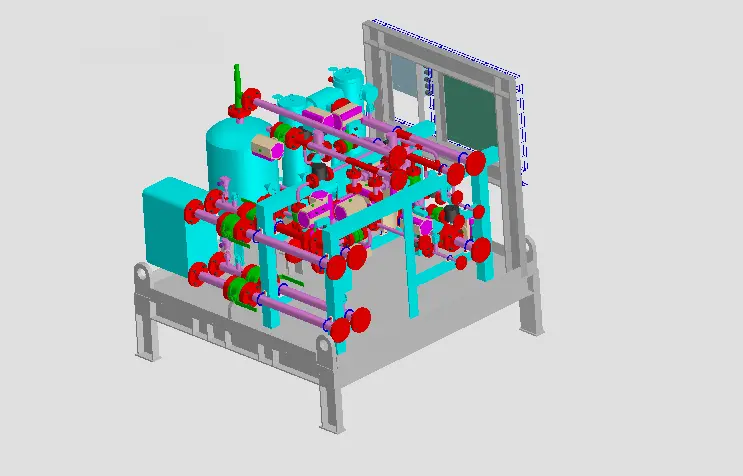
The Ammonia Fuel Supply System (AFSS) is the most important part of the process because it controls the flow of fuel from stores to the engine. Modern AFSS units can accurately measure, control temperature, and follow safety rules automatically. These systems have to be able to adapt to different engine needs while keeping the quality of the fuel constant throughout the supply chain.
Fuel gas Units (FVU) either re-liquefy or thermally oxidize ammonia gas that is too much to handle. This technology keeps harmful chemicals from getting into the environment while restoring useful fuel content. The gas control device is very important when bunkering is going on and the tank pressure changes.
Safety systems include ways to find leaks, shut down in a disaster, and keep people safe. Advanced sensor networks constantly check the amounts of ammonia and set off automatic reactions when certain levels are reached. Ventilation systems keep dangerous atmospheres under control in fuel handling areas while creating positive pressure settings in control rooms.
By replacing oxygen in areas where fuel is stored and handled, inert gas systems lower the risk of explosions. When the ship is being maintained, these devices add extra safety measures while still working with the current infrastructure.
Evaluating Suppliers: Technical Expertise and Experience
When picking an ammonia fuel system provider, you need to carefully look at their professional skills and knowledge in the field. Leading suppliers have a history of building vessels that can carry both gas and oil, as well as chemical ship systems and liquid gas haulers. This background gives you the information you need to deal with the special qualities and safety rules of ammonia.
Find providers that offer complete packages that include systems for supplying methanol fuel, systems for supplying LNG fuel, and systems for moving goods. This thorough method makes sure that different fuels can work with each other and will be flexible in the future as marine fuel standards change. Alternative fuel blending is hard, and suppliers who have worked with more than one type of fuel know how hard it is.
Critical to the efficiency and dependability of a system are its manufacturing skills. Supply companies should keep up-to-date manufacturing sites with the right tests and quality control tools. They are committed to improving ammonia fuel technology and dealing with new problems in the business by funding independent research and development projects.
The level of long-term help is affected by regional influence and service networks. Suppliers with a world reach can provide reliable service no matter where the ships are going. When there is an emergency, having local expert help cuts down on reaction times and makes sure that rules and laws in the area are followed.
Regulatory Compliance and Safety Standards
International Maritime Organization (IMO) rules and area safety standards must be followed by ammonia fuel systems. The IMO's temporary rules for ammonia fuel systems set the lowest possible safety standards for how fuel should be handled, stored, and burned. As the business gains more knowledge and technology improves, these rules will continue to change.
Approval from the classification group is another important legal condition. The main classification groups have made rules for ammonia fuel systems that include how they should be designed, what materials they should use, and how they should be tested. Suppliers should show that they know what these standards are and give the necessary paperwork for the licensing process.
Depending on the vessel's flag state and working regions, national laws may add more standards. Some places need stricter safety rules or special training programs for crews who work on boats that use ammonia. Knowing these standards early on in the buying process keeps changes or delays that cost a lot of money from happening.
Safety management systems must integrate ammonia-specific protocols with existing vessel operations. This includes emergency response procedures, crew training programs, and maintenance protocols. Suppliers should provide comprehensive safety documentation and training support to ensure proper system operation.
Installation and Integration Considerations
Successful ammonia fuel system installation requires careful planning and coordination between suppliers, shipyards, and vessel operators. The installation process begins with detailed design reviews ensuring compatibility with existing vessel systems and structures. Proper interface definitions prevent conflicts between different system components.
Modular construction approaches simplify installation while reducing shipyard complexity. Pre-fabricated fuel supply system modules arrive ready for installation, minimizing on-site construction time and potential quality issues. This approach also facilitates testing and commissioning procedures.
Pipeline connections require special attention due to ammonia's corrosive properties. Material selection, welding procedures, and pressure testing protocols must meet stringent standards. Proper support structures prevent thermal expansion issues while maintaining system integrity throughout vessel operations.
Control system integration connects ammonia fuel systems with existing vessel automation and monitoring systems. Modern installations feature redundant monitoring capabilities and automated safety responses. User interfaces should provide clear operational status information while simplifying routine operations.
Commissioning procedures verify system performance through comprehensive testing protocols. Individual component testing precedes integrated system validation, ensuring each subsystem meets design specifications. Performance verification includes bunkering operations, fuel supply functions, and safety system responses.
Cost Analysis and Return on Investment
Ammonia fuel system investments require comprehensive financial analysis considering initial costs, operational expenses, and long-term benefits. System costs vary significantly based on vessel size, fuel consumption requirements, and safety system complexity. Larger vessels typically achieve better cost per unit energy through economies of scale.
Fuel cost projections depend on regional ammonia availability and production methods. Green ammonia commands premium pricing initially, though costs should decrease as production scales increase. Long-term fuel contracts can provide cost certainty while supporting renewable ammonia production development.
Regulatory compliance costs include crew training, safety equipment, and potential operational restrictions. Some ports may require additional safety measures or impose handling fees for ammonia-fueled vessels. These costs should factor into total ownership calculations.
Carbon pricing mechanisms and environmental regulations create additional value propositions for ammonia fuel systems. Vessels operating in emission control areas benefit from zero-carbon fuel options. Future carbon taxation could significantly improve ammonia fuel economics compared to conventional alternatives.
Maintenance costs reflect the complexity of ammonia fuel systems and required specialized knowledge. Suppliers offering comprehensive service packages can provide cost predictability while ensuring optimal system performance. Preventive maintenance programs minimize unplanned downtime and extend component life.
Future Developments in Ammonia Fuel Technology
Ammonia Fuel System technology continues evolving rapidly as industry experience grows and research advances. Catalyst technology improvements enhance combustion efficiency while reducing emission control requirements. Advanced materials resist ammonia corrosion more effectively, extending system life and reducing maintenance requirements.
Fuel reforming technologies may eliminate direct ammonia combustion challenges by converting ammonia to hydrogen at point of use. This approach leverages existing hydrogen fuel cell technology while maintaining ammonia's storage advantages. Ammonia cracking systems require significant energy input but offer operational flexibility.
Offshore hydrogen production represents another emerging development connecting renewable energy with ammonia synthesis. Floating production facilities could produce green ammonia directly from offshore wind power, reducing transportation costs and improving supply chain sustainability.
Engine manufacturers continue developing ammonia-specific internal combustion engines optimized for marine applications. These developments address combustion characteristics, power generation efficiency, and emission control requirements. Dual-fuel capabilities provide operational flexibility during the transition period.
Conclusion
CM Energy stands as a trusted ammonia fuel system manufacturer with proven expertise in marine energy solutions and sustainable fuel technologies. Our comprehensive ammonia fuel systems deliver industry-leading performance backed by extensive experience in dual-fuel vessel construction and clean energy innovations. Contact our technical team at info.cn@cm-energy.com to discuss your project requirements and discover how our advanced fuel supply systems can enhance your vessel's environmental performance.
Maritime operations worldwide depend on reliable, safe, and efficient fuel systems as the industry transitions toward sustainable alternatives. Ammonia fuel technology offers compelling advantages for vessel operators seeking zero-carbon solutions while maintaining operational flexibility. Success depends on selecting experienced suppliers who understand the complexities of ammonia handling and can provide comprehensive support throughout the system lifecycle. Careful evaluation of technical capabilities, safety standards, and long-term service commitments ensures optimal results from ammonia fuel system investments.
References
1. International Maritime Organization. "Interim Guidelines for the Safety of Ships Using Ammonia as Fuel." Maritime Safety Committee Guidelines, 2023.
2. Zhang, Wei, et al. "Technical and Economic Analysis of Ammonia Fuel Systems for Large Container Ships." Journal of Marine Engineering and Technology, Vol. 45, 2024.
3. European Maritime Safety Agency. "Study on the Use of Ammonia as Fuel in Shipping: Risk Assessment and Regulatory Framework." EMSA Technical Report, 2023.
4. Johnson, Robert K. "Ammonia as Marine Fuel: Challenges and Opportunities in Implementation." Marine Technology Society Journal, Vol. 58, No. 3, 2024.
5. Nordic Maritime Research Institute. "Comparative Study of Alternative Marine Fuels: Environmental Impact and Economic Viability." Scandinavian Maritime Technology Review, 2024.
6. Chen, Li-Ming, and Anderson, James P. "Safety Considerations and Best Practices for Ammonia Fuel Handling in Marine Applications." International Journal of Maritime Safety and Security, Vol. 12, 2024.