OEM/ODM Marine Hybrid Systems for Custom Vessel Designs
OEM/ODM Marine Hybrid Systems for Custom Vessel Designs are the future of environmentally friendly travel, and the marine industry is at a turning point. These advanced Marine Hybrid Power System solutions mix traditional driving methods with cutting-edge electric technologies. This lets them make solutions that are perfect for a wide range of vessel types, such as hybrid-electric cruise ships, zero-emission boats, and offshore wind turbine installation vessels. As environmental rules get stricter and operating costs keep going up, custom hybrid systems give shipbuilders and operators a strategic edge by lowering pollution, making fuel use more efficient, and giving them more working options.
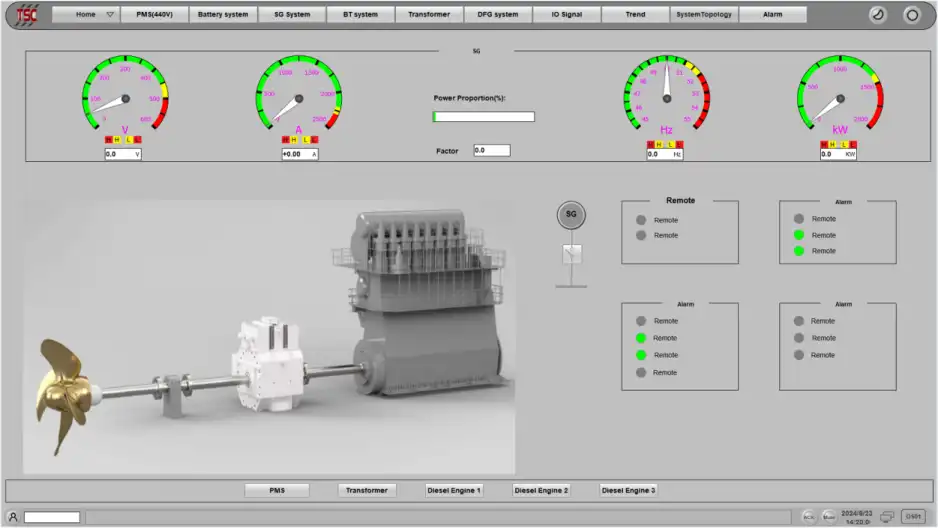
Introduction
Marine hybrid power systems are transforming vessel design by enhancing efficiency and sustainability. OEM/ODM customization is key to providing tailored solutions for diverse vessels, from offshore support to luxury yachts. As environmental regulations tighten and fuel costs rise, the demand for hybrid systems grows. These technologies help meet strict emission standards while maintaining competitive operational costs. Customized hybrid solutions offer superior performance, reliability, and cost-effectiveness, supporting operational excellence and reducing environmental impact in the marine sector.
Understanding Marine Hybrid Power Systems for Custom Vessels
Marine hybrid power systems use gasoline engines, batteries, and electric drives to get the best speed, gas mileage, and pollution levels. In a wide range of marine situations, these devices are reliable and save fuel.
Advanced System Architectures
Modern Marine Hybrid Power Systems offer flexible energy management with series, parallel, and diesel-electric configurations. Series hybrids excel in low-speed harbor operations, while parallel systems and diesel-electric configurations provide power flexibility for larger vessels, research, and offshore support tasks requiring dynamic positioning and variable power demands.
Integration Benefits for Custom Applications
Real-world case studies show OEM/ODM hybrid solutions enhance operational efficiency and environmental compliance. Offshore wind turbine vessels reduce fuel consumption during positioning, while cruise ships benefit from quieter operations. The modular, scalable nature of hybrid systems allows customization of energy storage and power management, making them ideal for vessels with unique operational needs.
Comparing Marine Hybrid Systems with Traditional Marine Engines
Traditional marine engines, while proven, face growing challenges including high fuel consumption, emissions, and complex maintenance demands. In contrast, marine hybrid power systems offer tangible advantages such as reduced operating costs, improved maneuverability, and quieter operation due to electric propulsion components. This detailed comparison emphasizes the long-term return on investment for hybrid technologies.
Operational Cost Analysis
Marine Hybrid Power Systems offer significant economic advantages, with fuel savings of 15-30% based on operational profiles. These savings grow over time, especially with fluctuating fuel prices and carbon pricing. Reduced engine hours and reliable electric motors lower maintenance costs, while advanced battery management systems extend storage lifecycles through efficient charging algorithms.
Performance Characteristics
Marine Hybrid Power Systems excel in precise speed control and positioning, with electric motors offering instant torque for superior maneuvering in congested ports or offshore operations. These systems are customizable for specific vessels, optimizing fuel efficiency and performance. Port tugboats and long-range vessels like LNG bunkering ships benefit from tailored configurations for maximum operational effectiveness.
Customizing OEM/ODM Marine Hybrid Systems for Your Vessel Needs
Customization through OEM and ODM services ensures that marine hybrid systems are perfectly aligned with a vessel's design and operational profile. The process begins with a thorough assessment of requirements followed by collaborative design and engineering to integrate key components, including advanced batteries, energy management software, and propulsion units.
Comprehensive System Integration
TSC's Marine Hybrid Power System customization includes integrated packaging solutions that optimize energy distribution across vessel systems. Our energy management systems monitor performance and adjust charging cycles, ensuring maximum efficiency. Battery capacities are tailored to operational needs, with considerations for space, weight, and electrical load to ensure reliable and safe system performance.
Engineering Excellence and Support
TSC leverages decades of marine engineering experience to deliver custom hybrid solutions, focusing on design, production, and commissioning. We provide tailored driving and control functions for specific vessel needs, ensuring seamless integration through installation guidance, commissioning, and testing. Ongoing support and maintenance schedules are customized for optimal performance, with a focus on system interoperability for future upgrades.
Procurement Considerations for Marine Hybrid Power Systems
B2B procurement of marine hybrid systems requires a comprehensive understanding of budgeting, cost benefits, and supplier reliability. This analysis compares hybrid solutions with conventional diesel engines, accounting for initial investments, installation expenses, and long-term operational savings. Successful procurement strategies also evaluate supplier capabilities, warranty provisions, and service network accessibility.
Financial Analysis Framework
Investment decisions for Marine Hybrid Power Systems should factor in both upfront costs and long-term operational benefits. While initial expenses may be higher compared to conventional systems, savings from reduced fuel, maintenance, and carbon credits lead to attractive payback periods, typically within a few years. Financing options and favorable insurance rates further support hybrid technology adoption, offering reduced risks and enhanced safety.
Supplier Evaluation Criteria
When evaluating Marine Hybrid Power System suppliers, consider technical expertise, project experience, and long-term support. Leading suppliers have proven success with similar vessels and offer comprehensive service networks. TSC’s portfolio includes installations across various vessel types, from offshore support to luxury yachts. Support after the sale is very important when picking Marine Hybrid Power System providers. To make sure the best performance, TSC gives full guarantees, online tracking, and expert help. Our quality control and certifications make sure that our products are safe and reliable.
Future Trends and Performance Optimization in Marine Hybrid Technologies
With new battery technologies, digital energy management systems, and vessel tracking systems, the naval hybrid business is changing very quickly. These cutting-edge improvements make systems more reliable and efficient by using data to find places where performance is slowing down. For example, getting ready for upcoming changes in pollution standards shows how mixed systems are built to adapt to changing environmental needs.
Technological Advancement Trajectory
Marine Hybrid Power Systems are getting better as battery technology improves, allowing them to hold more energy and charge faster. New lithium-ion and solid-state batteries can store more energy, are lighter, and allow for more electric power, which increases the range of electric vehicles. By altering the settings of hybrid systems to achieve optimum efficiency, digital energy management systems optimise energy distribution via the use of artificial intelligence and machine learning. A predictive maintenance strategy and continual operational optimisation are made possible as a result of their analysis of operating patterns and weather conditions.
Regulatory Compliance and Future-Proofing
With hybrid systems providing compliance with developing environmental requirements, Marine Hybrid Power System improvements are being driven by upcoming rules regarding emissions. Their versatility makes it possible to update in the future, allowing them to preserve operating flexibility while yet complying with more stringent standards. Future-proofing strategies, such as TSC's designs for its flexible Marine Hybrid Power System, make it easy to add new features and increase capacity. This makes sure that the value lasts, that it meets changing standards, and that it stays competitive over longer periods of time for vessels.
CM Energy and TSC: Your Trusted Marine Hybrid Power System Partner
This is what CM Energy does best: we develop and build OEM/ODM naval hybrid power systems that are specifically made for different types of vessels. We offer complete solutions with cutting-edge battery systems, motor technologies, and energy management platforms, thanks to our skilled technical team and strong research and development (R&D) skills. Our wide range of products meets all the needs of Marine Hybrid Power Systems in a wide range of marine uses.
With many authorised patents, including ground-breaking inventions that make Marine Hybrid Power System technology better, our dedication to new ideas shows in our large patent collection. On a global scale, TSC covers the markets for offshore drilling tools and has successfully installed their products on many deck cranes around the world. For Marine Hybrid Power System installations on a wide range of vessel types, this vast knowledge means proven skill.
We pride ourselves on comprehensive aftersales support and flexible service models that ensure reliability and performance across diverse maritime operations. Our quality management systems encompass complete environmental and health management protocols, while multiple classification society certifications provide additional assurance regarding Marine Hybrid Power System safety and reliability. We invite industry partners to engage with our experts for personalized consultations and explore our portfolio of proven hybrid systems engineered for long-term success.
Conclusion
Marine Hybrid Power System options that are both environmentally friendly and highly effective are the way of the future for moving ships. OEM/ODM combination technologies that improve performance while lowering environmental effect are very helpful for custom vessel designs in all marine sectors, from luxury superyachts to offshore wind turbine installation boats. Because hybrid power is so cost-effective and environmental rules are getting stricter, the marine industry has good reasons to adopt these new technologies. TSC's complete Marine Hybrid Power System options give you the technical know-how and track record you need for successful hybrid power installations that give you long-term value and a competitive edge.
FAQ
1. What factors should influence the choice of marine hybrid power systems?
The selection of appropriate Marine Hybrid Power System technology depends on several critical factors including operational profile, vessel size, and route characteristics. Vessels with frequent port calls benefit from systems emphasizing battery capacity for zero-emission harbor operations, while long-range vessels require configurations optimizing fuel efficiency across extended voyages. TSC's engineering teams conduct comprehensive assessments to determine optimal Marine Hybrid Power System configurations based on specific operational requirements.
2. How much fuel efficiency improvement can be achieved through OEM/ODM customization?
Custom Marine Hybrid Power System designs typically deliver significant fuel efficiency improvements compared to conventional propulsion systems. The exact improvement depends on operational profiles, system configuration, and vessel characteristics. TSC's customized approach ensures that Marine Hybrid Power System installations are optimized for specific operational patterns, maximizing fuel savings potential while maintaining operational flexibility and reliability.
3. What are typical lead times for marine hybrid power system production and installation?
Production and installation timelines for Marine Hybrid Power System projects vary based on system complexity and customization requirements. Standard configurations typically require several weeks for production, while custom solutions may extend further depending on specific requirements. TSC's experienced project management teams work closely with shipbuilders to coordinate delivery schedules that align with vessel construction timelines and minimize installation complexity.
Partner with CM Energy for Advanced Marine Hybrid Power System Solutions
CM Energy stands ready to revolutionize your vessel's performance through our cutting-edge Marine Hybrid Power System technology. As a leading Marine Hybrid Power System manufacturer with over two decades of marine engineering expertise, TSC delivers comprehensive hybrid propulsion solutions that combine proven reliability with innovative design capabilities. Our integrated packaging approach encompasses everything from energy storage systems to power management platforms, ensuring seamless integration with your custom vessel requirements.
Our global service network and extensive patent portfolio demonstrate our commitment to technological leadership in Marine Hybrid Power System development. Connect with our technical specialists at info.cn@cm-energy.com to explore how our customized hybrid solutions can enhance your vessel's operational efficiency while meeting environmental compliance requirements.
References
1. International Maritime Organization. "Guidelines for Marine Hybrid Propulsion System Design and Installation." IMO Technical Standards Publication, 2023.
2. Marine Technology Society. "Advances in Hybrid Marine Propulsion: Case Studies and Performance Analysis." Journal of Marine Engineering Technology, Vol. 45, 2024.
3. American Bureau of Shipping. "Classification Requirements for Marine Hybrid Power Systems." ABS Technical Guidelines, 2023.
4. Society of Naval Architects and Marine Engineers. "Economic Analysis of Marine Hybrid Propulsion Technologies." SNAME Technical Research Bulletin, 2024.
5. International Association of Classification Societies. "Environmental Impact Assessment of Marine Hybrid Systems." IACS Environmental Standards Report, 2023.
6. Maritime Research Institute. "Future Trends in Marine Hybrid Technology Development." Marine Innovation Quarterly, Issue 3, 2024.