The maritime industry stands at the crossroads of environmental transformation, with LNG Fuel Supply System technology emerging as a pivotal solution for sustainable shipping operations. Current global adoption rates indicate that over 30% of new vessel orders now incorporate dual-fuel capabilities, driven by stringent environmental regulations and growing environmental consciousness among fleet operators. This shift toward liquefied natural gas solutions represents not merely a technological upgrade but a fundamental reimagining of how maritime fuel systems can deliver both operational efficiency and environmental compliance across diverse vessel categories from bulk carriers to specialized offshore support vessels.
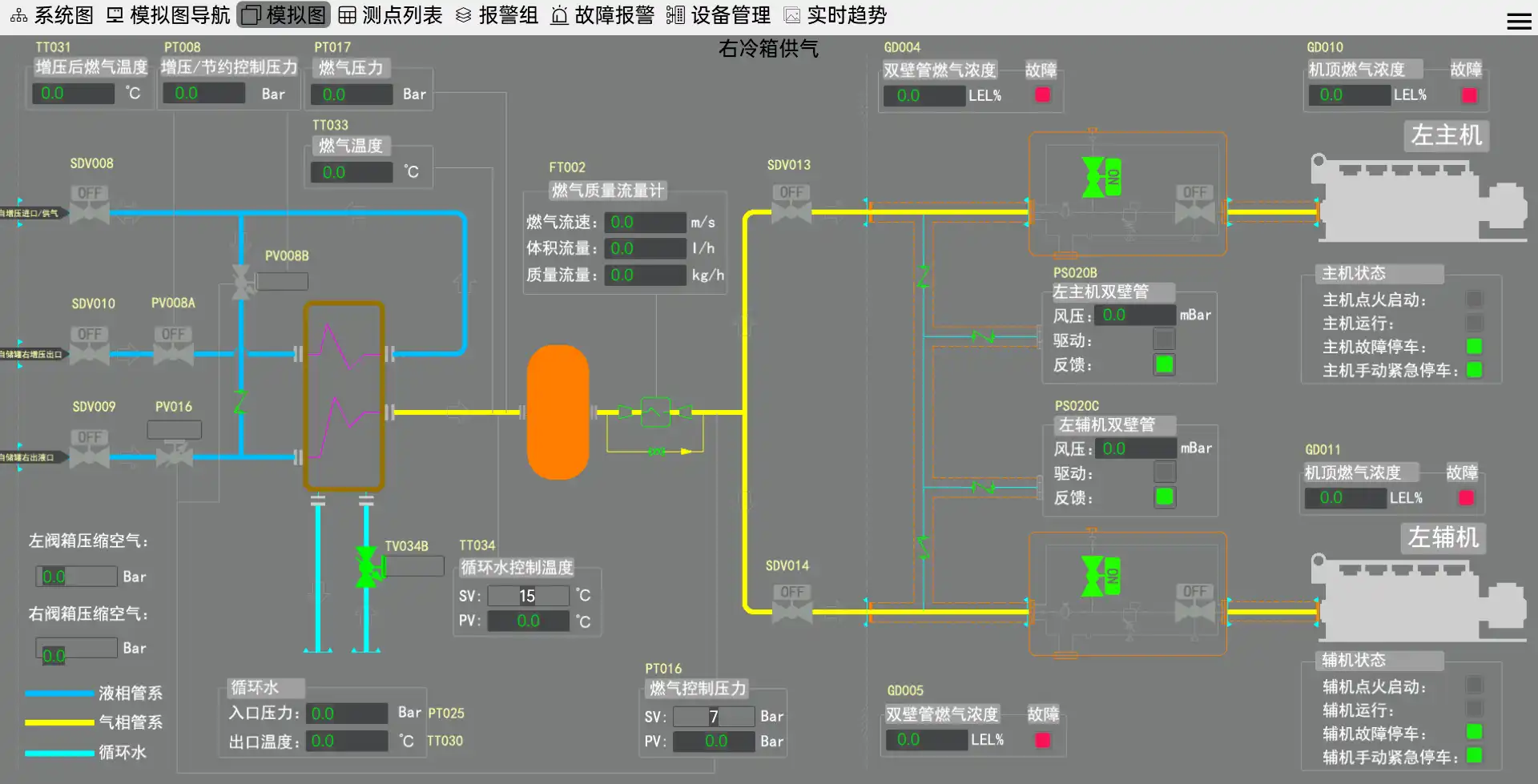
Understanding LNG Fuel Supply Systems in Shipping
Modern LNG fuel frameworks speak to advanced mechanical arrangements that empower sea vessels to utilize melted common gas as a cleaner elective to conventional marine fuels. These frameworks contain basic components counting cryogenic capacity tanks, vaporization units, weight control frameworks, and comprehensive security observing gear that work together to provide reliable fuel supply to dual-fuel engines.
Core Components and Operational Mechanics
The fuel conveyance handle starts with onboard capacity in extraordinarily outlined cryogenic tanks that keep up LNG at amazingly moo temperatures. Progressed vaporization innovation changes over the melted gas into a vapor form, whereas accuracy metering frameworks guarantee precise fuel conveyance to motors. Security conventions coordinates all through the framework and incorporate programmed shutdown instruments, gas discovery frameworks, and crisis venting methods that surpass worldwide sea security standards.
Environmental Benefits and Operational Advantages
LNG fuel frameworks provide quantifiable natural benefits counting critical reductions in sulfur oxide outflows, nitrogen oxide yield, and particulate matter discharge compared to customary marine diesel. These frameworks also create lower carbon dioxide outflows whereas disposing of sulfur-related erosion issues that torment conventional fuel frameworks. Operational focal points amplify past natural compliance to incorporate decreased fuel costs in numerous markets, expanded support interims, and advanced motor execution characteristics that improve overall vessel efficiency.
Global Market Trends Driving LNG Fuel Supply System Adoption
The global sea industry has seen a quickened appropriation of LNG fuel advances, with installation rates expanding drastically over major shipping corridors. European and North American markets lead this change, whereas rising economies in Asia and Latin America illustrate quickly developing interest in clean fuel alternatives.
Regulatory Framework Impact
LNG Fuel Supply System adoption is driven by IMO sulfur caps and greenhouse gas targets. Incentives like tax benefits and preferential port access encourage investment in compliant, environmentally friendly maritime fuel infrastructure.
Technology Innovation Acceleration
Advances in LNG Fuel Supply System efficiency, heat recovery, and control technologies, along with bio-LNG integration, enhance performance, simplify operations, and support sustainable adoption across diverse vessel types and global shipping routes.
Comparing LNG Fuel Supply Systems with Alternative Fuel Solutions
LNG technology offers distinct advantages when evaluated against conventional marine diesel and compressed natural gas alternatives across multiple operational parameters. Performance characteristics, cost structures, emission profiles, and vessel compatibility considerations each contribute to the decision-making process for fleet operators evaluating fuel system options.
Performance and Cost Analysis
LNG systems demonstrate superior emission reduction capabilities compared to traditional diesel, achieving substantial decreases in harmful pollutants while maintaining comparable power output and operational reliability. When compared to compressed natural gas systems, LNG offers higher energy density and reduced storage volume requirements, making it particularly suitable for long-range operations and larger vessels where space optimization becomes critical.
Total Cost of Ownership Considerations
The financial evaluation of LNG fuel systems encompasses initial installation costs, ongoing operational expenses, maintenance requirements, and regulatory compliance benefits. While upfront investment requirements may exceed conventional systems, long-term operational savings through fuel efficiency gains and reduced maintenance needs often generate positive returns. Additionally, regulatory compliance benefits and potential carbon credit opportunities contribute to overall financial attractiveness, particularly as environmental regulations become increasingly stringent across global shipping lanes.
Selecting and Procuring LNG Fuel Supply Systems for Shipping Operations
Successful LNG fuel system procurement requires careful evaluation of technical specifications, operational requirements, and supplier capabilities to ensure optimal performance throughout the system lifecycle. Decision-makers must consider vessel-specific factors including capacity requirements, operational profiles, and integration with existing ship systems.
Technical Specification Requirements
Selecting an LNG Fuel Supply System requires analyzing vessel size, engine specs, routes, fuel usage, and compliance with safety standards to ensure regulatory adherence and operational flexibility.
Supplier Evaluation Criteria
Evaluate LNG Fuel Supply System suppliers based on innovation, quality, global support, and proven experience. Strategic partnerships with engine manufacturers enhance compatibility and address complex operational requirements effectively.
Custom Engineering and Installation Services
Custom-engineered LNG Fuel Supply System installations optimize performance, simplify integration, and include project management, commissioning support, crew training, and maintenance planning for long-term reliability.
Maintaining and Ensuring the Safety of LNG Fuel Supply Systems
Effective upkeep conventions and comprehensive security administration hones guarantee solid operation whereas ensuring work force and resources all through the framework lifecycle. Schedule review methods, preventive support plans, and crisis reaction conventions frame the establishment of effective LNG framework operations.
Maintenance Protocols and Inspection Requirements
Regular assessment schedules include visual examinations, weight testing, security framework confirmation, and execution observing to distinguish potential issues some time recently they affect operations. Preventive upkeep plans address component substitution, calibration necessities, and framework optimization strategies that amplify gear life expectancy while keeping up top execution. Documentation necessities and support records back administrative compliance whereas giving important information for framework optimization and troubleshooting.
Safety Standards and Risk Management
International security benchmarks particular to LNG take care of building comprehensive systems for risk mitigation and crisis reaction. Gas discovery frameworks, fire concealment hardware, and crisis shutdown methods give numerous layers of security against potential risks. Team preparing programs guarantee appropriate understanding of framework operation, crisis methods, and security conventions that keep up operational astuteness beneath all conditions.
Crew Training and Certification
Comprehensive preparation programs covering framework operation, upkeep methods, and crisis reaction guarantee that group individuals have vital skills and information for secure LNG framework operation. Certification necessities change by ward but regularly include specialized preparing in cryogenic fuel taking care of, gas discovery methods, and crisis reaction conventions. Continuous preparing upgrades guarantee that groups stay current with advancing best hones and administrative requirements.
Company Introduction and Our LNG Fuel Supply Solutions
CM Vitality stands at the bleeding edge of sea fuel framework development through our TSC brand, conveying comprehensive arrangements that meet assorted shipping acquirement needs over worldwide markets. Our skill includes dual-fuel vessel plans, melted gas carriers, chemical tankers, and related frameworks that bolster the sea industry's move toward economical operations.
Comprehensive Product Portfolio
CM Energy's LNG Fuel Supply System offerings include high- and low-pressure configurations, accommodating diverse engines, maximizing space efficiency, reducing emissions, and demonstrating proven reliability across multiple vessel types and operational conditions.
Innovation and Partnership Excellence
TSC leverages strategic partnerships and innovative LNG Fuel Supply System designs, including customized layouts, boil-off gas utilization, and turnkey installation solutions, ensuring compliance, reliability, and simplified procurement for clients worldwide.
Lifecycle Support Services
Comprehensive LNG Fuel Supply System support includes design, manufacturing, installation supervision, maintenance, and technical consultation, providing operational optimization, regulatory compliance, and responsive global service throughout the system lifecycle.
Conclusion
The worldwide oceanic industry's move toward LNG fuel frameworks speaks to an essential move that combines natural duty with operational fabulousness. Current appropriation patterns show a quickening acknowledgment over different vessel categories, driven by administrative prerequisites, mechanical progression, and financial focal points that bolster long-term operational sustainability. Effective execution requires cautious thought of specialized details, provider capabilities, and lifecycle support necessities that guarantee ideal execution all through the system's operational life. As the industry proceeds advancing toward cleaner fuel options, LNG innovation gives a demonstrated pathway for accomplishing emanation lessening goals whereas keeping up operational productivity and financial practicality over worldwide shipping operations.
FAQ
1. What are the primary benefits of LNG fuel systems for maritime operations?
LNG fuel systems deliver significant environmental benefits including reduced sulfur oxide, nitrogen oxide, and particulate matter emissions compared to traditional marine diesel. Economic advantages include potential fuel cost savings, reduced maintenance requirements, and improved regulatory compliance that supports operational flexibility across diverse markets.
2. How long does typical installation take for LNG fuel systems?
Installation timelines shift depending on vessel measure, framework complexity, and shipyard planning but ordinarily extend from a few weeks to a few months. Proficient extend administration and pre-fabricated framework modules offer assistance minimize establishment length whereas guaranteeing appropriate integration with existing vessel systems.
3. Which engine types are compatible with LNG fuel systems?
LNG fuel systems accommodate diverse engine configurations including dual-fuel engines, gas-only engines, and hybrid propulsion systems. High-pressure systems work with advanced gas injection engines while low-pressure systems suit Otto-cycle configurations, providing flexibility for various vessel types and operational requirements.
Partner with CM Energy for Advanced LNG Fuel Supply System Solutions
CM Energy's proven expertise in marine fuel systems positions us as your trusted LNG Fuel Supply System manufacturer for sustainable shipping solutions. Our TSC brand delivers innovative high-pressure and low-pressure systems that have demonstrated reliable performance across diverse vessel types and operational conditions. With comprehensive engineering capabilities, strategic partnerships, and global service support, we provide tailored solutions that optimize operational efficiency while meeting stringent environmental requirements. Contact our technical team at info.cn@cm-energy.com to explore how our advanced LNG fuel systems can support your fleet's transition toward sustainable operations.
References
1. International Maritime Organization. "Fourth IMO GHG Study 2020: Reduction of GHG Emissions from Ships." IMO Publishing, 2021.
2. Lloyd's Register and UMAS. "Zero-Emission Vessels: Transition Pathways." Maritime Decarbonisation Hub Research, 2022.
3. DNV GL. "Maritime Forecast to 2050: Energy Transition Outlook." DNV Maritime Advisory Services, 2023.
4. Clarkson Research. "LNG Fueled Fleet Development and Market Analysis." Clarkson Studies Maritime Intelligence, 2023.
5. Baltic and International Maritime Council. "Alternative Fuels: Market Assessment and Implementation Strategies." BIMCO Research Publications, 2022.
6. McKinsey & Company. "Decarbonizing Shipping: All Hands on Deck." McKinsey Sustainability Insights, 2023.