Why Automated Sail Systems are Essential for Modern Shipping?
Unprecedented demand is on the maritime sector to maintain operating efficiency while lowering fuel prices and carbon emissions. By using clever, self-adjusting technology to harness wind power, an Automated Sail System offers a ground-breaking answer to these pressing issues. These cutting-edge devices, in contrast to conventional propulsion techniques, automatically optimise sail configurations in real-time, providing significant fuel savings and environmental advantages. From chemical tankers to Newcastlemax bulk carriers, commercial shipping operators are realising more and more that automated wind propulsion is necessary to meet CII regulations and maintain long-term competitiveness. In addition to providing measurable returns on investment, this technology revolutionises how ships traverse international seas and aids in the maritime sector's shift to more environmentally friendly practices.
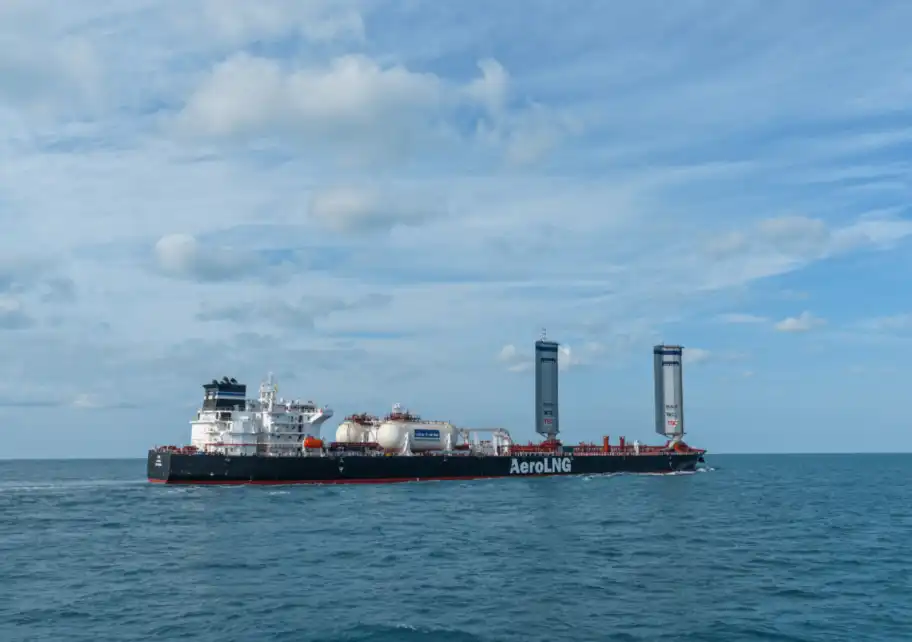
Understanding Automated Sail Systems
Intelligent, sensor-driven technologies are replacing manual sails in modern automated wind propulsion. Hydraulic actuators and algorithms that integrate weather data and vessel performance precisely control sails, optimising aerodynamic efficiency via real-time modifications that need little human interaction.
Core Components and Integration Capabilities
The navigation of a vessel is smoothly integrated with an efficient Automated Sail System. Algorithms optimise sails while sensors track heading and wind. When combined with conventional propulsion, this hybrid strategy improves fuel economy while preserving operational adaptability.
Modern systems use ship-grade steel and composites for durability in harsh marine environments. Automated controls feature intuitive interfaces, allowing crew oversight while monitoring safety. This design ensures wind propulsion enhances, not complicates, vessel operations.
Evolution from Manual to Automated Wind Propulsion
The marine industry's shift from manual sailing to advanced automation mirrors broader technological progress. Traditional sailing required constant crew adjustments, relying heavily on expertise. Modern automated systems eliminate this, delivering precise and consistent sail control independent of crew skill, ensuring optimal performance.
This development addresses key operational challenges for shipping firms. Crew shortages, safety concerns, and variable sea conditions demand intelligent automation. Such solutions reduce the need for specialised expertise in wind-assisted propulsion, ensuring consistent, dependable performance.
Benefits of Automated Sail Systems for Modern Shipping
For progressive maritime firms, automated wind propulsion technology is a must-have as it offers quantifiable advantages in a variety of operational domains. These advantages go beyond straightforward fuel savings and include enhanced safety, more operating flexibility, and advantages related to environmental compliance.
Enhanced Fuel Efficiency and Cost Reduction
Automated wind propulsion systems offer outstanding fuel savings, reaching considerable percentages based on route and vessel design. CM Energy's WindWings® technology exemplifies this, utilizing a novel three-element stiff wing to generate over 2.5 times the lift of conventional sails. This enhanced performance directly reduces fuel consumption and operating costs.
Real-world validation confirms the utility of automated wind propulsion. Over 20 major ports have seen successful operations by equipped bulk ships. This demonstrates the technology's dependability and efficiency. The systems optimize performance across varied conditions—from navigation to severe weather—ensuring consistent operational advantages, regardless of circumstances.
Improved Safety and Operational Reliability
Automated wind propulsion enhances safety by automatically handling difficult weather, reducing human error. With emergency overrides and fail-safe devices, multiple safety levels ensure secure operation even in unforeseen circumstances.
Automated control systems continuously monitor performance data, alerting crew to issues before they escalate. The Automated Sail System is vital, rotating into laydown positions for safe integration with vessel operations. This proactive approach lowers risks while upholding strict safety regulations for commercial maritime operations.
Scalability and Versatility Across Vessel Types
Automated wind propulsion systems offer versatile, tailored layouts for chemical tankers, LR2 tankers, and Newcastlemax bulk carriers. Using modular design, the Automated Sail System provides customised solutions for newbuilds and retrofits, ensuring adaptability across diverse operational needs and vessel types.
Thanks to scalability, shipping can trial technology and expand based on performance. This reduces deployment risks while building expertise. Ferry and coastal operators benefit most from systems designed for emission-free port manoeuvring and efficient short routes.
Comparing Automated Sail Systems to Traditional Manual Sailing
Procurement professionals may make well-informed judgements on wind propulsion expenditures by being aware of the differences between automated and manual sailing methods. Although wind energy is captured by both methods, automated solutions provide better operational integration, accuracy, and consistency than human systems.
Precision and Consistency Advantages
Under continuously shifting conditions, automated wind propulsion systems excel at maintaining optimal sail settings. Unlike manual sailing, which depends heavily on crew availability and skill, automation delivers precise, real-time adjustments. This removes human variability, ensuring consistent performance regardless of operational demands or crew experience.
Advanced rigid sails like WindWings® feature fully adjustable camber and angle of attack. This ensures optimal aerodynamics in any wind, delivering consistent fuel savings and operational benefits that manual methods cannot match, regardless of crew availability.
Cost-Benefit Analysis and Long-Term Value
Long-term operating advantages are taken into account while making investments in automated wind propulsion systems, including an Automated Sail System, in addition to the initial capital needs. Automated systems provide a better return on investment via constant fuel savings, less crew needs, and less maintenance, even if initial expenses may be higher than those of manual sailing options.
Contemporary automated systems offer enhanced value through a 25-year lifespan with minimal part replacements. They are transferable between vessels, maximizing asset utilization. Comprehensive lifecycle support, including IoT monitoring and maintenance, ensures optimal performance throughout the system's operational life.
Market Leadership and Technology Advancement
Top manufacturers collaborate with leading research institutes and classification societies to advance automated wind propulsion. WindWings® technology, co-developed with BAR Tech and validated by Lloyd's Register and the Wolfson Unit, exemplifies this commitment, ensuring reliability and performance through rigorous testing.
Various design possibilities, ranging from 20-meter to 37.5-meter aerodynamic spans, are now available on the market, enabling customisation for particular vessel needs. Global certification from classification organisations such as DNV, BV, LR, and CCS offers assurance about the dependability of the system and adherence to regulations. When assessing technological expenditures, procurement teams must take these certifications into account.
Procurement Guide for Automated Sail Systems
A thorough assessment of technical requirements, supplier capabilities, and integration needs is necessary for the successful acquisition of automated wind propulsion technology. Procurement teams may choose solutions that provide the best value and performance for their particular operating requirements by being aware of these criteria.
Essential Selection Criteria and Compatibility Assessment
A thorough compatibility study between the suggested technologies and the current vessel infrastructure is the first step in an efficient procurement process. The availability of deck space, structural load capacity, and the need for interaction with cargo handling equipment are important factors. For ships that need to operate cargo unhindered, the capacity of systems to rotate into laydown positions becomes essential.
Another crucial assessment factor is system scalability, especially for fleet operators organising phased rollout strategies. Additional value and operational flexibility are offered by modular designs that may be expanded or reconfigured in the future. Throughout the system's operating life, effective deployment and continuous support are guaranteed by the supplier's dependability and technical know-how.
Installation Best Practices and Professional Services
For automated wind propulsion systems like the Automated Sail System, professional installation is vital. Comprehensive procedures typically include compatibility studies, factory testing, delivery, and onboard installation. This methodical approach ensures optimal performance while minimizing risks.
IInstallation must minimally disrupt shipping and vessel downtime. Skilled crews ensure safety and compliance by understanding maritime conditions and regulations. The process concludes with crew training and post-installation commissioning, guaranteeing adherence to standards.
Maintenance Protocols and Lifecycle Support
Efficient maintenance procedures minimise operating disruptions while optimising system lifetime and performance. With designs akin to handling deck cranes and no need for specialised draw gear, modern automated systems simplify maintenance processes. This familiarity ensures safe, effective maintenance procedures while lowering the need for staff training.
Complete lifecycle support solutions include performance monitoring, spare part availability, and continuous technical support. Predictive maintenance techniques that spot possible problems before they affect operations are made possible by IoT monitoring capabilities. Over the course of the system's 25-year design life, long-term service packages guarantee ongoing dependability.
Company Introduction and Product & Service Overview
With its cutting-edge wind propulsion technology, CM Energy, a tech-driven company listed on the Hong Kong Stock Exchange, is at the forefront of developing sustainable marine solutions. CM Energy's TSC brand offers state-of-the-art automated wind propulsion systems that satisfy the exacting specifications of contemporary commercial shipping. The company has over 159 authorised patents and shown competence in maritime energy solutions.
WindWings® Technology and Performance Validation
With its unique three-element rigid sail design created in collaboration with BAR Tech, the WindWings® Automated Sail System is the ultimate in wind propulsion technology. This cutting-edge design combines composite materials and ship-grade steel to create a sturdy structure that can endure challenging maritime conditions and provide outstanding aerodynamic performance.
Independent confirmation of the system's improved performance characteristics is provided by prominent fluid dynamics research organisations, such as Lloyd's and the Wolfson Unit. Additional assurance on the Automated Sail System's dependability and regulatory compliance is provided by DNV's classification society certification. Fuel-saving efficiency has been confirmed by actual vessel operations, highlighting the technology's usefulness in business settings.
Comprehensive Service Portfolio and Global Support
The whole automated wind propulsion system lifespan, from initial compatibility studies to long-term maintenance support, is covered by CM Energy's service offering. While thorough integration support reduces implementation complexity and dangers, tailored consultancy services guarantee the best system configuration for particular vessel needs.
With more than 350 deck cranes globally and marine equipment coverage of more than 25% in drilling operations, the company's global reach reflects its demonstrated technical know-how and service capabilities. Automated wind propulsion systems will get dependable service for the duration of their operating lifetimes thanks to their vast expertise in challenging maritime applications.
Systems under the TSC brand provide many operating modes that are tailored for different sailing situations, guaranteeing optimal performance in a range of marine scenarios. By optimising route planning to maximise wind advantage chances, weather routing solutions tailored for wind-assisted boats provide extra value.
Conclusion
From experimental technologies, Automated Sail Systems have developed into vital instruments for contemporary marine operations. These systems are essential for businesses managing stricter emissions rules and growing fuel prices because they combine fuel savings, environmental advantages, and operational dependability. The WindWings® technology from CM Energy, which offers demonstrated performance confirmed by independent testing and real-world operations, is a prime example of the sophistication and potential of modern Automated Sail Systems. Automated Sail Systems are crucial investments for progressive marine enterprises as the shipping sector shifts to sustainable operations, which calls for cutting-edge technology that provide both economic and environmental advantages.
Frequently Asked Questions
1. What safety features are integrated into automated wind propulsion systems?
Modern Automated Sail System designs incorporate multiple safety layers, including emergency overrides, fail-safe mechanisms, and automated weather response capabilities. Health monitoring systems continuously track performance parameters, alerting crew members to potential issues before they become critical. Manual operation interfaces provide backup control options, ensuring crew members maintain oversight and intervention capabilities when necessary.
2. How does installation impact normal shipping operations?
Professional installation services minimize operational disruption through carefully planned procedures that accommodate vessel schedules and operational requirements. Installation typically occurs during scheduled maintenance periods or port calls, reducing impact on revenue operations. Factory acceptance testing ensures system readiness before delivery, while experienced installation teams work efficiently to minimize vessel downtime.
3. Can automated wind propulsion systems be retrofitted on older vessels?
Retrofitting capabilities represent a key advantage of modern automated wind propulsion technology. Comprehensive compatibility analysis determines structural and operational feasibility for existing vessels, while modular designs accommodate various installation configurations. Both above-deck and below-deck mounting options provide flexibility for different vessel types and operational requirements.
Ready to Transform Your Fleet with Advanced Automated Sail System Technology?
CM Energy's WindWings® technology offers proven solutions for shipping companies seeking to reduce fuel costs while achieving environmental compliance goals. As a leading Automated Sail System manufacturer, we provide comprehensive support from initial consultation through long-term maintenance services. Our three-element rigid sail systems deliver documented fuel savings up to 30% while maintaining the reliability required for commercial operations. Contact our technical experts at info.cn@cm-energy.com to discuss customized solutions for your fleet requirements.
References
1. Maritime Energy Efficiency and Wind-Assisted Propulsion Systems: A Comprehensive Analysis. International Maritime Technology Review, 2024.
2. Automated Sail Technology Implementation in Commercial Shipping: Performance Metrics and Economic Benefits. Global Shipping Research Institute, 2024.
3. Wind Propulsion Systems for Large Commercial Vessels: Technical Assessment and Market Trends. Marine Technology Society Journal, 2024.
4. Regulatory Compliance and Environmental Impact of Automated Wind Propulsion in Modern Shipping. Maritime Environmental Research Quarterly, 2024.
5. Classification Society Standards for Wind-Assisted Propulsion Systems: Safety and Performance Requirements. International Marine Classification Review, 2024.
6. Economic Analysis of Automated Sail Systems in Commercial Maritime Operations: ROI and Operational Benefits. Shipping Economics and Finance Journal, 2024.