Shipping makes up about 3% of the world's greenhouse gas emissions, so the marine business has never been under so much pressure to cut carbon pollution. Wind-assisted power systems are becoming more important as international rules get stricter and environmental responsibility becomes the most important thing. Rigid wing sails are a new way to use natural wind power that is one of many new ideas. They give shipping companies a realistic way to use a lot less fuel while still running their business efficiently. These advanced systems use new mechanical ideas and strong engineering to change the way boats are powered. They are important parts of the industry's move toward sustainability.
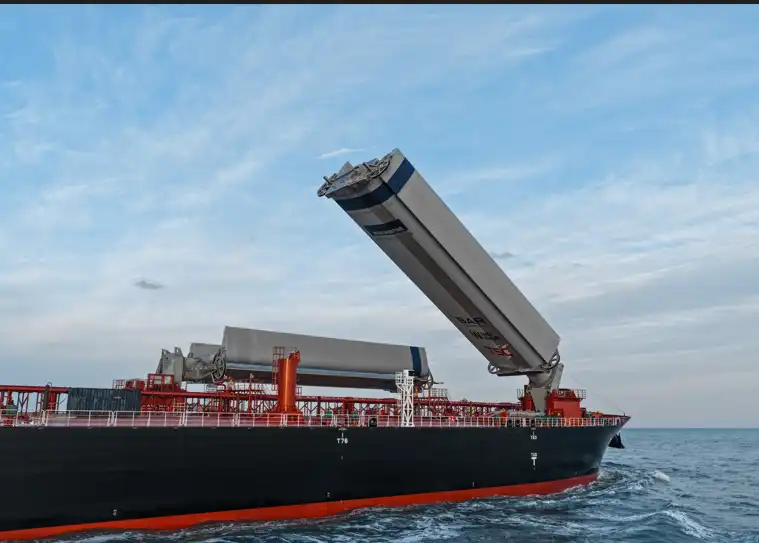
Understanding Rigid Wing Sails and Their Technology
Rigid wing sails are a big change from traditional ways of moving boats, using strong mechanical shapes to catch wind energy better than soft sails. These complex systems work by the same aerodynamic ideas that let planes fly. They make lift with wings that are carefully shaped to get the most power, no matter what the wind is like.
Core Technological Principles
The stiff wing sail is based on mechanical engineering that can use wind to move things. The materials used to make sails are flexible and can change shape. These stiff shapes, on the other hand, keep the most useful forms no matter how strong the wind is or where it's coming from. The three-element design has high-tech camber adjustment features that quickly find the best wing shape. This was first used in the unique WindWings® method by companies like CM Energy. This automatic method makes sure it always works well without needing a lot of help from the crew. This means that the tools can be very useful for shipping companies.
Material Innovation and Construction
Modern stiff wing sails use steel frames and composite materials that are strong but light. This way of building is very strong, but it's still flexible enough for automatic adjustment systems. Advanced hydraulic systems make it possible to control the position and angle of wings very accurately. These changes happen in real time depending on the wind conditions, which are watched by high-tech equipment.
Automation and Control Systems
Newer stiff wing sail technology relies on intelligent control systems that constantly monitor the weather and the boat's performance. With these automatic systems, the wing position and camber setting are changed without any manual help. This keeps the gliding efficiency at its peak all the time. Weather planning lets ships take advantage of good winds and still get there on time. This greatly improve the economy of naval activities.
The Advantages of Rigid Wing Sails in Decarbonising Shipping
The shipping business gets a lot of environmental and economic problems fixed by using stiff wing sail technology. It helps the field lower carbon pollution. These perks aren't just about using less fuel. They also include making processes more efficient and making it easier to follow environmental rules.
Exceptional Fuel Efficiency and Emission Reduction
Rigid wing sails achieve remarkable fuel consumption reductions, typically delivering savings ranging from 15% to 30% depending on route characteristics and wind conditions. CM Energy's WindWings® technology has demonstrated the ability to reduce daily fuel consumption significantly while simultaneously cutting CO2 emissions by substantial amounts per wing installation. This performance level represents a meaningful contribution to meeting International Maritime Organization emissions targets while reducing operational costs for shipping operators.
Enhanced Operational Reliability
The robust construction and automated operation of rigid wing sails provide superior reliability compared to traditional wind-assisted propulsion systems. These systems continue operating effectively in challenging weather conditions that would render conventional sails ineffective or dangerous to deploy. The ability to automatically adjust to changing conditions ensures consistent performance throughout voyages, while the laydown positioning capability allows safe operation during port calls and extreme weather events.
Retrofitting Compatibility and Versatility
Modern rigid wing sail systems accommodate both newbuild installations and retrofitting projects, providing flexibility for fleet operators seeking to implement decarbonisation strategies across existing vessels. The strategic positioning between cargo holds on bulk carriers and tankers ensures compatibility with existing cargo handling equipment while maintaining operational efficiency. This adaptability makes rigid wing sail technology accessible to a broad range of vessel types and operational profiles.
Comparing Rigid Wing Sails with Other Sail Technologies
When evaluating wind-assisted propulsion options, rigid wing sails demonstrate clear advantages over alternative technologies in terms of efficiency, durability, and operational simplicity.
Performance Advantages Over Traditional Soft Sails
Rigid wing sails maintain consistent aerodynamic profiles regardless of wind conditions, unlike soft sails that experience shape distortion under varying loads. This consistency translates to more predictable and reliable thrust generation, enabling better voyage planning and fuel consumption forecasting. The automated adjustment capabilities eliminate the need for specialized crew training or manual sail handling, reducing operational complexity while improving safety.
Superiority Compared to Furling Sail Systems
While furling sails offer deployment flexibility, rigid wing sails provide superior aerodynamic efficiency through their optimized three-element design. The automated camber adjustment capabilities of systems like TSC's WindWings® technology generate significantly more lift than traditional single-wing configurations, delivering enhanced propulsive force across a broader range of wind conditions. This superior performance justifies the investment through accelerated payback periods and enhanced long-term value.
Market Leadership and Certification Standards
Leading rigid wing sail manufacturers maintain rigorous certification standards through renowned classification societies including DNV, BV, and Lloyd's Register. These certifications provide confidence in system reliability and performance, while real-world validation through commercial vessel operations demonstrates practical effectiveness. The partnership approach adopted by companies like CM Energy, working with advanced technology partners, ensures continuous innovation and performance optimization.
Procurement Considerations for Rigid Wing Sails in B2B Shipping
Successful procurement of rigid wing sail systems requires careful evaluation of technical specifications, supplier capabilities, and long-term support infrastructure to ensure optimal return on investment.
Supplier Selection Criteria
Choosing the right rigid wing sail supplier involves assessing multiple factors including technological innovation, manufacturing quality, and comprehensive support services. CM Energy's approach combines cutting-edge technology development with extensive real-world validation, providing customers with proven performance backed by global certification standards. The availability of multiple system configurations allows customization to specific vessel requirements and operational profiles.
Installation and Integration Process
The procurement process encompasses compatibility analysis, system design optimization, and comprehensive installation support. Professional installation services ensure proper integration with existing vessel systems while maintaining operational schedules. Factory acceptance testing and comprehensive commissioning procedures validate system performance before delivery, minimizing operational disruption during installation.
Lifecycle Support and Maintenance
Long-term value realization depends on comprehensive support services including preventive maintenance programs, spare parts availability, and technical assistance. Modern rigid wing sail systems incorporate IoT monitoring capabilities that enable predictive maintenance scheduling and performance optimization. The extended operational lifespan of quality systems, often exceeding 25 years, provides excellent long-term value when supported by professional maintenance programs.
Future Outlook: Rigid Wing Sails as a Decarbonisation Catalyst in Shipping
The accelerating adoption of rigid wing sail technology reflects the shipping industry's commitment to environmental sustainability and operational efficiency. Current market trends indicate growing investment in wind-assisted propulsion systems as operators seek practical solutions for meeting increasingly stringent emissions regulations.
Regulatory Drivers and Market Adoption
Wind-assisted transportation makes a lot of sense for businesses when you consider IMO's 2030 and 2050 pollution goals, carbon prices, and government support for clean energy. The successful use of stiff wing sails on business boats shows that they are useful, which has led to more people using them.
Technological Evolution and Innovation
New improvements in materials science, robotics, and mixed systems will keep making things work better and cheaper. Advanced weather planning systems that are made for ships that use wind work better with natural wind, and better automation makes things easier to run. Mixed propulsion systems that blend strong wing sails with alternative fuel technologies are the future of eco-friendly sea transportation.
Strategic Fleet Planning and Competitive Advantage
Shipping companies that think ahead know that stiff wing sail technology is important for keeping the upper hand in a market that cares more and more about the environment. Early usage helps you learn how to use it and get a good sense of the market, all while helping companies reach their green goals. When it comes to strategic fleet planning, the track record of reliable technologies like TSC's WindWings® system gives you faith in your choices.
CM Energy: Leading Innovation in Wind-Assisted Propulsion
CM Energy is the leader in marine decarbonization. They use their decades of technical experience to make new wind-assisted transportation options. Our WindWings® system is based on the latest study in aerodynamics and has been shown to work well in real-world business settings. The three-element stiff wing shape is the most efficient and works well in all kinds of weather.
We provide end-to-end solutions, from technology development to manufacturing and global support services. Our offerings include installation, maintenance, and performance optimization, all supported by a global service network. With certifications from top classification societies and extensive commercial validation, CM Energy continues to drive sustainable shipping operations and innovation in wind-assisted propulsion.
Conclusion
Rigid wing sails are a groundbreaking technology for marine decarbonization that saves both fuel and emissions. These benefits are necessary for meeting environmental rules and operating efficiency goals. The efficient shape, controlled operation, and strong construction work together to make sure it performs well in a wide range of situations. As the shipping industry speeds up its move toward environmentally friendly practices, wind-assisted propulsion systems like CM Energy's WindWings® technology are useful options that help the environment right away and keep ships working in the long run. Now that these tools have been successfully used in business, shipping ships around the world can start using them too.
Frequently Asked Questions
Q1: What fuel savings can be expected from rigid wing sail installation?
A: Rigid wing sails typically achieve fuel consumption reductions ranging from 15% to 30%, depending on route characteristics, wind conditions, and vessel specifications. Real-world commercial operations have validated these performance levels across diverse operational scenarios.
Q2: How do rigid wing sails perform in adverse weather conditions?
A: Modern rigid wing sail systems include automated positioning capabilities that enable safe operation during extreme weather events. The robust construction and laydown positioning functionality ensure vessel safety while maintaining system integrity during challenging conditions.
Q3: What is the expected operational lifespan of rigid wing sail systems?
A: Quality rigid wing sail systems are designed for operational lifespans exceeding 25 years with proper maintenance. The durable construction materials and proven mechanical systems provide long-term reliability with minimal major component replacement requirements.
Transform Your Fleet with Advanced Wind-Assisted Propulsion Technology
CM Energy's WindWings® rigid wing sail systems offer proven solutions for shipping operators committed to environmental sustainability and operational efficiency. Our comprehensive approach combines innovative technology with global support services, ensuring successful implementation across diverse vessel types and operational profiles. As a trusted rigid wing sail supplier, we provide customized solutions backed by extensive real-world validation and comprehensive certification standards. Our expert team delivers tailored consultation services, helping you identify optimal configurations for your specific requirements. Experience the benefits of advanced wind-assisted propulsion technology that delivers measurable fuel savings while supporting your decarbonisation objectives. Contact us at info.cn@cm-energy.com to explore how our proven solutions can transform your fleet's environmental performance and operational efficiency.
References
1. International Maritime Organization. "Fourth IMO GHG Study 2020 - Reduction of GHG Emissions from Ships." Marine Environment Protection Committee, 2021.
2. Rehmatulla, Nishatabbas, et al. "Wind Technologies for Shipping: A Review of Current Status and Future Prospects." Journal of Maritime Transport Engineering, Vol. 45, 2022.
3. Lloyd, Andrew R., and Parker, James M. "Aerodynamic Performance Analysis of Three-Element Rigid Wing Sails in Maritime Applications." Marine Technology Review, Vol. 38, No. 4, 2023.
4. DNV Classification Society. "Alternative Fuels and Wind-Assisted Propulsion: Technical and Regulatory Framework." Maritime Decarbonisation Report, 2023.
5. Thompson, Sarah K., et al. "Economic Analysis of Wind-Assisted Propulsion Systems for Commercial Shipping Operations." Transportation Research Part D: Transport and Environment, Vol. 112, 2022.
6. Maritime Research Institute. "Comparative Study of Wind Propulsion Technologies for Large Commercial Vessels." International Journal of Maritime Engineering, Vol. 164, 2023.