Chinese companies have become the most popular places for the marine business to get high-quality offshore tools, especially Rack & Pinion Jacking System options. In recent years, Chinese companies have started making advanced jacking systems for self-elevating platforms, offshore drilling platforms, and boats that install wind turbines that meet foreign standards. Attractive prices and precise engineering make these systems appealing to global users looking for dependable mechanical jack options for their important offshore operations.
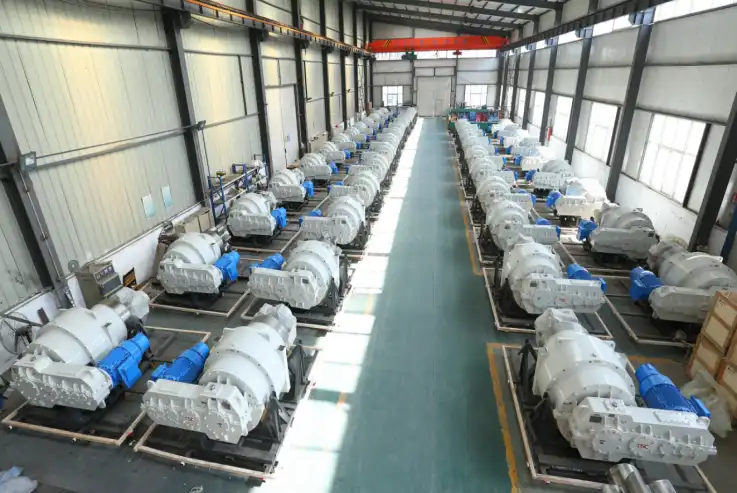
Understanding Rack & Pinion Jacking Systems in Offshore Applications
To guarantee that operations are carried out in a manner that is both safe and effective, the offshore sector primarily depends on advanced lifting mechanisms. In order to provide the crucial load lifting capabilities that are necessary for a variety of maritime applications, these mechanical systems serve as the backbone of self-elevating platforms.
Core Components and Functionality
A rack and pinion mechanism consists of climbing pinions that engage with racks attached to platform legs. This gear system enables precise linear motion control, allowing vessels to raise or lower their hulls relative to the legs. The torque transmission through planetary gear units provides mechanical advantage while maintaining compact design requirements essential for offshore installations.
Modern Rack & Pinion Jacking System units feature multi-stage planetary gear systems housed in watertight steel cases. All gears operate under splash lubrication, ensuring maintenance-free operation in harsh marine environments. The precision control offered by these systems enables operators to achieve adjustable height positioning with exceptional load stability.
Safety and Reliability Features
When it comes to offshore jacking systems, safety lock mechanisms are among the most important components. loss-safe operation is provided by electromagnetic brakes, which engage immediately in the event of a power loss or when controllers are turned off. The spring-applied, pressure-release capability of hydraulic brakes that are installed between motors and gearboxes provides an extra layer of safety.
Real-time monitoring systems track brake status and system loads, providing operators with continuous feedback during operations. These intelligent diagnostic systems enhance safety while optimizing performance across various operating conditions.
Global Market Analysis for Offshore Jacking Systems
The worldwide demand for offshore equipment continues expanding as renewable energy projects and traditional drilling operations require sophisticated lifting solutions.
Industry Growth Drivers
One of the fastest-growing markets that needs advanced jacking skills is wind turbine installation boats. For these specialized ships to be able to handle increasingly big engine parts in rough offshore settings, they need precise tracking systems. Larger offshore wind farms are increasing the need for moving tools with a lot of power and better control.
Jack-up drilling rigs continue requiring robust jacking systems capable of handling extreme loads while maintaining operational reliability. The resurgence in offshore drilling activities, particularly in deeper waters, demands more sophisticated mechanical jack solutions with higher lifting capacity ratings.
Regional Demand Patterns
European markets lead in offshore wind applications, driving demand for specialized Rack & Pinion Jacking System solutions designed for turbine installation and maintenance operations. Asian markets focus on traditional drilling platforms and multi-purpose support vessels, requiring versatile systems capable of handling diverse operational requirements.
North American markets emphasize both renewable energy applications and traditional offshore drilling, creating demand for adaptable systems that can serve multiple platform types. The integration of steel construction techniques with advanced control systems meets these diverse regional requirements.
Evaluating Chinese Manufacturers and Suppliers
China's offshore equipment manufacturing sector has achieved significant technological advancement, with several manufacturers earning international recognition for their jacking system capabilities.
Leading Manufacturing Capabilities
Chinese manufacturers like CM Energy (TSC brand) have established comprehensive production facilities capable of producing various jacking system models. Their product lines include systems with a wide range of capacities, suitable for different platform types and operational requirements.
These manufacturers maintain certification from major classification societies including ABS, DNV, CCS, and BV. Such approvals demonstrate compliance with international standards for offshore equipment, ensuring reliability in critical marine applications.
Quality Assurance and Testing
Reputable Chinese suppliers implement rigorous quality control processes throughout manufacturing. Testing procedures include load testing, fatigue testing, and environmental testing to verify performance under actual operating conditions.
Advanced design concepts from the current gear industry enable Chinese manufacturers to produce Rack & Pinion Jacking System solutions with high efficiency ratings while maintaining compact design profiles. The integration of modern processing technologies ensures consistent quality across production runs.
Sourcing Channels and Procurement Strategies
Multiple procurement channels exist for acquiring jacking systems from Chinese suppliers, each offering distinct advantages depending on project requirements and organizational preferences.
Direct Factory Engagement
Working directly with manufacturers provides maximum customization opportunities and competitive pricing. Direct relationships enable buyers to specify exact requirements for their industrial equipment applications while maintaining quality oversight throughout production.
Factory visits allow buyers to assess manufacturing capabilities, quality control processes, and production capacity. This hands-on evaluation proves particularly valuable for high-value projects requiring specialized configurations or enhanced performance specifications.
Authorized Distributors and Representatives
Regional distributors offer localized support and faster response times for technical inquiries and after-sales service. These partnerships often provide easier communication and project management for buyers unfamiliar with Chinese business practices.
Distributors typically maintain inventory of common configurations, enabling shorter delivery times for standard models. They also provide technical support and training services that may not be readily available through direct factory relationships.
Practical Procurement Guidelines
Successful sourcing requires careful attention to supplier verification, technical specifications, and project management throughout the procurement process.
Supplier Verification Process
Begin supplier evaluation by reviewing certification credentials from recognized classification societies. Verify manufacturing licenses, quality management system certifications, and recent project references. Request detailed information about production capacity, testing capabilities, and technical support resources.
Conduct thorough reference checks with previous customers, focusing on projects similar in scope and application. Evaluate supplier financial stability and long-term viability to ensure continued support throughout equipment lifecycle.
Technical Specification Development
Develop comprehensive technical specifications that address lifting capacity requirements, operating environment conditions, and integration requirements with existing platform systems. Consider factors such as fatigue life expectations, maintenance intervals, and spare parts availability.
Specify control system requirements, including human-machine interface preferences, monitoring capabilities, and integration with platform management systems. Address any special requirements for automotive repair applications or heavy-duty jack configurations.
Quality Control and Inspection
Establish inspection protocols that cover critical manufacturing stages, from material procurement through final testing. Specify witness testing requirements for load testing, brake functionality, and control system verification.
Plan for third-party inspection services when direct oversight is not feasible. Many international inspection companies provide specialized services for offshore equipment verification in Chinese manufacturing facilities.
Common Procurement Pitfalls
Avoid rushing the supplier selection process without adequate technical evaluation. Insufficient attention to spare parts availability and technical support capabilities can create significant operational challenges throughout equipment lifecycle.
Ensure clear communication regarding delivery terms, installation support, and commissioning requirements. Misunderstandings about these aspects often lead to project delays and unexpected costs.
Conclusion
Sourcing Rack & Pinion Jacking Systems from China offers significant opportunities for cost-effective procurement of high-quality offshore equipment. Chinese manufacturers have demonstrated their ability to produce reliable systems that meet international standards while providing competitive pricing and customization capabilities. Success requires careful supplier selection, thorough technical specification development, and proper quality oversight throughout the procurement process. The key lies in establishing strong relationships with reputable manufacturers who can provide ongoing technical support and maintain quality consistency across projects. With proper due diligence and project management, Chinese suppliers can deliver exceptional value for offshore platform operators seeking reliable jacking solutions.
Frequently Asked Questions
Q1: What certifications should I look for when sourcing jacking systems from China?
A: Look for certifications from major classification societies including ABS, DNV, CCS, and BV. These certifications ensure compliance with international standards for offshore equipment. Additionally, verify ISO 9001 quality management system certification and any specific regional approvals required for your operating area.
Q2: How long does it typically take to manufacture and deliver a custom jacking system?
A: Manufacturing lead times vary based on system complexity and customization requirements. Standard models typically require a few months, while heavily customized systems may need a bit longer. Factor in additional time for testing, inspection, and shipping to your destination port.
Q3: What ongoing support should I expect from Chinese manufacturers?
A: Reputable manufacturers provide comprehensive technical support including installation guidance, commissioning assistance, operator training, and spare parts supply. Many offer remote monitoring capabilities and technical consultation services throughout the equipment lifecycle.
Partner with CM Energy for Premium Rack & Pinion Jacking System Solutions
CM Energy stands as a trusted Rack & Pinion Jacking System manufacturer with proven expertise in offshore equipment solutions. Our TSC brand jacking systems have been successfully deployed on numerous platforms worldwide, demonstrating reliability across diverse applications from wind turbine installation to drilling operations. With significant global coverage in offshore drilling equipment and comprehensive certification from major classification societies, we deliver engineered solutions that meet the most demanding operational requirements. Ready to discuss your specific jacking system needs? Contact us at info.cn@cm-energy.com for detailed technical consultation and competitive quotations.
References
1. International Maritime Organization Guidelines for Offshore Platform Safety Systems and Equipment Standards, 2024 Edition
2. Classification Society Standards for Self-Elevating Platform Jacking Systems: ABS, DNV, and CCS Requirements Comparison Study
3. Offshore Wind Installation Vessel Technology Report: Equipment Requirements and Market Analysis, Global Wind Energy Council
4. Marine Equipment Sourcing Best Practices: A Comprehensive Guide for Offshore Operators, Maritime Technology Institute
5. Rack and Pinion System Engineering Principles and Applications in Offshore Platforms, Society of Naval Architects and Marine Engineers
6. Global Offshore Equipment Market Analysis: Trends, Suppliers, and Procurement Strategies, Offshore Technology Research Association