Connecting with top ammonia fuel system importers, especially from China's rapidly evolving marine technology sector, requires careful planning. China has become a global leader in manufacturing high-tech ammonia fuel systems for various ships, including VLACs and offshore support vessels. With robust infrastructure and heavy investment in clean energy and green shipping R&D, Chinese manufacturers are at the forefront. Successful partnerships in this niche market depend on understanding procurement processes, regulations, and evaluating suppliers effectively.
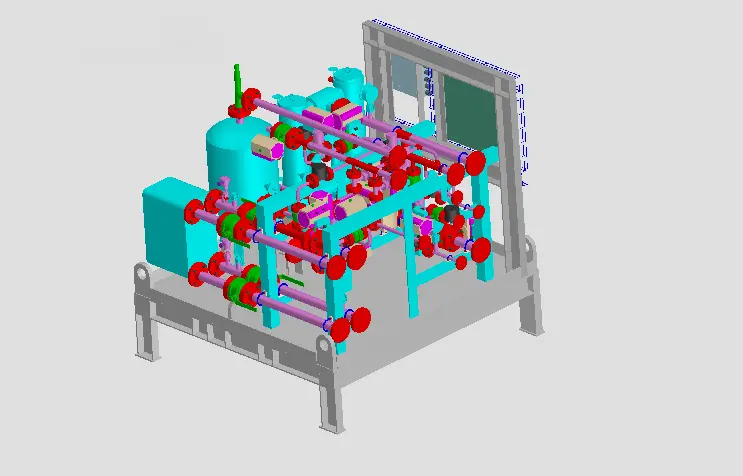
Why Source Ammonia Fuel System from China?
Technological Leadership in Clean Marine Energy
China's marine industry has invested heavily in advanced fuel supply systems, successfully providing clean fuel solutions. Manufacturers excel in ammonia storage, fuel pump technologies, and safety compliance. With extensive experience in building dual-fuel vessels and LNG ships, they possess deep expertise in managing complex fuel requirements.
Manufacturing Scale and Cost Efficiency
China's manufacturers offer cost savings without compromising quality. Efficient supply chains enable the production of key components like fuel cells, ammonia fuel systems, and corrosion-resistant materials, maintaining affordability while meeting strict marine industry quality standards.
Innovation in Green Ammonia Technologies
Some leading Chinese companies have developed advanced technologies for ammonia production, waste breakdown, and emission reduction. These innovations help minimize ammonia slip and enhance energy density, supporting the marine industry's shift to carbon-free fuels and green energy integration.
Step-by-Step Procurement Process
Initial Inquiry and Requirements Definition
Start by defining your vessel specifications, operational needs, and technical constraints. Share detailed drawings and system requirements with potential suppliers, specifying vessel type, capacity, and operational routes. Highlight unique needs based on vessel class, like VLAC, VLEC, or offshore support vessels.
Quotation Analysis and Supplier Evaluation
Request detailed quotes including technical specs, delivery timelines, and service support. Evaluate suppliers based on their track record, capabilities, and certifications. Compare offers using criteria like total cost of ownership and lifecycle support. Understand trade terms like FOB, CIF, and EXW to assess risks and responsibilities.
Contract Negotiation and Purchase Order Processing
Negotiate contracts outlining specifications, delivery, payment terms, and warranties. Use purchase orders or proforma invoices to specify conditions. Payment methods typically involve T/T or letters of credit, with the former offering faster processing and the latter providing more security for both parties.
Production Monitoring and Quality Inspection
Set review and production goals to make sure quality control, such as checking materials and testing parts. Compliance is checked by third parties. Digital tracking tools and regular contact make it possible to keep an eye on things from afar, finding problems early and making sure they are delivered on time.
Shipping and Logistics Coordination
Plan shipping based on trade terms, taking into account the items' size, weight, and how they need to be handled. Handling ammonia fuel systems in a certain way is necessary. For easy customs clearing, make sure you have the right paperwork, such as invoices, packing lists, bills of lading, certificates of origin, and safety certifications.
Installation and Commissioning Support
Arrange technical support for installation and commissioning, with experienced suppliers offering supervision and services. This ensures proper integration and safety compliance. Comprehensive testing verifies subsystem functions, including bunkering, fuel supply controls, and emergency shutdown procedures.
Why CM Energy is Your Ideal Import Partner
Proven Expertise in Marine Energy Solutions
When it comes to designing and building dual-fuel vessels, CM Energy has a lot of experience, especially with liquid gas carriers and chemical ships. The company has shipped a lot of ship sets with clean fuel supply systems that have worked well, showing that they are reliable in a wide range of naval uses. This track record includes both bulk ships and offshore support boats, so it gives a full picture of how to meet a wide range of operating needs.
Comprehensive Technology Portfolio
CM Energy offers integrated solutions covering methanol fuel supply systems, LNG fuel supply systems, and advanced ammonia fuel supply systems. This comprehensive approach ensures compatibility across different fuel types and operational scenarios. The company's involvement in zero-carbon laboratory projects demonstrates commitment to cutting-edge hydrogen production technologies and sustainable energy innovations.
Independent Innovation Capabilities
CM Energy is very good at coming up with new ideas because it has a lot of approved patents, including several creation patents. The company has developed its own ammonia fuel supply systems based on its many years of experience with LPG system modification and ammonia transport boats. This technological base makes it possible to make solutions that fit the needs and operating patterns of each craft.
Global Service Network and Support
CM Energy has a big part of the global offshore drilling equipment market. Their equipment is used by many deck cranes and self-elevating platforms around the world. This large installed base gives us useful information about operations and ways to keep making things better. The company offers full lifetime support, which includes planning, production, installation, and full service after the sale.
Cost Structure & Transparency
Understanding Pricing Components
Ammonia fuel system pricing includes equipment costs, engineering, quality testing, packaging, logistics, and installation support. Material costs vary, with corrosion-resistant alloys priced higher. Engineering costs reflect subsystem integration complexity, while quality assurance and testing are significant but ensure reliability and regulatory compliance.
Regional Cost Advantages
Chinese manufacturers benefit from integrated supply chains and scale advantages, offering competitive pricing without compromising quality. Lower labor costs and advanced automation contribute to cost-effective production. Transportation costs to major hubs are competitive, with container shipping rates often better than those from European or North American suppliers.
Total Cost of Ownership Considerations
Look at the long-term costs, such as the prices of repairs, extra parts, and service support. Lifecycle support services, such as remote tracking and predictive repair programs, are becoming more and more affordable from Chinese providers. Most of the time, routine saves make up for higher original investments in energy efficiency changes.
Supply Chain Reliability & Lead Times
Manufacturing Infrastructure and Capabilities
China's maritime manufacturing infrastructure offers robust production for complex ammonia fuel systems, using automated lines and precision assembly. Digital quality control ensures traceability, while supplier networks for specialized components guarantee competitive lead times and consistent availability of high-grade materials for ammonia fuel system applications, backed by strong supplier relationships.
Port Infrastructure and Logistics Efficiency
Chinese ports like Shanghai, Ningbo, and Qingdao offer world-class infrastructure with efficient cargo handling and reliable shipping schedules. Streamlined customs procedures and digital documentation reduce delays. Experienced freight forwarders handle end-to-end logistics, including specialized care for sensitive equipment components, ensuring smooth deliveries to global destinations.
Production Lead Time Optimization
Production lead times typically range from 12 to 20 weeks, depending on complexity and customization. Standard configurations have shorter lead times, while custom systems need extra engineering and testing. Early supplier engagement optimizes scheduling, and modular designs allow parallel subsystem production to reduce delivery times. Rush orders may incur premium pricing.
Communication & Ease of Doing Business
Language and Communication Capabilities
International sales teams from top Chinese sellers are kept together by people who are fluent in English. Specifications and standards are usually written in more than one language, including English, so that they are easier to understand. You can work together on a project with people in different time zones by using videoconferencing and other digital tools for teamwork.
Business Practices and Cultural Considerations
As a result of building long-term ties, Chinese producers are better at adapting to foreign standards. Effective partnerships are built on open communication. Conditions of the contract are in line with international standards, but for complicated deals, it's best to get a lawyer's opinion first. It's common for payment terms to be flexible based on the connection and transaction past.
Technical Support and Service Capabilities
Digital tracking systems and the ability to do diagnostics remotely make technical help quick no matter where the support is needed. Through foreign service networks and relationships, it's becoming easier to get on-site service help. Training classes help ship workers learn how to operate systems and do simple repairs.
Conclusion
When it comes to technology, cost, and supply chain stability, getting high-quality ammonia fuel systems from China is a big plus. For success to happen, suppliers must be carefully evaluated, needs to be made clear, and regulations must be followed to the letter. China's CM Energy and other companies show that they have the skills to help the marine industry switch to cleaner fuels. If you plan and carry out the buying process correctly, you can get new technologies while reducing risks. As Chinese providers learn more about how to use green ammonia, they will become important long-term partners in the changing world of marine energy.
Frequently Asked Questions
Q1: What are the typical lead times for ammonia fuel systems from Chinese manufacturers?
A: Production lead times vary based on system complexity and customization, with standard configurations taking less time. Customized systems require more engineering and testing. Early supplier engagement during vessel design can help optimize scheduling and potentially shorten delivery periods.
Q2: How do Chinese ammonia fuel systems comply with international maritime regulations?
A: Reputable Chinese manufacturers design systems to meet IMO guidelines and major classification standards like DNV, ABS, and CCS. They provide comprehensive documentation, but buyers should verify specific requirements for their flag state and operational areas.
Q3: What warranty and after-sales support can I expect from Chinese suppliers?
A: Leading suppliers offer 12-24 month warranties covering defects and performance. After-sales support includes remote diagnostics, spare parts, and technical assistance. Some maintain international service networks for local support in key shipping regions.
Q4: How should I evaluate the technical capabilities of Chinese ammonia fuel system suppliers?
A: Evaluate suppliers based on their track record with similar installations, patent portfolio, and certification credentials. Request references from previous customers and review case studies of comparable projects. Factory visits or virtual tours can provide insights into manufacturing capabilities and quality control processes.
Q5: What payment methods are commonly accepted by Chinese manufacturers?
A: Most suppliers accept T/T and letters of credit. For established relationships, flexible payment terms like milestone-based payments are common. Letters of credit offer added security, particularly for large transactions or new trading relationships.
Partner with CM Energy for Advanced Ammonia Fuel Solutions
CM Energy is ready to support your vessel's transition to sustainable ammonia fuel technology with industry-leading expertise. Our ammonia fuel systems for sale cater to large tankers, offshore vessels, and other marine applications through innovative design and reliable manufacturing. With extensive global experience and numerous patents, we ensure technological advancement and quality assurance. Whether for new construction or retrofit projects, our proven track record and comprehensive service make us your ideal partner. Contact us at info.cn@cm-energy.com to explore how our systems can enhance your vessel's environmental performance.
References
1. International Maritime Organization. (2023). Interim Guidelines for the Safety of Ships using Methyl/Ethyl Alcohol as Fuel. IMO Resolution MSC.473(101).
2. Lloyd's Register. (2022). Ammonia as a Marine Fuel: Technology Roadmap and Risk Assessment. Lloyd's Register Technical Report Series.
3. Maritime and Port Authority of Singapore. (2023). Technical Reference for Ammonia Bunkering Study. MPA Singapore Research Publication.
4. DNV GL. (2022). Alternative Fuels for Shipping: Technology Readiness Assessment. DNV GL Maritime Advisory Report.
5. China Classification Society. (2023). Guidelines for Ammonia-Fueled Ships. CCS Technical Standards and Requirements.
6. American Bureau of Shipping. (2022). Ammonia as Marine Fuel: Safety and Engineering Considerations. ABS Technical Advisory.