The centrifugal pump is the piece of equipment that stands between successful drilling operations and expensive downtime in situations when hostile maritime conditions are combined with intricate drilling operations. Offshore platforms, land-based rigs, and specialty drilling projects are all kept operational by these workhorses, which handle anything from corrosive drilling mud to abrasive slurries. They also maintain the critical fluid circulation that is necessary for sustaining production. Having an understanding of how these pumps function in harsh circumstances might make the difference between operations that are efficient and unexpected shutdowns that have an effect on the timeliness of the project and the profitability of the business.
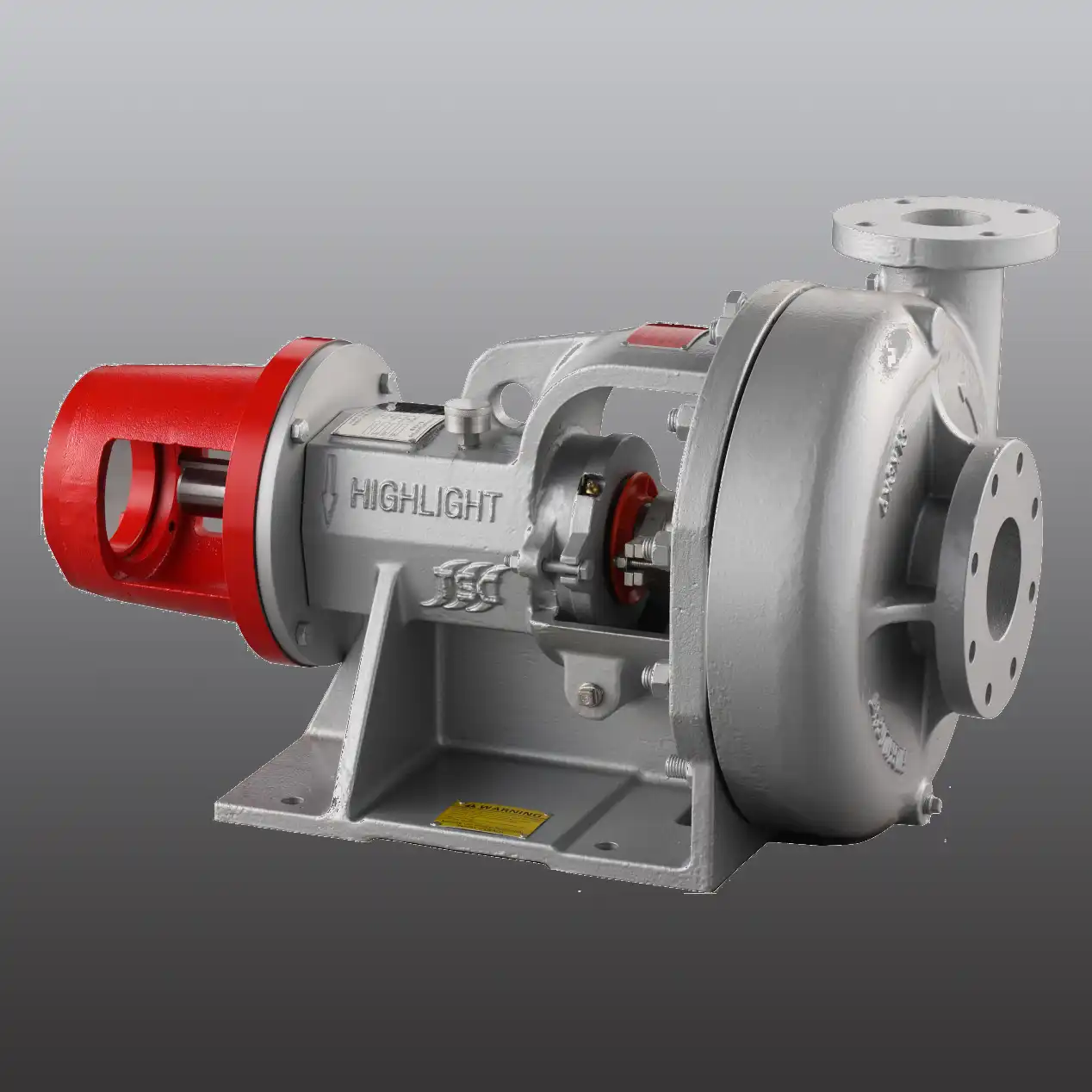
The Critical Role of Fluid Management in Modern Drilling Operations
Operations involving drilling are highly dependent on fluid circulation systems that are available continuously. Pump systems that are dependable guarantee that drilling mud flows down the wellbore in a constant manner. This is true whether you are conducting a geothermal drilling project in difficult terrain or managing a jack-up platform. The removal of drill cuttings, the cooling of cutting instruments, and the maintenance of wellbore stability are all accomplished by this circulation.
Pumps that are able to resist continual contact to abrasive materials are specifically required for modern drilling conditions. When dealing with heavy slurries that comprise things like sand, rock pieces, and chemical additives, the design of the impeller becomes very important. There is a correlation between poor pump selection and frequent maintenance shutdowns, higher operating expenses, and a delay in the completion of the project.
There are extra hurdles that offshore platforms must overcome in addition to the conventional drilling applications. In addition to the fact that space limits restrict the size choices available for equipment, saltwater corrosion speeds up the wear on pump components. It is essential that the mechanical seal system functions faultlessly under these circumstances in order to avoid contamination that might potentially impair the characteristics of the drilling fluid.
Understanding Centrifugal Pump Performance in Demanding Applications
Flow rate requirements vary significantly across different drilling applications. Horizontal directional drilling projects typically require moderate flow rates with consistent pressure, while deepwater exploration vessels need high-volume pumping capabilities. The Centrifugal Pump curve characteristics determine whether a specific unit can meet these operational demands. By analyzing the specific needs of the project, the Centrifugal Pump can be selected to ensure optimal flow and pressure, allowing for efficient operation in a range of drilling environments.
Head pressure calculations become critical when pumping fluids through extended piping systems. Offshore platforms often require pumping drilling mud several hundred feet vertically, demanding pumps capable of generating substantial pressure while maintaining efficiency. The relationship between flow rate and head determines the operating point for each application.
NPSH requirements affect pump placement and suction line design. Cavitation can destroy pump components within hours when operating conditions fall below required NPSH values. Environmental factors like altitude, temperature, and fluid properties influence these calculations significantly.
In order for operators to uncover emerging issues with hydraulic systems before catastrophic failures occur, monitoring the operation of these systems should be performed. All of these issues, which may be identified by vibration analysis, can have an impact on the dependability of a pump. Bearing wear, impeller damage, and suction problems are all examples of these issues. It may be possible to minimize unexpected downtime during crucial drilling stages if performance reviews are carried out on a regular basis.
Heavy-Duty Construction for Extreme Operating Conditions
Equipment used for offshore digging is constantly exposed to water, salt spray, and changes in temperature. The materials used in pumps must be able to fight rust and keep their shape under high stress. Hard iron construction is very durable against sharp wear, and high chrome metals are better at resisting rust in naval settings.
Shaft design significantly impacts pump longevity in demanding applications. Heavy-duty 2½ inch alloy steel shafts protected by stainless steel sleeves resist wear from abrasive particles suspended in drilling fluids. This protection becomes essential when pumping drilling mud containing sand, barite, and other abrasive additives.
Bearing systems must handle radial and axial loads while operating continuously for extended periods. Double row outboard bearings combined with inboard roller bearings distribute loads effectively, reducing wear and extending service life. Oil lubrication systems are recommended for high-speed applications, ensuring smooth operation and preventing excessive friction in demanding conditions.
Single-piece casing construction eliminates potential leak points that plague multi-piece designs. This robust construction withstands pressure surges and thermal cycling common in drilling applications. The volute design optimizes fluid flow while minimizing turbulence that can accelerate wear.
Specialized Pump Configurations for Space-Critical Applications
Compact installations often require specialized pump designs that maintain performance while reducing footprint requirements. HDD installations, tunneling projects, and mobile drilling units frequently operate in confined spaces where standard equipment cannot fit. Shortened frame designs accommodate these constraints without sacrificing pumping capabilities.
Hydraulic motor compatibility expands installation options for mobile applications. Frac trucks and water well drilling equipment benefit from pumps designed to accept SAE B, C, and D hydraulic motor mounts. This flexibility allows equipment manufacturers to optimize power transmission for specific applications.
Counterclockwise rotation options provide operational flexibility when equipment layout requires non-standard configurations. Some drilling setups benefit from reverse rotation capabilities, particularly in directional drilling applications where space constraints affect equipment positioning.
Wear ring replacement capabilities enable field maintenance without complete pump removal. This feature reduces downtime significantly when operating in remote locations where equipment access remains challenging. Replaceable shaft sleeves provide similar benefits, extending pump life while minimizing maintenance complexity.
High-Volume Solutions for Large-Scale Operations
Large drilling operations require substantial fluid handling capabilities that standard pumps cannot provide. Deepwater exploration vessels, major mining projects, and environmental remediation efforts often need flow rates well above average, with significant head pressure requirements. These applications demand specialized high-volume pump designs to meet the challenging conditions of such large-scale operations.
Centrifugal Pump multistage configurations achieve higher pressures while maintaining reasonable impeller speeds. This approach reduces cavitation risks while providing the pressure head needed for deep well applications. The Centrifugal Pump curve characteristics remain stable across wider operating ranges, improving operational flexibility and ensuring reliable performance in demanding drilling environments.
Unique casing flow divider technology reduces radial loads on bearings, effectively doubling bearing life in high-volume applications. This innovation becomes particularly valuable in continuous operation scenarios where pump reliability directly impacts project economics. Reduced maintenance requirements translate to lower operating costs over pump service life.
Permanently lubricated bearings minimize maintenance needs in high-volume pumps. This feature proves especially beneficial for offshore platforms where maintenance access remains challenging and costly. The bearing design handles increased loads while maintaining long service life.
Maintenance Strategies for Continuous Operation
Preventive maintenance programs significantly extend Centrifugal Pump life while reducing unexpected failures. Regular inspection schedules identify wear patterns before they cause catastrophic damage. Monitoring discharge pressure, suction pressure, and flow rate helps detect developing problems early, ensuring the Centrifugal Pump operates efficiently and minimizes downtime during critical drilling operations.
Mechanical seal performance directly affects pump reliability and environmental compliance. Long-life, no-adjustment seals reduce maintenance requirements while preventing fluid leakage that could contaminate drilling sites. Proper seal selection considers fluid properties, operating pressures, and environmental regulations.
Impeller back vanes prevent solids accumulation between the stuffing box and impeller, reducing pressure buildup that can damage seals. This design feature becomes crucial when pumping drilling mud containing high concentrations of suspended solids. Regular cleaning prevents buildup that could affect pump performance.
Spare parts inventory planning ensures critical components remain available when needed. Standardized power end designs across multiple pump sizes reduce inventory requirements while ensuring compatibility. This approach proves particularly valuable for offshore operations where parts delivery can take weeks.
Conclusion
In order for drilling operations to be successful, they need fluid handling systems that are highly reliable and can function effectively even in harsh environments. Utilizing the most suitable centrifugal pump technology is essential to the achievement of operational success, regardless of whether one is operating offshore platforms, land-based drilling operations, or specialty applications. When it comes to optimizing equipment selection for certain applications, having a solid understanding of pump performance characteristics, construction materials, and maintenance needs proves to be quite beneficial. Through the use of appropriate pump selection and maintenance procedures, drilling operations have the potential to achieve consistent performance while simultaneously decreasing downtime and operating costs.
Partner with CM Energy for Reliable Centrifugal Pump Solutions
CM Energy provides pump systems that have been shown to be effective, supported by worldwide service networks and decades of expertise in the drilling business. The offshore platforms, land-based drilling operations, and specific applications that we service across the globe are all served by our extensive product portfolio. In our capacity as a reputable Centrifugal Pump manufacturer, we provide round-the-clock technical assistance, comprehensive refurbishing services, and individualized solutions that are geared to meet the unique operating requirements of our customers. Are you prepared to use dependable pumping solutions in order to improve your drilling operations? Today, please get in touch with us at info.cn@cm-energy.com.
References
- Johnson, R.M. and Stevens, K.L. (2023). "Centrifugal Pump Performance in Offshore Drilling Applications." Journal of Petroleum Technology, 75(8), 45-52.
- Martinez, A.C. (2022). "Fluid Handling Systems for Modern Drilling Operations." Drilling Engineering Quarterly, 18(3), 112-128.
- Thompson, D.W., Chen, L., and Rodriguez, P.M. (2023). "Pump Selection Criteria for Abrasive Drilling Fluids." International Conference on Drilling Technology Proceedings, 234-241.
- Williams, S.J. and Burke, M.K. (2022). "Maintenance Strategies for Critical Pumping Equipment in Marine Environments." Offshore Engineering Review, 29(6), 67-74.
- Anderson, K.R., Park, J.S., and Miller, T.A. (2023). "Hydraulic Design Considerations for High-Volume Drilling Applications." Pump Industry Technical Journal, 41(4), 23-31.
- Lee, H.Y. and Davis, C.L. (2022). "Corrosion Resistance in Marine Pumping Applications: Material Selection and Performance Analysis." Materials Engineering for Energy Applications, 15(2), 89-96.