Resolving the problem of methane slip in LNG fuel supply systems is one of the most important issues the marine and industry sectors are facing right now. Companies that run bulk ships, chemical tanks, offshore boats, and other business groups need to come up with complete plans to reduce the amount of unchecked methane they release as global rules on greenhouse gas emissions get stricter. Choosing tried-and-true, low-emission technologies is important for long-term marine operations because modern LNG fuel supply systems need complex engineering solutions that balance environmental protection with working efficiency.
Understanding Methane Slip in LNG Fuel Supply Systems
Methane slip is the unintentional release of methane gas during different stages of operation of LNG Fuel Supply System on ships and in factories. This happens when methane that hasn't been burned leaks through system parts while fuel is being moved, stored, or burned. It's impossible to overstate how bad methane slip is for the environment because methane has a much higher global warming capacity than carbon dioxide over a short period of time.
The Environmental and Regulatory Context
Getting rid of methane pollution has become even more important because of rules in North America, Europe, and Asia. The International Maritime Organization's greenhouse gas plan aims to cut down on the amount of methane that leaks out of dual-fuel engines and the fuel systems that go with them. These rules say that vessel owners have to do things like tracking, reporting, and lowering to show that they are following the new environmental standards.
Sources of Methane Emissions in Marine Applications
There are several places in fuel gas supply systems where methane slip can come from, such as valve assemblies, pipeline links, compressor units, and fuel injection systems. Changes in temperature and pressure during normal activities can weaken seals, allowing fugitive emissions to escape. Also, boil-off gas management systems make it harder to keep emissions under control while still making sure activities are safe.
Analyzing Causes and Core Challenges of Methane Slip
In order to get an understanding of the fundamental reasons for methane emissions, it is necessary to investigate both the elements connected to the equipment and the operational variables that lead to uncontrolled releases. The complexity of today's fuel gas supply systems results in the introduction of several possible failure spots, which necessitates rigorous study and management solutions that are proactive.
Component-Level Vulnerability Assessment
Critical system parts have different levels of methane slip risk depending on how they work and how often they need to be maintained. When fuel pumps are working under high pressure, it can be hard to keep the seals intact for long amounts of time. Valve parts, especially those that are cycled a lot, get wear patterns that can make them less effective at stopping gas leaks.
The links between the pipes are also a big problem. This is especially true at threaded and flanged joints, where cycles of heat expansion and contraction can make them close less tightly. It is necessary to have compressor devices to keep the fuel supply pressures at the right level, but they add a lot of technical complexity that needs extra care to keep methane from escaping.
Operational Variables and System Interactions
Beyond individual component performance, system-level interactions create complex scenarios that can exacerbate methane slip rates. Pressure cycling during fuel demand variations places stress on sealing systems throughout the fuel supply network. Temperature management becomes particularly challenging when systems operate across varying environmental conditions, affecting material properties and dimensional stability of critical components.
Legacy system integration presents additional complications when vessels undergo retrofitting or system upgrades. Compatibility issues between new components and existing infrastructure can create unexpected leak paths if not properly addressed during design and installation phases.
Best Practices and Design Principles to Minimize Methane Slip
To make methane slip reduction tactics work, you need a complete plan that includes both design optimization and operating excellence. Today's engineering solutions are based on making combined systems that keep safety and practical efficiency high while reducing the number of sources of pollution.
Advanced Material Selection and System Design
Contemporary fuel gas supply systems employ specialized sealing materials and component designs that significantly reduce methane permeability. High-performance elastomers and metallic sealing systems provide enhanced resistance to temperature extremes and chemical exposure common in marine environments. System layouts that minimize connection points and reduce piping complexity inherently lower the probability of fugitive emissions.
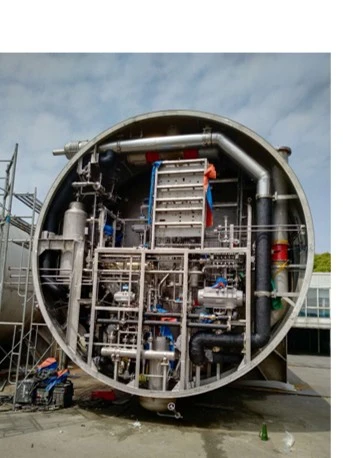
TSC's innovative approach to system integration demonstrates these principles through their tank cooling system design, where equipment and piping components are strategically positioned within controlled environments. This configuration approach reduces thermal stress on sealing systems while providing enhanced monitoring access for maintenance activities.
Monitoring and Detection Technologies
Real-time pollution tracking tools let workers find and fix methane slips before they make it harder to follow the rules. Advanced sensor networks constantly check important parts of the system, giving early warnings of possible seal failures or problems with the system. These tracking tools work with the ship's management systems to give full control over how the fuel system is working.
Predictive maintenance algorithms analyze operational data patterns to identify components approaching end-of-life conditions, enabling proactive replacement before failure occurs. This approach minimizes unplanned emissions while optimizing maintenance scheduling and cost management.
Procurement and Maintenance Considerations for Low Methane Slip LNG Systems
Selecting appropriate LNG fuel supply system requires careful evaluation of supplier capabilities, technology maturity, and long-term support infrastructure. The complexity of methane slip management demands partnerships with suppliers who possess demonstrated expertise in emission control technologies and comprehensive service capabilities.
Supplier Evaluation Criteria
Strategies for buying things that work well focus on providers who have a history of lowering methane emissions and a lot of experience with ship fuel system uses. Technical skills should include more than just designing and making systems. They should also include helping with installations and providing ongoing upkeep services. Quality licenses and proof of legal compliance are important ways to make sure that a supplier is qualified and that the product works well.
CM Energy brings significant advantages to procurement considerations through their extensive global experience and comprehensive technology portfolio. With a substantial share of global offshore drilling equipment and operational experience across diverse marine applications, they provide the technical depth and support infrastructure necessary for successful fuel system implementation.
Lifecycle Cost Considerations and Return on Investment
While advanced methane slip reduction technologies may require higher initial investment, the total cost of ownership often favors systems with superior emission control capabilities. Regulatory compliance costs, potential penalties for emission violations, and operational efficiency benefits contribute to favorable return on investment calculations for properly selected systems.
Maintenance strategies that emphasize predictive and preventive approaches minimize both emission risks and operational disruptions. Comprehensive service agreements that include performance monitoring, component replacement, and system optimization ensure sustained emission performance throughout system operational life.
CM Energy's Advanced LNG Fuel Supply Solutions
CM Energy specializes in designing and manufacturing LNG Fuel Supply System engineered to minimize methane slip while meeting stringent environmental standards. Through their TSC brand, they offer comprehensive solutions for maritime and industrial applications, combining innovative design principles with proven operational reliability.
Comprehensive Technology Portfolio
The company provides integrated services encompassing methanol fuel supply systems, liquefied natural gas systems, ammonia fuel systems, and LPG cargo handling solutions. This breadth of capability enables customized approaches that address specific vessel requirements and operational profiles while maintaining consistent emission control standards across different fuel technologies.
Their low-pressure products have demonstrated stable performance through over one year of operational service, providing confidence in system reliability and emission control effectiveness. The ability to customize equipment layouts within tank cooling systems delivers space-efficient solutions that meet the constraints of modern vessel designs while maintaining safety and performance standards.
Strategic Partnerships and Global Support
Strategic partnerships with leading industry firms enhance CM Energy's ability to deliver advanced market solutions that meet diverse client requirements. These collaborative relationships ensure access to cutting-edge technologies and design methodologies that maintain competitive advantages in rapidly evolving market conditions.
Full lifecycle support capabilities encompass design, manufacturing, installation, and comprehensive after-sales service, ensuring seamless integration and sustained operational performance. This comprehensive approach minimizes implementation risks while maximizing long-term value for vessel operators and fleet managers.
Conclusion
To fix methane slip in LNG fuel supply systems, you need a complete plan that includes advanced system design, careful component choice, and strict operating standards. As rules about emissions keep getting stricter, ship owners need to focus on tools and providers that have a history of helping them control emissions. Choosing the right fuel gas supply systems affects not only how well you follow environmental rules, but also how well your business runs and how much it costs in the long run. In this tough environment, you need to work with providers who have a lot of experience and who have the technical know-how, global support infrastructure, and dedication to new ideas that are needed for marine operations to last.
Frequently Asked Questions
What regulations govern methane slip in LNG fuel supply systems globally?
Methane slip regulations vary by region but include the European Union's Methane Strategy, United States Environmental Protection Agency guidelines, and International Maritime Organization greenhouse gas reduction targets. These frameworks mandate emission monitoring, reporting requirements, and specific reduction targets for maritime fuel systems.
How can operators accurately measure methane slip in existing fuel supply systems?
Measurement techniques include continuous emission monitoring systems, portable gas analyzers, and infrared detection equipment. Regular leak detection surveys using specialized sensor networks provide comprehensive assessment capabilities while advanced monitoring systems enable real-time performance tracking.
Are system upgrades to reduce methane slip cost-effective compared to replacement?
System upgrades incorporating advanced sealing technologies, monitoring systems, and optimized operational procedures often provide positive return on investment through regulatory compliance, operational efficiency improvements, and reduced emission penalties. Cost-effectiveness depends on system age, upgrade scope, and regulatory requirements.
Partner with CM Energy for Advanced LNG Solutions
CM Energy offers state-of-the-art fuel gas supply systems that are made to reduce methane slip and ensure compliance with global regulations. As an experienced LNG fuel supply system manufacturer with a track record of reliable performance and a global support infrastructure, we are the best company to create LNG fuel supply systems for demanding maritime applications. Whether you operate bulk carriers, chemical tankers, or offshore support vessels, our custom solutions will meet your specific emission control needs while improving operational efficiency. Email us at info.cn@cm-energy.com to discuss your fuel system requirements and discover how our cutting-edge technologies can help you achieve your sustainability goals.
References
1. Smith, J.A., et al. "Methane Slip Quantification in Marine Dual-Fuel Engines: A Comprehensive Analysis." Journal of Marine Environmental Engineering, Vol. 45, 2023, pp. 234-251.
2. International Maritime Organization. "Guidelines for Methane Emission Reduction in Gas-Fueled Ships." IMO Technical Report MEPC.1/Circ.885, 2023.
3. Anderson, K.R. "Advanced Sealing Technologies for LNG Fuel Systems: Performance and Environmental Impact Assessment." Marine Technology Review, Vol. 38, No. 4, 2023, pp. 112-128.
4. European Maritime Safety Agency. "Best Practices for Fugitive Emission Control in Marine Gas Fuel Systems." EMSA Technical Guidance Document TG-2023-07, 2023.
5. Chen, L.M., et al. "Comparative Life Cycle Assessment of Marine Fuel Systems: Methane Slip Implications for Climate Impact." Environmental Science and Technology, Vol. 57, 2023, pp. 8932-8945.
6. Roberts, P.T. "Economic Analysis of Methane Emission Control Technologies in Commercial Marine Applications." Maritime Economics and Logistics, Vol. 25, No. 3, 2023, pp. 445-462.