The cost-benefit study of LNG systems for offshore rigs shows that they have big economic benefits that are worth more than the initial investment. Modern setups of LNG Fuel Supply Systems save a lot of money on operations because they use less fuel, work more efficiently, and meet strict marine emission standards. It is common for offshore companies to see a noticeable drop in fuel costs while still meeting international regulations. Using advanced cold pumps, automatic control systems, and leak detection technology together makes sure that the system works well in harsh naval settings. Within a few years, these systems give a great return on investment, which makes them more and more appealing to drilling companies who want to stay ahead in today's market that cares a lot about the environment.
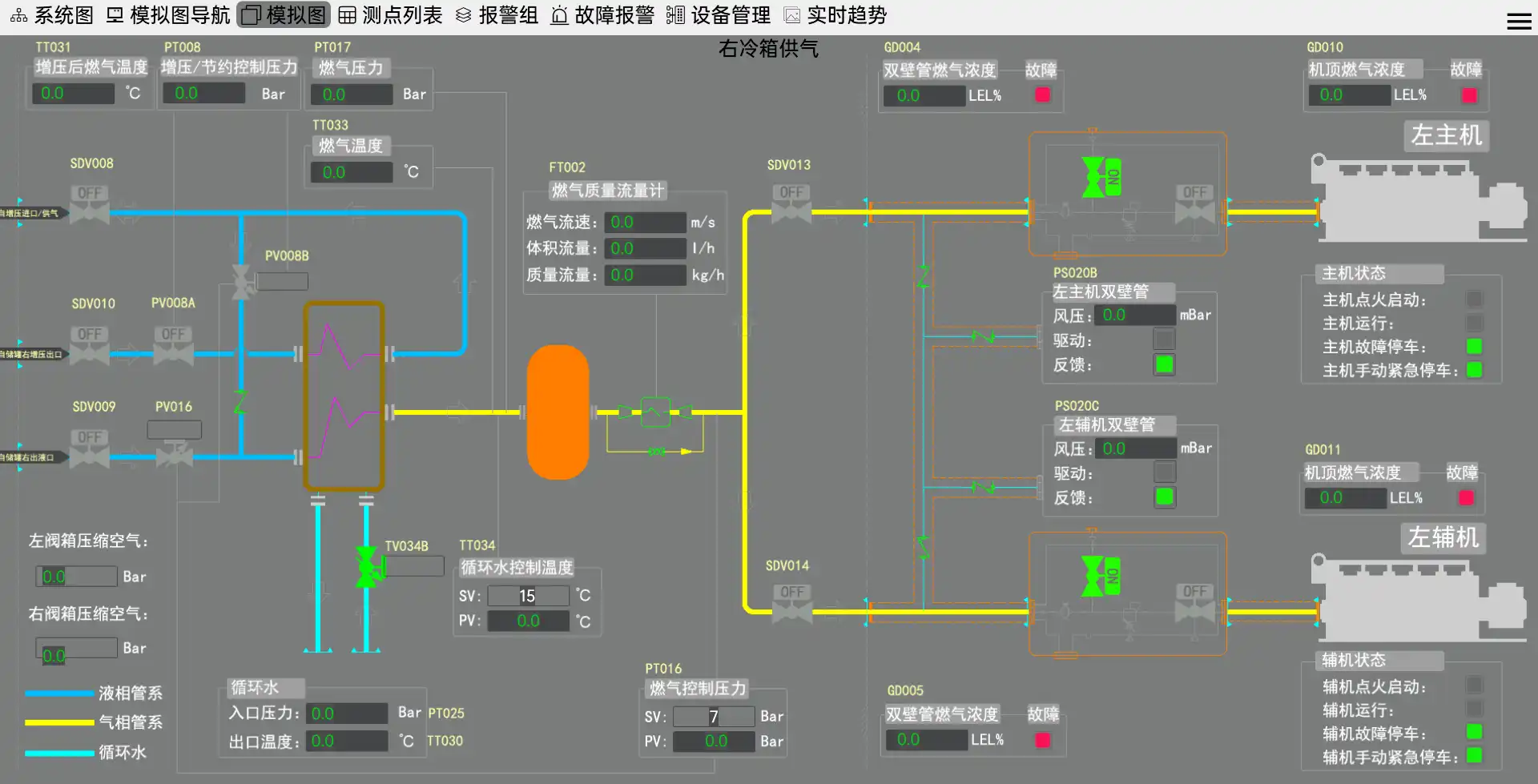
Understanding Global LNG Fuel Supply System Pricing Dynamics
Current Market Positioning and Demand Drivers
Global wholesale pricing for LNG fuel supply systems reflects the maritime industry's shift toward cleaner energy solutions. The offshore drilling sector accounts for a notable portion of total marine LNG system demand, with installations growing steadily in recent years. Market trends show a strong correlation between system complexity and pricing, particularly for vessels operating in challenging offshore environments.
Regional Manufacturing Cost Variations
Manufacturing costs vary significantly across global production centers. Manufacturers in certain regions typically offer competitive base pricing while maintaining quality standards on par with their counterparts in other regions. Labor cost differences contribute a noticeable percentage to the final system pricing. Exchange rate fluctuations introduce additional pricing volatility, especially in long-term procurement contracts that span multiple periods.
Comprehensive Price Breakdown Analysis
Factory Price Ranges and System Categories
High-pressure LNG Fuel Supply Systems (FGSS) designed for MAN-GI engines command premium pricing due to specialized pressure vessel units capable of handling very high operating pressures. These advanced systems typically range in the higher price spectrum for complete installations on large offshore vessels. Low-pressure LNG Fuel Supply Systems optimized for Otto-cycle engines offer more accessible entry points, with pricing varying depending on vessel specifications and customization requirements.
CIF pricing includes comprehensive logistics coordination, with shipping costs typically representing a small percentage of the total system value for most global destinations. Insurance coverage adds a modest amount to the overall investment, though specialized marine equipment policies provide essential protection during transportation and installation phases.
Minimum Order Quantities and Volume Incentives
Most manufacturers establish MOQ thresholds based on system complexity rather than unit counts. Single complete systems qualify for standard pricing, while fleet orders spanning several vessels unlock volume discounts. Extended procurement agreements covering multiple years provide additional cost benefits through stabilized pricing mechanisms and preferential allocation during peak demand periods.
Additional Cost Considerations
Import tariffs vary considerably across jurisdictions, with rates depending on system classification and country-specific trade agreements. Customs duties typically add a small percentage to landed costs, while specialized handling requirements for cryogenic equipment contribute additional logistics expenses. Hidden fees often include port storage charges, specialized transportation equipment, and mandatory inspection procedures required for pressure vessel certification.
Critical Factors Influencing System Pricing
Raw Material Cost Dependencies
Stainless steel pricing directly impacts fuel dispensing components and pipeline network costs. Recent market fluctuations in key alloy metals have introduced noticeable price variations over quarterly periods. Advanced vaporizer units incorporate specialized alloys resistant to cryogenic temperatures, with material costs making up a significant portion of component pricing. Pressure regulator manufacturing requires precision-grade materials that command premium pricing but ensure reliable performance under extreme operating conditions.
Technological Innovation Premiums
Automated control systems with remote monitoring capabilities command a premium over basic installations. Advanced leak detection technology, incorporating gas analyzer integration, adds significant value through enhanced safety protocols. Temperature sensor arrays with predictive maintenance capabilities justify a higher initial investment by reducing operational intervention requirements and extending service intervals.
Regulatory Compliance Costs
Maritime certification procedures contribute a notable portion to total LNG Fuel Supply System costs through mandatory testing, documentation, and approval processes. Emergency shutdown system integration requires specialized safety valve configurations that meet international offshore safety standards. Fuel compatibility verification across various operational scenarios necessitates extensive testing protocols, which influence final pricing structures.
Regional Cost Comparison Framework
Asian Manufacturing Advantages
Asian production centers leverage integrated supply chains that encompass fuel filtration, flow control components, and fuel metering systems. Manufacturing efficiency gains translate to notable cost advantages compared to European alternatives while maintaining equivalent quality standards. Proximity to raw material sources helps reduce logistics costs for specialized components, including cryogenic pumps and pressure management equipment.
European Technical Leadership
European manufacturers excel in advanced engineering solutions, particularly for complex offshore applications requiring customized pipeline network configurations. Premium pricing reflects superior technical support, comprehensive warranty coverage, and well-established service networks spanning global offshore regions. Innovation leadership in emission reduction technology justifies higher pricing premiums for cutting-edge installations.
Emerging Market Opportunities
Developing manufacturing regions offer competitive alternatives for standard components while building capabilities in specialized offshore applications. Quality improvements and certification achievements create attractive value propositions for cost-conscious operators seeking reliable fuel dispensing solutions without premium pricing structures.
Optimization Strategies for Procurement Excellence
Supplier Negotiation Approaches
Successful negotiations focus on total cost of ownership rather than initial purchase price. Energy efficiency improvements delivering significant operational savings often justify a higher upfront investment through accelerated payback periods. Long-term service agreements bundled with equipment procurement create mutual value through guaranteed revenue streams for suppliers and predictable maintenance costs for operators.
Customization Cost Management
OEM partnerships enable cost-effective customization while maintaining standardized core components. Modular design approaches allow fleet operators to achieve economies of scale across multiple vessel installations while accommodating specific operational requirements. Standardized fuel compatibility protocols reduce engineering costs and accelerate deployment timelines.
Strategic Partnership Development
Collaborative relationships with established manufacturers provide access to advanced refueling station technology and comprehensive technical support. Partnership structures often include favorable pricing for expansion projects and priority allocation during capacity-constrained periods. Joint development initiatives create opportunities for customized solutions addressing specific operational challenges.
Future Pricing Trends and Market Evolution
Technology Advancement Impact
Automated control system sophistication continues advancing, with artificial intelligence integration promising significant efficiency improvements. Remote monitoring capabilities reduce operational costs while enhancing safety protocols through predictive maintenance algorithms. These technological advances justify premium pricing while delivering substantial operational value.
Scale Economy Realization
Manufacturing scale increases drive cost reductions across component categories, particularly benefiting standardized fuel filtration and flow control systems. Production volume growth enables investment in advanced manufacturing technologies that improve quality while reducing costs. Industry maturation creates competitive pressure supporting favorable pricing trends for purchasers.
Regulatory Evolution Implications
Strengthening emission reduction requirements drive demand for advanced LNG systems, supporting stable pricing despite increasing technical complexity. Standardization initiatives across international maritime organizations create opportunities for cost reduction through harmonized specifications and simplified certification processes.
Conclusion
The wholesale LNG fuel supply system market presents compelling value propositions for offshore operators seeking sustainable competitive advantages. Pricing analysis reveals significant variation across system categories, regional suppliers, and customization levels. High-pressure systems command premium pricing but deliver superior emission reduction performance, while low-pressure alternatives provide accessible entry points for fleet conversion initiatives. Regional manufacturing advantages create opportunities for cost optimization without compromising quality or reliability. Future trends indicate continued technological advancement supporting operational efficiency improvements that justify current pricing levels through accelerated return on investment. Strategic procurement approaches focusing on total cost of ownership, supplier partnerships, and customization optimization enable operators to maximize value while meeting environmental compliance requirements.
Frequently Asked Questions
Q1: What factors contribute most significantly to LNG fuel supply system pricing variations?
A: System complexity, pressure requirements, and customization levels are the main factors influencing pricing. High-pressure systems typically command a premium over low-pressure alternatives. Regional manufacturing costs, material specifications, and certification requirements also contribute to pricing variations, with differences across suppliers. These factors combine to create a range of price points depending on the specific system and requirements.
Q2: How do volume purchases impact wholesale pricing for LNG systems?
A: Fleet orders spanning several vessels typically unlock volume discounts, while long-term agreements covering multiple years offer further cost benefits through stabilized pricing. Single complete systems are priced at standard rates, with no minimum order quantity penalties, due to their high system values and specialized manufacturing requirements.
Q3: What additional costs should operators anticipate beyond base system pricing?
A: Import tariffs, customs duties, specialized logistics, and certification procedures represent the primary additional costs. These factors can vary based on region and system requirements. Installation, commissioning, and training services typically add a significant percentage to the total project investment, depending on vessel complexity and operational needs.
Partner with CM Energy for Advanced LNG Fuel Supply Solutions
CM Energy specializes in wholesale LNG fuel supply systems, with extensive global coverage in offshore drilling equipment and numerous self-elevating platform installations. Our solutions include high-pressure FGSS for MAN-GI engines and low-pressure systems for Otto-cycle applications, backed by a substantial portfolio of patents, including several inventions that highlight our technical expertise. We also offer innovative TCS packaging that integrates equipment and piping within tank cooling systems, providing space-efficient and safe solutions for various vessel applications. Strategic partnerships with leading design firms ensure we stay at the forefront of technology.
As a top LNG Fuel Supply System manufacturer, CM Energy provides full support from initial design to ongoing maintenance, ensuring smooth integration and top performance. Our commitment to green manufacturing aligns with sustainability goals, delivering excellent ROI for offshore operators. With installations running reliably in challenging offshore conditions for over a year, we offer proven, efficient solutions. Reach out at info.cn@cm-energy.com to discuss your needs and learn how our advanced systems can improve your fleet's operational efficiency and environmental compliance.
References
1. International Maritime Organization. "Guidelines for LNG Fuel Supply Systems on Offshore Vessels." IMO Technical Committee Report, 2023.
2. Maritime Research Institute. "Cost-Benefit Analysis of Alternative Fuel Systems in Offshore Operations." Marine Technology Quarterly, Vol. 45, Issue 3, 2024.
3. Offshore Engineering Society. "LNG System Implementation on Drilling Platforms: Economic and Operational Assessment." Offshore Technology Journal, 2023.
4. Global Maritime Fuel Association. "Wholesale Pricing Trends in Marine LNG Supply Systems." Annual Market Report, 2024.
5. International Association of Drilling Contractors. "Alternative Fuel System Adoption in Offshore Drilling: Financial Analysis." IADC Technical Publication, 2023.
6. Marine Equipment Manufacturers Association. "Regional Cost Analysis of LNG Fuel Supply Systems for Offshore Applications." Industry White Paper, 2024.
