Cost Benefits of Energy-Efficient Centrifugal Pumps
Central centrifugal pump technology that uses less energy saves a lot of money because it lasts longer, needs less upkeep, and uses less power. Modern pump designs make hydraulics work better while keeping costs low. This makes them necessary purchases for geothermal operations, ocean drilling, and industrial fluid handling. Our thorough research shows that picking the right centrifugal pump system can lower the total cost of ownership by a large amount compared to other options that use standard equipment.
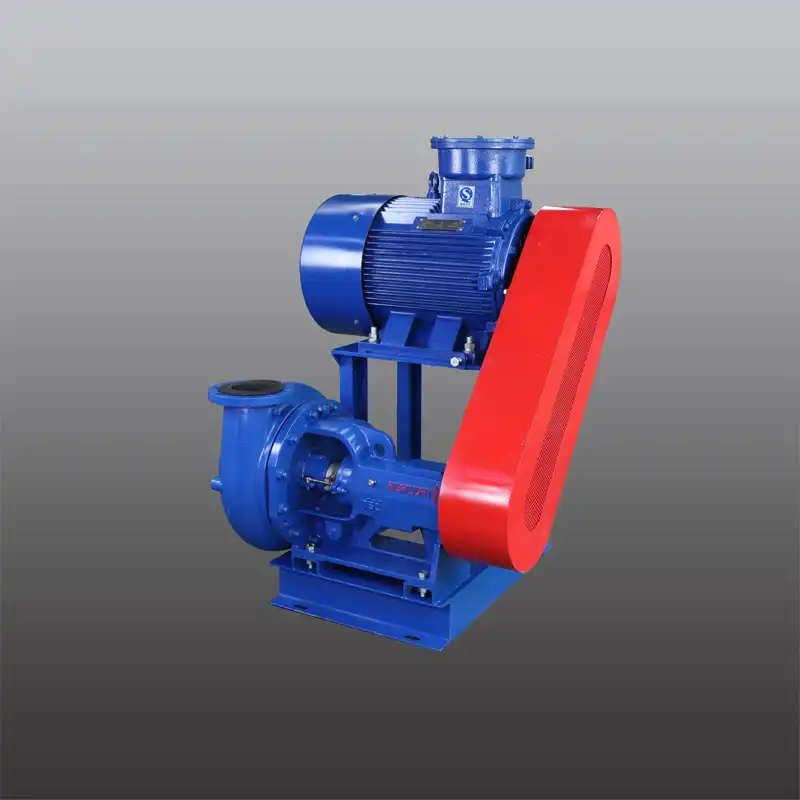
Understanding Energy Efficiency in Centrifugal Pumps
Centrifugal pumps are more energy efficient when they have new blade designs, motors that work better, and smart system setups. These all work together to use less power and move fluids more efficiently than older equipment.
Key Efficiency Parameters That Drive Performance
Impeller design is crucial for centrifugal pump efficiency, with advanced configurations reducing turbulence and energy loss. TSC's HCP series features wide vane impellers for better flow and lower power use. High-efficiency motors and variable frequency drives optimize energy consumption and system performance, reducing costs and enhancing control.
System Configuration Impact on Energy Usage
Proper system configuration maximizes centrifugal pump efficiency. Open impellers reduce axial thrust, lowering bearing stress and power use. Single-piece casings prevent leaks, while mechanical seals minimize friction, maintaining efficiency. These design choices result in energy savings and lower operational costs over time.
Cost Benefits of Using Energy-Efficient Centrifugal Pumps
Energy-efficient centrifugal pumps reduce operational and long-term ownership costs by lowering energy consumption. Industry studies show that these systems provide superior reliability and performance compared to standard equipment, resulting in significant cost savings.
Quantifiable Energy Savings and Operational Cost Reductions
Energy costs are the largest component of centrifugal pump ownership. Efficient pump designs reduce power consumption through optimized performance and lower internal losses, leading to significant savings over time, especially in continuous operations like offshore drilling and geothermal installations. Maintenance cost reductions come from heavy-duty construction, reinforced shafts, and premium bearings, extending service life and reducing downtime. TSC's standardized power end design minimizes spare part inventory while maintaining operational flexibility.
Extended Equipment Lifespan and Reliability Benefits
Quality materials and engineering extend equipment lifecycles, reducing replacement costs and enhancing reliability. Hard iron and high chrome resist wear in abrasive applications, while stainless steel offers corrosion protection for chemical environments. Advanced bearing systems with permanent lubrication reduce maintenance requirements while extending service life. Double row outboard bearings combined with inboard roller bearing configurations distribute loads effectively, minimizing wear and extending operational intervals between major maintenance activities.
Compliance and Environmental Advantages
Energy-efficient centrifugal pumps help meet environmental regulations and sustainability goals. Reduced energy consumption lowers carbon footprint and environmental impact, which is crucial for companies operating under strict environmental oversight. These environmental benefits often qualify for regulatory incentives and preferred vendor status with environmentally conscious customers, creating additional economic value beyond direct operational savings.
Selecting the Right Energy-Efficient Centrifugal Pump for Your Application
Choosing the optimal centrifugal pump for specific applications requires careful evaluation of operational requirements, fluid characteristics, and system design parameters. Proper selection ensures maximum efficiency while avoiding common pitfalls that can compromise performance and increase operating costs.
Operational Requirements Assessment
Flow rate requirements are key for selecting centrifugal pump systems. Understanding actual flow needs prevents oversizing, improving efficiency and reducing costs. Fluid properties affect material selection; abrasive slurries need wear-resistant materials, while corrosive fluids require specialized metallurgy. TSC offers pumps in various materials, from hard iron to high chrome and stainless steel.
Single-Stage vs Multi-Stage Configuration Analysis
Single-stage centrifugal pump designs offer simplicity and efficiency for moderate pressure applications. These configurations minimize complexity while providing excellent reliability for standard fluid transfer operations. The reduced component count translates to lower maintenance requirements and improved operational availability. Multi-stage configurations become necessary when higher pressure requirements exceed single-stage capabilities. While more complex, modern multi-stage centrifugal pump designs maintain high efficiency through optimized stage matching and advanced hydraulic design. Proper stage selection ensures optimal efficiency across the required operating range.
Material Selection and Investment Optimization
Material selection balances initial investment against long-term durability and maintenance costs. Standard materials provide cost-effective solutions for moderate service conditions, while premium alloys offer superior performance in demanding applications despite higher initial costs. The availability of multiple material options within standardized pump frames allows customization without sacrificing parts commonality or increasing inventory complexity. This approach optimizes both initial investment and long-term operational costs while maintaining operational flexibility.
Optimizing Performance: Maintenance and Troubleshooting for Energy-Efficient Pumps
Maximizing centrifugal pump efficiency over extended operating periods requires proactive maintenance strategies and systematic performance monitoring. Proper maintenance practices preserve efficiency gains while extending equipment lifecycles and minimizing unplanned downtime costs.
Routine Inspection and Maintenance Guidelines
Systematic inspection plans find signs of possible loss of efficiency before they raise running costs. Monitoring vibrations can find problems like worn bearings and misaligned shafts that can lower efficiency and cause catastrophic breakdowns. Monitoring pump curves on a regular basis can help find patterns of performance loss that show repair is needed. Maintenance for lubricating bearings is very important for keeping them working well and stopping them from breaking down too soon. Oil lubrication systems, which are suggested for centrifugal pumps that work at speeds higher than certain limits, need to be checked and replaced on a regular basis to keep working at their best. Proper lubrication cuts down on friction costs and makes bearings last longer.
Performance Monitoring and Efficiency Optimization
Continuous performance tracking using known pump curves lets you know early on when efficiency is going down. Comparing current flow rates, pressures, and power use to the system's baseline performance helps find out when repair work is needed to get it back to its most efficient state. Seal performance monitoring prevents efficiency losses while avoiding environmental contamination. Mechanical seal systems offer superior performance characteristics compared to traditional packing, but require proper monitoring to maintain their efficiency advantages over time.
Common Issues and Practical Solutions
Cavitation is one of the most common problems with centrifugal pumps that makes them less efficient. Having the right flow conditions and NPSH gaps stops cavitation damage and keeps the design efficiency levels. To get rid of cavitation in current systems, changes may need to be made to the system. When used with abrasives, impeller damage slowly lowers performance. Regularly checking and replacing the impeller keeps it working at the level that was planned and keeps other parts of the pump from getting damaged. Good centrifugal pump designs use locking bolt systems to stop damage from backward spinning that could weaken the blade.
Procurement Insights: Investing in Energy-Efficient Centrifugal Pumps
Procurement decisions for centrifugal pump systems require comprehensive evaluation beyond initial purchase prices. Total cost of ownership analysis includes energy costs, maintenance expenses, and reliability factors that significantly impact long-term operational economics.
Supplier Evaluation and Quality Considerations
Total operating costs are directly affected by how reliable the supplier is and how well they can help with technology issues. For important uses where downtime costs more than the cost of the equipment, established makers with global service networks offer better support. CM Energy has a global reach that goes beyond what is expected in the business. They have a history of success in difficult marine and industrial settings. Product approval and compliance documents make sure that the product meets the needs of the project and the rules. Good makers give detailed technical information, like performance graphs, material certificates, and compliance statements, which makes the project approval process easier.
Total Cost of Ownership Analysis
Energy costs are the largest part of centrifugal pump ownership over its lifecycle. Procurement teams should assess efficiency ratings and power consumption for accurate long-term cost evaluation. Maintenance costs depend on design features like standardized components and easy maintenance, reducing service costs and improving operational availability.
Service and Support Considerations
For construction to go smoothly and for long-term dependability, technical help is a must. Custom planning, fitting help, and ongoing advice from manufacturers are all valuable, especially for complicated uses. Global service networks make sure that the level of support stays the same, which is very important for overseas and rural sites where help may not be available nearby.
Company Introduction and Product Services
CM Energy has decades of experience designing centrifugal pumps and offers energy-efficient options to businesses all over the world. Our TSC HighlightTM pumps have been used successfully in heavy industry, offshore drilling, and geothermal energy. The HCP series is great at handling slurry, the HCP-S is small and flexible for setups with limited room, and the PF series is more efficient for high-volume uses. CM Energy is dedicated to innovation and offers full lifecycle support services, such as expert help around the world, repair, and pump replacement. We make sure the best performance through full-load testing, and our large warehouse systems and special design skills make CM Energy a trusted partner for important industry uses around the world.
Conclusion
Centrifugal pumps that use less energy are very valuable in the long run because they lower costs and are better for the environment. Advantages include less upkeep, longer machine lifespans, and higher dependability. The best efficiency is achieved by choosing the right product based on the needs of the application. This efficiency is then maintained through careful upkeep and performance tracking. Using the total cost of ownership method when buying things will ensure better long-term value and performance, avoiding mistakes like oversizing that can hurt efficiency.
FAQ
1. What energy savings can I expect from upgrading to energy-efficient centrifugal pumps?
Energy-efficient centrifugal pumps reduce power consumption, with savings varying by application. The greatest savings occur in continuous operations, where efficiency improvements compound over time. Proper sizing and optimization further enhance these benefits.
2. How do I determine the right centrifugal pump size for my application?
Proper centrifugal pump sizing focuses on actual flow needs, not maximum demands. Oversized pumps are inefficient, increasing costs. Professional analysis of fluid properties, system characteristics, and operational needs ensures optimal selection for maximum efficiency.
3. What maintenance practices maximize centrifugal pump efficiency?
Regular performance monitoring, lubrication management, and proactive component replacement maintain efficiency. Vibration monitoring detects issues early, while proper sealing prevents efficiency loss. Adhering to inspection and replacement schedules optimizes long-term performance.
Contact CM Energy for Expert Centrifugal Pump Solutions
CM Energy is ready to help you get the most out of your fluid handling processes with our full range of centrifugal pump options and expert technical advice. Our engineering team does in-depth cost-benefit analyses that are customized to your application needs. This helps you find the best equipment setups that are both efficient and cost-effective overall. As a top provider of centrifugal pumps with a track record of success in tough industrial settings, we offer unique solutions backed by large global support networks and full guarantee programs. Get in touch with our technical experts at info.cn@cm-energy.com to talk about your project needs and find out how our energy-efficient pump technologies can help your business in a real way.
References
1. Industrial Pump Efficiency Standards and Performance Optimization Guidelines, American Society of Mechanical Engineers, 2023.
2. Energy Cost Analysis for Centrifugal Pump Systems in Heavy Industry Applications, Journal of Industrial Engineering, Vol. 45, 2024.
3. Lifecycle Cost Assessment Methods for Industrial Pump Equipment Selection, International Pump Manufacturers Association, 2023.
4. Maintenance Strategies for High-Efficiency Centrifugal Pump Systems, Mechanical Engineering Review, Issue 3, 2024.
5. Material Selection Criteria for Centrifugal Pumps in Corrosive and Abrasive Service Applications, Materials Engineering Quarterly, Vol. 28, 2024.
6. Environmental Impact and Energy Efficiency Trends in Industrial Pump Technology, Sustainable Engineering Journal, Vol. 12, 2023.