Where to Buy Certified Offshore Jacking Systems?
For approved offshore jacking systems, selecting the right Offshore Platform Jacking Control System supplier is essential to the success of marine operations. Prominent producers such as CM Energy (TSC) provide professional purchasers with mobile drilling units, jack-up rigs, and entire wind turbine installation vessels. These complex control systems need proven expertise, international certifications, and thorough after-sales support to maintain operating safety and efficiency in challenging offshore circumstances. Improved jacking technologies are in high demand due to the rapid rise of offshore energy. Finding dependable, secure, and high-performing equipment is a challenge for marine contractors. Project results and operating costs can be impacted by knowing where to obtain certified systems and how to assess providers.
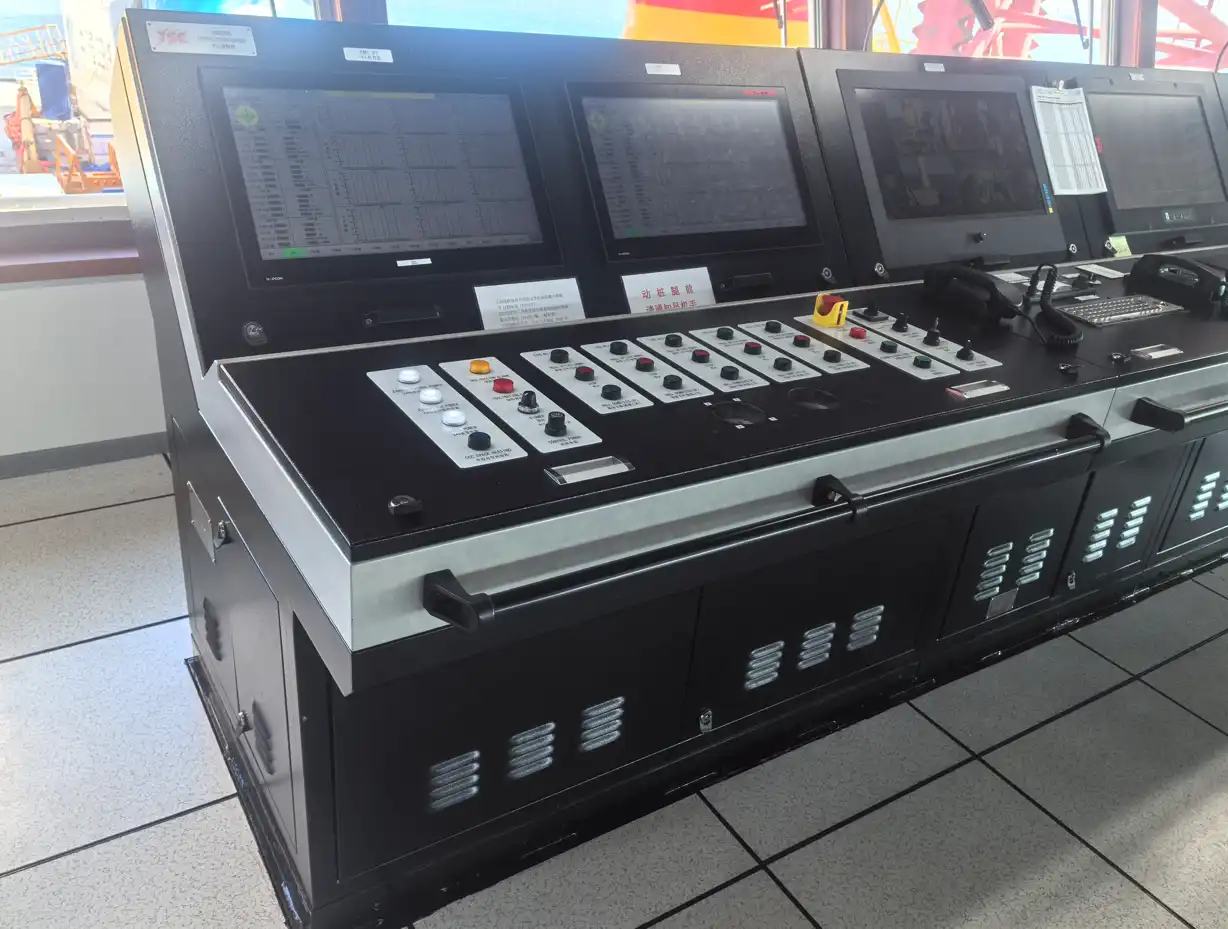
Understanding Offshore Platform Jacking Control System Applications
Wind Energy Installation Platforms
One of the applications for Offshore Platform Jacking Control System technology that is expanding the fastest is wind turbine installation vessels. During turbine installation operations, these specialist vessels need to have extraordinary stability and precise positioning capabilities. Vessels can rise above wave action thanks to the jacking mechanism, which creates sturdy working platforms that are necessary for managing large turbine components. Advanced control systems that manage several jacking units at once are crucial for self-elevating wind turbine installation vessels. Throughout the installation process, the Offshore Platform Jacking Control System controls load distribution, leg alignment, and safety monitoring. To maximize performance while upholding stringent safety regulations, modern systems combine sensor integration with real-time control algorithms.
Oil and Gas Drilling Operations
During drilling operations, mobile offshore drilling equipment rely on advanced jacking systems to maintain stability and position. In addition to offering exact control over platform elevation and leg posture, these platforms must endure challenging environmental conditions. Complex operations requiring several hydraulic or electric drive systems are coordinated by the Offshore Platform Jacking Control System. Automated jacking technologies are used by jack-up rigs to swiftly and safely reach ideal operating positions. To reduce downtime, advanced control systems provide predictive maintenance features and defect detection capabilities. To guarantee safe operations, environmental monitoring systems regularly evaluate platform stability and sea conditions.
Marine Construction Projects
Jack-up barges with advanced elevation systems are becoming more and more common in coastal building operations. Offshore Platform Jacking Control System systems that offer exact control over positioning and load management are necessary for these platforms. Reliable systems that can maintain stability when heavy machinery is operating on deck are necessary for construction operations. Specialized jacking systems are used by geotechnical survey vessels to do soil sample and seabed investigations. Accurate location must be provided by the control systems while taking into account changing environmental conditions and seabed conditions.
Global Supply and Demand Analysis
Market Dynamics and Growth Trends
The growth of renewable energy and conventional offshore drilling operations are the main drivers of the global demand for Offshore Platform Jacking Control System technology. The rise of wind energy is responsible for a significant increase in the need for specialist vessels, which presents prospects for producers of cutting-edge jacking solutions. Local energy policy and offshore development initiatives are reflected in regional differences in demand. While Asian regions exhibit robust demand across several platform types, European markets prioritize wind energy applications. Both conventional oil and gas applications and renewable energy are highly valued in North American markets.
Technology Evolution and Innovation
Contemporary Offshore Platform To improve operational efficiency, Jacking Control System designs include sophisticated signal processing and machine learning capabilities. These systems have enhanced human-machine interfaces that make operations easier and offer extensive system monitoring features. More complex control algorithms and improved integration with vessel management systems are made possible by embedded systems technology. Shore-based monitoring and assistance are made possible by remote operation capabilities, which lower operating costs and enhance safety results.
Supplier Evaluation and Selection Criteria
Certification and Compliance Standards
Offshore Platform Jacking Control System equipment is certified by international classification bodies such as ABS, CCS, DNV, and BV. To guarantee that equipment satisfies performance and safety requirements, suppliers must show adherence to these strict criteria. Systems for quality control are essential to supplier assessment procedures. FMEA research and thorough testing procedures show a supplier's dedication to dependability and security. Compliance certificates and comprehensive technical specifications must be included in documentation bundles.
Manufacturing Capabilities and Experience
The creation of Offshore Platform Jacking Control Systems benefits from the more than 20 years of marine engineering experience of reputable vendors like CM Energy. Experience with international installations offers important insights into operational issues and real-world performance requirements. Both conventional configurations and customized solutions must be supported by production capabilities. Suppliers should show that they have a track record of success with comparable platforms and applications. Reference installations offer important information about system performance and supplier capabilities.
Sourcing Channel Comparison
Direct Manufacturer Relationships
Purchasing Offshore Platform Jacking Control Systems directly from manufacturers has a number of benefits. Customized solutions, improved technical support, and frequently more advantageous pricing structures are made possible by direct relationships. Manufacturers are able to offer continuous support and full system integration services.
| Sourcing Channel | Advantages | Disadvantages |
|---|---|---|
| Direct Manufacturer | Customization, technical support, competitive pricing | Longer lead times, higher MOQ |
| Authorized Distributors | Local support, faster delivery, established relationships | Limited customization, higher costs |
| B2B Platforms | Wide selection, competitive quotes, easy comparison | Quality verification challenges, limited support |
| Trading Companies | Lower costs, flexible terms, diverse options | Quality control issues, limited technical expertise |
Distributor Networks and Regional Support
For Offshore Platform Jacking Control System maintenance and servicing needs, authorized distributors offer helpful local support and quicker response times. In order to lower the risk of downtime, regional distributors frequently keep inventories of replacement parts and skilled service staff. Particularly for smaller projects or uniform system requirements, distributor relationships can streamline procurement procedures. In contrast to direct manufacturer ties, customisation options could be more constrained.
Online B2B Platforms and Marketplaces
Digital platforms make it simple to compare specs and prices and provide quick access to a number of Offshore Platform Jacking Control System suppliers. For preliminary market research and supplier identification, these platforms can be especially helpful. Using online platforms makes quality verification more difficult and necessitates meticulous due diligence procedures. Compared to conventional procurement methods, technical support could be scarcer.
Procurement Best Practices and Quality Control
Supplier Verification Processes
The quality and dependability of the Offshore Platform Jacking Control System are guaranteed by careful supplier verification. Facility inspections, quality system audits, and reference project evaluations should all be part of verification procedures. Assessments of financial stability contribute to long-term supplier viability. Certification packages, test results, and quality management system certificates must all be reviewed. Systems for managing supplier quality should show uniform procedures for design, production, and testing.
Technical Specification Development
Accurate Offshore Platform Jacking Control System procurement is made possible by detailed technical specifications, which also guarantee that solutions fulfill application requirements. Environmental conditions, integration requirements, and performance criteria should all be covered in specifications. Safety needs, such as interlock systems, monitoring capabilities, and emergency protocols, must be precisely specified. Both fundamental functions and sophisticated features like remote operation and predictive maintenance should be covered in control system standards.
Payment Terms and Delivery Scheduling
Typical terms of payment for offshore platforms Purchasing a Jacking Control System usually entails milestone payments based on production status and delivery dates. Additional payments are made at manufacturing milestones, with initial deposits typically ranging from 10% to 30% of the entire contract amount. Manufacturing lead times, which might differ greatly depending on system complexity and customization needs, must be taken into account when scheduling deliveries. While bespoke solutions frequently take six to twelve months or more, standard systems may take three to six months.
Risk Mitigation and Quality Assurance
Common Procurement Pitfalls
When purchasing an offshore platform jacking control system, inadequate technical specification development poses a serious danger. During installation or commissioning, unclear requirements may result in expensive changes and problems with system performance. Inadequate supplier due diligence may lead to poor technical assistance, delivery delays, or quality issues. Higher overall ownership costs are frequently the result of price-focused procurement without adequate quality evaluation.
Quality Control Checkpoints
Regular inspection points should be part of manufacturing quality control throughout the production process of the Offshore Platform Jacking Control System. Before a system is shipped, factory acceptance testing verifies its functionality and offers chances to fix any problems. Proper system integration and performance verification are guaranteed by installation and commissioning support. Before a platform is deployed, thorough testing procedures should verify all system operations and safety aspects.
Warranty and Service Considerations
Defects and performance problems with the Offshore Platform Jacking Control System are covered by comprehensive warranty coverage. Both component failures and system performance guarantees should be covered under warranty conditions. For a system to remain reliable throughout its operating life, service support skills become essential. For troubleshooting and maintenance tasks, suppliers should offer technical support, spare parts support, and training.
Conclusion
Sourcing certified Offshore Platform Jacking Control System equipment requires careful evaluation of suppliers, applications, and procurement channels. rigorous technical specification formulation, rigorous supplier verification, and suitable risk mitigation techniques are essential for success. For complicated projects requiring customization and continuous assistance, direct manufacturer partnerships frequently yield the best results. Innovation in jacking system technology is still being driven by the expanding offshore energy industry, which presents chances for increased operational effectiveness and performance.
FAQ
1. What certifications should offshore jacking systems have?
International classification society standards, including as ABS, CCS, DNV, and BV requirements, should be met by certified offshore platform jacking control system equipment. These certifications guarantee that systems fulfill the strict performance and safety requirements necessary for offshore operations.
2. How long do offshore jacking control systems typically last?
Installations of well-maintained offshore platform jacking control systems usually have a dependable service life of 15 to 25 years. Consistent performance and system longevity are ensured by timely component replacement, appropriate operation, and routine maintenance.
3. What factors influence offshore jacking system pricing?
The cost of an offshore platform jacking control system is determined by the size of the platform, the type of drive, the need for modification, and the need for certification. While bespoke solutions are more expensive, electric drive systems are generally less expensive than hydraulic options.
4. Can existing jacking systems be upgraded or retrofitted?
Upgrades such as better control interfaces, increased monitoring capabilities, and sophisticated safety measures can be incorporated into many Offshore Platform Jacking Control System installations. Platform limitations and the current system architecture determine whether retrofits are feasible.
5. What training is required for operating offshore jacking systems?
Operating an offshore platform jacking control system necessitates specific training that covers emergency procedures, safety measures, and system operation. To guarantee safe and effective system utilization, training programs should cover both routine operations and troubleshooting techniques.
Partner with CM Energy for Reliable Offshore Platform Jacking Control System Solutions
With more than 36 successful installations globally and more than 20 years of maritime engineering experience, CM Energy is a reputable manufacturer of offshore platform jacking control systems. With international certifications from top classification organizations, our TSC brand offers complete systems with hydraulic drive and VFD options. Get in touch with our knowledgeable staff at info.cn@cm-energy.com to talk about your particular needs and learn why business executives pick CM Energy for their offshore platform requirements.
References
1. International Maritime Organization. Guidelines for Offshore Platform Jacking System Safety Standards. IMO Publishing, 2023.
2. American Bureau of Shipping. Rules for Building and Classing Mobile Offshore Drilling Units. ABS Technical Publications, 2024.
3. Det Norske Veritas. Offshore Standard for Position Mooring Systems. DNV GL Standards, 2023.
4. Bureau Veritas. Classification Rules for Offshore Units. BV Marine & Offshore Division, 2024.
5. China Classification Society. Rules for Offshore Installation Vessels. CCS Technical Committee, 2023.
6. Lloyd's Register. Guidelines for Jack-up Units and Mobile Offshore Units. Lloyd's Maritime Academy, 2024.