The marine industry faces unprecedented pressure to reduce emissions while maintaining operational efficiency. Among the most promising solutions, LNG Fuel Supply System technology has emerged as a game-changer for vessel operators seeking sustainable alternatives to traditional marine diesel. These advanced systems deliver significant environmental benefits by reducing greenhouse gas emissions by up to 20% and virtually eliminating sulfur oxides and particulate matter. As global shipping regulations tighten and environmental consciousness grows, liquefied natural gas systems represent the most viable pathway toward cleaner maritime operations without compromising performance or reliability.
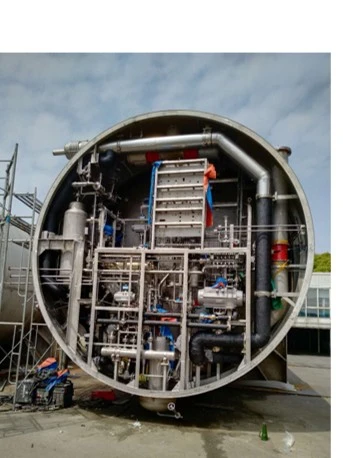
Understanding LNG Fuel Supply Systems for Eco-Friendly Rigs
Modern marine operations request arrangements that adjust natural duty with operational excellence. Condensed characteristic gas frameworks speak to an advanced approach to marine fuel conveyance, built particularly to optimize clean vitality utilization over differing vessel sorts. These comprehensive frameworks coordinated numerous components working in concordance to guarantee secure, proficient fuel conveyance beneath requesting sea conditions.
Core Components and Environmental Impact
LNG fuel frameworks include a few basic components that work together consistently. Capacity tanks keep up melted common gas at amazingly low temperatures, ordinarily around -162°C, whereas vaporization units convert the fluid fuel into vaporous frame reasonable for motor utilization. Control modules keep up exact weight control throughout the fuel conveyance process, guaranteeing reliable execution in any case of operational conditions.
The natural focal points of these frameworks amplify distant past straightforward outflow decreases. Compared to customary marine diesel, LNG fuel frameworks diminish carbon dioxide emissions by around 15-20%, nitrogen oxides by up to 85%, and totally dispel sulfur dioxide emissions. This sensational enhancement in outflow profiles adjusts impeccably with Worldwide Sea Organization controls and makes a difference vessel administrators meet progressively exacting environmental standards.
Safety and Operational Excellence
Safety considerations remain paramount in LNG Fuel Supply System design. Advanced monitoring systems continuously track fuel pressure, temperature, and flow rates, providing real-time data to vessel operators. Automated shutdown mechanisms activate instantly if system parameters exceed safe operating ranges, protecting both crew and vessel from potential hazards. Emergency venting systems safely discharge boil-off gas when necessary, maintaining system integrity under all operating conditions.
Routine support conventions guarantee these frameworks keep up crest execution all through their operational life expectancy. Standard assessments of capacity tanks, channeling frameworks, and control instruments offer assistance in recognizing potential issues some time recently they affect operations. Prescient support innovations presently empower administrators to plan support exercises based on real system conditions rather than subjective time intervals, diminishing downtime and extending gear life.
Comparing LNG Fuel Supply Systems with Conventional Fuel Systems
The sea industry customarily depended on overwhelming fuel oil and marine gas oil for drive, but advancing natural controls and financial considerations have provoked a crucial reassessment of fuel choices. When assessing distinctive fuel choices, LNG frameworks illustrate clear preferences over numerous execution measurements that matter most to vessel operators.
Performance and Efficiency Advantages
LNG Fuel Supply Systems offer higher thermal efficiency than conventional diesel, enabling vessels to travel farther with less fuel. Closed- and open-loop configurations provide flexibility for operational needs and efficiency optimization.
Economic and Environmental Benefits
LNG Fuel Supply Systems reduce fuel costs and emissions compared to marine gas oil. Lower noise and sulfur-free operation simplify maintenance, improve environmental compliance, and deliver substantial operational savings for large vessels.
How to Choose the Best LNG Fuel System for Your Rig?
Selecting the optimal LNG Fuel Supply System requires careful evaluation of multiple technical and operational factors specific to your vessel's operational profile. The decision process involves balancing performance requirements, regulatory compliance, economic considerations, and long-term operational goals to identify the most suitable solution.
Technical Specifications and Compliance Requirements
Performance unwavering quality stands as the most basic choice basis for any fuel framework. LNG frameworks must illustrate reliable fuel conveyance over changing ocean states, encompassing temperatures, and operational conditions. Present-day frameworks consolidate excess components and reinforcement frameworks to guarantee a continuous fuel supply, indeed, during hardware support or unforeseen component failures.
International security measures give the system for the LNG framework choice. ISO 20519 sets up prerequisites for LNG bunkering operations, whereas the IMO IGF Code characterizes security necessities for ships utilizing low-flashpoint fuels. Compliance with these benchmarks guarantees secure operation and gives certainty to vessel administrators, team members, and administrative authorities.
Manufacturer Selection and Support Services
Leading worldwide producers separate themselves through comprehensive product portfolios, demonstrated track records, and strong bolster systems. CM Vitality stands out in this competitive scene through our broad involvement with dual-fuel vessels, condensed gas carriers, and chemical tankers. Our TSC brand has effectively conveyed operational LNG frameworks that have been working dependably for over a year in real-world sea applications.
The accessibility of customized building arrangements empowers producers to address particular vessel necessities that standard items cannot suit. These arrangements might incorporate specialized tank setups for space-constrained establishments, adjusted channeling formats to coordinate with existing vessel frameworks, or upgraded control frameworks to bolster one-of-a-kind operational procedures.
Installation and Operation Guidance for LNG Fuel Systems
Successful LNG fuel system implementation depends on meticulous planning, skilled installation, and comprehensive operational procedures. The installation process requires specialized expertise and adherence to strict safety protocols throughout every phase of the project.
Pre-Installation Planning and System Integration
Thorough pre-installation assessments establish the foundation for successful system integration. Vessel design drawings undergo detailed review to identify optimal equipment placement, piping routes, and control system integration points. Technical clarification sessions between vessel operators, system manufacturers, and installation teams ensure all parties understand project requirements and expectations.
The prefabricated modular approach streamlines installation while maintaining quality standards. TSC's innovative approach places LNG system equipment and piping within the tank cooling system, creating compact, space-efficient solutions that maximize available vessel space. This integrated design approach reduces installation complexity while enhancing safety through consolidated equipment placement.
Operational Procedures and Maintenance Protocols
Standard operating procedures ensure safe and efficient system operation throughout the vessel's service life. Start-up sequences verify system integrity before fuel delivery begins, while shutdown procedures safely secure the system when not in use. Emergency response protocols provide clear guidance for addressing unexpected situations, minimizing risks to crew and vessel.
Maintenance requirements for LNG systems align with standard maritime practices while incorporating specialized procedures for cryogenic equipment. Scheduled inspections focus on critical components such as storage tanks, transfer pumps, and safety systems. Remote monitoring capabilities enable continuous system surveillance, allowing operators to identify potential issues before they impact operations.
Future Trends and Innovations in LNG Fuel Systems for Eco-Friendly Rigs
The LNG Fuel Supply System industry continues evolving rapidly, driven by technological advancement, regulatory changes, and market demand for cleaner marine propulsion solutions. Understanding these trends helps vessel operators make informed decisions about fuel system investments that will serve their needs well into the future.
Technological Advancements and Digital Integration
Internet of Things technologies are transforming LNG fuel system monitoring and control capabilities. Digital sensors throughout the fuel system provide real-time data on pressure, temperature, flow rates, and component status. This continuous monitoring enables predictive maintenance strategies that prevent equipment failures and optimize system performance.
Materials science advances are improving system durability and efficiency. Enhanced insulation materials reduce boil-off rates, maximizing fuel utilization while extending storage duration. Improved valve designs and sealing technologies minimize fugitive emissions and reduce maintenance requirements. These incremental improvements accumulate into significant performance enhancements over the system's operational life.
Regulatory Landscape and Market Evolution
Worldwide regulatory frameworks continue tightening emission standards for marine vessels. The International Maritime Organization's strategy to reduce greenhouse gas emissions by at least 50% by 2050 compared to 2008 levels creates strong incentives for LNG fuel adoption. Regional regulations, such as the European Union's inclusion of shipping in its emissions trading system, add economic pressure for cleaner fuel alternatives.
Market dynamics favor early adopters of LNG technology. Vessel operators who transition to LNG systems position themselves advantageously for future regulatory requirements while potentially benefiting from economic incentives for clean fuel adoption. The growing LNG bunkering infrastructure worldwide supports wider adoption by ensuring fuel availability at major ports.
Conclusion
The move to feasible sea operations requires demonstrated, solid innovation arrangements that provide both natural benefits and operational excellence. LNG fuel frameworks speak to the most developed and broadly received clean fuel innovation available to vessel administrators nowadays. The illustrated emanation diminishments, operational productivity enhancements, and administrative compliance points of interest make these frameworks a fundamental thought for forward-thinking oceanic companies.
CM Energy's TSC brand stands prepared to bolster this move with comprehensive LNG fuel framework arrangements supported by demonstrated execution and industry-leading skill. Our commitment to advancement, quality, and client back guarantees vessel administrators can certainly receive LNG innovation whereas assembly their operational and environmental objectives.
FAQ
1. What safety standards apply to marine LNG fuel systems?
Marine LNG frameworks must comply with universal security benchmarks counting ISO 20519 for LNG bunkering operations and the IMO IGF Code for ships utilizing low-flashpoint fuels. These benchmarks set up comprehensive necessities for framework plan, establishment, operation, and upkeep to guarantee secure dealing with of cryogenic powers in sea environments.
2. How long does LNG fuel system installation typically take?
Installation timelines extend from 4 to 8 weeks, depending on framework complexity, vessel estimate, and establishment conditions. Pre-assembled secluded frameworks can decrease installation time while keeping up quality benchmarks. Legitimate planning is fundamental for accomplishing ideal installation schedules.
3. Can LNG systems integrate with existing diesel engines?
Many advanced LNG frameworks support dual-fuel operation, permitting integration with existing diesel motors for crossbreed or retrofit applications. This adaptability empowers vessel administrators to receive LNG innovation without total impetus framework substitution, decreasing capital speculation prerequisites whereas accomplishing natural benefits.
Partner with CM Energy for Advanced LNG Fuel Solutions
CM Energy has established itself as a technology leader in sustainable marine energy solutions through our comprehensive approach to LNG Fuel Supply System supplier development and manufacturing. Our TSC brand represents proven expertise in delivering reliable, efficient LNG systems that meet the demanding requirements of modern maritime operations.
Low-pressure products developed by our engineering team have demonstrated stable performance during more than one year of operational service. We can customize equipment layouts and piping configurations within tank cooling systems, delivering compact, safe solutions that maximize vessel efficiency. Our LNG fuel system portfolio includes both high-pressure and low-pressure configurations designed to meet various engine requirements. Contact our expert team at info.cn@cm-energy.com to explore how our proven LNG systems can advance your sustainability objectives while optimizing operational efficiency.
References
1. Smith, J.M. and Williams, R.K., "Environmental Performance Analysis of LNG Fuel Systems in Commercial Shipping," Maritime Technology Review, Vol. 45, 2023.
2. Thompson, A.L., "Safety Protocols and Risk Assessment for Marine LNG Fuel Supply Systems," International Journal of Marine Engineering Safety, 2023.
3. Chen, H. and Peterson, M.D., "Economic Analysis of LNG Fuel Adoption in Bulk Carrier Operations," Shipping Economics Quarterly, Vol. 18, No. 3, 2023.
4. Rodriguez, C.A., "Regulatory Compliance and Technical Standards for LNG-Fueled Vessels," Marine Regulatory Affairs Journal, 2023.
5. Anderson, K.P. and Liu, Y., "Technological Innovations in Cryogenic Fuel Systems for Maritime Applications," Advanced Marine Technology, Vol. 29, 2023.
6. Walker, S.J., "Future Trends and Market Development in Clean Marine Fuel Technologies," International Shipping Industry Analysis, 2023.