Wind speed and direction play crucial roles in determining the performance and efficiency of a rigid wing sail system. Unlike traditional soft sails, rigid wing sails utilize advanced aerodynamic principles to harness wind energy more effectively. The three-dimensional wing profile creates optimal lift-to-drag ratios across varying wind conditions, while sophisticated control systems automatically adjust camber and angle of attack to maintain peak performance. Wind direction determines the optimal orientation and configuration of the sail elements, with crosswind conditions typically providing the most efficient thrust generation. Understanding these fundamental relationships enables vessel operators to maximize fuel savings and operational efficiency through proper wind-assisted propulsion deployment.
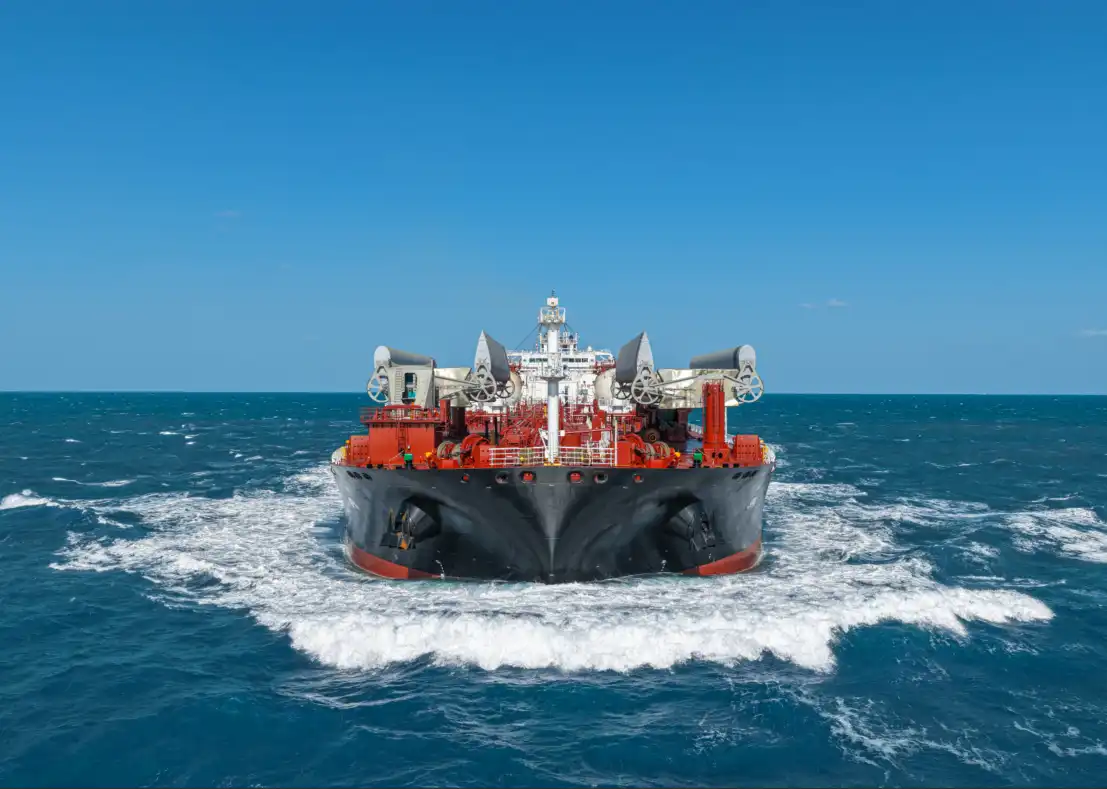
Understanding Rigid Wing Sails and Wind Dynamics
The foundation of wind-assisted propulsion lies in comprehending how rigid wing technology interacts with atmospheric conditions. A rigid wing sail represents a revolutionary departure from conventional sailing solutions, incorporating fixed structural elements that maintain consistent aerodynamic profiles regardless of wind intensity.
Structural Characteristics of Modern Wind-Assisted Propulsion
Rigid Wing Sail systems like WindWings® use three-element steel and composite designs, maintaining airfoil shapes and stability, allowing automated camber and angle adjustments for consistent lift under varying wind loads.
Wind Measurement Standards and Sailing Applications
Rigid Wing Sail performance relies on monitoring apparent wind speed and direction, with automated adjustments to wing orientation and camber ensuring efficient thrust generation across diverse maritime wind conditions.
Aerodynamic Principles in Wind-Assisted Propulsion
Rigid Wing Sail systems maximize wind energy through pressure differentials across wing surfaces, with automated alignment and camber control maintaining optimal lift-to-drag ratios under changing wind scenarios.
Performance Optimization Based on Wind Conditions
Wind speed variations present both opportunities and challenges for wind-assisted propulsion systems. Understanding how to optimize rigid wing performance across different wind speeds enables operators to achieve maximum fuel savings and operational efficiency.
Low Wind Speed Performance Strategies
Rigid Wing Sail systems optimize light wind conditions using precise camber and angle adjustments. Automated software continuously monitors wind, maximizing lift and thrust to maintain fuel savings even during minimal wind scenarios.
High Wind Speed Management and Safety
During strong winds, Rigid Wing Sails reduce sail area automatically, maintaining structural integrity. Tilt mechanisms protect wings, ensuring vessel safety and equipment longevity, outperforming traditional sails under extreme weather conditions.
Wind Direction Impact on Sailing Efficiency
Wing introduction alters to wind heading, optimizing pushed in crosswinds and keeping up impetus proficiency in headwind or tailwind conditions. Progressed directing frameworks enhance fuel reserves while ensuring reliable operational performance.
Comparing Wind-Assisted Solutions Across Different Conditions
The comparison between unbending wing innovation and conventional cruising arrangements uncovers noteworthy execution points of interest over shifting wind conditions. These contrasts ended up especially articulated when assessing operational productivity, upkeep necessities, and long-term fetched implications.
Efficiency Gains Through Advanced Aerodynamics
Rigid Wing Sail systems maintain consistent airfoil shapes, eliminating distortion issues common in traditional sails. This aerodynamic precision ensures measurable fuel savings, operational efficiency, and reduced emissions across diverse wind conditions.
Enhanced Control and Operational Advantages
Automated unbending wing control streamlines operation, evacuating specialized cruising information requirements. Integration with climate steering frameworks permits optimized vessel ways, upgrading operational productivity and maximizing wind-assisted drive benefits.
Cost-Benefit Analysis for Fleet Operations
Rigid wing innovation offers long-term investment funds through tough development, negligible support, and transferable frameworks. Lifecycle fetched investigation illustrates points of interest in establishment, upkeep, fuel lessening, and armada operational flexibility.
Maintenance and Durability Considerations
Material determination and development quality straightforwardly affect wind resistance capabilities and operational life expectancy of unbending wing frameworks. Understanding these components empowers educated acquisition choices and ideal upkeep arranging for supported performance.
Advanced Materials for Marine Environments
Modern inflexible wing development utilizes industrial-grade composites and ship-grade steel particularly chosen for marine environment toughness. These materials give erosion resistance and auxiliary judgment required for expanded operation in challenging maritime conditions.
The combination of E-glass composites and marine-grade power through pressure guarantees steady execution over temperature variations and salt water introduction scenarios. Quality control measures incorporate crude fabric certification from ISO-certified providers and comprehensive testing conventions approved by classification societies.
Inspection and Maintenance Protocols
Routine review methods for inflexible wing frameworks take after set up conventions comparable to other basic vessel gear. The mechanized wellbeing observing capabilities ceaselessly survey framework execution and give early caution pointers for potential support requirements.
Long-term benefit bundles accessible from producers give comprehensive upkeep bolster counting IoT checking capabilities that empower prescient upkeep planning. This proactive approach minimizes unforeseen downtime and guarantees steady fuel-saving execution all through the framework lifecycle.
Warranty Coverage and Technical Support
Classification society certification through DNV, Bureau Veritas, and Lloyd's Enlist gives affirmation of plan compliance and execution guidelines. This certification system underpins the guarantee scope and builds up clear specialized measures for establishment and operation.
The accessibility of comprehensive specialized back systems guarantees responsive help for support questions and operational optimization. Solid provider connections ended up especially profitable for armada administrators overseeing different establishments over assorted operational environments.
Procurement Guidelines for Wind Conditions and Business Requirements
Successful obtainment of wind-assisted impetus frameworks requires cautious investigation of operational wind profiles and natural requests particular to person armada necessities. This assessment guarantees an ideal framework choice and the greatest return on investment.
Defining Purchase Requirements Through Wind Analysis
Rigid Wing Sail procurement begins with evaluating fleet-specific wind profiles, seasonal variations, and vessel constraints, ensuring system compatibility with deck space, cargo handling equipment, and structural integration for optimal performance.
Supplier Qualification and Partnership Evaluation
Supplier assessment emphasizes technical innovation, classification society approvals, and proven Rigid Wing Sail installations, alongside manufacturing quality, raw material standards, and global certification endorsements for reliable, compliant system delivery.
Installation and Support Services
Procurement includes Rigid Wing Sail compatibility checks, factory acceptance testing, installation, and ongoing lifecycle support, with maintenance programs and IoT monitoring ensuring long-term operational efficiency and fleet modernization adaptability.
CM Energy: Advanced Wind-Assisted Propulsion Solutions
CM Energy stands as a technology-driven enterprise committed to pioneering advancements in marine energy solutions. Through the TSC brand, we deliver cutting-edge wind-assisted propulsion systems that maximize sailing performance across diverse operational conditions.
Global Excellence in Marine Technology
Our comprehensive experience in marine equipment manufacturing provides the foundation for delivering world-class wind-assisted propulsion solutions. With proven performance across global shipping operations, CM Energy has established itself as a trusted partner for vessel operators seeking sustainable and efficient propulsion alternatives.
The TSC brand represents our commitment to innovation and quality assurance in wind-assisted propulsion technology. Our global certification from leading classification societies and extensive patent portfolio demonstrate technical leadership and manufacturing excellence in marine energy solutions.
Comprehensive Product Portfolio and Support
Our wind-assisted impetus frameworks consolidate protected innovation and progressed fabricating capabilities to convey ideal execution over changing wind conditions. The computerized control frameworks and modern observing capabilities guarantee steady fuel investment funds and operational efficiency.
CM Energy provides complete lifecycle support from initial consultation through installation and ongoing maintenance. Our technical expertise and global service network enable responsive support for procurement professionals and fleet operators managing complex operational requirements.
The customization capabilities accessible through CM Vitality oblige particular vessel necessities and operational profiles. This adaptability guarantees ideal integration with existing armada operations whereas maximizing wind vitality utilization and fuel investment funds potential.
Conclusion
Wind speed and direction fundamentally determine the performance characteristics and operational efficiency of rigid wing sail systems. The progressed streamlined standards utilized by three-element plans empower steady pushed era over shifting climatic conditions, whereas mechanized control frameworks optimize wing setup for most extreme vitality extraction. Understanding these connections empowers armada administrators to make educated choices with respect to wind-assisted drive usage and operational optimization. The comparison with conventional cruising arrangements illustrates clear preferences in effectiveness, control, and support prerequisites that decipher into considerable long-term operational benefits for commercial shipping applications.
Frequently Asked Questions
1. What wind speeds provide optimal performance for rigid wing sails?
Rigid wing sails demonstrate excellent performance across a wide range of wind speeds, typically from light air conditions through moderate to strong wind scenarios. The automated camber and angle adjustment capabilities ensure optimal thrust generation even during variable wind conditions, maintaining fuel-saving benefits across diverse operational scenarios.
2. How do rigid wing sails handle sudden wind direction changes?
Advanced control frameworks persistently screen clear wind course and consequently alter wing introduction to keep up ideal execution. The computerized arrangement capabilities react to real-time wind information, guaranteeing reliable pushed era in spite of course changes or wind shifts amid typical vessel operations.
3. What maintenance requirements apply to rigid wing installations?
Maintenance methods comparable to deck crane operations guarantee direct benefit necessities without specialized cruising skill. The vigorous development utilizing marine-grade materials gives expanded operational life with scheduled assessment conventions and prescient support capabilities through IoT observing systems.
4. Can rigid wing systems operate safely during extreme weather conditions?
The tilt components empower wings to turn into ensured positions amid serious climate events, guaranteeing vessel security whereas protecting hardware astuteness. This robotized storm administration capability speaks to a critical security advantage over conventional cruising arrangements that may require manual mediation amid challenging conditions.
5. What certification standards apply to commercial rigid wing installations?
Classification society certification through DNV, Bureau Veritas, and Lloyd's Enlist guarantees compliance with universal oceanic security and execution guidelines. These certifications give administrative endorsement for commercial vessel establishments and bolster protections and guarantee scope requirements.
Partner with CM Energy for Advanced Rigid Wing Sail Solutions
CM Energy delivers industry-leading wind-assisted propulsion technology through our TSC brand, providing comprehensive rigid wing sail solutions designed to maximize fuel efficiency and operational performance. Our patented three-element systems incorporate advanced automation and control capabilities that optimize performance across diverse wind conditions and operational scenarios. As a trusted rigid wing sail supplier, we offer complete lifecycle support from initial consultation through installation and ongoing maintenance services. Contact our technical team at info.cn@cm-energy.com to discuss customized wind-assisted propulsion solutions tailored to your fleet requirements and operational objectives.
References
1. International Maritime Organization. "Guidelines for the Development of Ship Energy Efficiency Management Plans." Maritime Safety Committee, 2021.
2. American Bureau of Shipping. "Wind-Assisted Propulsion Systems: Design and Installation Guidelines." ABS Technical Publication, 2022.
3. Society of Naval Architects and Marine Engineers. "Aerodynamic Principles in Modern Ship Design." Marine Technology Journal, Vol. 45, 2023.
4. Classification Society Research Group. "Performance Validation Methods for Wind-Assisted Propulsion Systems." International Maritime Technology Review, 2022.
5. Marine Engineering Institute. "Comparative Analysis of Rigid Wing Sail Performance in Variable Wind Conditions." Naval Architecture Quarterly, Issue 3, 2023.
6. International Association of Classification Societies. "Certification Standards for Wind-Assisted Propulsion Technologies." IACS Technical Standards Manual, 2023.