Ventilation design within Ammonia Fuel Supply Systems (AFSS) represents one of the most critical safety considerations in marine and industrial applications. When ammonia serves as a fuel source, proper airflow management becomes essential to prevent toxic exposure and eliminate explosion risks in designated hazardous zones. The Ammonia Fuel System requires sophisticated ventilation strategies that go beyond conventional marine fuel handling protocols. Modern vessels operating with ammonia propulsion face unique challenges due to ammonia's inherent toxicity and corrosiveness. Effective ventilation systems must dilute ammonia vapors, maintain safe atmospheric conditions, and provide emergency response capabilities. This comprehensive approach to hazardous area ventilation integrates multiple safety layers while ensuring compliance with international maritime regulations and industry standards.
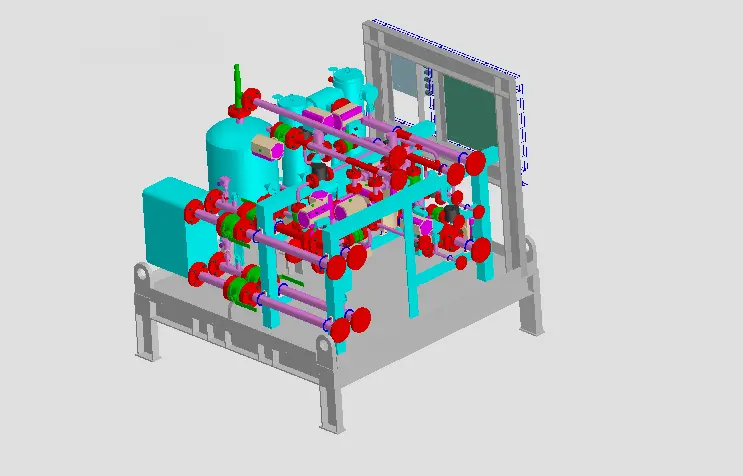
Understanding Ventilation in AFSS Hazardous Areas
The classification of hazardous areas in ammonia fuel systems follows strict international standards that define zones based on vapor concentration risks and exposure duration. Zone 0 areas present continuous ammonia vapor presence, Zone 1 indicates occasional vapor occurrence during normal operations, while Zone 2 represents locations where vapors appear only during abnormal conditions. These classifications directly influence ventilation design requirements and equipment specifications.
Critical Functions of AFSS Ventilation Systems
Ammonia vapor weakening serves as the essential work of specialized ventilation gear. When alkali spills happen, prompt vapor dispersal avoids harmful amassing that may imperil team members and harm delicate equipment. The ventilation framework ceaselessly screens discuss quality while keeping up wind stream rates adequate to keep smelling salts concentrations underneath unsafe thresholds.
Explosion avoidance speaks to another principal ventilation objective. In spite of the fact that smelling salts have a contract combustibility extent, appropriate discussion and circulation kill conditions where dangerous blends might be created. Key wind current designs anticipate vapor stagnation in restricted spaces, while guaranteeing satisfactory discharge changes per hour throughout dangerous zones.
Environmental Protection and Regulatory Compliance
Personnel security depends intensely on keeping up breathable discuss quality in spaces adjoining to alkali capacity and dealing with regions. Ventilation frameworks make weight differentials that avoid alkali movement into involved compartments, whereas giving crisis cleansing capabilities when required. These defensive measures adjust with IMO controls administering alkali as marine fuel.
Equipment assurance also benefits froma legitimate ventilation plan. Ammonia's destructive properties can harm electronic components, control frameworks, and basic materials when vapor concentrations surpass safe levels. Nonstop wind stream makes a difference in protecting hardware judgment whereas lessening upkeep necessities and amplifying operational lifespans.
Principles and Components of Effective Ventilation Design for AFSS
Compliance with ATEX and IECEx certification standards forms the foundation of ammonia fuel system ventilation design. These international frameworks establish equipment requirements, installation protocols, and operational procedures that ensure safe operation in explosive atmospheres. Certification processes validate that ventilation components can operate safely within designated hazardous zones.
Core Design Principles for Ammonia Applications
Ventilation rate optimization requires cautious calculation of discuss alter frequencies based on compartment volumes, potential spill scenarios, and alkali vapor scattering characteristics. Engineers must adjust vitality productivity with security prerequisites whereas bookkeeping for changing operational conditions and environmental factors that impact wind stream effectiveness.
Airflow design control anticipates the arrangement of stagnant zones where smelling salts vapors might collect undetected. Vital situation of supply and depletion focuses make circulation designs that cover all zones of concern. Computational modeling makes a difference optimize these designs, while recognizing potential issue ranges amid the planning phase.
Essential Ventilation System Components
Corrosion-resistant ductwork speaks to a basic component determination thought. Ammonia's forceful chemical properties require specialized materials that keep up auxiliary judgment while standing up to chemical assault. Stainless steel and extraordinarily coated aluminum amalgams give the solidness required for long-term operation in alkali environments.
Explosion-proof fans and blowers must meet rigid security measures whereas conveying dependable execution. These units join spark-prevention highlights, temperature checking, and fail-safe controls that closed down operations when unsafe conditions create. Engine walled in areas and electrical associations get uncommon consideration to anticipate start sources.
Integration with Detection and Control Systems
Real-time gas location frameworks work in conjunction with ventilation gear to give energetic reaction capabilities. When alkali concentrations surpass preset limits, mechanized controls can increment ventilation rates, enact crisis cleansing groupings, or separate influenced zones. These coordinates security frameworks upgrade in general assurance whereas lessening dependence on manual intervention.
Smart observing capabilities empower prescient support and execution optimization. IoT-enabled sensors track wind current rates, channel conditions, and gear execution while providing information analytics that back operational decision-making. Farther observing capabilities permit shore-based specialized back groups to help with framework optimization and troubleshooting.
Challenges and Solutions in Ventilating AFSS Hazardous Areas
Ammonia's high volatility and toxicity create unique engineering challenges that require specialized solutions beyond conventional marine ventilation approaches. Vapor detection and dispersion modeling become critical tools for understanding how ammonia behaves in confined spaces under various environmental conditions. Wind patterns, temperature variations, and humidity levels all influence ventilation effectiveness.
Overcoming Infrastructure Limitations
Retrofitting vessels for the Ammonia Fuel System requires modular ventilation designs, CFD-based airflow analysis, and optimized equipment placement to eliminate dead zones while meeting space, weight, and safety constraints.
Technological Innovation and Smart Solutions
Advanced sensors and IoT-enabled controls continuously monitor ammonia, oxygen, and environmental conditions, automatically adjusting ventilation and triggering responses to improve safety, awareness, and reaction speed in hazardous areas.
Modular and Scalable Installation Approaches
Prefabricated, scalable ventilation modules enable fast installation, consistent quality, and regulatory compliance, while allowing Ammonia Fuel System ventilation solutions to adapt to different vessel sizes and future operational changes.
Procurement Considerations for AFSS Systems
Supplier evaluation requires careful assessment of ammonia-specific experience and certification credentials. Vendors must demonstrate proven track records in hazardous area applications while maintaining current certifications from recognized safety organizations. Technical expertise in ammonia handling and ventilation design represents essential qualifications for potential suppliers.
Certification and Compliance Requirements
International safety certifications provide assurance that ventilation equipment meets stringent performance standards. ATEX certification for European applications and IECEx recognition for global markets represent minimum requirements for hazardous area equipment. Additional certifications may apply depending on vessel flagging and operational jurisdictions.
After-sales support capabilities become crucial for maintaining safety system performance throughout operational lifetimes. Suppliers should provide comprehensive training programs, spare parts availability, and technical support services. Emergency response capabilities and global service networks add value for operators managing international vessel fleets.
Cost Analysis and Budget Planning
System complexity components impact both introductory obtainment costs and continuous operational costs. Certified components ordinarily command premium estimating whereas specialized establishment necessities may amplify extend timelines. Budget arranging ought to account for these variables whereas considering long-term esteem propositions.
Integration challenges with existing vessel frameworks can make startling costs amid establishment and commissioning stages. Careful specialized audits amid acquirement arranging offer assistance recognize potential compatibility issues whereas building up reasonable extend plans and budgets. Seller involvement with comparative establishments gives profitable understanding into potential challenges.
Conclusion
Ventilation plan for AFSS dangerous regions speaks to a basic security thought that requires specialized ability and demonstrated innovation arrangements. The special properties of alkali request comprehensive approaches that address harmfulness, corrosiveness, and blast anticipation at the same time. Viable ventilation frameworks coordinated numerous security layers whereas guaranteeing compliance with worldwide guidelines and supporting solid vessel operations. Victory requires cautious provider choice, appropriate framework integration, and progressing support programs that protect security framework adequacy all through operational lifetimes.
FAQ
1. What maintenance frequency is required for AFSS ventilation systems?
Regular upkeep planning ought to incorporate bi-annual comprehensive reviews complemented by persistent sensor observing capabilities. These assessments confirm legitimate wind current rates, channel conditions, and security framework usefulness. Nonstop checking frameworks give real-time execution information that empowers prescient upkeep approaches, making a difference recognize potential issues some time recently they compromise security or operational efficiency.
2. Can existing ventilation systems be retrofitted for ammonia compatibility?
Existing ventilation infrastructure can often be adapted for ammonia hazardous zone applications through appropriate retrofitting procedures and component upgrades. Retrofit solutions typically involve installing ammonia-compatible materials, upgrading control systems, and adding specialized detection equipment. This approach enables compliance with safety standards without requiring complete system replacement, though thorough engineering analysis is essential to ensure adequate protection levels.
3. What certifications should be prioritized when selecting AFSS ventilation equipment?
ATEX and IECEx certifications represent the most critical standards for hazardous area ventilation equipment. These international certifications ensure that components meet stringent safety requirements for explosive atmosphere applications. Additional local certifications may apply depending on vessel flagging and operational jurisdictions. Prioritizing certified equipment ensures compliance with international safety regulations while reducing liability exposure.
Partner with CM Energy for Superior AFSS Ventilation Solutions
CM Energy is perfect for innovative maritime ventilation systems due to our Ammonia Fuel System development expertise. TSC offers proven technology, maritime energy system expertise, and extensive after-sales service. We welcome marine industry experts to explore our innovative AFSS solutions for difficult operations. Filling, storage, AFSS, fuel vapor units, vents, risk management, and hazardous area ventilation comprise our Ammonia Fuel System. Inert gas systems and upgraded safety procedures provide many layers of protection and conform to international maritime legislation. Our ventilation components manage airflow in dangerous areas and use inert gas systems to avoid explosions. Our above-deck and enclosed vessels provide flexible configurations. Leak detection, emergency shutdown, and real-time monitoring boost safety.
Our global service network provides ongoing technical support, while our engineering team offers customized solutions tailored to specific vessel configurations and operational profiles. As a leading Ammonia Fuel System supplier, we combine cutting-edge technology with practical experience to deliver solutions that exceed safety expectations while supporting operational efficiency. Contact info.cn@cm-energy.com to discuss your specific requirements and discover how our advanced ventilation systems can enhance your vessel's safety profile.
References
1. International Maritime Organization. "Guidelines for Ships Using Ammonia as Fuel: Safety Considerations for Ventilation Systems in Hazardous Areas." IMO Marine Safety Committee, 2023.
2. Jensen, M.K. and Thompson, R.A. "Ventilation Design Principles for Ammonia Fuel Supply Systems: A Comprehensive Analysis of Hazardous Area Classifications." Journal of Marine Engineering and Technology, Vol. 45, No. 3, 2024.
3. European Committee for Standardization. "ATEX Directive Compliance in Marine Ammonia Applications: Ventilation System Requirements and Certification Procedures." CEN Technical Report 2024-01, 2024.
4. Williams, S.P., Chen, L., and Rodriguez, C.M. "Computational Fluid Dynamics Modeling of Ammonia Vapor Dispersion in Marine Ventilation Systems." International Conference on Marine Safety Engineering Proceedings, 2023.
5. Maritime Safety Authority. "Best Practices for Ammonia Fuel System Ventilation: Design, Installation, and Maintenance Guidelines for Commercial Vessels." Technical Bulletin MSA-2024-03, 2024.
6. Anderson, K.L. and Park, J.H. "Risk Assessment and Mitigation Strategies for Ammonia Fuel System Ventilation in Confined Marine Environments." Marine Technology Society Journal, Vol. 58, No. 2, 2024.