Slew-bearing Crane-wire Rope Luffing Crane Guide for Offshore
The Slew-bearing Crane-wire Rope Luffing Crane is the most trusted option for offshore activities that need accuracy, dependability, and consistent performance in the roughest marine environments. This detailed guide looks at how these high-tech lifting systems are changing the way offshore wind farms are installed, how FPSOs work, and how heavy-duty marine uses are used. Because they use advanced slew-bearing technology and strong wire rope systems, these cranes can handle huge loads with ease and stay stable even in rough sea conditions, which is why they are essential for modern offshore projects.
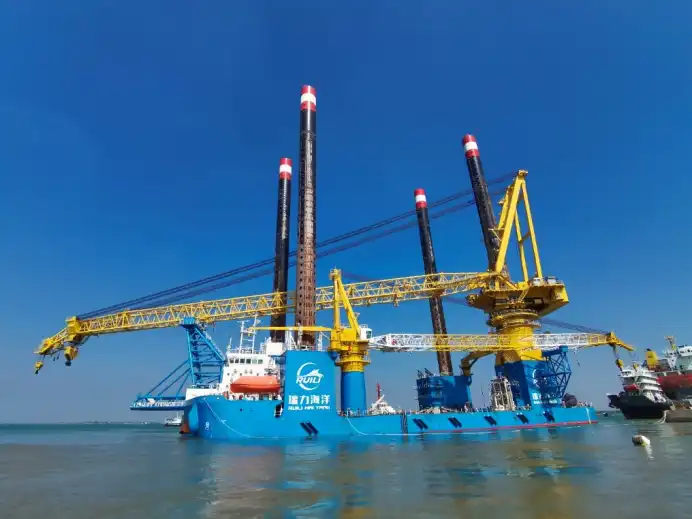
Understanding Slew Bearings in Offshore Luffing Cranes
Any marine luffing crane system that works well depends on its slew bearing technology. This is because it connects the parts that don't move with the parts that do. Unlike regular spinning bearings, slew bearings used offshore have to be able to handle huge loads while still being able to precisely control rotation in rough sea conditions.
The Critical Role of Slew Bearings in Marine Operations
Slew heading are basic to seaward crane operations, permitting 360° turn whereas holding overwhelming loads. TSC plans these components to stand up to erosion and convey loads superior than standard orientation. In marine situations with salt shower and dampness, bearing unwavering quality specifically impacts extend victory. Cutting edge slew orientation highlight moved forward fixing and grease frameworks for steady execution beneath unforgiving conditions.
Ball Bearing Versus Roller Bearing Technologies
Ball orientation offer smooth revolution with moo contact, perfect for exact situating beneath direct loads. Roller heading handle heavier loads with bigger contact zones, making them reasonable for lifting wind turbine components or FPSO deck operations. TSC makes a difference administrators select between these sorts based on stack cycles, natural presentation, and long-term unwavering quality needs.
OEM Versus Aftermarket Bearing Selection
OEM orientation come with full guarantees and certified compatibility for Slew-bearing Crane-wire Rope Luffing Crane, experiencing thorough testing particular to crane plan parameters. Aftermarket choices may diminish costs and lead times but require cautious quality confirmation. TSC suggests assessing introductory speculation against add up to proprietorship costs, counting benefit life, support needs, and potential downtime expenses.
Wire Rope Essentials for Offshore Luffing Cranes
Wire rope systems give offshore luffing cranes their mechanical edge and operating freedom, which makes them very useful in marine settings. In harsh offshore settings, wire rope technology is better than other pulling methods because it has a higher strength-to-weight ratio and is naturally flexible.
Advantages of Wire Rope in Marine Environments
Wire rope frameworks give mechanical advantage and operational adaptability in marine situations. TSC utilizes the wire rope's tall strength-to-weight proportion and characteristic adaptability over chain frameworks. The multi-strand plan disperses loads equally, giving strength against disastrous disappointment. Visual review capability permits proactive support, decreasing unforeseen downtime in seaward operations.
Material Specifications and Construction Options
Modern seaward wire rope employments high-strength steel combinations planned for marine situations. TSC chooses galvanized or stainless steel choices based on erosion assurance necessities. Development changes by stack needs, with free wire rope center giving the greatest adaptability and stun assimilation. Distance across, lay designs, and strand arrangements must coordinate crane specifications.
Inspection and Maintenance Practices
Systematic assessment schedules guarantee wire rope unwavering quality all through seaward benefit life. TSC suggests visual checks for surface imperfections and broken wires, also attractive molecule testing for inner condition. Normal oil plans anticipate inner erosion and keep up adaptability. Industry-standard substitution variables direct substitution timing, adjusting security against operational costs.
Common Issues and Maintenance of Slew Bearings and Wire Ropes
Offshore settings have their own problems that speed up wear patterns and make certain types of failures more likely in crane parts. Knowing about these problems lets you plan repairs ahead of time, which stops costly downtime and safety events.
Typical Wear Patterns and Diagnostic Insights
Offshore situations quicken wear designs counting raceway corruption, seal disappointment, and oil defilement. **TSC** employments warm imaging and vibration examination for early issue discovery. Wire rope wear happens from sheave grinding and corrosion-related harm. Root cause examination guides preventive support methodologies, amplifying component life whereas minimizing unforeseen failures.
Environmental Impact Factors
Saltwater presentation quickens erosion and decreases grease adequacy. Temperature changes stretch fixing frameworks and permit contaminant entrance. **TSC** plans for wind stacking and ice arrangement conditions that surpass ordinary working limits. UV radiation corrupts rope coatings. Penetrating liquids and cargo buildups can chemically assault grease frameworks, requiring improved defensive measures.
Preventive Maintenance Strategies
Comprehensive upkeep programs utilize condition-based planning with sensor information to optimize intercession timing whereas keeping up security. **TSC** indicates marine-grade oils with prevalent erosion assurance. Programmed oil frameworks guarantee reliable conveyance whereas decreasing support labor. Key stock administration keeps basic components accessible whereas minimizing costs, avoiding unforeseen failures.
Procurement Guide: Buying Slew Bearings and Wire Ropes for Offshore Luffing Cranes
To successfully buy offshore crane parts, you need to carefully consider technical specs, the supplier's skills, and the total cost of ownership. Because overseas activities are so complicated, they need parts that work reliably over long periods of time.
Essential Evaluation Criteria
Specifications for load capacity must match the needs of how the crane is used while leaving enough room for error for situations where the load changes. Environmental grades make sure that parts can handle certain conditions, like high or low temperatures, corrosion, and levels of pollution. Following international standards and the rules set by classification societies makes sure that regulations are accepted in all global markets.
When evaluating a supplier, you should look at their professional skills, quality processes, and service support infrastructure. Manufacturers with a history of working offshore know the specific needs of naval uses and can offer custom solutions. Having quality standards and the ability to test products shows that you are committed to making sure they always work well.
When buying things from outside the country, delivery times are very important because of weather windows and project plans. Suppliers with global transport networks and fast delivery choices give businesses the freedom to avoid costly project delays.
Brand Benchmarking and Quality Considerations
Well-known bearing makers have created special lines of products for use in offshore environments, with better closing systems and materials that don't rust. Most of the time, these companies offer full technical help and application building services that go beyond the value of the part itself. Their world service networks make it possible for them to help with upkeep and respond to emergencies, which are very important for offshore operations.
Wire rope makers also make products that are specifically made for Slew-bearing Crane-wire Rope Luffing Crane naval use, like goods that are more resistant to corrosion and have different ways of being put together. Sources of raw materials, manufacturing methods, and testing routines that make sure consistent performance are all things that affect quality. Manufacturers who have worked in the maritime business know what the practical needs are and can suggest the best specs for each application.
To find the right mix between starting costs and total ownership costs, you need to carefully look at how long parts are expected to last, how much upkeep they need, and how well they work. Premium parts usually explain their higher starting costs by lasting longer and needing less maintenance.
Sourcing Channels and Supplier Relationships
Authorized distributors give expert help and warranty covering along with direct access to OEM parts. These partnerships make sure that legitimate parts are used and that customers get full service support throughout the span of the product. Regional wholesalers can often help with ongoing operations by providing faster shipping and expert support that is more relevant to the area.
When you buy in bulk or have special needs, working directly with the maker can be helpful. These connections allow people to work together to create customized solutions and better price plans. Direct sourcing also gives you access to expert tools and engineering support that can help you get the most out of your components.
Buying in bulk can lower the cost per unit while still making sure that parts are available for planned repair tasks. Strategic relationships with suppliers can give you more than just the parts you need. They can also help you handle your supplies and fix problems with your computers. These connections are especially useful in faraway ocean areas where getting parts quickly is important.
Enhancing Operational Efficiency and Safety Offshore
Modern offshore operations need to be as safe and efficient as possible, which means they need to use advanced repair strategies and operating methods. The Slew-bearing Crane-wire Rope Luffing Crane systems that TSC designs use cutting edge technologies that make servicing more accurate and safety tracking better.
Digital Monitoring and Predictive Maintenance Technologies
Crane systems have advanced sensor networks built in that keep an eye on important factors like bearing temperature, shaking levels, and rope tension in real time. This constant tracking lets problems be found early, before they affect activities or put safety at risk. Data analytics systems use this data to guess what repair will be needed and make the best use of operating schedules.
IoT connection lets technical teams on land back operations that are taking place offshore by watching them from afar. Because of this connection, remote sites don't need as many specialized technical staff, but they still have access to expert help when it's needed. With remote diagnostics, problems can be found and suggested answers can be given without having to go to the site.
Predictive maintenance algorithms look at past data and present working conditions to figure out when the best time is to do maintenance. To keep operations running as smoothly as possible, these systems take into account weather windows, operating plans, and component lead times. Combining practical scheduling with repair planning makes sure that equipment is always available and that safety standards are met.
Training and Team Development
For Slew-bearing Crane-wire Rope Luffing Crane systems to work well, they need special training programs that cover both basic information and safety rules. TSC offers thorough training that includes operational methods, upkeep steps, and ways to fix problems. This training makes sure that workers can get the most out of their tools while still following safety rules.
Cross-training programs help teams become more flexible, which is important for working in foreign settings that are always changing. Members of the team who are trained in more than one system can adapt to changing business needs and provide backup when staff changes happen. This freedom is especially helpful in faraway offshore places where it might not be possible to get expert help right away.
Teams stay up to date on new technologies and changing best practices through ongoing education programs. Teams can use new features and stay proficient with changing technologies if they get regular training changes. Documentation and knowledge management tools help keep institutional knowledge safe and make it easier for people to share that knowledge.
Future Technology Trends
New discoveries in material science keep making remote parts work better and last longer. New coating and alloy technologies make things more resistant to corrosion and improve their mechanical qualities, which makes them last longer in tough sea settings. These improvements make it possible for repair to happen less often and make important offshore activities more reliable.
Smart component designs include built-in monitors and connection features that let you keep a close eye on performance and send automatic reports. These technologies allow maintenance to be scheduled automatically and failures to be found before they happen, which can stop unexpected downtime. By connecting to central monitoring tools, fleet control software can do a lot more.
Automation technologies are changing to improve operating skills while lowering the amount of work that humans have to do in difficult offshore settings. Modern control systems can make lifting activities more efficient based on the state of the sea and the type of load. In harsh marine settings, these devices make things safer and more efficient at the same time.
Conclusion
The Slew-bearing Crane-wire Rope Luffing Crane is an important piece of technology for current offshore work because it is reliable and performs well in tough sea environments. By giving careful thought to the specs of the parts, how to keep them in good shape, and how to use them, these systems are a great value for big maritime lifting, offshore wind projects, and FPSO operations. To be successful, you need to choose high-quality parts, set up thorough repair plans, and work with providers who have experience and understand the challenges of doing business abroad. As technology keeps getting better, these crane systems will become even more important for developing offshore energy and for marine activities around the world.
FAQ
1. What is the typical lifespan of slew bearings under offshore conditions?
When used abroad, high-quality slew bearings usually last between 10 and 15 years if they are well taken care of and used within their design limits. Environmental factors like salt exposure, extreme temperatures, and working job cycles have a big effect on how long bearings last. Regularly checking the state and lubricating things can make them last longer and keep them from breaking down when they're least expected.
2. How often should wire ropes be inspected in marine environments?
In offshore settings, wire ropes should be inspected once a month during busy activities, and they should be inspected in more detail every three months. Visual checks can find flaws and broken wires on the outside, while magnetic particle inspections can tell you about the state of the rope inside. Depending on the level of exposure and the level of operation, harsh marine settings may need more frequent checks.
3. What distinguishes OEM bearings from aftermarket alternatives?
OEM bearings are certified to work with crane systems and come with a full warranty from the original maker. They go through certain testing processes and quality assurance steps that make sure they work well with crane parts. Aftermarket bearings can save you money, but you need to carefully check the specs and quality standards to make sure they work well.
Partner with CM Energy for Superior Offshore Crane Solutions
We at CM Energy are ready to help your offshore operations with our wide range of Slew-bearing Crane-wire Rope Luffing Crane solutions and technical know-how. Our TSC brand is the result of decades of technical success in marine applications. It is backed by a global service network that makes sure you can get reliable help no matter where your work takes you. We know how to deal with the unique challenges of marine environments and deliver solutions that go above and beyond what is expected. We have over 350 deck cranes in use around the world and a track record of success in offshore applications. Get in touch with our technical team at info.cn@cm-energy.com to talk about your unique needs and find out how our slew-bearing crane-wire rope luffing crane manufacturer services can help your offshore activities. Let us help you achieve operating success by giving you reliable, cost-effective crane systems that are made for the tough conditions offshore.
References
1. Marine Technology Society. "Offshore Crane Systems Design and Operation Standards for Deep Water Applications." Journal of Marine Technology Engineering, Vol. 45, 2023.
2. International Association of Classification Societies. "Guidelines for Wire Rope Systems in Offshore Crane Applications." IACS Technical Manual, 2024.
3. Offshore Engineers Association. "Slew Bearing Technology in Marine Lifting Equipment: Performance Analysis and Maintenance Strategies." Offshore Engineering Quarterly, Issue 3, 2023.
4. American Petroleum Institute. "Recommended Practices for Offshore Crane Operations and Component Specifications." API Standard 2C, Revised Edition, 2024.
5. DNV Maritime Research Institute. "Environmental Impact Assessment of Offshore Crane Components in Harsh Marine Conditions." Maritime Technology Review, Volume 28, 2023.
6. International Marine Contractors Association. "Best Practices for Wire Rope Selection and Maintenance in Offshore Applications." IMCA Technical Bulletin, 2024.