How WAPS Improves Vessel Energy Efficiency and CO2 Reduction
Wind-Assisted Propulsion Systems are a completely new way to cut down on fuel use and pollution in current maritime activities. WAPS lets ships use advanced stiff sail technology to harness natural wind energy. This cuts down on running costs by a large amount while still meeting stricter environmental rules. This tested technology has been shown to save fuel and lower carbon emissions on a wide range of ships, from chemical tankers to bulk carriers. This makes it an important option for shipowners, operators, and builders who want to make shipping more sustainable and successful.
Understanding WAPS Technology and Its Role in Vessel Energy Management
The Evolution of Wind-Assisted Maritime Propulsion
The marine industry has found wind energy again, but not through old-fashioned cloth sails. Instead, they have used advanced engineering to turn aerodynamic principles into real improvements in efficiency. Modern Wind-Assisted Propulsion Systems use computerized fluid dynamics, high-tech materials, and computerized systems to get energy from the wind without affecting the safety or function of goods.
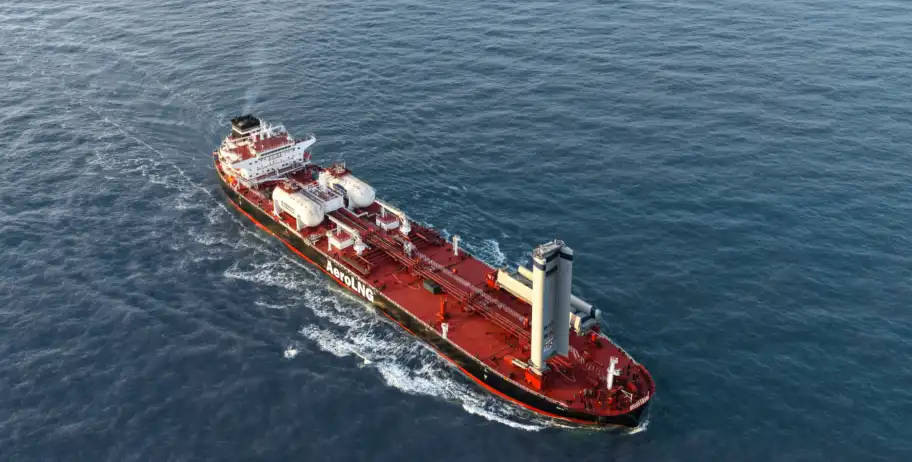
We at CM Energy have teamed up with top developers to bring WindWings® technology to markets around the world. This three-element rigid sail device from BAR Technologies is the best wind power technology ever made. In contrast to regular sails, WindWings® have fully changeable camber and angle of attack, which means that the system can always be at its most aerodynamic during a journey.
How Wind-Assisted Propulsion Systems Function
Wind-Assisted Propulsion Systems move things forward by causing aerodynamic lift, which is like the lift that aeroplane wings do, but is oriented vertically. WindWings®' three-element design makes more than 2.5 times as much lift as standard single-wing designs, which makes them much more efficient. These rigid wings are made from ship-grade steel and industrial composites. They can survive brutal sea conditions and keep their structural integrity for decades.
The system's automatic control algorithms are always checking the wind speed, direction, and wind variables to change the form and orientation of the wings. This real-time optimization makes sure that the most power is generated in all kinds of weather and along all kinds of sailing routes. Adding weather planning software made just for Wind-Assisted ships improves performance even more by letting teams on land and on board plan routes that take advantage of the wind the most.
Integration with Modern Vessel Systems
Wind-Assisted Propulsion Systems WAPS don't work by themselves. They work with the ship's control tools that are already in place and give real-time information on thrust performance and fuel savings. The wing control and safety system has automated health tracking with the option to override it manually. This makes sure that the team has full control over all operations. This mixed method combines the benefits of technology with the knowledge of humans, making processes safer and more efficient.
Challenges in Traditional Vessel Energy Systems and Limitations Without WAPS
Rising Fuel Costs and Regulatory Pressure
Changing fuel prices and stricter environmental rules are making things harder for ship owners. The International Maritime Organization's (IMO) Carbon Intensity Indicator (CII) rules say that shipping companies must show that their emissions have gone down from one year to the next, or else they will have to limit their operations. Traditional movement depends on fossil fuels, which makes operators subject to changes in prices and fines from the government.
Chemical tankers, Newcastlemax bulk ships, and LR2 tankers use a lot of fuel when they cross the ocean for long periods of time. Without extra power, these ships can't do much to cut down on fuel use besides slow steaming, which affects their ability to stick to schedules and compete in the market.
Operational Inefficiencies in Conventional Propulsion
Conventional naval diesel engines have efficiency rates that don't change much. Modern engines are very good at converting heat into work, but they can't adapt to good weather like favourable winds. This is possible energy that is being lost, but WAPS can effectively use it.
Ferry and shore vessel owners who run short trips have a lot of problems. Making a lot of port calls and manoeuvring uses a lot of fuel, which hurts the ship's profits. Because they can't use green energy sources during transit segments, these owners still have to buy all of their fuel.
Barriers to Retrofit and Innovation
Many ship owners know that emissions need to go down, but they don't know how to make it happen. Retrofit options can't get in the way of moving goods, need too many changes, or require too much money to be spent. Traditional ways to save energy, like optimizing the hull and upgrading the propellers, don't work as well as they used to. This is why shipowners are looking for new technologies that make a big, measurable difference.
How WAPS Enhances Vessel Energy Efficiency and Limits CO2 Emissions
Quantifiable Fuel Savings Across Vessel Types
Wind-Assisted Propulsion Systems save a lot of fuel, which directly lowers the cost of doing business. Another independent test by DNV shows that ships with WindWings® can save up to 30% on fuel, though this depends on the route and the wind conditions. It is possible for each wing to save more than 1.5 tonnes of fuel every day, which equals more than 5 tonnes of CO2 every day.
These numbers come from real performance data from ships that are actually in use, not from guesses. Bulk carriers with Wind-Assisted Propulsion Systems have made trips to more than twenty major ports around the world, showing that they are reliable in a wide range of working situations and port infrastructures.
Real-Time Performance Optimization
Wind-Assisted Propulsion Systems have complex control systems that are always improving efficiency. Specialized software figures out the best way to align the wings and shape the cambers based on the current conditions. It then automatically changes the design to get the most power. This dynamic optimization makes the system work well in all wind speeds and directions that are likely to be experienced on a normal voyage.
Weather routing tools made just for Wind-Assisted ships let operators choose routes that harvest the most green energy without messing up their schedules. The web-based interface makes it easy for both operations teams on land and crew members on board to view and make decisions together, which speeds up the whole trip.
Carbon Reduction and CII Compliance
Many vessel owners find it impossible to meet the standards for Carbon Intensity Indicators. CII goals can be met and surpassed with the help of Wind-Assisted Propulsion Systems. Wind propulsion directly raises CII ratings because it reduces CO2 levels by a large amount. This lets ships escape practical limits while showing environmental leadership.
Commercial shipping companies that run bulk carriers, tankers, and Ro-Ro ships find that Wind-Assisted Propulsion Systems help them meet multiple goals at once: lowering fuel costs, following rules, and showing that their company is environmentally friendly. This multifaceted value offer makes investing in wind power a more appealing idea.
Operational Flexibility and Safety
The engineering behind current Wind-Assisted Propulsion Systems takes into account how business ships actually work. When installed on bulk carriers, WindWings® wings are placed carefully between the cargo holds. This way, they don't affect the working of the hatch covers or the equipment used to move the goods. The new tilt system lets the wings rotate into a "laydown" position, which keeps them safe from machines on the deck while the cargo is being moved.
WAPS can be set up above or below deck, so they can be used with a variety of vessel shapes and conditions. This adaptability includes retrofitting, where careful compatibility analysis makes sure that new systems can work with old ones without affecting their usefulness.
Comparing WAPS with Other Network Solutions in Maritime Settings
Installation and Maintenance Considerations
When looking at different technologies to improve power, the total cost of ownership is affected by how hard they are to install and how much upkeep they need over time. Systems that use wind to move things along have pretty easy startup steps. Factory acceptance testing makes sure the system is ready before it is sent out, and ship installation follows steps that have been used successfully on other projects.
Maintenance needs are still pretty low. The tasks are similar to operating deck cranes and don't require any special seamanship skills above and beyond what is normally expected at sea. Long-term service deals let owners know how much maintenance will cost and give them expert help for as long as the system is up and running.
Scalability and Performance Consistency
Wind-Assisted Propulsion Systems work well for all kinds and types of boats. From twenty meters to almost forty meters in aerodynamic span, WindWings® types can fit everything from coastal ferries to big bulk ships and tankers. This flexibility lets shipowners set up the right number of systems based on the type of ship and its route.
Quality Wind-Assisted Propulsion Systems are different from other technologies because they perform consistently in a wide range of circumstances. Marine-grade hydraulics and long-lasting control parts are used to make the building strong so that it can work reliably in harsh settings and bad weather.
Certification and Risk Mitigation
Classification society approval is an important way for marine projects that require a lot of money to reduce risk. The safest, most reliable, and best-performing Wind-Assisted Propulsion Systems are certified by DNV, Lloyd's Register, Bureau Veritas, and the China Classification Society. These certificates show that the system has been carefully reviewed and approved by engineers, which gives users faith in its integrity.
Modern Wind-Assisted Propulsion Systems are built to last longer, which lowers investment risk even more. Long-term worth is created by a design life of twenty-five years without replacing major parts. Systems that can be moved from one ship to another add freedom by letting workers move equipment around as the fleet changes.
Procurement Considerations for WAPS in Vessel Projects
Evaluating Technology Providers and Solutions
When choosing a Wind-Assisted Propulsion Systems provider, you need to carefully look at their technical skills, knowledge in the field, and help infrastructure. CM Energy's TSC brand provides all-around answers backed by years of experience with marine tools. With a world footprint in marine energy solutions and a lot of experience with deck cranes and platform equipment, we can offer Wind-Assisted Propulsion Systems with confidence.
Through a partnership with BAR Technologies, you can get access to cutting-edge aircraft engineering. The Wolfson Unit and other well-known fluid dynamics institutions have confirmed that the WindWings® technology works. This mix of great planning and manufacturing skills leads to the best results for vessel owners and users.
Customization for Newbuild and Retrofit Applications
WAPS must work with the unique features of each vessel without any problems. Early-stage integration helps newbuild builders and design firms make important decisions about how to create ships with Wind-Assisted Propulsion Systems. This method finds the best arrangement, structure integration, and system size right from the start.
To make sure that retrofit uses work well with current vessel systems, they need to be carefully analysed for compatibility. When CM Energy does a review, they look at the structure's strength, the plan of the deck, and the needs of the business to come up with custom retrofit solutions. This customized method makes sure that Wind-Assisted Propulsion Systems work as planned without affecting how the vessel works.
Lifecycle Support and ROI Optimization
Comprehensive lifetime support is a big part of how financially appealing Wind-Assisted Propulsion Systems are. At CM Energy, we take care of everything, from the original compatibility study to installation, commissioning, and continued upkeep. IoT monitoring lets you plan ahead for repair, which cuts down on downtime and raises system performance.
Ferry and seaside craft owners like getting their money back quickly the most. Wind-Assisted Propulsion Systems can pay for themselves in as little as five years, making them a good investment for businesses that want to make money and be environmentally friendly. Saving money on fuel, lowering fines for pollution, and improving CII scores all work together to make a strong financial case.
Quality Assurance and Material Sourcing
Reliability in Wind-Assisted Propulsion Systems is based on quality control. Raw material approval from ISO-certified sources makes sure that the quality of the parts starts from the very beginning. Classification society certification is an independent check of the quality of the product and the production process. These stacked quality assurance methods protect the money spent on purchases and make sure that operations run smoothly.
TSC's dedication to excellence in making marine tools is shown by the open quality control methods we use. Our years of experience working with tough marine applications help us set strict standards that give users trust in the long-term performance of their systems.
Conclusion
WAPS are a huge chance for marine owners who want to cut down on fuel costs, meet emissions standards, and show they care about the environment. The tested technology has big, observable benefits for a wide range of ship types and working conditions. Wind-Assisted Propulsion Systems should be carefully thought through when planning a fleet or investing in a new vessel because they have been fully certified, have been shown to be reliable, and have strong financial returns. As rules get stricter and fuel prices stay unstable, wind power will continue to grow in strategic value. Early users will be able to gain a competitive edge in an industry that is becoming more focused on sustainability.
FAQ
1. How do Wind-Assisted Propulsion Systems perform in varying weather conditions?
Wind-Assisted Propulsion Systems work best in a variety of weather conditions thanks to their advanced control systems. Automated programs change the shape of the wings based on the current conditions, keeping the plane's efficiency even when the wind speed changes. When the weather is bad, the wings spin to lay down positions, which keeps the birds safe without any help from a person. This operating freedom means that it can still be used effectively in most maritime weather patterns.
2. What vessel types benefit most from Wind-Assisted Propulsion Systems?
Wind-Assisted Propulsion Systems work best for bulk carriers, tanks, and business cargo ships that travel long distances. During long ocean voyages, these types of ships use a lot of fuel, which means that big savings possibilities exist. Ferry and coastal vessel companies also gain, especially on lines where the wind blows in a good direction. Compatibility analysis figures out the best way to use a system for a certain set of operations.
3. How does installation impact vessel operations and schedules?
Professional planning of the installation minimizes the impact on operations. Drydock times are great for installations because they let you plan the merging of Wind-Assisted Propulsion Systems with regular maintenance. Full pre-installation planning makes sure that the job is done well. Installation teams with a lot of experience finish projects on time, so ships can get back to work without any long delays.
Partner with CM Energy for Advanced Wind-Assisted Propulsion Systems
Through our TSC name, CM Energy offers the best Wind-Assisted Propulsion Systems on the market. These systems change how much a ship costs and how well it treats the environment. Through our relationship with BAR Technologies, we can offer shipowners all over the world WindWings® certified technology, along with full lifecycle support and proven marine engineering experience. Our team can help you with options that are tailored to your needs, whether you run chemical tankers, Newcastlemax bulk carriers, LR2 tankers, or coastal boats. As a WAPS provider with a lot of experience, we can help with the design of both new buildings and carefully planned upgrades for teams that are already in use. Talk to our team at info.cn@cm-energy.com about how Wind-Assisted Propulsion Systems can help you save money on fuel, meet CII requirements, and set up your fleet for long-term success.
References
1. International Maritime Organization. (2023). "Carbon Intensity Indicator Requirements and Implementation Guidelines for Shipping Operations."
2. Woodyard, D. (2022). "Wind-Assisted Propulsion: Engineering Principles and Performance Validation in Modern Commercial Shipping." Maritime Engineering Journal.
3. Lloyd's Register. (2023). "Certification Standards for Mechanical Wind Propulsion Systems in Commercial Maritime Applications."
4. Bureau Veritas. (2023). "Alternative Propulsion Technologies: Classification Requirements and Design Approval Processes for Rigid Sail Systems."
5. DNV. (2024). "Fuel Efficiency Technologies for Bulk Carriers and Tankers: Performance Validation and Operational Data Analysis."
6. BAR Technologies & Wolfson Unit. (2022). "Aerodynamic Performance Analysis of Multi-Element Rigid Wing Propulsion Systems: Computational and Experimental Validation."