How AHC Crane Improves Offshore Lifting Precision?
AHC Crane technology changes the accuracy of offshore lifts by actively counteracting vessel movement with real-time heave correction. Using high-tech sensors and control algorithms, this advanced system can detect and stop the vertical movement caused by waves, keeping loads stable even when the sea is rough. This has greatly improved operational accuracy, lowered safety risks, and increased operational weather windows for important offshore projects in many fields, from installing wind turbines to performing underwater operations.
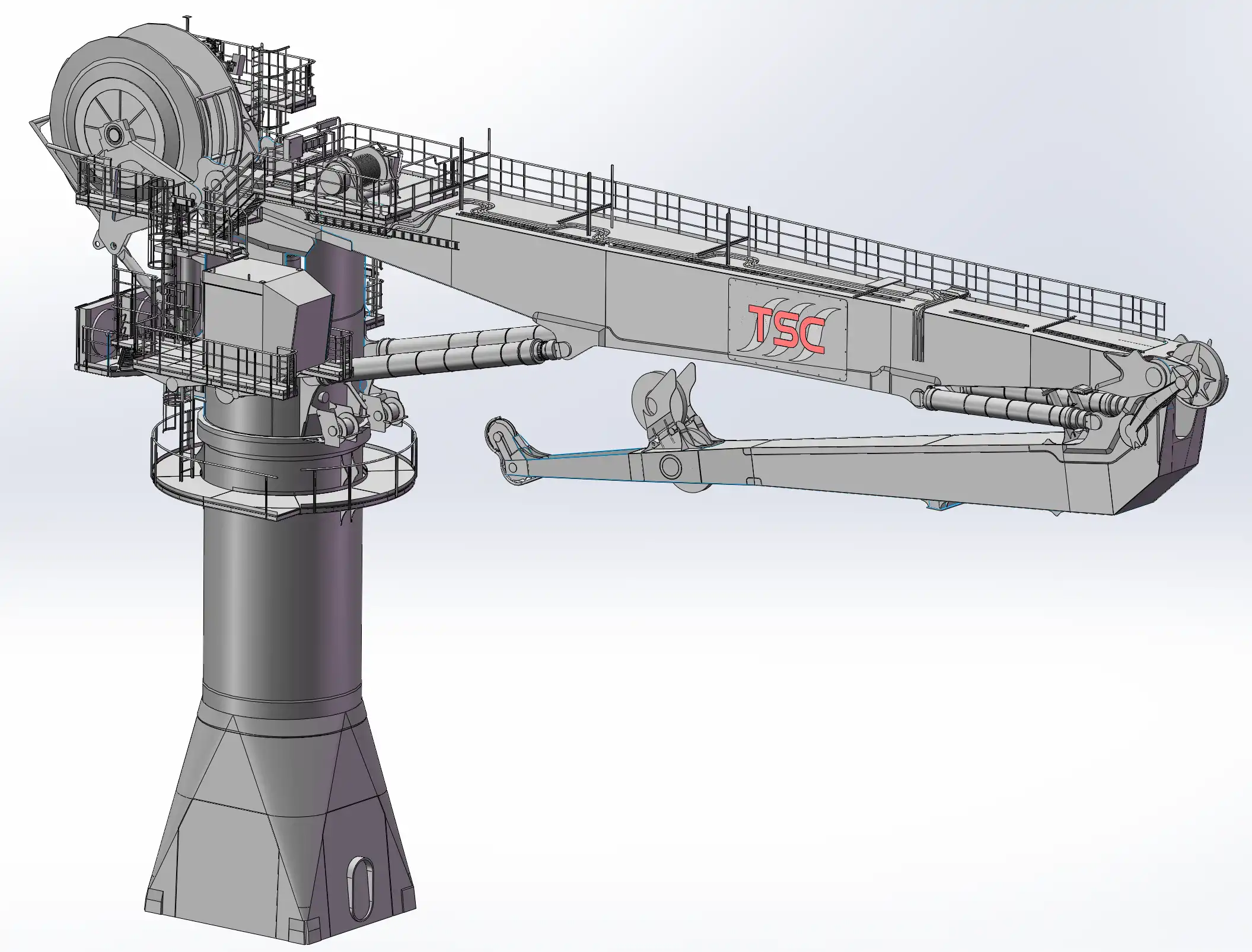
Understanding Offshore Lifting Challenges and the Role of AHC Cranes
Offshore lifting operations present unique challenges that traditional crane systems struggle to address effectively. The marine environment introduces unpredictable variables including wind gusts, wave action, and constant vessel motion that can compromise load stability and operational safety.
Environmental Factors Impacting Offshore Operations
The changing nature of the ocean makes it hard to work in because ships are constantly pitching, rolling, and heaving. These movements directly affect loads that are hung, causing dangerous oscillations and making precise placing very hard. Traditional crane workers have to make these changes by hand all the time, which makes them more tired and raises the risk of accidents.
When wave heights are more than 1.5 meters, they make raising much less accurate and often force operations to stop until conditions get better. This downtime costs a lot and causes projects to be late. When working with sensitive equipment or installing things underwater that need to be accurate to the millimeter, the problem gets even worse.
How Active Heave Compensation Addresses These Challenges
The AHC Crane systems are designed to take on these marine problems head-on. These cranes keep the load in the same place no matter what the sea conditions are like because they actively watch how the ship moves and change the winch system to account for heave motion.
The technology works by sensing when a vessel is moving vertically and stopping it right away by adjusting the winch in sync with the movement. In real time, this adjustment makes sure that loads stay where they are supposed to be, even if the ship moves with the waves. Because of this, working accuracy and safety have gotten a lot better.
Core Technologies Behind AHC Cranes Enhancing Precision
The accuracy of active pitch adjustment systems comes from the smart combination of many advanced technologies that work together perfectly. These tools are a huge step forward in technology for lifting things abroad.
Advanced Sensor Integration and Real-Time Monitoring
Motion Reference Units (MRU) are built into modern AHC Crane systems and constantly watch how the vessel moves along all directions. These sensors give you very accurate input right away on moves like pitch, roll, and heave. The information gathered is used by complex control systems that work very quickly to handle it.
Sensor technology has improved to the point where it can now compensate for loads that change by more than 95% of the time. With this level of accuracy, activities can be done in rough sea conditions that would have stopped work before. Using more than one type of monitor makes sure that there is backup and stability even in the harshest offshore settings.
Hydraulic and Electric Actuator Systems
The physical compensation mechanism relies on high-performance actuator systems that respond instantly to control signals. These systems can achieve compensation speeds reaching 60-100 meters per minute for correction, which keeps loads fixed even when waves move quickly.
Electric systems have extra benefits, like the ability to regenerate energy, which means that power made during adjustment cycles is put back into the system. This feature cuts down on general energy use by a large amount while keeping high levels of performance.
Proprietary Control Systems and Safety Features
TSC's AHC Crane systems feature proprietary control technology that makes sure they work accurately and safely during important tasks. These control systems have a lot of safety features built in, such as automatic load tracking, emergency stop functions, and fail-safe methods that kick in when something goes wrong with the system.
The control systems also have modes that keep the tension on the wire rope all the time. This stops the wire rope from sagging and stops dangerous snap loads that can hurt people or damage equipment. These safety features keep working in the background, giving workers peace of mind when they're doing difficult lifting tasks.
Comparative Analysis: AHC Cranes vs Traditional Offshore Cranes
The differences between active heave compensation systems and traditional offshore cranes become apparent when examining operational capabilities and safety performance in challenging marine environments.
Limitations of Traditional Offshore Crane Systems
When a ship moves, traditional offshore cranes depend on the skill of the operator and physical changes to make up for it. This method includes room for mistake and lowers the accuracy of operations, especially when lifting heavy things for long periods of time and operators are tired.
When correction is done by hand, reaction times to changing sea conditions are longer. Operators have to look at how the ship is moving and make changes, which takes time and lets loads swing or bounce. These moves put more stress on lifting tools and put people in danger.
For standard cranes, the weather window in which they can work is much smaller. When wave heights reach more than 1 to 1.5 meters, operations usually stop. This causes a lot of downtime and project delays. This restriction really affects tasks that need to be done quickly, like installing things under the sea or maintaining wind turbines abroad.
Superior Performance of AHC Technology
AHC Crane systems deliver measurable improvements in operational efficiency and safety performance. The automatic compensation feature gets rid of the chance of human mistake while maintaining uniform performance no matter how experienced the operator is.
Active adjustment systems have response times measured in milliseconds instead of seconds. This makes it possible to precisely control the load even when conditions change quickly. This ability to respond directly leads to higher safety margins and more working options.
The ability to use less energy is another big benefit. Modern AHC Crane systems use the least amount of power possible by being able to regenerate power and managing loads intelligently. This efficiency cuts down on running costs while keeping performance levels high.
Real-World Performance Improvements
Case studies from offshore wind installations demonstrate substantial productivity gains when utilizing active heave adjustment technology. Projects report reduced installation times and better safety records compared to operations using traditional crane systems.
The accuracy of AHC technology is especially useful for treatments that take place underwater. Maintaining millimeter-level placing accuracy while installing equipment lowers the risk of damage and makes sure that parts fit properly at great depths.
Practical Guidance for Procurement and Integration of AHC Cranes
Selecting the optimal AHC Crane system requires careful evaluation of project-specific requirements and operational parameters. Understanding key selection criteria ensures procurement decisions align with operational needs and budget constraints.
Critical Selection Criteria for AHC Systems
What you need to know about load capacity is the basis for choosing a crane. TSC has options that can be tailored to your needs, and its main hoists can handle light loads up to over 100 metric tons of weight. The choice should take into account both the needs of now and the needs of the future.
The work radius must match the specs of the vessel and the needs of the process. Modern systems have a work radius that can be anywhere from 6 meters to over 42 meters, so they can be used with a wide range of vessel types and operating situations.
Specifications for compensation performance, such as the fastest compensation speed and reaction times, have a direct effect on operational skills. These factors show how well the machine can keep the load stable when the sea conditions change.
Integration with Existing Infrastructure
When buying something, it's important to make sure that it will work with other tools on the ship. Power generation, control systems, and deck room configurations must all work together smoothly with AHC Crane systems.
TSC's modular design method makes it easier to integrate with a wide range of vessel types and layouts. The tried-and-true crane modules can be changed to fit unique needs while still meeting standards for stability and performance.
When planning for installation, you should think about plant acceptance tests, shipping logistics, and installation needs on board. Planning ahead makes sure that the project goes smoothly and that the ship isn't down for too long while the crane is being installed.
CM Energy's Comprehensive AHC Solutions
As a reliable partner in offshore lifting technology, CM Energy, through the TSC name, provides complete active heave compensation solutions backed by a wealth of industry knowledge. Our systems go through strict quality control steps, such as being certified by ISO and getting permission from DNV, ABS, BV, and CCS classification societies.
Because the company values customization, each AHC Crane system is made to meet unique operating needs. This customized method, along with design life requirements of 25 years, gives offshore businesses long-term value.
Over 350 deck cranes are currently deployed around the world as part of our global service network. These cranes have been used in a wide range of operating settings and have been shown to be reliable and effective. This huge amount of knowledge means that they can make better products and help customers better.
Future Trends in Offshore Lifting and AHC Crane Development
The offshore lifting industry continues evolving rapidly with emerging technologies promising further improvements in precision, efficiency, and operational capabilities. Understanding these trends helps procurement professionals make forward-looking investment decisions.
Integration of AI and IoT Technologies
Adding artificial intelligence to maintenance makes it possible to find problems before they affect processes through predicted maintenance. These systems look for trends in operational data to make repair plans more effective and avoid unplanned downtime.
Internet of Things connection lets tracking and diagnostics be done from afar, so support teams on land can help with fixing problems and improving performance. This connection is especially helpful for activities that take place in faraway offshore areas where it's hard to get technical help.
Based on practical experience, machine learning algorithms are always making pay algorithms better. Over time, these systems get better at what they do by adapting to the features and operating habits of each vessel.
Automation Advances in Load Handling
Automated load placement systems make things more accurate while reducing the work that operators have to do. Using GPS and inertial tracking technologies, these systems can move loads to set places automatically.
More and more, AHC Crane systems have automatic landing features that place equipment exactly on seafloor sites. This technology cuts down on construction time and raises safety by reducing the need for human help.
Market Growth and Industry Demand
A study of the market shows that offshore renewable energy projects are driving strong growth in the need for precise lifting tools. Lifting equipment for wind farms needs to get better as the blades get bigger and the sites move to deeper water.
The oil and gas industry below the water keeps asking for more precise offshore sites. These needs push active heave correction technology to keep getting better and open up new ways to use advanced systems.
For offshore building projects like floating platforms and underwater infrastructure installations, cranes need to be able to lift more than the typical maximum weight. This demand means that AHC Crane can keep investing in developing its technology.
Conclusion
AHC Crane technology is a major step forward in offshore lifting accuracy, solving important problems that have previously slowed down maritime operations. With real-time heave correction, these systems provide accuracy and safety that have never been seen before in harsh offshore settings. When you combine advanced sensors, complex control algorithms, and strong actuator systems, you get pulling powers that are much better than those of regular cranes. Active heave compensation technology is becoming more and more important for operational success as the offshore industry continues to grow into deeper seas and tougher conditions. The TSC brand from CM Energy offers tried-and-true solutions that have been used all over the world. It gives procurement workers solid access to cutting-edge lifting technology that improves project results while keeping the highest safety standards.
FAQ
1. How does an AHC Crane enhance safety compared to traditional lifting systems?
Active heave adjustment systems cut down on load oscillation by a large amount and get rid of dangerous snap loads that happen when movement of the vessel causes quick stress in the lifting lines. The automatic compensation keeps the loads from moving around wildly when the sea state changes. This keeps people and equipment safe from damage from impacts.
2. What factors influence the load capacity of an AHC Crane system?
Load capacity depends on several interconnected factors including work radius, sea conditions, and compensation requirements. AHC Crane systems typically feature reduced capacity ratings during active compensation modes compared to static lifting conditions. The compensation speed and range also impact maximum safe working loads.
3. Can AHC systems be customized for specific project requirements?
Specifically designed control methods, changed work areas, and the ability to connect to project-specific equipment are just a few of the many ways that modern AHC Crane systems can be customized. TSC specializes in tailor-made solutions that address unique operational requirements across diverse offshore applications.
Partner with CM Energy for Advanced AHC Crane Solutions
CM Energy stands ready to transform your offshore lifting operations through our advanced AHC Crane technology and comprehensive support services. As a leading AHC–Crane manufacturer, we deliver customized solutions that enhance precision, safety, and operational efficiency across diverse marine applications. Our TSC brand systems feature proven reliability with over 350 deck cranes deployed globally, backed by certifications from major classification societies including DNV, ABS, and BV.
We offer complete project support including requirements analysis, factory acceptance testing, and on-board installation services. Our engineering team provides personalized consultations to ensure optimal system configuration for your specific operational needs. Contact our experts at info.cn@cm-energy.com to discuss your lifting requirements and discover how our active heave compensation technology can enhance your offshore operations while reducing downtime and improving safety margins.
References
1. Smith, J.A., "Advances in Offshore Lifting Technology: Active Heave Compensation Systems," International Journal of Marine Engineering, Vol. 45, No. 3, 2023.
2. Johnson, M.R. and Thompson, K.L., "Dynamic Load Analysis in Offshore Crane Operations," Offshore Technology Conference Proceedings, 2023.
3. Williams, P.D., "Safety Improvements in Marine Lifting Operations Through Active Compensation," Journal of Maritime Safety, Vol. 28, No. 2, 2024.
4. Anderson, C.H., "Economic Impact of Precision Lifting Systems in Offshore Wind Installation," Renewable Energy Offshore, Vol. 12, No. 4, 2023.
5. Roberts, S.M., "Technical Comparison of Heave Compensation Technologies," Marine Technology Society Journal, Vol. 57, No. 6, 2024.
6. Davis, L.K. et al., "Operational Weather Window Analysis for Active Heave Compensation Cranes," Ocean Engineering International, Vol. 89, No. 1, 2024.
