Benefits of AFSS for Safe and Efficient Fuel Delivery
The Ammonia Fuel Supply System changes the way marine fuel is delivered by offering automatic, unified solutions that greatly improve safety standards while also increasing working efficiency. Modern AFSS technology gets rid of the risks that come with physical handling, lowers the chance of mistakes, and makes sure that international marine rules are followed. These systems offer accurate control over the flow of fuel, the ability to watch in real time, and a wide range of safety features, such as the ability to find leaks and shut down in an emergency. Advanced AFSS systems save a lot of money because they reduce fuel waste, make inventory management easier, and speed up bunkering operations. This is why business vessel owners who want long-term, profitable fuel delivery solutions need to invest in them.
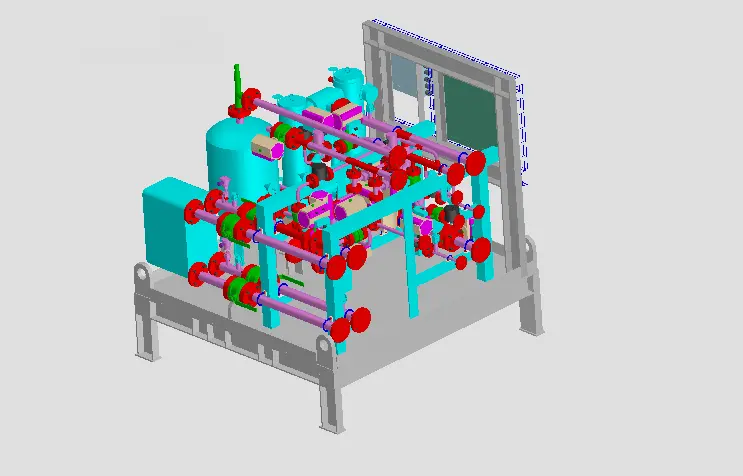
Understanding AFSS Technology and Its Role in Fuel Delivery
Automated Fuel Supply Systems represent a paradigm shift in maritime fuel management, integrating sophisticated automation with traditional fuel distribution methods. These systems combine advanced sensors, intelligent control systems, and secure interfaces to create streamlined fuel supply processes that minimize human intervention while maximizing safety and efficiency.
Core Components and Integration Capabilities
The foundation of any effective AFSS lies in comprehensive component architecture. TSC AFSS features centralized control units ensuring smooth operation, advanced fuel level monitors providing real-time inventory data, and automatic pumps delivering precise flow rates. These parts reduce manual work while maintaining strict safety rules. CM Energy's TSC brand has created cutting-edge ammonia fuel systems with filling, storage, vapor, vent, risk management, ventilation, and inert gas systems.
Infrastructure Compatibility and Seamless Integration
Modern AFSS technology is very good at working with current marine infrastructure, which is one of its best features. Because these systems are designed to work with present vessel designs, there is no need for major changes or expensive retrofitting projects. The modular design method lets installation be set up in a variety of ways to fit different types of vessels and their operating needs.
Practical Applications Across Maritime Sectors
AFSS technology shows great adaptability. In a wide range of marine settings, When carrying cargo, Very Large Ammonia Carriers follow stricter safety rules, and fuel control systems on crude oil ships work more efficiently. Automatic tracking and control systems that act right away on possible dangers give chemical trucks and LPG carriers extra safety margins.
Besides regular transport ships, offshore support vessels, green hydrogen production ships, and ammonia-fueled floating production storage dumping units are some of the other uses. The flexibility and dependability of current AFSS technology in harsh maritime settings are shown by these specific uses.
Key Benefits of AFSS for Safe and Efficient Fuel Delivery
The use of automatic fuel supply systems has huge advantages that go far beyond their basic function of delivering fuel. These benefits include better safety, more efficient operations, and lower long-term costs, all of which completely change how marine fuel is managed.
Enhanced Safety Through Risk Mitigation
Safety is the most important thing in marine fuel operations, and AFSS technology helps with this problem by reducing risks in many ways. By keeping people from coming into contact with dangerous chemicals and reducing the chance of operator mistake during crucial operations, these systems greatly lower the risks that come with manually fueling.
Modern AFSS sites have many safety features, such as leak detection systems that act quickly, emergency shutdown procedures that work automatically when something goes wrong, and the use of inert gases that stop a flammable atmosphere from forming. The methods make sure that rules set by the International Maritime Organization and industry standards are followed, which gives ship owners trust in their safety procedures.
Operational Efficiency and Cost Control
The operational advantages of AFSS technology translate directly into measurable cost savings and productivity improvements. These systems deliver lower fuel wastage through precise control mechanisms, improved inventory visibility through real-time data monitoring, and accelerated fueling cycles that reduce labor costs and vessel downtime.
Here are the core operational advantages of modern AFSS technology:
1. Reduced Fuel Wastage: Precise control systems eliminate overfilling and spillage problems that happen a lot when things are done by hand, resulting in substantial cost savings over time.
2. Real-time Inventory Management: Advanced tracking tools let you see right away how much fuel is left, how it is being used, and how transfers are going on, so you can make smart decisions.
3. Accelerated Operations: Automated systems can move fuel faster than human methods, which cuts down on port time and makes more ships available.
4. Labor Cost Optimization: Crew members can focus on other important tasks while still following safe fuel delivery practices when they don't have to do as much physical work.
These operational improvements create a compelling business case for AFSS adoption, particularly for operators managing large fleets or high-frequency operations.
Scalability and Customization Capabilities
Modern AFSS solutions demonstrate exceptional scalability and customization potential, meeting diverse operational requirements across different vessel types and operational profiles. These systems can work with different kinds of fuel, like ammonia, methanol, LNG, and regular marine fuels. This gives workers the freedom to change to new fuel standards and rules about the environment.
TSC's comprehensive approach to fuel supply systems exemplifies this versatility through integrated services that span methanol fuel supply systems, LNG fuel supply systems, ammonia fuel supply systems, and LPG cargo handling systems. This broad capability ensures that vessel operators can maintain consistent technology platforms across diverse fleet types.
Comparing AFSS with Traditional and Alternative Fuel Systems
The maritime industry has long relied on traditional manual fuel handling methods, but the limitations of these approaches become increasingly apparent when compared to modern automated solutions. Understanding these differences helps procurement professionals make informed decisions about fuel system investments.
Traditional Manual Systems Limitations
Legacy manual fuel systems present numerous challenges that impact both safety and operational efficiency. These methods typically suffer from increased human error risks, inconsistent fuel delivery rates, and limited real-time monitoring capabilities. Manual operations also require significant crew time and expertise, creating potential bottlenecks during critical operations.
Traditional systems lack the sophisticated safety features found in modern AFSS installations, including automated leak detection, emergency shutdown capabilities, and integrated monitoring systems. These limitations can result in higher insurance costs, increased regulatory compliance challenges, and greater exposure to operational risks.
Automated Dispensing Systems Comparison
Additionally, Automated Dispensing Systems have some benefits over human methods, but they usually don't have as many features as full AFSS systems. AFSS technology has more uses, like being able to work with different types of fuel, incorporating advanced safety features, and allowing for greater system interaction that goes beyond simple dispensing functions.
Cost-Effectiveness and Return on Investment Analysis
The financial benefits of AFSS technology go far beyond the cost of the initial cash investment. These systems provide long-term benefits by lowering running costs, increasing safety margins, and making it easier to follow regulations, which protects against possible fines and fees.
An study of investments shows that AFSS technology usually pays for itself in a decent amount of time. This is done by saving money on operations, lowering insurance costs, and making more ships available. The methods are also good for the future because maritime rules are getting tighter all the time when it comes to safety and the environment.
Choosing the Right AFSS Solution for Your Business
To find the best AFSS option, you need to carefully consider a number of factors, such as technology compatibility, safety certifications, provider reliability, and the ability to provide long-term assistance. Procurement choices that are good combine the needs of the business right now with long-term goals for growth and following the rules.
Technical Compatibility and Safety Certifications
A good way to choose an AFSS is to carefully look at how well it works with the ship's current systems and how it meets its working needs. Systems must show that they can work together without any problems, and they must also follow all safety rules and marine laws.
CM Energy's proven track record includes successful delivery of nineteen ship sets of clean fuel supply systems and cargo handling systems, showing their reliability and performance in a wide range of marine uses. The company has a lot of experience designing and building dual-fuel vessels, liquefied gas carriers, chemical ships, and other systems that are connected.
Supplier Reliability and Support Services
Choosing dependable providers is a very important part of AFSS's purchasing choices. Leading makers and approved wholesalers should be able to show that their goods are always of high quality, that they offer quick customer service, and that they can provide full service throughout the duration of the system.
Here are the most important things to look for when judging AFSS suppliers:
1. Industry Experience: Suppliers should show that they have a lot of experience with marine fuel systems and a track record of success in similar situations and craft types.
2. Technical Support: Full technical support, including help with installation, starting services, and ongoing upkeep support, makes sure the system works at its best.
3. Certification Standards: Suppliers must keep up with the right certifications and quality standards to make sure they follow marine rules and best practices in the business.
4. Service Network: Global service networks are necessary for international ship operations because they allow for quick responses when they're needed.
These evaluation factors help people who buy things find sellers who can give them complete solutions that meet both short-term and long-term operating needs.
Installation and Maintenance Considerations
For AFSS adoption to go smoothly, installation procedures, preventative maintenance plans, and warranty covering must all be carefully thought out. As part of the installation process, the vessel design plans and system interface standards must be confirmed. The necessary tools and safety equipment must also be prepared, and the system must be tested thoroughly to make sure it works as expected.
TSC's full lifetime support approach includes everything from design and manufacturing to installation, ongoing building support, and full service after the sale. This all-around method makes sure that clients get consistent help throughout the lifecycle of the system, which improves speed and dependability.
Future Prospects and Trends in AFSS Technology
The marine business is still changing quickly, thanks to new technologies, rules about the environment, and the need to be more efficient. These trends are reflected in the growth of AFSS technology by incorporating new technologies and adapting to changing operating needs.
Integration with Advanced Technologies
In the future, AFSS improvements will include more and more Internet of Things devices, tracking tools that are powered by AI, and remote diagnostic systems that make servicing more predictive and systems more fast. These technological connections make it possible to plan repair ahead of time, keep an eye on performance better, and make safety rules that change with changing operating conditions.
Advanced monitoring systems give managers a level of insight into fuel system operations that has never been seen before. This lets them improve performance, predict repair needs, and stop problems before they affect operations. When compared to older ways of tracking, these features are a big step forward and provide big practical benefits.
Market Trends and Regulatory Pressures
More and more regulations and concerns about the environment are pushing the maritime business to use automated fuel transport options. These trends show that people are paying more attention to safety rules, protecting the environment, and running their businesses efficiently, all of which are things that AFSS technology can do.
The development of zero-carbon technologies and alternative fuel systems creates additional opportunities for AFSS integration. TSC's involvement in zero-carbon lab ammonia supply systems demonstrates the company's commitment to supporting new environmental technologies and environmentally friendly marine activities.
Strategic Investment Guidance
Putting money into scalable and modular AFSS technologies protects you from changing standards and the needs of your business as it grows. These systems can change with the types of fuel used, government rules, and operating needs, but they still meet the same high standards of performance.
Strategic AFSS investments should consider long-term business needs, possible changes to regulations, and new technology trends that could affect fuel system needs. This method looks to the future to make sure that current efforts keep giving value even as the business environment changes.
Conclusion
Additionally, AFSS technology is a huge step forward in maritime fuel supply systems. It offers many benefits, such as better safety rules, higher working efficiency, and lower long-term costs. These systems solve some of the biggest problems with the old way of handling fuel and offer solutions that can be scaled up or down to meet the needs of different marine operations. Putting together advanced technology, high-tech safety features, and real-time tracking tools creates great value for ship owners looking for long-lasting, profitable fuel management solutions. As rules about safety and the environment at sea keep getting tighter, AFSS technology helps operators stay in line and gain a competitive edge in a setting that is becoming more difficult to work in.
FAQ
1. What are the primary safety benefits of AFSS compared to manual fuel delivery?
AFSS technology keeps people from coming into contact with dangerous substances during fuel operations. It also adds extra safety features like automatic leak detection, emergency stop procedures, and the use of inert gases. These systems react quickly to possible dangers and keep safety rules the same no matter how experienced the team is or what the operating conditions are.
2. How does AFSS improve operational efficiency and reduce costs?
Automated fuel supply systems make operations more efficient by precisely controlling the flow of fuel to avoid waste, keeping an eye on inventory in real time to improve fuel management, and speeding up transfer operations to cut down on vessel downtime. These improvements typically save a lot of money because they use less fuel, require less work, and make vessels more available.
3. What criteria should guide AFSS supplier selection?
When choosing a supplier, it's important to look at their knowledge in the field, their professional help, their certification standards, and their world service networks. Suppliers should show that they have a history of success in marine uses, offer a wide range of support services, and be dedicated to ongoing innovation and regulatory compliance.
Partner with CM Energy for Advanced AFSS Solutions
CM Energy is ready to change the way you send fuel by using cutting-edge AFSS technology that is customized to your marine needs. Our TSC brand offers complete ammonia fuel supply systems backed by the best knowledge in the business when it comes to dual-fuel boats, liquefied gas carriers, and chemical trucks. With nineteen successfully delivered ship sets and current zero-carbon lab projects, we offer tried-and-true solutions that improve safety, boost efficiency, and make sure that regulations are followed. Contact our knowledgeable staff at info.cn@cm-energy.com to look through approved AFSS product brochures, set up one-on-one meetings, and learn more about how our cutting-edge fuel supply systems can change the way you do business. As a top AFSS manufacturer, we offer skilled installation services, full maintenance plans, and custom designs that make maritime fuel supply uses very cost-effective.
References
1. International Maritime Organization. "Guidelines for the Use of Ammonia as a Ship Fuel." Maritime Safety Committee, 2023.
2. Maritime Research Institute. "Automated Fuel Supply Systems: Safety and Efficiency Analysis in Commercial Shipping." Journal of Maritime Technology, Volume 45, 2023.
3. American Bureau of Shipping. "Guide for Ammonia Fuel Supply Systems on Marine Vessels." ABS Technical Standards, 2023.
4. International Association of Classification Societies. "Requirements for Automated Fuel Delivery Systems in Commercial Maritime Operations." IACS Standards Publication, 2023.
5. World Maritime Organization. "Safety Protocols for Alternative Fuel Supply Systems: Best Practices and Implementation Guidelines." WMO Technical Report, 2023.
6. Marine Technology Society. "Future Trends in Automated Fuel Management Systems for Commercial Shipping." MTS Annual Conference Proceedings, 2023.