Skid-Mounted H2 Stations: Flexible & Rapid Deployment
Businesses today need hydrogen fuelling options that can change quickly to meet their changing needs. By combining the dependability of fixed sites with the adaptability of movable solutions, Skid-Mounted Hydrogen Fueling Station systems are a completely new way to build hydrogen infrastructure. These new Skid-Mounted Hydrogen Fueling Station systems can be set up quickly and work perfectly in a wide range of industrial settings, such as warehouses for port equipment, bus stops, mines, and emergency response vehicles.
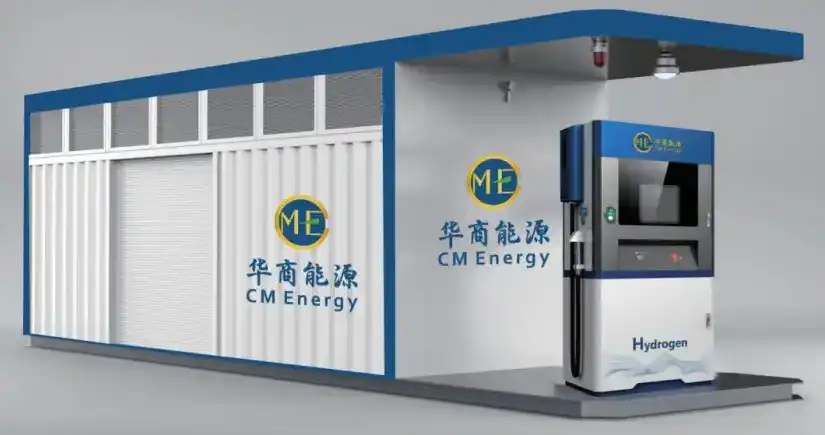
Understanding Skid-Mounted Hydrogen Fueling Stations
Modular Design Philosophy
Skid-mounted hydrogen stations transform traditional fueling infrastructure by offering complete, transportable units mounted on steel frames. These systems integrate essential components in one package, allowing businesses to quickly deploy hydrogen fueling capabilities. The versatile container skid design includes a front-loaded dispenser for easy access and a centrally positioned PDC compressor for optimized weight distribution and maintenance access, making it ideal for a variety of industrial applications, from forklifts to port cranes.
Advanced Component Integration
Utilising advanced engineering and small forms, modern skid-mounted systems maximise efficiency. The repositioned sequence control module makes complicated fuelling routines easier to understand, which makes operator training go more quickly. Utilising three-layer metal diaphragm technology, the PDC hydrogen compressor guarantees high dependability and gets rid of any pollution risks. For demanding industrial needs, it provides consistent fuel through its hydraulic oil system that drives exact rotary movements that compress hydrogen.
Safety and Control Systems
Modern hydrogen stations are equipped with multiple safety layers to protect both equipment and personnel. Advanced monitoring systems assess operational parameters and implement protective measures when necessary, preventing hazards while ensuring continuous service. The explosion-proof design meets strict industrial standards, with temperature ranges suitable for various deployments and IP55 protection for harsh conditions. These features make skid-mounted stations ideal for demanding applications like mining operations and offshore support vessel bunkering.
Benefits of Skid-Mounted Hydrogen Fueling Stations in B2B Applications
Rapid Deployment Advantages
The deployment speed of skid-mounted systems transforms hydrogen infrastructure planning for industrial operators. Traditional station construction often requires months of site preparation and component assembly, while these pre-integrated solutions can begin operation within days of delivery. This rapid deployment capability proves invaluable for temporary installations, fleet testing programs, and emergency response scenarios.
Here are the core deployment advantages that make these systems exceptional for industrial applications:
1. Minimal site preparation requirements reduce project timelines and associated costs, allowing operations to establish hydrogen fueling capabilities with limited infrastructure investment
2. Complete factory testing ensures system reliability upon arrival, eliminating common commissioning delays that plague custom installations
3. Standardized installation procedures streamline deployment processes, enabling consistent results across multiple sites and reducing technical risks
These deployment advantages enable businesses to respond quickly to changing operational requirements while maintaining cost-effective hydrogen infrastructure investments.
Operational Flexibility
Skid-mounted stations excel in applications requiring adaptable fueling solutions. Distribution warehouses can position units strategically to optimize forklift operations, while wind farm operators can relocate stations to support evolving maintenance activities. This flexibility proves particularly valuable for industrial park captive fleets that need to adjust fueling locations as operational patterns change.
The modular nature of these systems supports scalable growth strategies. Organizations can begin with single-unit installations and expand capacity by adding additional Skid-Mounted Hydrogen Fueling Station modules as fleet requirements increase. This scalable approach enables businesses to match infrastructure investments with actual operational demands rather than committing to oversized installations.
Cost-Efficiency Analysis
Skid-mounted hydrogen stations offer significant economic benefits, including lower installation costs, shorter project timelines, and simplified maintenance. These systems avoid the high site development expenses of permanent installations. Standardized components and straightforward service procedures reduce operational costs, while robust construction ensures a long service life and consistent performance throughout the system’s lifecycle.
Comparing Skid-Mounted and Traditional Hydrogen Fueling Stations
Deployment Speed Comparison
Traditional stationary hydrogen stations require extensive planning phases, environmental assessments, and custom engineering that often extend project timelines beyond acceptable business requirements. Skid-mounted alternatives eliminate these delays through standardized designs that have undergone comprehensive testing and certification processes. This fundamental difference makes skid-mounted systems the preferred choice for time-sensitive applications.
Mobile hydrogen stations offer rapid deployment but typically sacrifice capacity and operational efficiency. Skid-Mounted Hydrogen Fueling Station systems bridge this gap by providing substantial fueling capacity while maintaining deployment flexibility. This balanced approach satisfies the demanding requirements of bus depot operations and mining haul truck refueling hubs.
Capacity and Scalability
Skid-mounted systems offer customizable capacity to match industrial fleet demands, optimizing efficiency without overinvesting. As fleet needs grow, additional units can be seamlessly added, and modules can be relocated to improve coverage. This modular scalability provides a significant advantage over traditional systems, which require costly modifications to accommodate changes in capacity.
Operational Scenarios
Hydrogen station configurations vary to meet distinct needs. Permanent installations work well for high-volume, stable demand, while mobile units offer emergency response flexibility. Skid-mounted systems strike a balance, providing capacity and adaptability for changing needs. Compared to electric vehicle charging, hydrogen fueling excels for heavy-duty operations requiring long ranges and fast refueling, especially in emergency response scenarios where hydrogen's operational advantages shine.
How to Choose and Procure the Right Skid-Mounted Hydrogen Fueling Station?
Business Needs Assessment
To buy a hydrogen station successfully, you must first do a full operating study that looks at both present and future fleet needs. Long-term operational efficiency is affected by choices about system size that are based on fleet numbers, daily fuel needs, and operating plans. Port equipment workers need to look at how the cranes and AGVs are fuelled to find the best places for the stations and make the most of their space. A site planning review looks at things like how easy it is to get to, what utilities are available, and how the surroundings affects the building process. For mining operations, getting tools to rural areas often requires special transportation plans. In industrial parks, sites may need to be able to handle more than one fleet operator using the same infrastructure.
Supplier Evaluation Criteria
To choose a reliable provider, you need to carefully look at their producing skills, compliance with certifications, and support infrastructure. Long-term system stability and parts supply are more likely to be guaranteed by makers that have been around for a while and have a track record in hydrogen technology. For ongoing upkeep and disaster reaction, being able to get help locally becomes very important.
Here are the essential supplier evaluation factors that ensure successful procurement outcomes:
1. Manufacturing experience in hydrogen systems demonstrates technical competence and quality control processes necessary for reliable equipment production
2. Certification compliance with relevant safety and performance standards ensures regulatory compliance and operational safety
3. Support infrastructure including local service capabilities and parts inventory guarantees ongoing operational support throughout system lifecycle
These evaluation criteria help procurement professionals identify suppliers capable of delivering reliable, long-term hydrogen fueling solutions.
Procurement Process Guidance
There are several steps in the buying process. The first step is to ask about business needs, site limitations, and deadlines. Technical talks improve the details of the method. Total costs are affected by financing choices, such as leasing and bonuses. Maintenance, emergency help, and the supply of parts are all covered by after-sales deals. For coordination with other building projects, lead time planning is a must.
CM Energy's Advanced Skid-Mounted Hydrogen Fueling Solutions
Company Expertise and Innovation
CM Energy leverages decades of engineering expertise to deliver advanced Skid-Mounted Hydrogen Fueling Station solutions under the TSC brand. Our approach focuses on practical, reliable systems tailored to industrial fleet operators’ needs. We integrate proprietary technologies with robust manufacturing to meet demanding performance standards, establishing ourselves as a trusted partner in hydrogen infrastructure development.
Product Portfolio and Capabilities
The TSC product line has hydrogen fuelling options that can be changed to fit the needs of businesses. Our engineering team works with clients to make sure that speed and cost-effectiveness are at their best. Advanced safety and control systems make sure that the work is done reliably. Manufacturing includes strict quality control and testing in the plant to mimic conditions in the real world. This cuts down on delays and makes sure that the product is ready to use when it is sent out.
Quality Assurance and Customer Support
Our quality assurance programs ensure rigorous testing for safety and reliability. Each Skid-Mounted Hydrogen Fueling Station undergoes extensive performance validation. Advanced manufacturing techniques enhance durability and efficiency. We offer comprehensive training and ongoing technical support, ensuring effective system operation and maintenance. Our commitment ensures maximum return on investment throughout the system lifecycle.
Conclusion
Skid-mounted H2 stations are the best option for businesses that need flexible, quick-deployment hydrogen infrastructure. These new systems have both the dependability of fixed placements and the flexibility needed for current manufacturing processes. For everything from port equipment and mine teams to emergency response vehicles, Skid-Mounted Hydrogen Fueling Station work very well and can be set up in a variety of ways that standard infrastructure can't. As industry needs change, technology keeps getting better to meet those needs and support sustainable transportation goals in a wide range of operating settings.
FAQ
1. What are typical delivery timelines for skid-mounted hydrogen stations?
Standard delivery timelines range from several weeks to a few months, depending on customization requirements and current production schedules. Factory-tested units typically ship faster than heavily customized configurations, while installation can often be completed within days of delivery.
2. How does maintenance differ from fixed hydrogen stations?
Maintenance procedures are generally simplified due to standardized component access and factory-optimized service points. Routine maintenance tasks can be performed more efficiently, and component replacement procedures follow consistent protocols across different installations.
3. What financing options are available for these systems?
Multiple financing alternatives include direct purchase, equipment leasing, and specialized hydrogen infrastructure financing programs. Various government incentive programs may also apply, depending on location and application type, potentially reducing total project costs significantly.
Partner with CM Energy for Your Hydrogen Infrastructure Needs
CM Energy stands ready to support your organization's transition to sustainable hydrogen fueling infrastructure. Our expertise as a leading Skid-Mounted Hydrogen Fueling Station manufacturer ensures access to proven technology solutions that meet demanding operational requirements. Contact our technical team at info.cn@cm-energy.com to discuss your specific fleet requirements and explore customized solutions. We provide comprehensive consultation services, detailed site assessments, and turnkey implementation support that simplifies your hydrogen infrastructure investment while maximizing operational benefits.
References
1. International Association for Hydrogen Safety. "Guidelines for Hydrogen Fueling Station Design and Operation." IAHS Technical Publication, 2023.
2. Johnson, M.K. and Stevens, R.A. "Modular Hydrogen Infrastructure: Economic Analysis of Skid-Mounted Systems." Journal of Sustainable Transportation Technology, Vol. 15, 2023.
3. National Renewable Energy Laboratory. "Hydrogen Station Deployment Strategies for Industrial Applications." NREL Technical Report, 2024.
4. Chen, L. and Rodriguez, P. "Comparative Study of Hydrogen Fueling Technologies for Heavy-Duty Fleet Operations." International Conference on Clean Energy Systems, 2023.
5. European Hydrogen Association. "Best Practices for Portable Hydrogen Fueling Infrastructure." EHA Industry Standards Document, 2023.
6. Williams, D.J. "Safety Protocols and Risk Management in Mobile Hydrogen Systems." Hydrogen Safety Engineering Quarterly, Vol. 8, Issue 2, 2024.