The LNG Fuel Supply System (LFSS) is an important piece of infrastructure for both the energy and transportation businesses. It makes it possible to use LNG safely and efficiently. When these systems are properly maintained, they work more reliably, safely, and efficiently, which has a direct effect on controlling costs and following the rules. This complete guide is for buying managers, engineers, resellers, and OEM clients in global B2B markets who want to learn more about how to maintain LFSS systems. We talk about the basics of systems, specific maintenance issues, and new technologies. Then, we give you methods you can use to build trust, make smart buying decisions, and get people asking questions that will improve daily performance.
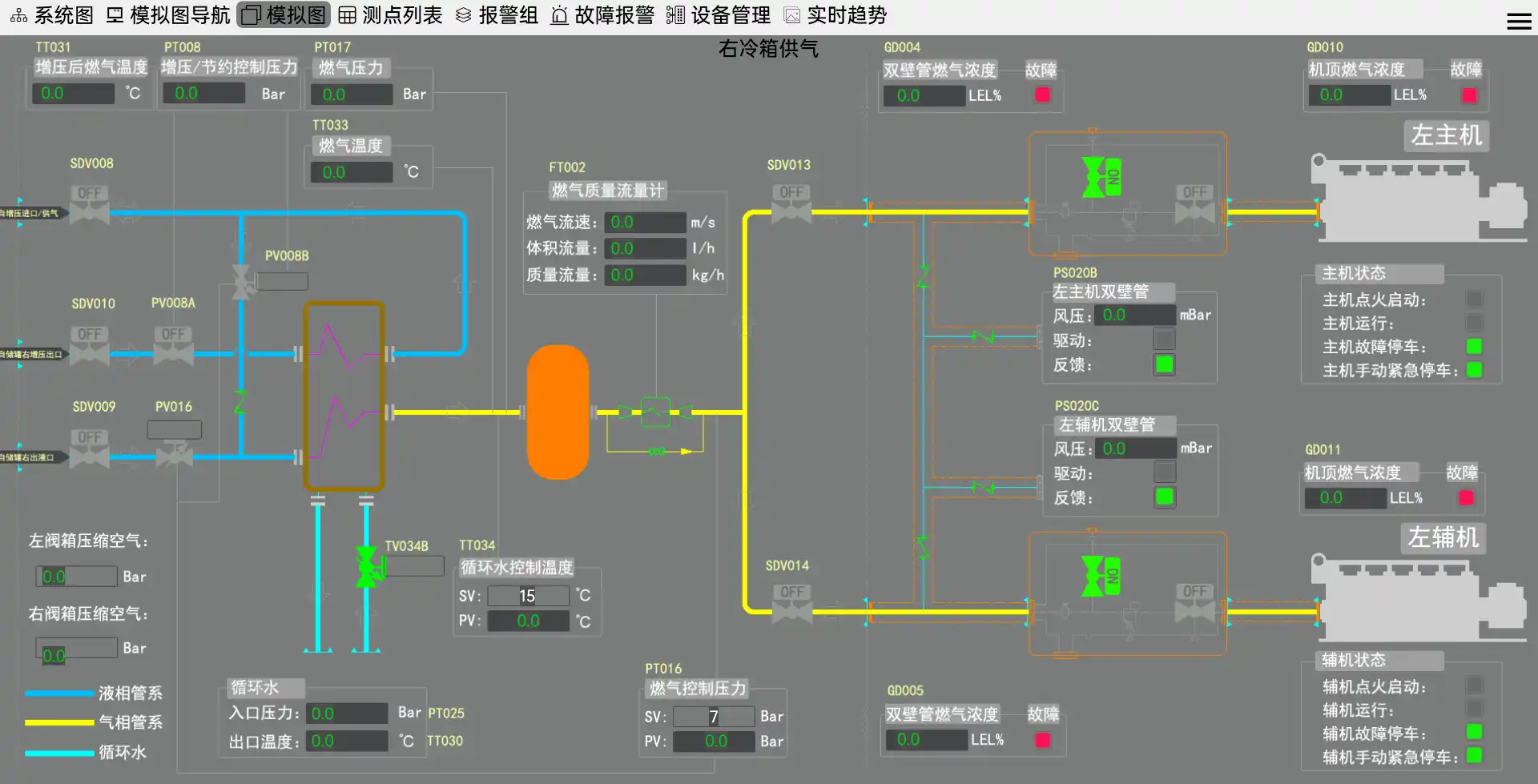
Understanding LNG Fuel Supply System Maintenance
Cold storage tanks, pumps, valves, pipelines, and control units are the components that make up LNG Fuel Supply Systems. These components allow for the safe storage and transportation of liquid natural gas. There is a broad variety of vessels that are equipped with these intricate systems, including chemical tankers, offshore support boats, bulk carriers, and heavy oil tanks. The ability to design a repair that goes smoothly requires an understanding of the components of the system as well as how it operates.
Critical System Components
Due to the unique challenges posed by cryogenic temperatures, each component within an LFSS requires careful attention. Storage tanks maintain LNG at extremely low temperatures, while pumps and valves must function reliably under very high pressures. Control systems continuously monitor pressure, temperature, and flow rates, ensuring that operations are carried out safely across various maritime environments.
Why Maintenance Matters
For the purpose of mitigating risks such as system failures, safety hazards, and operational downtime, which may result in large cost increases and non-compliance with environmental standards, maintenance becomes an essential component. As a result of the increased pressure that is being placed on the marine sector to minimize emissions while simultaneously preserving operating efficiency, dependable fuel delivery systems are vital for achieving environmental regulations.
Key Components in LFSS Maintenance and Their Care
In order to maintain performance throughout a wide range of vessel types and operating situations, it is essential to properly care for the basic components of the LFSS. In order to comply with the stringent requirements of the cryogenic working temperatures and the harsh maritime environment, each component requires a unique maintenance strategy.
Cryogenic Storage Tank Maintenance
Inspections of cryogenic storage tanks should include checking the insulation, looking for leaks, and checking the pressure release systems on a regular basis to keep LNG from escaping and causing problems. While working in rough settings, where temperature changes and movement of the ship can put stress on tank systems, these checks become even more important. Pressure tests and regular vacuum tracking make sure that the insulation is working properly and that the structure is solid.
Pump and Valve System Care
To make sure fluid flows reliably, pumps and valves need to be oiled, their seals replaced, and their performance tracked on a frequent basis. When systems start and stop, these parts are constantly exposed to temperature cycles. This causes stresses that can weaken the seals. Schedules for preventive repair help find trends of wear before they cause problems.
Control System Calibration
To ensure that operational safety criteria are met, control and safety systems, including as sensors and emergency shut-offs, must undergo compliance verification and calibration on a predetermined timetable. The fact that these systems are the first line of defense against possible dangers makes it very necessary for them to operate reliably in order to ensure the safety of the crew and the preservation of the environment.
Best Practices for Enhancing LFSS Maintenance Efficiency
To make LNG Fuel Supply System (LFSS) maintenance more efficient, you need well-organized routine maintenance plans that are in line with the system's requirements and how it is used. Modern ways to maintain LNG Fuel Supply Systems use both old-fashioned checking methods and new tools for tracking to create maintenance plans that cover everything.
Preventive Maintenance Programs
Developing structured maintenance schedules prevents unexpected failures and extends system lifecycles. These programs should account for operating conditions, fuel quality, and environmental factors that affect system performance. Documentation of maintenance activities helps identify trends and optimize future maintenance intervals.
Condition-Based Monitoring
Condition-based monitoring using IoT sensors and predictive analytics allows real-time health assessment, enabling proactive issue resolution. Sensors monitor vibration, temperature, pressure, and flow parameters continuously, providing early warning of potential problems. This approach reduces unplanned maintenance while optimizing maintenance resources.
Training and Documentation
Equipping procurement and engineering teams with specialized training enhances technical competency and response readiness. Maintaining accurate documentation and ensuring compliance with international standards such as ISO and emission regulations support audit readiness and continuous improvement. These practices build operational resilience and align with B2B clients' goals for reliability and cost-effectiveness.
Advanced Maintenance Technologies and Trends in LFSS
Digital transformation reshapes LNG Fuel Supply System (LFSS) maintenance through innovations that improve reliability while reducing operational costs. These technologies help operators stay ahead of potential issues while meeting evolving regulatory requirements.
Digital Twin Technology
Digital twins create virtual replicas to predict failures and optimize maintenance scheduling with precision. These systems use real-time data from vessel operations to simulate system behavior and identify potential issues before they cause problems. This predictive capability allows maintenance teams to plan interventions during scheduled downtime.
Remote Monitoring Solutions
Automation and remote monitoring solutions facilitate instantaneous diagnostics and real-time management, reducing manual oversight demands. Shore-based support teams can monitor multiple vessels simultaneously, providing expert guidance when issues arise. This approach proves particularly valuable for vessels operating in remote areas where immediate technical support may not be available.
Material Advances
Advances in cryogenic materials and components improve system durability and reduce maintenance frequency, supporting sustainability goals. New materials better withstand thermal cycling while maintaining structural integrity over extended periods. These improvements translate directly into reduced maintenance costs and improved system reliability.
Practical Steps and Recommendations for LFSS Maintenance Planning
Creating an effective LFSS maintenance plan requires customization based on system design, operational patterns, and environmental conditions to maximize system reliability. Each vessel type presents unique challenges that must be addressed through tailored maintenance approaches.
Customized Maintenance Planning
Maintenance plans should account for vessel operational profiles, including voyage length, cargo types, and environmental conditions. Bulk carriers operating on long transoceanic routes require different maintenance approaches than coastal vessels with frequent port calls. Environmental factors such as ambient temperature and humidity also influence maintenance requirements.
Service Provider Selection
Selecting qualified service providers and OEM partners involves evaluating expertise, certifications, and proven track records to ensure quality maintenance outcomes. Partners should demonstrate experience with specific vessel types and operating conditions. Certification from recognized maritime authorities provides additional assurance of competency.
Spare Parts Management
Efficient spare parts management prevents costly downtime by optimizing inventory levels and procurement strategies for critical components. Strategic inventory positioning ensures parts availability when needed while minimizing carrying costs. Predictive maintenance data helps optimize spare parts requirements based on actual failure patterns rather than conservative estimates.
CM Energy: Your Trusted LFSS Partner
CM Energy stands as a technology-driven enterprise committed to pioneering advancements in the new energy sector, with TSC serving as our specialized brand for marine fuel systems. Our comprehensive portfolio includes both high-pressure and low-pressure fuel gas supply systems designed for maximum reliability and efficiency.
Proven Track Record
TSC has developed and manufactured low-pressure systems that have operated successfully on actual vessels for over a year, demonstrating stable performance in real-world conditions. Our high-pressure FGSS systems, developed in collaboration with MAN, deliver exceptional efficiency with significantly reduced methane emissions compared to traditional engines.
Comprehensive Solutions
We offer integrated services covering the complete spectrum of alternative fuel systems, including LNG, methanol, and ammonia fuel supply systems. Our solutions encompass design, manufacturing, installation, and comprehensive after-sales service, ensuring seamless integration and long-term operational efficiency. With a large fleet of deck cranes and significant global offshore drilling equipment coverage, we bring proven expertise to every project.
Innovation and Quality
Our commitment to innovation reflects in our portfolio of authorized patents and continuous investment in research and development. We focus on developing compact, safe, and reliable solutions that meet diverse client needs while adhering to the highest industry standards.
Conclusion
Effective LNG Fuel Supply System maintenance requires a comprehensive approach that combines traditional inspection methods with advanced monitoring technologies. By implementing structured preventive maintenance programs, utilizing condition-based monitoring, and partnering with experienced service providers, operators can achieve maximum system reliability while minimizing operational costs. The maritime industry's transition toward cleaner fuels makes reliable LNG Fuel Supply Systems more critical than ever, demanding specialized expertise and proven solutions to ensure long-term success.
Frequently Asked Questions
Q1: How often should routine LFSS maintenance be performed?
A: Routine LFSS maintenance intervals typically depend on system usage, environmental factors, and manufacturer recommendations, often involving quarterly to annual comprehensive checks. Systems operating in harsh environments or with high utilization rates may require more frequent attention.
Q2: What safety protocols are essential during LFSS maintenance?
A: Safety during maintenance involves rigorous adherence to protocols such as lockout/tagout procedures, cryogenic hazard management, and compliance with international safety standards to protect personnel and assets. Proper personal protective equipment and gas detection systems are essential.
Q3: Can maintenance services be customized for different vessel types?
A: Maintenance services can and should be customized to the specific LFSS configuration to address varied operational demands, ensuring maintenance efficiency and longevity. Tailored plans facilitate budget optimization and regulatory adherence, providing the flexibility needed in diverse global industrial contexts.
Partner with CM Energy for Superior LFSS Solutions
With CM Energy's proven LNG Fuel Supply System manufacturer solutions, you can make your vessel work better and safer. We are a top LNG Fuel Supply System manufacturer with a lot of expertise in maritime fuel systems. We provide full maintenance services supported by cutting-edge technology and assistance from across the world. Our TSC brand systems have shown to be very reliable in real-world use, so you can be sure that your investment will be worth it in the long run. Please email us at info.cn@cm-energy.com to talk about your needs and find out how our knowledge may help your LFSS work better for years to come.
References
1. International Maritime Organization. "Guidelines for Systems and Installations for Supply of LNG as Fuel to Ships." Maritime Safety Committee, 2017.
2. Jensen, S. and Thompson, R. "Maintenance Strategies for Cryogenic Fuel Systems in Marine Applications." Journal of Marine Engineering Technology, 2023.
3. American Bureau of Shipping. "Guide for Gas Fueled Ships." ABS Technical Publications, 2022.
4. Williams, M.K. "Predictive Maintenance Technologies for LNG Fuel Supply Systems." International Conference on Marine Technology, 2023.
5. Det Norske Veritas. "Recommended Practice for Gas Fuelled Ship Installations." DNV-GL Classification Notes, 2022.
6. Chen, L. and Anderson, P. "Reliability Engineering for Marine Gas Fuel Systems." Maritime Technology Review, 2023.