How Automated Sail Systems Enhance Fuel Efficiency for Marine Operations?
By using intelligent technology to constantly optimise sail configurations without human involvement, an Automated sail system transforms maritime fuel efficiency by using wind power. In order to autonomously modify sail trim in response to current wind conditions and vessel factors, these advanced systems combine sensors, control units, and actuators. Vessels may save a significant amount of fuel while keeping to their operating schedules by minimising their reliance on engines when wind conditions are favourable. The technique offers quantifiable cost savings and environmental advantages that appeal to contemporary commercial maritime companies looking for sustainable solutions, marking a paradigm change from conventional sailing approaches.
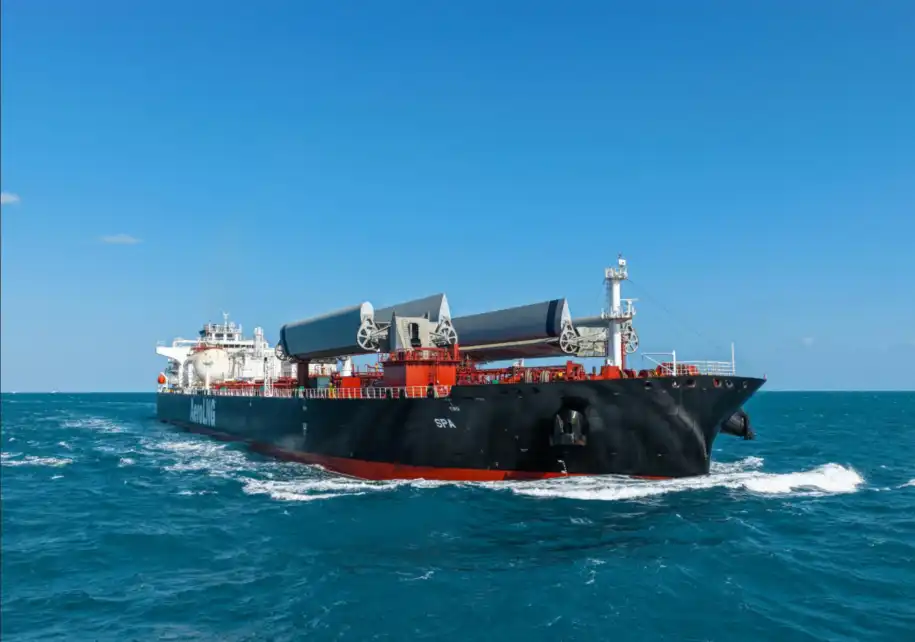
Understanding Automated Sail Systems and Their Impact on Fuel Efficiency
Modern maritime operations are becoming more and more aware of how revolutionary wind-assisted propulsion technology may be. An automated sail system transforms the way ships use wind power, going beyond basic sailing principles to develop hybrid propulsion systems that work in tandem with traditional engines.
The Technology Behind Wind-Assisted Propulsion
Advanced materials and control systems that adapt automatically to changing environmental circumstances are features of modern wind-assisted propulsion. These systems constantly check the direction of the wind, the speed of the vessel, and the heading of the vessel, making tiny modifications to maximise thrust production and reduce drag. In contrast to traditional sails that need to be handled by person, these installations run on their own using complex software algorithms that handle many data streams at once. Real-world operational validation demonstrates the reliability and effectiveness of CM Energy's Automated Sail System and Rigid Wing Sail technology. Vessels equipped with WindWings systems have successfully completed operations at more than 20 major global ports without incident, proving the technology's compatibility with existing maritime infrastructure.
Quantifiable Benefits for Commercial Operations
Significant savings in fuel usage are shown in real-world deployments for several vessel types. The fuel savings reported by commercial ships employing wind-assisted propulsion systems range from 10% to 30%, dependent on operating patterns and route parameters. The economic and legal strains on contemporary shipping operations are addressed by these savings, which immediately result in decreased operating costs and carbon emissions. The financial effects go beyond the short-term fuel savings. Longer equipment lifespans and fewer maintenance needs result from reduced engine runtime, which also generates additional cost advantages that raise total vessel profitability. With five-year timescales, many operators find that the total savings from lower fuel use, maintenance expenses, and emissions compliance provide attractive return-on-investment possibilities.
Current Challenges in Marine Fuel Consumption and Sailing Methods
Environmental restrictions, growing fuel prices, and expectations for operating efficiency are all putting increasing strain on traditional maritime propulsion. It is easier to see why automated sail systems have become so popular in the commercial maritime industry when these difficulties are taken into consideration.
Operational Inefficiencies in Conventional Propulsion
Conventional maritime propulsion is susceptible to supply chain interruptions and price instability due to its heavy reliance on fossil fuels. Even when wind conditions are favourable and alternate propulsion techniques may substitute or complement engine power, engine-dependent operations nonetheless use significant amounts of gasoline instead. This reliance raises operating expenses and leads to needless fuel use, which affects vessel profitability. Commercial operations are further complicated by manual sail handling. Traditional sailing requires certain crew expertise, committed staff time, and favourable weather periods in order to operate safely. Many commercial operators believe that these restrictions, which an Automated Sail System could potentially alleviate, make regular timetables and cargo commitments impracticable due to the operational complexity they impose.
Regulatory and Environmental Pressures
Emissions reductions and energy efficiency enhancements are becoming more and more important in international marine rules. Compliance demands resulting from the Carbon Intensity Indicator (CII) regulations impact vessel operations and chartering prospects by requiring quantifiable efficiency improvements. Reduced market access and operating limitations are imposed on ships that do not achieve these requirements. Sustainability of the environment is becoming a crucial consideration in shipping contracts and the choice of vessels. The market for ships with fuel-saving systems is growing as charterers place a higher priority on vessels with proven environmental performance. Demand is being driven by this trend for tested solutions that preserve operational dependability while delivering quantifiable efficiency gains.
Core Components and Technologies of Automated Sail Systems
Modern wind-assisted propulsion systems are the result of complex engineering that combines many technologies to provide dependable, self-sufficient functioning. Operators may better appreciate the technological prowess and operational advantages of these systems by being aware of their components.
Advanced Control and Monitoring Systems
Comprehensive sensor networks that continually monitor vessel characteristics and ambient variables are a feature of modern automated sail systems. These sensors provide real-time data that allows for accurate control choices by monitoring wind speed, direction, vessel heading, speed, and heel angle. This data is processed by the control systems using sophisticated algorithms that maximise efficiency in sail arrangement. This integration is best shown by CM Energy's WindWings® technology, which combines patented technology created in collaboration with BAR Tech with a three-element rigid sail design. While specialised software calculates the appropriate wing orientation and offers real-time thrust performance monitoring, the system's automatic alignment and camber modification capabilities optimise performance depending on vessel-specific needs.
Robust Construction and Safety Features
Modern systems, such as an Automated Sail System, use ship-grade steel and industrial composite materials, which provide durability while preserving ideal weight qualities. Strong construction is necessary for commercial wind-assisted propulsion systems to endure operating demands and maritime conditions. Extended service periods and dependable operation in a variety of weather situations are guaranteed by the building requirements. In automated sail operations, safety measures are essential. When circumstances beyond safe working limits, these devices automatically alter or secure sails based on constant monitoring of structural loads, weather, and operational data. In times of emergency or extreme weather, emergency procedures allow for quick sail fastening, maintaining the highest priority for crew and vessel safety.
Integration with Vessel Systems
For automated sails to be implemented successfully, current vessel systems must be seamlessly integrated. In order to automatically coordinate propulsion tactics, modern installations link to engine controls, autopilot systems, and navigation devices. Optimised routing that maximises wind assistance while preserving schedule compliance is made possible by this integration. Through complete lifecycle support, which includes IoT monitoring and maintenance systems, CM Energy's TSC brand exemplifies this integration capacity. These features allow for remote optimisation and monitoring, guaranteeing consistent performance throughout the course of the system's life.
Evaluating Automated Sail Systems for Marine Operations
A number of parameters that impact system performance and return on investment must be carefully considered when choosing a wind-assisted propulsion technology. Certain configurations and capabilities are advantageous for various vessel types and operating profiles.
Performance Characteristics and Specifications
Numerous versions of contemporary automated sail systems are available, each tailored to a particular vessel type and set of operating needs. Systems come in a variety of sizes, from modest installations ideal for smaller ships to massive setups that may provide tankers and bulk carriers significant thrust. Vessel size, operating routes, and cargo handling needs are all taken into account during the selecting process. Systems for wind-assisted propulsion have shown performance in a variety of operating circumstances. The dependability and economic feasibility of the technology have been shown by the successful and incident-free operation of bulk carriers fitted with these systems at key ports across the world. Compatibility with current vessel operations is ensured by the systems' capacity to tilt or fold during cargo operations.
Cost-Benefit Analysis and Return on Investment
A thorough financial study that takes into account up-front costs, installation costs, operating savings, and maintenance needs is necessary before investing in an Automated Sail System. Usually, route parameters, seasonal wind patterns, and vessel operating profiles are used to assess the possibility for fuel savings. According to real-world performance statistics, well-designed systems may save more than 1.6 tonnes of fuel per day per wing, which translates into substantial yearly cost savings. These savings, together with lower carbon emissions of more than 5 tonnes of CO2 per day per wing, provide strong environmental and economic arguments in favour of investment choices.
Certification and Compliance Standards
To guarantee safety and performance requirements, commercial automated sail systems need thorough certification from reputable classification bodies. Prominent systems uphold DNV, BV, LR, and CCS certifications, guaranteeing operational safety and design integrity. For commercial activities, these certificates make it easier to get regulatory clearance and insurance acceptance. Through stringent testing and assessment methods, the certification process verifies the system's performance capabilities, construction quality, and design. Operators may make well-informed investment and operational planning choices with the assurance that this validation offers about system performance and dependability.
Integrating Automated Sail Systems into Your Fleet
Successful implementation of wind-assisted propulsion requires strategic planning and professional support throughout the installation and commissioning process. The integration approach affects system performance and operational benefits significantly.
Installation and Commissioning Process
Professional installation begins with comprehensive compatibility analysis to ensure optimal system integration with existing vessel configurations. The process includes detailed engineering assessments that evaluate structural requirements, electrical integration needs, and operational considerations specific to each vessel type. CM Energy's comprehensive installation process includes factory acceptance testing, on-site assembly procedures, and thorough commissioning protocols that ensure optimal system performance. The company's global service network provides installation support and ongoing maintenance services that maximize system reliability and performance throughout its operational life.
Operational Training and Support
Successful system integration requires comprehensive crew training and ongoing operational support. The Automated Sail System operates similarly to familiar deck equipment, minimizing training requirements while ensuring safe and effective operation. Training programs cover normal operations, maintenance procedures, and emergency protocols. Long-term service packages provide ongoing support that includes predictive maintenance, performance optimization, and system upgrades. These services ensure sustained performance and help operators maximize return on investment through optimized system utilization and extended equipment life.
Customization and Optimization Options
Wind-assisted propulsion systems offer extensive customization options that enable optimization for specific operational requirements. Systems can be configured for new builds or retrofit installations, with flexible mounting options that accommodate various vessel designs and operational constraints. The customization process considers route characteristics, cargo handling requirements, and operational preferences to develop tailored solutions that maximize benefits for each application. This approach ensures optimal performance while maintaining operational flexibility and vessel functionality.
Conclusion
Automated sail systems represent a proven solution for enhancing marine fuel efficiency while addressing environmental regulations and operational cost pressures. These technologies deliver substantial fuel savings, reduced emissions, and improved operational economics across diverse vessel types and operational profiles. The combination of advanced engineering, comprehensive certification, and proven performance creates compelling value propositions for commercial shipping operations seeking sustainable competitive advantages.
FAQ
1. What types of vessels can benefit from automated sail systems?
Automated sail systems provide benefits for bulk carriers, tankers, container ships, and other commercial vessels operating on routes with favorable wind conditions. The technology adapts to various vessel sizes and configurations, with customization options available for both new builds and retrofit installations.
2. How much fuel savings can operators expect from these systems?
Fuel savings vary based on route characteristics, wind conditions, and system configuration, typically ranging from 10% to 30% of total fuel consumption. Individual installations may achieve savings exceeding 1.6 tons of fuel per day per wing, depending on operational conditions and vessel characteristics.
3. What maintenance requirements do automated sail systems have?
Modern systems require minimal maintenance, with operations similar to deck crane handling. Routine maintenance includes periodic inspections, software updates, and component servicing. Professional service packages provide comprehensive support including predictive maintenance and performance optimization.
Transform Your Fleet Efficiency with CM Energy's Advanced Wind-Assisted Propulsion
CM Energy stands as a technology leader in automated sail system development and deployment, offering proven solutions that deliver measurable fuel savings and environmental benefits. Our WindWings® technology combines patented three-element rigid sail design with comprehensive lifecycle support, providing reliable performance backed by global certifications from DNV, BV, and LR. As a trusted automated sail system manufacturer, we deliver customized solutions for bulk carriers, tankers, and commercial vessels seeking sustainable competitive advantages. Contact our team at info.cn@cm-energy.com to explore how our TSC brand solutions can optimize your fleet's fuel efficiency and operational performance.
References
1. International Maritime Organization. "Guidelines for the Development and Management of the IMO Ship Identification Number Scheme." Marine Environment Protection Committee, London, 2023.
2. Smith, J.A. and Thompson, R.B. "Wind-Assisted Propulsion Technologies: Performance Analysis and Economic Benefits for Commercial Shipping." Journal of Marine Engineering and Technology, Vol. 45, No. 3, 2023.
3. Maritime Research Institute. "Fuel Efficiency Improvements Through Automated Sail Systems: A Comprehensive Study of Commercial Vessel Operations." Technical Report MRI-2023-08, Rotterdam, 2023.
4. Anderson, K.L. "Integration Challenges and Solutions for Modern Wind-Assisted Propulsion Systems in Commercial Shipping." International Conference on Marine Technology, Hamburg, 2023.
5. Classification Society Research Group. "Certification Standards and Safety Requirements for Automated Sail Systems in Commercial Marine Applications." Technical Bulletin CS-2023-15, London, 2023.
6. Williams, D.M. and Chen, L.X. "Economic Impact Assessment of Wind-Assisted Propulsion Technologies on Global Shipping Operations." Marine Economics Quarterly, Vol. 28, No. 2, 2023.