How WAPS Technology is Redefining the Future of Ocean Navigation?
WAPS technology represents a revolutionary breakthrough in maritime operations, fundamentally transforming how vessels navigate the world's oceans. Wind-Assisted Propulsion Systems are redefining sustainable shipping by integrating advanced three-element rigid sail technology that delivers unprecedented fuel efficiency and environmental benefits. These innovative systems combine cutting-edge engineering with proven aerodynamic principles, offering commercial shipping operators a viable path toward carbon neutrality while maintaining operational excellence and profitability in an increasingly competitive maritime industry.
Introduction
The maritime sector is at a critical juncture where cutting-edge wind-assisted propulsion technology meets conventional navigation techniques. With sophisticated, dependable wind propulsion systems that meet growing environmental regulations and operational cost pressures, WAPS technology emerges as a game-changing solution that is revolutionizing ocean navigation. Strict CII compliance regulations, fluctuating fuel prices, and mounting pressure to lower carbon emissions across international trade routes present shipping companies with previously unheard-of difficulties. This thorough examination looks at how WAPS technology's cutting-edge three-element rigid sail systems are transforming maritime operations. We'll look at the fundamental technological ideas, the drawbacks of traditional propulsion techniques, their relative benefits over competing products, and workable deployment plans. LR2 tanker fleets, chemical tanker operators, Newcastlemax bulk carriers, commercial shipping operators, ferry owners, and newbuild shipyards are among the maritime stakeholders who will learn why wind-assisted propulsion is the way of the future for sustainable ocean navigation and how these systems provide real operational advantages.
Understanding WAPS Technology in Ocean Navigation
WAPS technology integrates sophisticated wind-assisted propulsion systems specifically engineered for demanding maritime environments. These revolutionary systems utilize patented three-element rigid sail configurations that harness wind energy with remarkable efficiency, delivering sustainable propulsion solutions for modern commercial vessels. The technology incorporates advanced materials combining ship-grade steel with industrial composite components, creating robust structures capable of withstanding harsh ocean conditions while maintaining optimal aerodynamic performance.
Core Components and Operational Principles
The core design of wind-assisted propulsion systems is based on automated camber and sail angle adjustments that react to the current wind conditions. By continuously optimizing wing shape and orientation using specialized software algorithms, these intelligent systems guarantee maximum thrust generation in a variety of weather conditions. The three-element design produces significantly more lift than conventional single-wing configurations, resulting in improved propulsion efficiency that immediately saves fuel and lowers operating expenses. In order to give crews comprehensive information on thrust generation, fuel consumption reduction, and overall system health, WAPS continuously monitor performance parameters. By integrating easily with current navigational aids and vessel management systems, the technology guarantees efficient operational procedures without interfering with long-standing maritime customs.
Weather Routing and Performance Optimization
Specifically tailored for wind-powered vessels, advanced weather routing features are incorporated into contemporary wind-assisted propulsion systems. With their web-based interfaces that are available to both shore-based teams and onboard staff, these cutting-edge routing systems allow for coordinated route optimization that optimizes wind advantage during voyages. To suggest the best sailing configurations, automated workflow tools constantly evaluate weather information, vessel performance indicators, and route effectiveness. The propulsion system's IoT sensor integration allows for predictive maintenance scheduling and real-time performance monitoring. This all-encompassing strategy minimizes maintenance expenses and unplanned downtime while guaranteeing maximum system availability.
Limitations of Traditional Ocean Navigation Methods and the Evolution to WAPS
In today's environmentally conscious shipping environment, traditional maritime propulsion methods face significant limitations. Traditional diesel-powered systems face challenges from fluctuating fuel prices, strict emission standards, and mounting pressure to meet carbon neutrality goals. Without significant infrastructure investments, these legacy systems offer little adaptability to shifting environmental regulations and no route to sustainable operations.
Addressing Environmental and Economic Challenges
These basic constraints are directly addressed by wind-assisted propulsion technology, which offers quantifiable fuel and emission savings. Significant performance gains have been seen in real-world vessel operations, with some installations achieving notable daily fuel consumption reductions per wing system. These savings support environmental sustainability objectives and CII compliance requirements while also providing immediate operational cost benefits. Bulk carriers, tankers, and other commercial vessels traveling long distances where wind conditions consistently aid propulsion find WAPS especially useful. Successful deployments across a variety of vessel types are documented in case studies from significant shipping companies, confirming wind-assisted propulsion as a tried-and-true remedy for contemporary maritime issues.
Retrofitting and Integration Capabilities
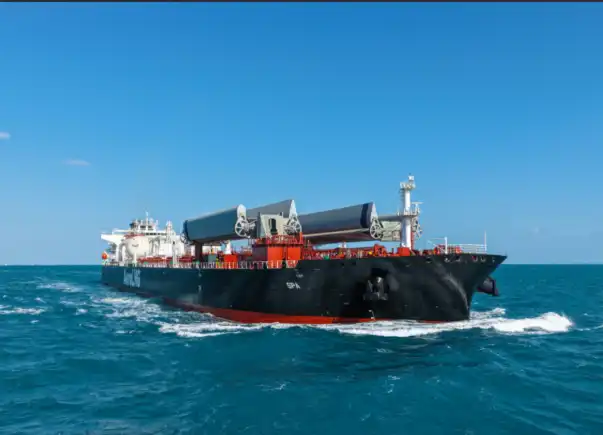
With carefully planned retrofit solutions, existing vessel fleets can benefit from wind-assisted propulsion. In order to enable smooth hatch cover operations and cargo handling equipment interaction, these systems strategically integrate across vessel decks and position themselves between cargo holds. Propulsion systems can rotate into laydown positions thanks to the creative design, which maintains operational flexibility while guaranteeing safe clearance from deck machinery. Commercial ships with these systems have completed multiple port calls without experiencing any operational issues, demonstrating dependable performance in major international ports. This track record demonstrates that wind-assisted propulsion is a developed technology that is prepared for broad maritime use.
Comparing WAPS with Other Connectivity Solutions for Ocean Navigation
Wind-assisted propulsion systems' demonstrated performance, operational flexibility, and potential for instant implementation make them stand out from other maritime sustainability technologies. Wind propulsion seamlessly integrates with current vessel configurations and provides consistent performance benefits throughout voyages, in contrast to battery-powered systems that necessitate significant infrastructure modifications.
Performance and Reliability Advantages
When compared to other wind capture technologies or conventional sail configurations, the three-element rigid wing design offers superior aerodynamic efficiency. From calm seas to difficult storm environments, dependable performance is guaranteed by advanced materials and marine-grade construction. Through automated safety procedures that safeguard machinery while optimizing propulsion benefit, the systems maintain operational efficacy. When compared to alternative fuel technologies or hybrid battery systems, WAPS offers less operational complexity and maintenance requirements. When paired with sturdy building materials, wind-assisted propulsion systems' mechanical simplicity guarantees long-term dependability with little need for continuous maintenance.
Economic and Implementation Considerations
Clear implementation procedures and predictable operating costs are advantages for procurement teams assessing wind-assisted propulsion solutions. Wind propulsion systems work on well-known mechanical principles, much like deck cranes, in contrast to alternative technologies that need specialized fuel infrastructure or intensive crew training. This operational familiarity ensures seamless integration with current maritime workflows while lowering training requirements and implementation complexity. The technology is a compelling option for commercial operators looking for short payback periods because it provides an instant return on investment through direct fuel savings. Transferability between vessels and longer system lifespans without the need for significant component replacements are examples of long-term operational benefits.
Practical Guide to WAPS Deployment and Procurement for Ocean Navigation
Deploying wind-assisted propulsion successfully necessitates thorough planning and knowledgeable technical assistance at every stage of implementation. In order to guarantee ideal system configuration and performance expectations, the deployment process starts with a thorough compatibility analysis that looks at vessel specifications, operational requirements, and route characteristics.
Installation and Configuration Process
Expert installation crews perform in-depth site analyses, analyzing structural needs, deck area, and integration points with current vessel systems. Before a system is delivered, factory acceptance testing verifies that all of its components meet operational standards and specification requirements. In order to reduce vessel downtime and maintain safety standards during installation phases, on-site assembly procedures adhere to established protocols. Configuration processes include WAPS network setup for monitoring systems, calibration of automated control software, and comprehensive testing to verify performance optimization. Technical teams provide detailed training for vessel crews, covering operational procedures, maintenance requirements, and troubleshooting protocols.
Procurement Considerations and Supplier Selection
Suppliers should be assessed by maritime procurement specialists according to their technical support capabilities, certification credentials, and demonstrated installation experience. Prominent manufacturers ensure adherence to global maritime standards and regulations by maintaining thorough certification from major classification societies such as DNV, BV, and LR. Commercial operators who manage several vessels can frequently benefit from substantial cost savings through fleet-wide implementation programs and bulk purchasing opportunities. When choosing suppliers for wind-assisted propulsion, post-purchase support services, warranty terms, and continuing technical support are important evaluation factors. Optimal system performance is guaranteed for the duration of operational lifespans with long-term service packages and maintenance assistance.
CM Energy: Leading Maritime Wind-Assisted Propulsion Solutions
With our TSC brand wind-assisted systems, CM Energy is a technology-driven company that is leading the way in sustainable maritime propulsion. We are an industry leader in cutting-edge wind propulsion innovations thanks to our extensive experience in marine energy solutions, cutting-edge control technologies, and global lifecycle services. With a wealth of experience working with commercial shipping companies around the globe, CM Energy offers tried-and-true solutions that improve environmental performance and vessel efficiency.
Advanced Wind Propulsion Technology Portfolio
The patented three-element rigid sail technology used in our flagship wind-assisted propulsion systems was created in collaboration with top aerodynamic research institutes. These advanced systems use automated control mechanisms to optimize camber configuration and sail angle continuously, providing optimal aerodynamic efficiency in a variety of sailing conditions. The technology maintains strong construction standards appropriate for demanding commercial maritime applications while producing remarkable lift performance. Regardless of environmental challenges, TSC wind propulsion systems ensure consistent performance by accommodating multiple operational modes, such as navigation, berthing, and extreme weather conditions. Our WAPS, which are offered in a variety of configurations, provide bulk carriers, tankers, and other commercial vessels with specialized solutions that are suited to particular operational needs and route characteristics, as well as logical processes, maintenance needs, and troubleshooting procedures.
Comprehensive Support and Certification
Through our worldwide service network, CM Energy offers full lifecycle support, including installation, upkeep, and continuing technical assistance. Reputable classification societies have fully certified our systems, and independent verification procedures and real-world operational testing validate performance claims. This certification gives operators assurance about the safety and dependability of the system while guaranteeing adherence to international maritime standards. In order to maximize operational benefits and optimize wind propulsion integration, our technical support team provides maritime operators with specialized consulting services. Ongoing maintenance support optimizes system availability and performance over prolonged operating periods, while extensive training programs guarantee crew familiarity with system operation.
Conclusion
Wind-assisted propulsion technology represents a fundamental shift toward sustainable maritime operations, offering commercial shipping operators a proven pathway to reduce fuel costs, achieve environmental compliance, and maintain competitive operational efficiency. The integration of advanced three-element rigid sail systems delivers immediate operational benefits while supporting long-term sustainability objectives across diverse vessel types and operational profiles. CM Energy's comprehensive wind propulsion solutions provide maritime operators with the technology, support, and expertise necessary to successfully implement these revolutionary systems. Through proven performance, extensive certification, and ongoing technical support, we enable commercial fleets to embrace sustainable propulsion technology that transforms operational economics while protecting environmental resources.
Frequently Asked Questions
1. What are the primary advantages of wind-assisted propulsion over conventional maritime systems?
Wind-assisted propulsion systems deliver substantial fuel savings, typically reducing daily consumption significantly per installed wing while simultaneously cutting carbon emissions. These systems provide immediate operational cost benefits through reduced fuel expenses while supporting environmental compliance requirements. The technology integrates seamlessly with existing vessel operations without requiring extensive crew retraining or infrastructure modifications.
2. How do wind propulsion systems maintain performance during adverse weather conditions?
Advanced automated control systems continuously monitor weather conditions and adjust sail configurations to maintain optimal performance while ensuring crew and vessel safety. During extreme weather events, systems can rotate into protective laydown positions, eliminating wind exposure while maintaining safe clearance from deck operations. Robust construction using marine-grade materials ensures reliable performance across diverse environmental conditions.
3. What integration capabilities exist with current vessel navigation and monitoring systems?
Modern wind-assisted propulsion systems feature comprehensive IoT integration capabilities that connect seamlessly with existing vessel management platforms. Real-time performance data, thrust generation metrics, and system health monitoring integrate with navigation systems to provide comprehensive operational visibility. This connectivity enables optimized route planning and performance tracking while supporting predictive maintenance scheduling.
Ready to Transform Your Fleet with Advanced Wind Propulsion Technology?
CM Energy invites maritime operators to explore our revolutionary TSC wind-assisted propulsion solutions designed specifically for commercial shipping applications. Our expert team provides personalized consultations and comprehensive system demonstrations, allowing you to evaluate performance benefits and implementation requirements firsthand. As a leading WAPS manufacturer, we deliver proven technology that transforms vessel efficiency while supporting environmental sustainability goals across global shipping operations. Contact our technical specialists at info.cn@cm-energy.com to discuss WAPS and customized wind propulsion solutions for your fleet requirements.
References
1. Maritime Environmental Protection Agency. "Wind-Assisted Propulsion Systems: Performance Analysis and Implementation Guidelines." International Maritime Technology Review, 2024.
2. Classification Society Consortium. "Certification Standards for Wind-Assisted Propulsion Technologies in Commercial Maritime Applications." Marine Technology Standards Publication, 2024.
3. International Shipping Efficiency Institute. "Fuel Consumption Reduction Strategies: Wind Propulsion Technology Assessment." Global Maritime Operations Journal, 2024.
4. Commercial Vessel Operators Association. "Implementation Case Studies: Wind-Assisted Propulsion in Bulk Carrier and Tanker Operations." Maritime Technology Implementation Report, 2024.
5. Advanced Maritime Engineering Research. "Three-Element Rigid Sail Technology: Aerodynamic Performance and Operational Benefits." Journal of Maritime Propulsion Systems, 2024.
6. Sustainable Shipping Technology Council. "Carbon Reduction Technologies: Wind-Assisted Propulsion Impact Assessment." Environmental Maritime Technology Review, 2024.