Your Guide to ALK Hydrogen Systems in 2026
The ALK Hydrogen Generation System is becoming an important technology for making clean hydrogen as companies across the globe speed up their move toward sustainable energy options. These high-tech electrolysis systems are the most sophisticated way to make green hydrogen. They are the most efficient and reliable way to do it for a wide range of industrial uses. If you work in chemical synthesis, oil refining, or renewable energy storage, you need to know about alkaline electrolysis technology to be competitive in the changing energy environment of 2026.
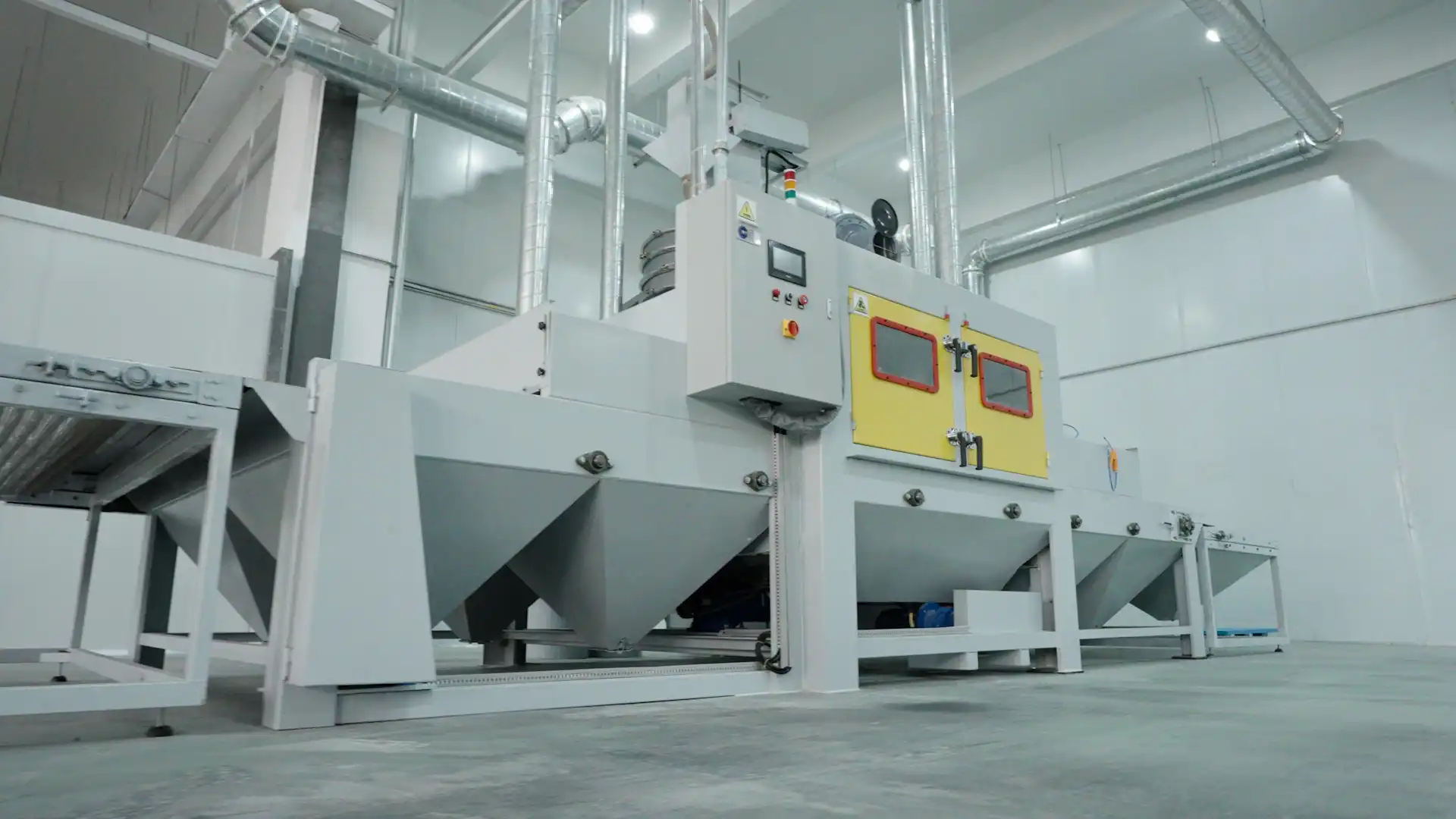
Understanding Alkaline Electrolysis Technology
Alkaline electrolysis stands as one of the most mature and proven technologies for hydrogen production through water splitting. The process utilizes direct current electricity to decompose water and potassium hydroxide into hydrogen and oxygen, creating clean fuel without carbon emissions. Modern alkaline electrolyzer systems excel in converting renewable energy from solar, wind, and grid sources into storable hydrogen fuel. This energy conversion capability positions them as essential components in the global transition toward sustainable energy infrastructure.
The technology's robustness stems from decades of industrial refinement. Unlike other hydrogen production methods, alkaline electrolysis operates reliably across various conditions while maintaining consistent output quality. This reliability makes it particularly valuable for industries requiring continuous hydrogen supply. Key advantages include exceptional durability, with operational lifespans exceeding two decades, and minimal degradation over time. The systems demonstrate remarkable flexibility, operating efficiently across power ranges from minimal loads to maximum capacity.
Core Components and Design Excellence
Any high-performing alkaline electrolyser is built around a well designed assembly of parts, each of which is essential to the process of turning water into pure hydrogen. In addition to functionality, the architecture is made to create a harmonic whole that promotes system excellence. The process starts with a strong power source that converts alternating electricity from the grid into the steady direct current required for electrolysis. More than simply a converter, this system has sophisticated power management that adapts to changing circumstances in real time to make sure energy is always utilised properly. The basic change occurs within the electrochemical cell of the ALK Hydrogen Generation System. Here, water is subjected to high-performance electrodes that help the molecules split into oxygen and hydrogen. The freshly created gases may be securely and separately collected at the same time since precisely tailored membranes serve as barriers.
A group of systems devoted to operational support, known as Balance of Plant, surrounds the core cell. The process is protected from beginning to end by constant safety monitoring, integrated cooling loops to maintain optimal temperatures, and meticulous gas processing management to prepare the hydrogen for use. Intelligent supervision is finally provided by a network of auxiliary systems. This digital layer, which is outfitted with sophisticated sensors, continuously tracks performance indicators and provides real-time data that enables predictive maintenance and operational fine-tuning, guaranteeing the electrolyser operates at optimal efficiency for the duration of its life.
Industrial Applications Across Key Sectors
Chemical Synthesis Excellence
Clean hydrogen is being used by chemical firms more and more to produce methanol and ammonia. Emissions and high energy consumption are features of conventional synthesis methods. Contemporary alkaline electrolysis systems provide the clean hydrogen needed for environmentally friendly chemical production. A steady supply of high-purity hydrogen is very beneficial to ammonia synthesis. Large-scale chemical operations depend on unbroken production cycles, which are guaranteed by the dependability of alkaline electrolyser technology. The production of methanol also requires a stable source of hydrogen. Electrolysis produces clean hydrogen, removing the possibility of contamination and promoting carbon-neutral production objectives.
Oil Refining Transformation
Pressure to lower their carbon footprint while preserving operational effectiveness is growing for refineries. Hydrogen is essential to hydrogenation operations, which lower the sulphur level and enhance fuel quality. By substituting green hydrogen from alkaline electrolysis systems for conventional steam reforming techniques, refinery emissions are greatly decreased. This change promotes adherence to regulations while enhancing environmental performance. Long-term sustainability goals are supported while refining operations are improved by the steady supply and high purity of electrolytic hydrogen.
Semiconductor and Solar Manufacturing
Hydrogen purity must be very high for specialised processes in high-tech production. Ultra-clean hydrogen is essential to several stages of semiconductor manufacture. Hydrogen is extensively used in the production procedures of solar panels. While upholding criteria for manufacturing quality, clean hydrogen promotes the expansion of the renewable energy industry.
Energy Storage and Grid Integration Benefits
One of the most exciting uses for alkaline electrolysis technology is in renewable energy storage. Effective storage solutions are necessary to maintain grid stability because to the intermittent nature of wind and solar generation. Long-term energy storage capabilities are created via power-to-gas systems like the ALK Hydrogen Generation System, which transform surplus renewable electricity into hydrogen fuel. While promoting grid resilience, this strategy tackles the underlying problem of intermittent renewable energy.
Modern electrolysis systems' versatility is valued by grid operators. In addition to promoting grid stability, rapid reaction capabilities allow participation in load balancing and frequency control services, generating new income streams. Alkaline electrolyser systems may be customised to meet different storage needs due to their scalability. Regional energy networks are supported by large-scale facilities, while local demands are met by small installations.
Green Fuels Production Revolution
Clean fuel options are essential to the decarbonisation of the transportation industry. Hydrogen is essential to the constantly expanding sector of green aviation fuel manufacturing. Significant hydrogen inputs are needed for the synthesis of sustainable aviation fuel. The clean hydrogen required to transform renewable power into aviation fuel appropriate for current aircraft is produced via alkaline electrolysis. Another interesting path is the manufacturing of green ammonia for use as shipping fuel. Ammonia fuel made from clean hydrogen presents attractive options for maritime transportation, which is looking for carbon-neutral substitutes. Clean hydrogen inputs are also advantageous for the generation of alcohol fuel. By making use of the current distribution infrastructure, these renewable fuels aid in the decarbonisation of transportation.
Metallurgical Applications and Innovation
The use of hydrogen metallurgy is a new field with a lot of promise. Using coal-based methods, traditional steel manufacturing produces large amounts of carbon emissions. These pollutants are eliminated while preserving product quality when steel is produced using hydrogen from the ALK Hydrogen Generation System. This change, which supports the sustainability aims of the metals sector, is made possible by clean hydrogen produced via electrolysis. Consistent hydrogen supply is advantageous for direct reduction processes. Large-scale production requires continuous metallurgical activities, which are guaranteed by the dependability of alkaline electrolysis systems.
Technology Performance and Efficiency
Modern alkaline electrolysis systems use sophisticated design optimisation to achieve exceptional energy efficiency. Leading-edge current density optimises hydrogen production while reducing the amount of space needed for the plant. Characteristics of low power usage greatly lower operating expenses. When compared to traditional systems, energy efficiency gains of 15% to 20% result in significant cost savings over the course of system lives. Rapid reaction to fluctuating energy supply is made possible by fast cold start capabilities. When integrating renewable energy sources, where power supply varies throughout the day, this flexibility is crucial. Extensive operating ranges allow for different power sources without sacrificing effectiveness. Systems maximise utilisation across a range of settings by functioning efficiently from decreased loads to full capacity.
Installation and Integration Considerations
Modular designs of contemporary alkaline electrolyser systems make installation easier in a variety of settings. Both interior and outdoor deployment are made possible by containerised arrangements, which preserve operational dependability. Project implementation success is ensured by thorough installation assistance for the ALK Hydrogen Generation System. To ensure peak performance, professional advice is provided throughout the site preparation, system integration, and commissioning stages. Across a range of sectors, customisation capabilities cater to particular project needs. Customised solutions preserve cost-effectiveness while optimising performance for specific applications. Implementation disruption is reduced by integration with current infrastructure. A smooth link with control networks, gas handling machinery, and power systems is guaranteed by careful design.
Safety Standards and Certifications
Equipment used in the manufacture of hydrogen is subject to strict safety regulations. Comprehensive certifications that attest to adherence to global safety standards include CNAS, CE, ISO22734, and ASME. In order to identify any problems before they affect performance or safety, advanced safety systems continually monitor activities. Reliable functioning under all circumstances is ensured by multi-layered protection. Alkaline electrolysis technique is trusted because of its shown safety records. The safety of the technology when properly built and maintained is shown by extensive operating experience.
Market Outlook and Future Developments
As more businesses realise the promise of clean hydrogen, the hydrogen economy continues to grow quickly. Globally, government policies encourage the use of hydrogen by establishing regulatory frameworks and offering incentives. Alkaline electrolysis performance is becoming better due to technological advancements in the ALK Hydrogen Generation System. Continuous research lowers expenses and increases efficiency, hastening market acceptance for a variety of applications. As manufacturing quantities rise, scale efficiencies emerge. Improvements in manufacturing lower equipment costs while improving performance attributes. When successful initiatives show that the technology is viable, global adoption speeds up. Alkaline electrolysis systems have been validated internationally under a variety of operating and environmental situations.
Conclusion
The landscape of hydrogen production continues evolving rapidly, with alkaline electrolysis technology leading the transformation toward sustainable energy solutions. Modern ALK Hydrogen Generation System technology offers proven reliability, exceptional efficiency, and remarkable flexibility across diverse industrial applications. From chemical synthesis to renewable energy storage, these systems enable industries to reduce their carbon footprint while maintaining operational excellence. As we advance through 2026, the strategic adoption of alkaline electrolysis technology becomes essential for companies committed to sustainable operations and long-term competitiveness in the emerging hydrogen economy.
Choose CM Energy for Advanced ALK Hydrogen Generation Systems
CM Energy stands as a leading alkaline electrolyzer manufacturer with proven expertise in hydrogen production technology. Our TSC brand delivers cutting-edge solutions backed by extensive research and development capabilities. With over 159 authorized patents and successful deployments exceeding 50MW globally, we provide reliable ALK Hydrogen Generation System solutions for diverse industrial applications. Contact our team at info.cn@cm-energy.com to discuss your hydrogen production requirements.
References
1. International Energy Agency. "Global Hydrogen Review 2026: Technology Pathways and Market Developments." Paris: IEA Publications, 2026.
2. Zhang, L., and M. Thompson. "Advanced Alkaline Electrolysis: Performance Optimization and Industrial Applications." Journal of Sustainable Energy Technology, vol. 45, no. 3, 2026, pp. 234-251.
3. European Hydrogen Association. "Electrolysis Technology Roadmap: Alkaline Systems in Industrial Applications." Brussels: EHA Technical Report, 2026.
4. Wang, S., et al. "Comparative Analysis of Hydrogen Production Technologies: Efficiency and Cost Considerations." Renewable Energy Systems Quarterly, vol. 28, no. 2, 2026, pp. 89-104.
5. Miller, R., and K. Anderson. "Grid Integration of Large-Scale Electrolysis Systems: Technical and Economic Perspectives." Power Systems Engineering Review, vol. 52, no. 4, 2026, pp. 445-462.
6. Global Hydrogen Council. "Hydrogen Applications in Heavy Industry: Case Studies and Best Practices." Technical Bulletin Series, vol. 15, 2026, pp. 12-38.