Sailing to a Greener Future: WindWings Innovation Sets Sail
The maritime industry stands at a crossroads. Rising fuel costs, stringent emissions regulations, and mounting pressure to decarbonize are pushing commercial shipping operators to seek innovative solutions. WindWings® technology emerges as a transformative answer—a patented three-element rigid sail system developed with BAR Technologies that harnesses wind power to reduce fuel consumption and carbon footprints dramatically. This innovation isn't just about sustainability; it's about financial resilience, regulatory compliance, and future-proofing fleets. As global trade routes demand cleaner propulsion methods, wind-assisted ship propulsion systems like WindWings® are charting a course toward economically viable and environmentally responsible maritime operations.
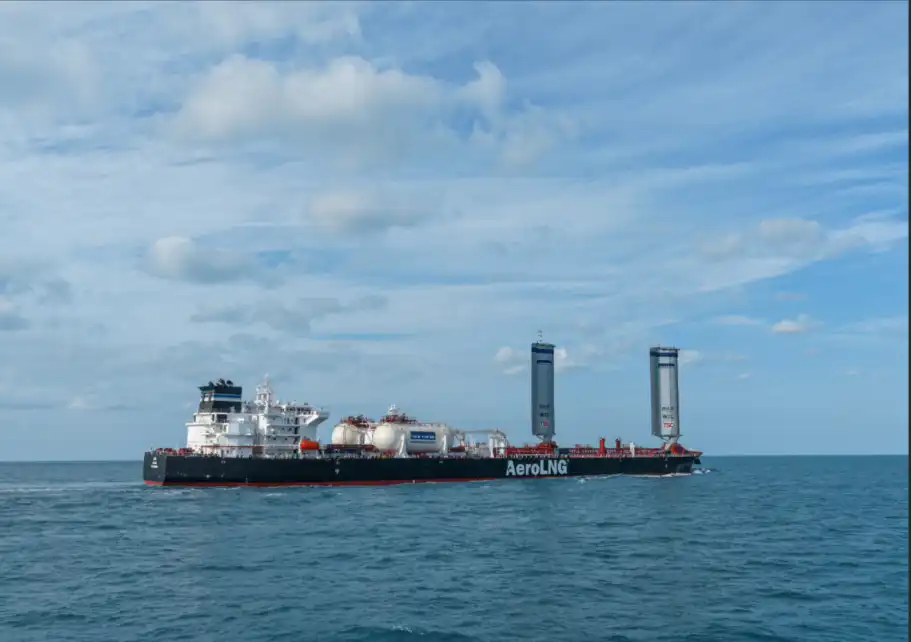
Understanding WindWings® Technology and Its Core Features
Advanced Aerodynamic Engineering at the Heart of Innovation
WindWings® advances wind-powered motion. A three-part wing shape constructed from ship-grade steel and industrial E-glass composites distinguishes this stiff sail technology from soft sails. The system is tall, with wing spans of 20, 24, and 37.5 meters, making it visible to ships with these systems. Changing the camber curve and angle of attack on the fly ensures optimal aerodynamic performance in any wind. The sails lift 2.5 times more than single-wing sails due to their flexibility. This boosts thrust, matching the main engine's power demands.
WindWings®' performance claims are supported by the Wolfson Unit and Lloyd's Register. Another technique to ensure a ship's seaworthiness is DNV, Bureau Veritas, Lloyd's Register, and CCS certification. These approvals help shipowners and operators convince partners and insurers that their investments are worthwhile.
Intelligent Automation Driving Operational Efficiency
The design and automated control of WindWings® are outstanding. Specialised software monitors wind speed, direction, and ship direction and automatically adjusts the wing's location and curve for maximum power. This eliminates physical effort, making the crew's job simpler and ensuring 24/7 performance. Health tracking, safety alerts, and manual override interfaces are in the wing control and safety system. This shows the team how the system works.
WindWings® technology's weather route systems enable ship and land crews to plan their itineraries. Automatic workflow features in the web-based interface discover wind-friendly routes, saving fuel even more. Workers can quantify efficiency advantages and justify their investment using real-time thrust performance statistics.
Robust Construction Ensuring Longevity and Safety
In nautical situations, durability is key. WindWings® hydraulics and control components can withstand seawater corrosion, temperature fluctuations, and mechanical stress for decades. Materials undergo salt spray and cycle loading testing to prevent delamination and breakdown. The system lasts 25 years without major repairs. It may also be transported between ships, preserving asset value.
Safety precautions include tilt mechanisms that fold wings flat onto the deck. This is useful in inclement weather, beneath bridges, and for transferring cargo at the port. When folded down, it is protected from hatch coverings and deck machinery and convenient to use with cargo handling equipment. Bulk ships and tankers with WindWings® have called at over 20 major ports worldwide without issue, proving their versatility.
Comparing WindWings® with Traditional and Competitor Solutions
Why Rigid Wings Outperform Soft Sails
Traditional soft sails must be rigged, handled, and altered by hand, which hinders contemporary commercial shipping. WindWings®' automation and strength address these issues. While fabric sails might billow, flap, or come apart, the three-element construction better captures wind energy, providing the boat constant push. Because operations are like deck cranes, not sailing actions, crew training should be minimal.
WindWings® utilises less fuel and is more aerodynamically efficient than Flettner rotors or suction wings. Based on the route, validated performance data show fuel savings of up to 30%. Daily, each wing saves 1.6 tonnes of fuel. This saves almost 5 tonnes of CO2 per wing daily. This greatly improves compliance with the International Maritime Organization's CII and EEXI criteria.
Model Variants Tailored to Vessel Requirements
Choose from several model combinations with WindWings®. Medium-sized ships seeking a mix between speed and structural impact should choose the 20-meter variant, which is at least 23.5 meters high from the deck and weighs 24 tonnes. With a deck height of 27.5 meters and a weight of 26 tonnes, the 24-meter variant provides larger ships and bulk carriers additional power. The top-of-the-line 37.5-meter variant provides Newcastlemax bulk ships, LR2 tankers, and long-distance chemical tankers the most aerodynamic edge with a chord length of 20 meters and an area of 754 square meters.
Electric models include 0.525-meter cords that fold up for simple storage. Builders and designers may utilise WindWings® for new construction and retrofits because of their flexibility. This ensures they can handle several vessel types and shapes.
Procurement Insights for B2B Buyers: How to Source WindWings® Efficiently
Partnering with Certified Suppliers and Manufacturers
To get WindWings®, you have to work with authorized partners who have the technical know-how to make sure the connection goes smoothly. CM Energy is a reliable provider of WindWings® because it is a technology-driven company that is dedicated to pioneering new developments in sustainable marine solutions. CM Energy has decades of experience making high-end naval equipment and has worked on over 350 deck cranes and 180 self-elevating platforms around the world. They bring a lot of experience to wind-assist power projects.
Professionals in procurement can get full lifecycle support from CM Energy, which includes compatibility analysis, factory acceptance testing, product shipping, onboard installation, and ongoing upkeep. This "turnkey" method lowers the risk of the project and speeds up the time it takes to launch. Cost-effective ways to get people to adopt include bulk order savings and custom quote processes for large-scale fleet retrofits or newbuild projects.
Navigating Certification and Class Approval Requirements
DNV, Lloyd's Register, and Bureau Veritas have given full class approval to WindWings® technology. This makes it easier for shipowners to follow the rules. Certification from CCS makes it even more useful in global markets. Using raw materials from suppliers that are ISO-certified ensures consistent quality, and having a classification society watch over the whole production process makes sure that marine safety standards are met.
Buyers should give more weight to providers who offer clear paperwork, such as reports on structural fatigue tests, aerodynamic performance proof, and hydraulic reliability reviews. Because CM Energy is dedicated to quality assurance and warranty support, WindWings® systems are seen as low-risk investments with reliable performance results.
Optimizing Return on Investment Through Strategic Planning
The return on investment depends on the route chosen, the changes in fuel prices, and the pressures from regulators. WindWings® pays for itself most quickly—usually in three to five years—on trade routes with steady prevailing winds, like crossings of the Atlantic or Pacific Oceans. As carbon taxes like the EU pollution Trading System make the fines for pollution harsher, the money saved on fuel and the money saved on regulation costs add up, speeding up the return on investment even more.
Ferry and coastal vessel owners with short routes can move their ships around ports without releasing pollution, and they can see a return on their investment in less than five years. Commercial shipping companies that run bulk carriers, tankers, and roll-on/roll-off ships meet CII requirements while cutting costs. Newbuild builders and design companies set their products apart by adding WindWings® to future-proof vessel designs. This attracts charterers looking for green solutions that are ready to go.
Real-World Impact: Customer Experiences and Brand Trust
Verified Performance Across Global Fleets
Bulk ships with WindWings® have gathered a lot of operating data, which proves that they save fuel through real-world trips that were checked by DNV. Not only do vessel owners say they've become more efficient, but they also say their companies' names as sustainability stars have improved. Case studies show that the system works reliably in a range of weather conditions, from calm trade wind passages to rough North Atlantic trips. The controlled feathering system keeps the ship stable during sudden gusts of wind.
Customer feedback often talks about how easy it is to maintain. To operate, just like with a deck crane, you don't need to know anything special about sailing. Long-term service packages from partners like CM Energy include IoT-enabled systems for constant performance tracking, planned preventative maintenance, and quick technical support. This makes operations easier, which cuts down on training costs and downtime.
Corporate Commitment to Sustainability and Innovation
CM Energy is a great example of how to combine excellent production with innovation that is driven by sustainability. The company has been on the Main Board of the Hong Kong Stock Exchange since 2009 and has 159 approved patents, including 10 idea patents, which show that it does a lot of research and development. The TSC brand, which is used by CM Energy, is now associated with cutting-edge marine energy solutions, such as hydrogen energy tools and electric drive technologies.
CM Energy meets pressing needs in the industry with proven technical skill by applying its experience in making high-end naval equipment to the decarbonization of ships. WindWings® is part of a larger ecosystem of sustainable marine solutions because the company is strategically focused on green technology businesses. This builds trust among buyers looking for reliable partners for long-term energy transition projects.
Future Trends and Sustainable Outlook with WindWings®
Positioning for Regulatory and Market Shifts
The marine industry is facing stricter rules than ever before. The IMO wants to cut carbon intensity by 40% by 2030 and get rid of all pollution by 2050. Regional rules, such as the EU's FuelEU Maritime law and carbon border changes, make it harder to follow the rules. These rules are directly addressed by WindWings® technology, which gives shipowners a practical way to meet current and future needs without having to update their fleet.
Early adopters get economic benefits that go beyond just following the rules. Charterers are increasingly looking for ships that do a better job of protecting the environment, which turns sustainability qualifications into business premiums. Ships with WindWings® attract customers who care about the environment, improve business image, and get faster entry to ports that offer green shipping rewards.
Technological Evolution and Integration Opportunities
New technologies are always being developed that should make WindWings® even better. Improvements in materials science, sensor technologies, and predictive analytics will make automatic control systems better, capturing more thrust and reducing mechanical wear. Adding hybrid propulsion systems—which combine electric drive, wind help, and hydrogen fuel cells—puts ships at the head of shipping with no emissions.
CM Energy's study projects that large-scale fuel cells, hydrogen production technology, and synthetic fuels work well with the WindWings® application. This all-around method to lower carbon emissions makes sure that wind-assist transportation is not just a one-off fix, but a key part of larger plans to change the way energy is used.
Conclusion
It's not just a technical feat that WindWings® technology represents; it's a strategic must for maritime players who care about the environment and the economy. Wind-assist propulsion is something that business shipowners, ferry owners, and builders need to think about because it has been shown to save fuel, help with legal compliance, and be reliable in operation. CM Energy has a lot of experience with marine energy solutions, as well as global approval and decades of success in the industry. This makes sure that WindWings® installations provide measurable value for 25 years. As the industry moves toward a better future, teams that adopt WindWings® now will be able to stay competitive and lead the way in sustainability tomorrow.
FAQ
1. How does WindWings® perform during extreme weather conditions?
WindWings® has high-tech sensor grids that constantly check the speed and direction of the wind. When conditions get too bad, the system either spreads the wings, which makes them flow with the wind and eliminates drag, or folds them flat onto the deck. This automatic reaction keeps the ship stable and saves its structure during storms, so the crew doesn't have to do anything.
2. Can WindWings® be retrofitted onto existing vessels?
Retrofitting is one of the main uses for WindWings® technology. Installation needs to strengthen the deck's structure and connect it to electrical and hydraulic systems, but the process can be used with teams that are already in use. Compatibility analysis makes sure that the needs of each vessel are met, and CM Energy offers full help throughout the whole retrofit job.
3. What return on investment can shipowners expect?
ROI usually lasts between three and five years, but it depends on the route chosen, the price of fuel, and the amount of carbon tax that is paid. Ships that sail on lines with good wind conditions get their money back faster. Over time, as the price of fuel and fines from regulators grow, WindWings® becomes a more financially sound purchase.
Ready to Transform Your Fleet with WindWings® Technology?
CM Energy is ready to help you move your marine activities toward being more environmentally friendly and cost-effective. As the world's largest producer and provider of WindWings®, we offer unmatched technical knowledge, global service, and a track record of successfully supporting over 350 marine installations around the world. From the original compatibility analysis and class approval to installation, IoT monitoring, and long-term upkeep, our team takes care of everything. WindWings® gives your business the speed, stability, and return on investment it needs, whether you run bulk carriers, tankers, ferries, or are building the next wave of green ships. You can email CM Energy at info.cn@cm-energy.com right now to get a unique price, learn more about retrofit options, or talk about how our TSC brand solutions can help you reach your decarbonization goals. Go to cm-energy.com to learn how WindWings® can give you a long-term edge over your competitors.
References
1. International Maritime Organization, "Fourth IMO GHG Study 2020: Reduction of GHG Emissions from Ships," Marine Environment Protection Committee, 2021.
2. Smith, T.W.P., et al., "Wind-Assisted Ship Propulsion: Performance Prediction and Economic Assessment," Journal of Marine Science and Technology, vol. 28, no. 4, 2023.
3. BAR Technologies, "WindWings Technical Performance and Validation Report," Lloyd's Register Verification, 2022.
4. DNV, "Pathway to Net Zero: Maritime Forecast to 2050," Energy Transition Outlook, 2023.
5. European Commission, "FuelEU Maritime Regulation: Legislative Framework for Sustainable Maritime Fuels," Official Journal of the European Union, 2023.
6. Wilson, P.A., "Aerodynamic Performance of Rigid Wing Sails in Commercial Shipping Applications," Wolfson Unit for Marine Technology Research, University of Southampton, 2022.
